High Island 2025 (April/May) Part 2
Favorite Photos
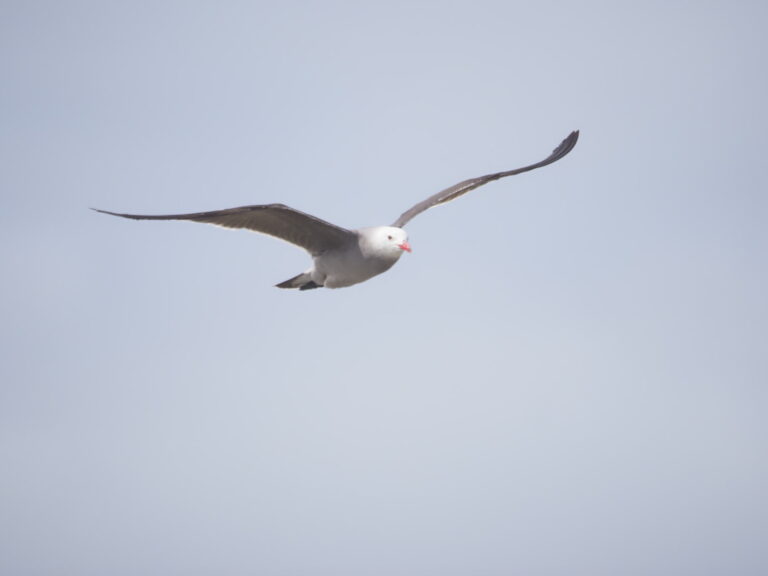
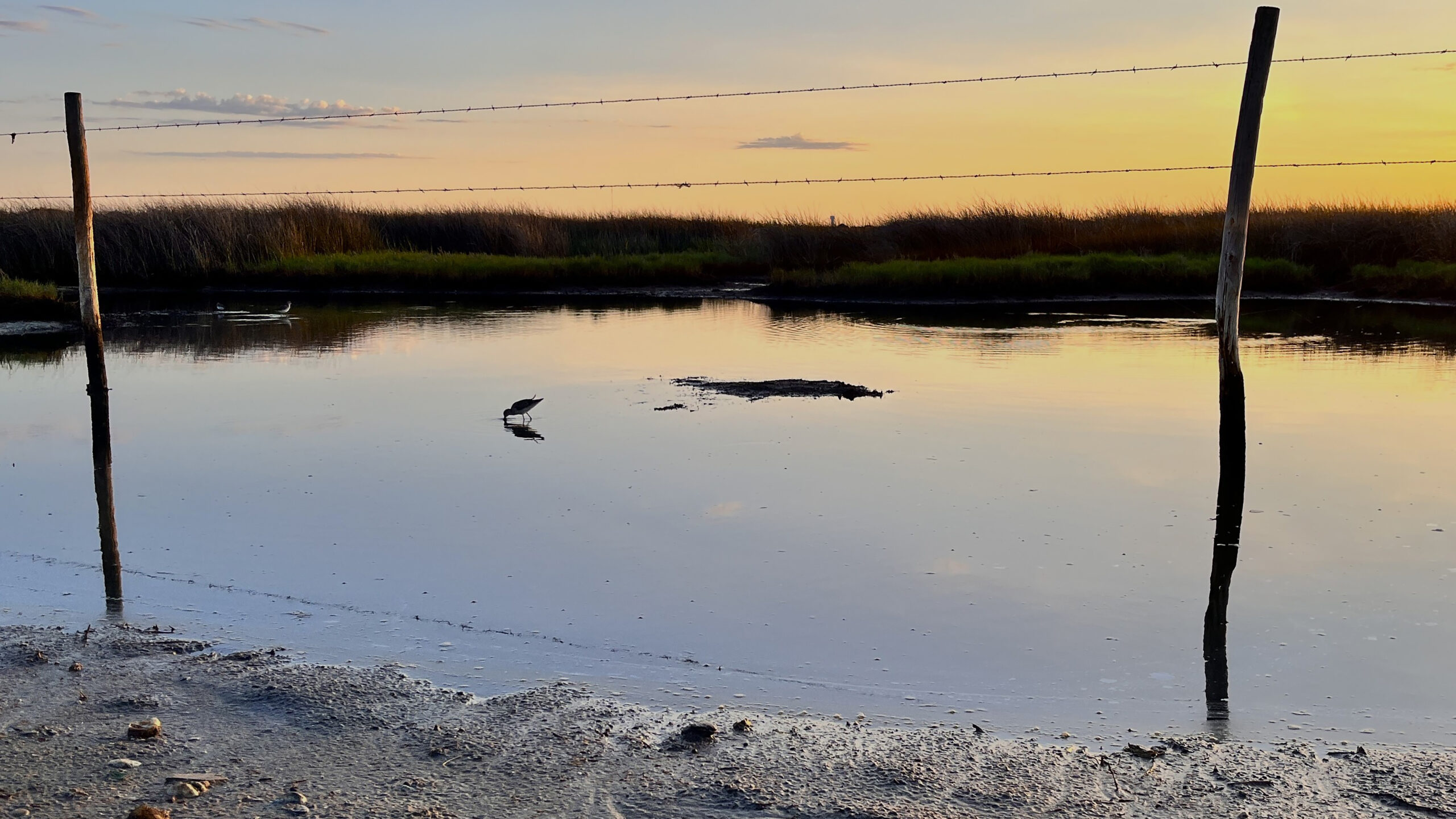
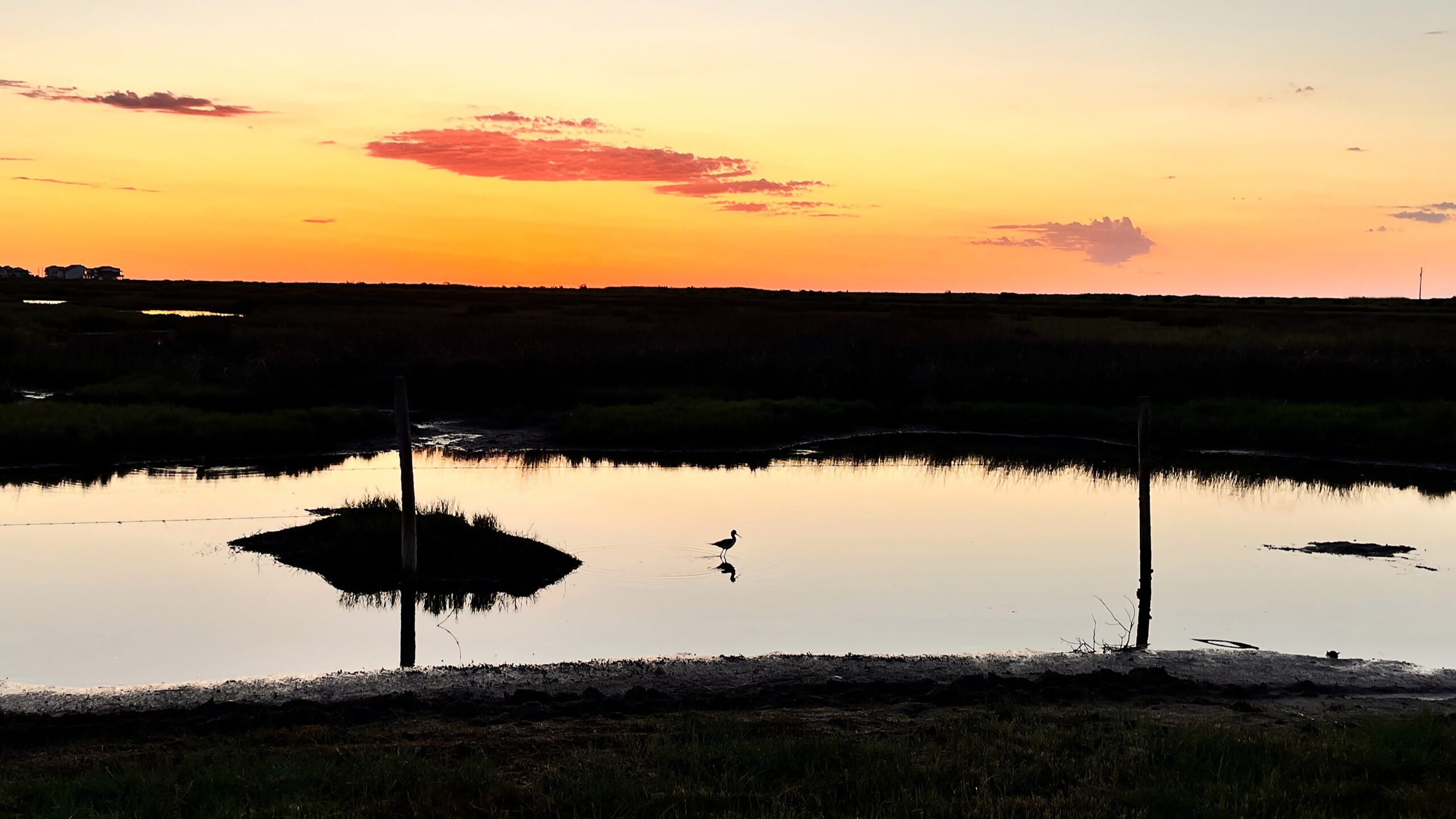
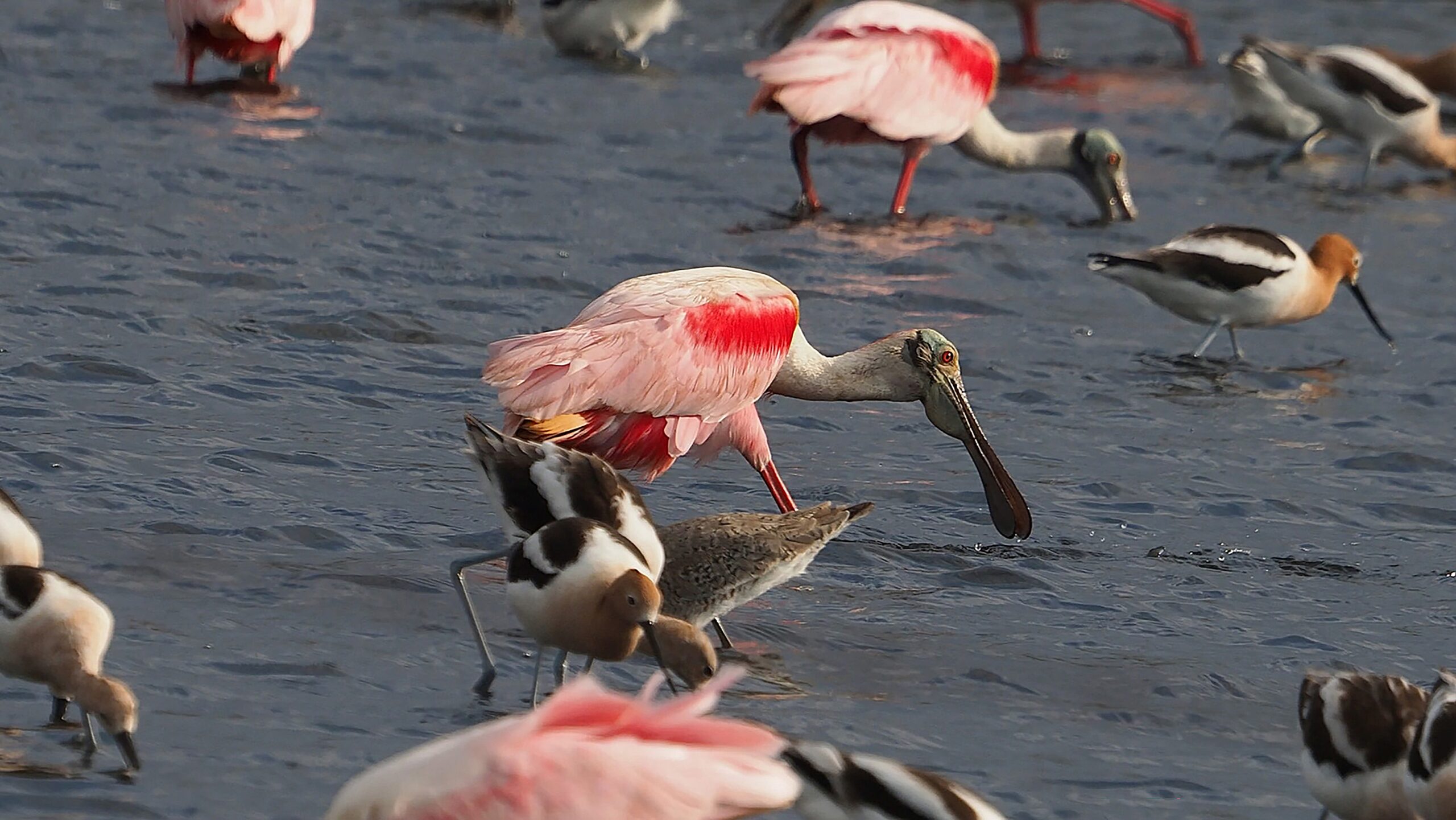
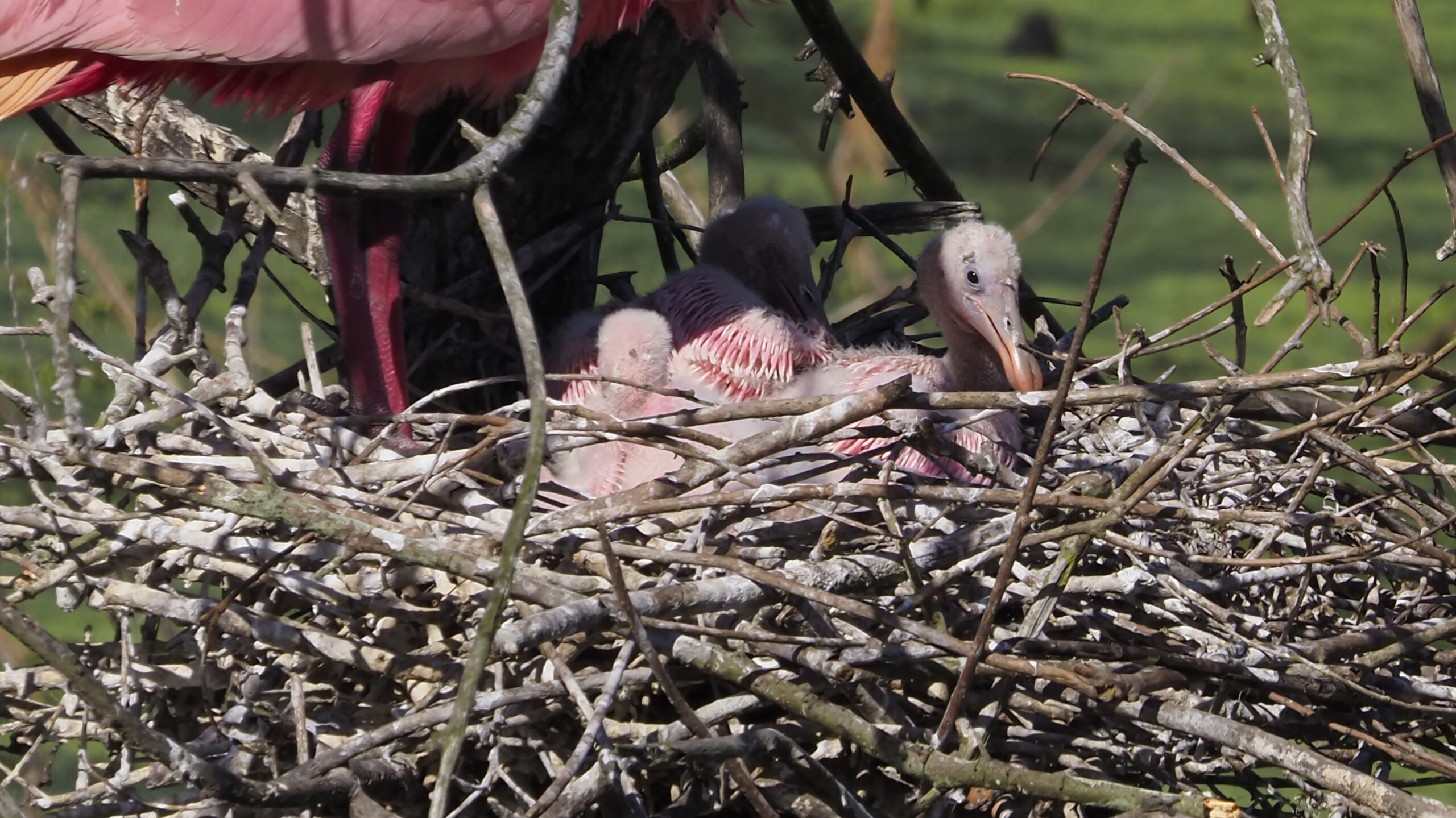
Here are a few I liked.
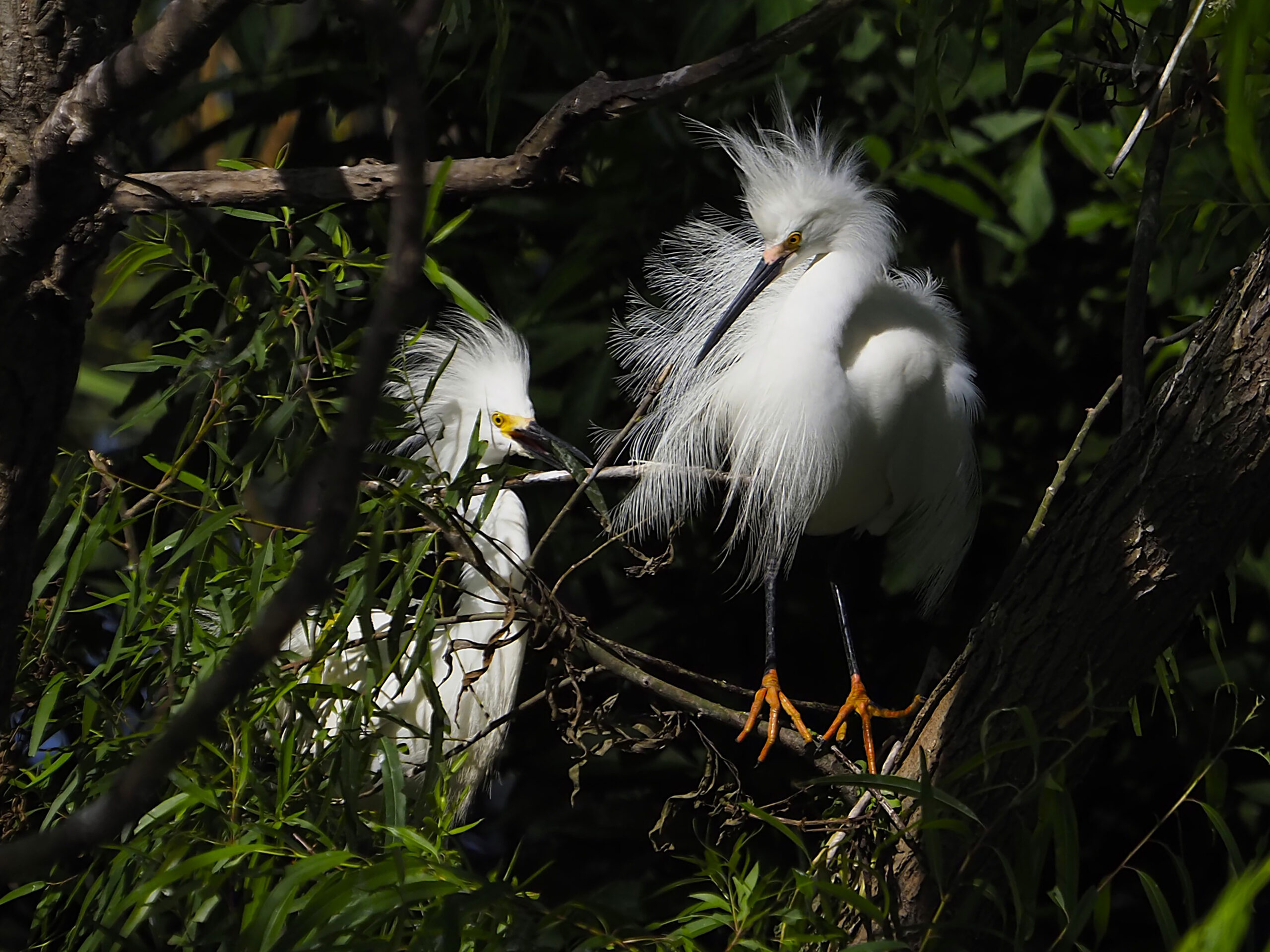
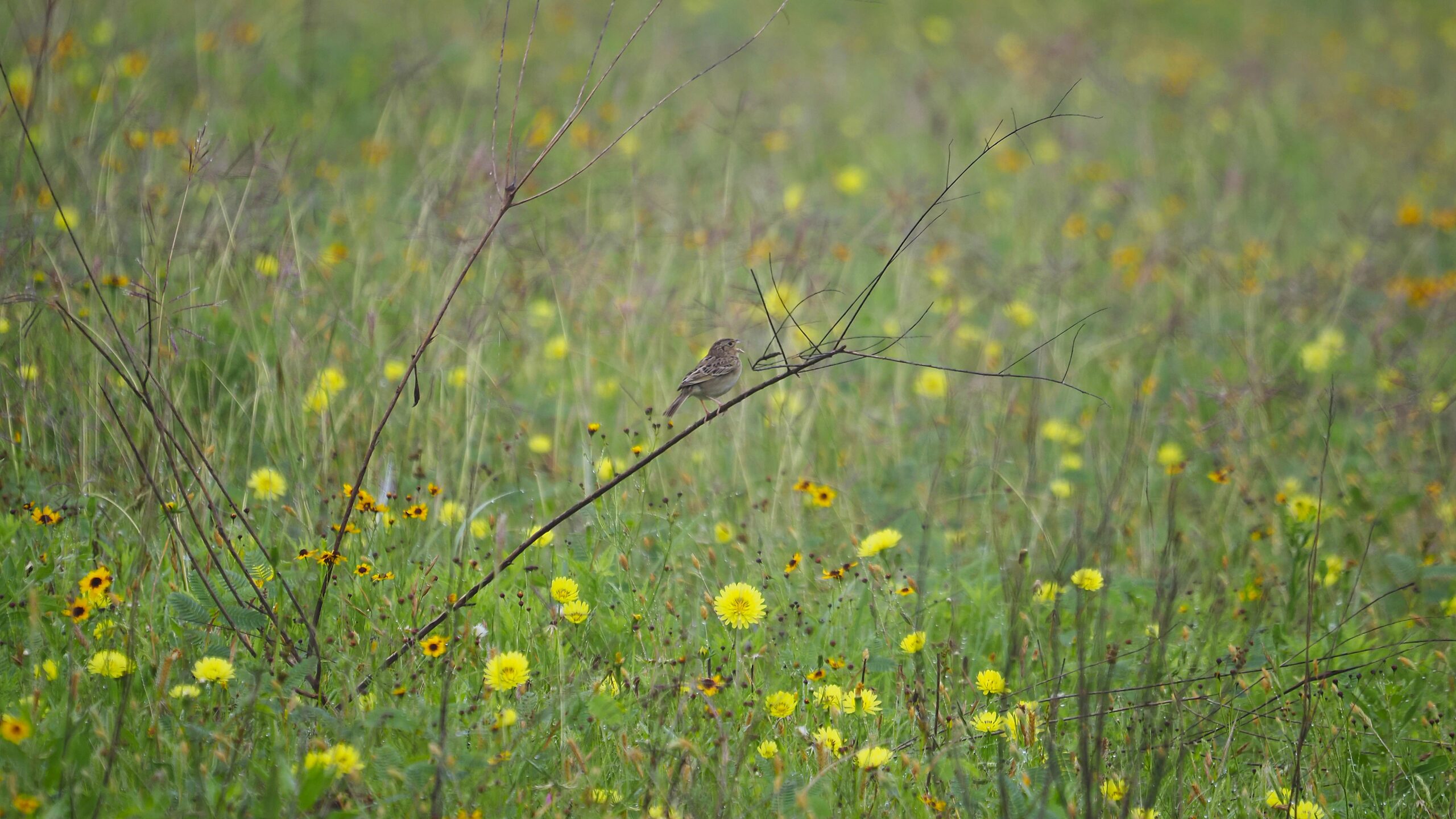



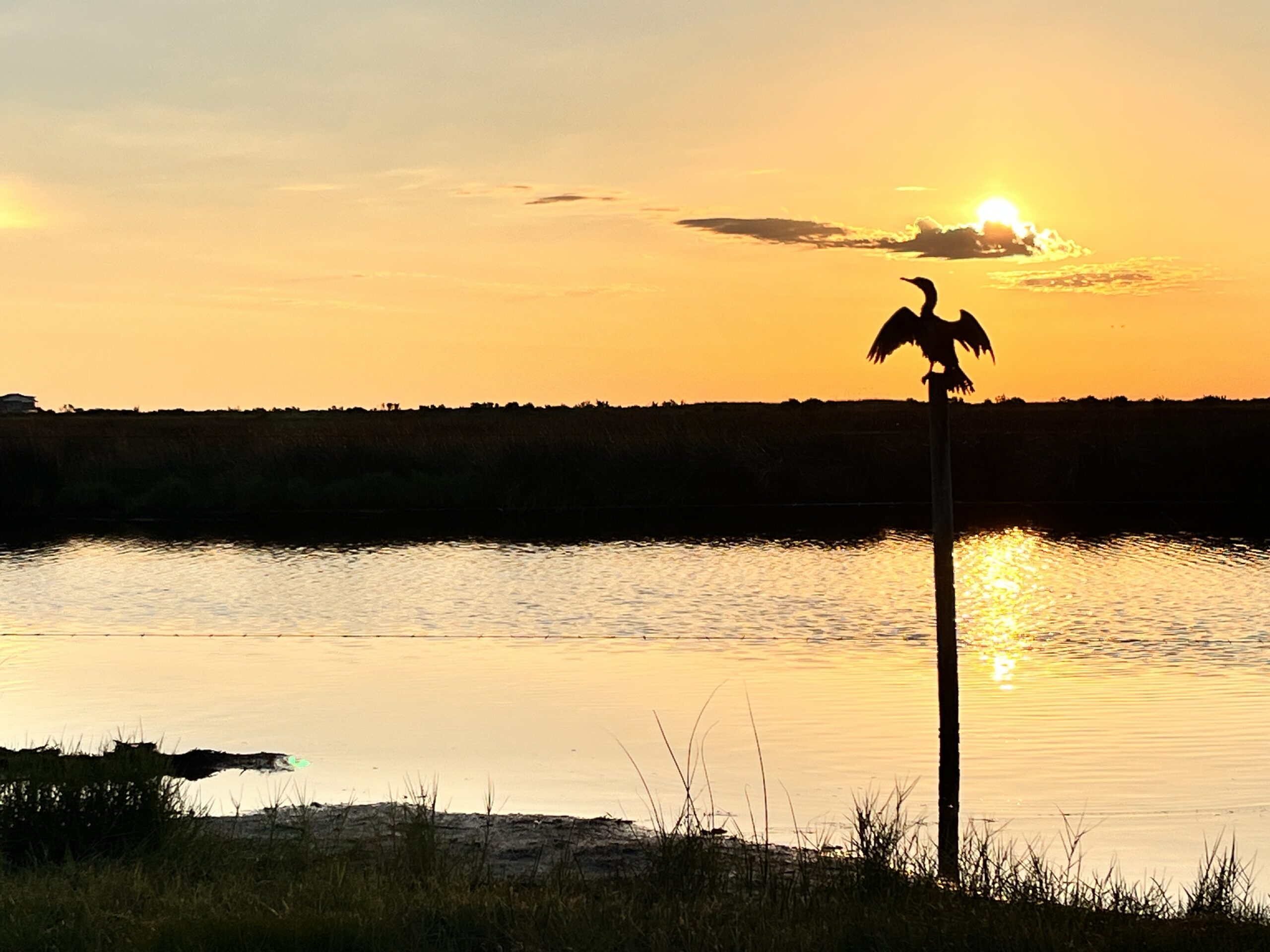
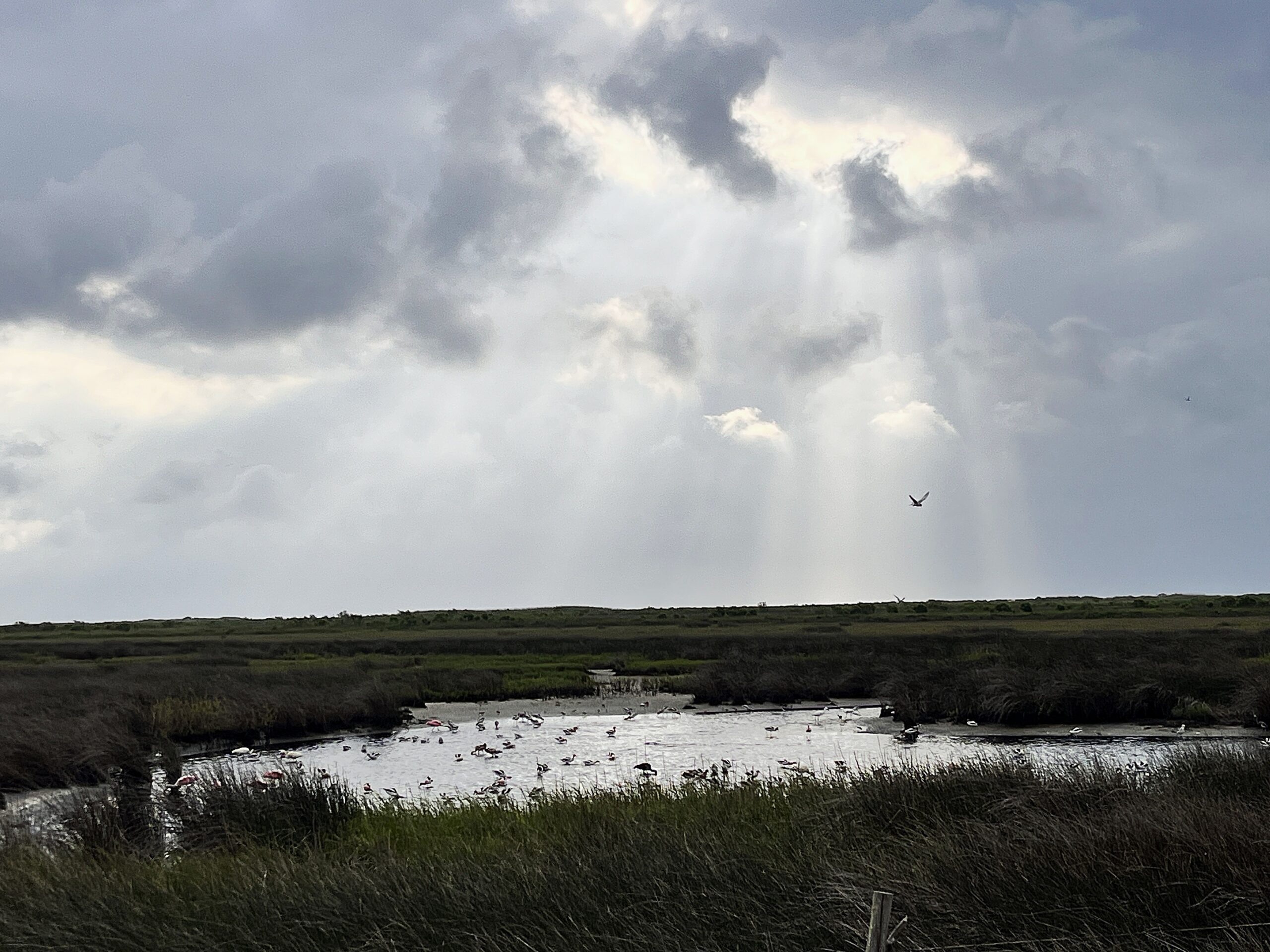

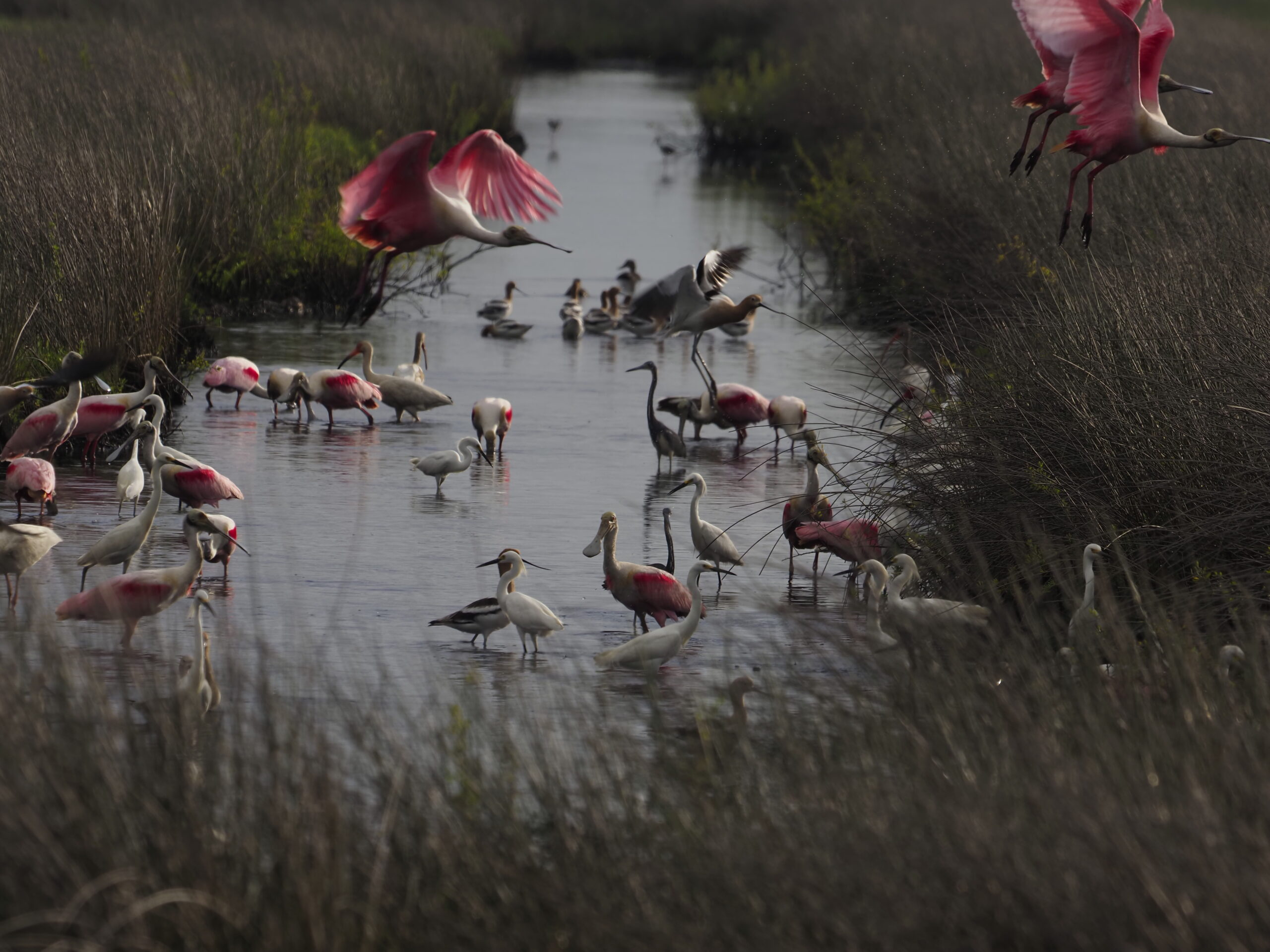
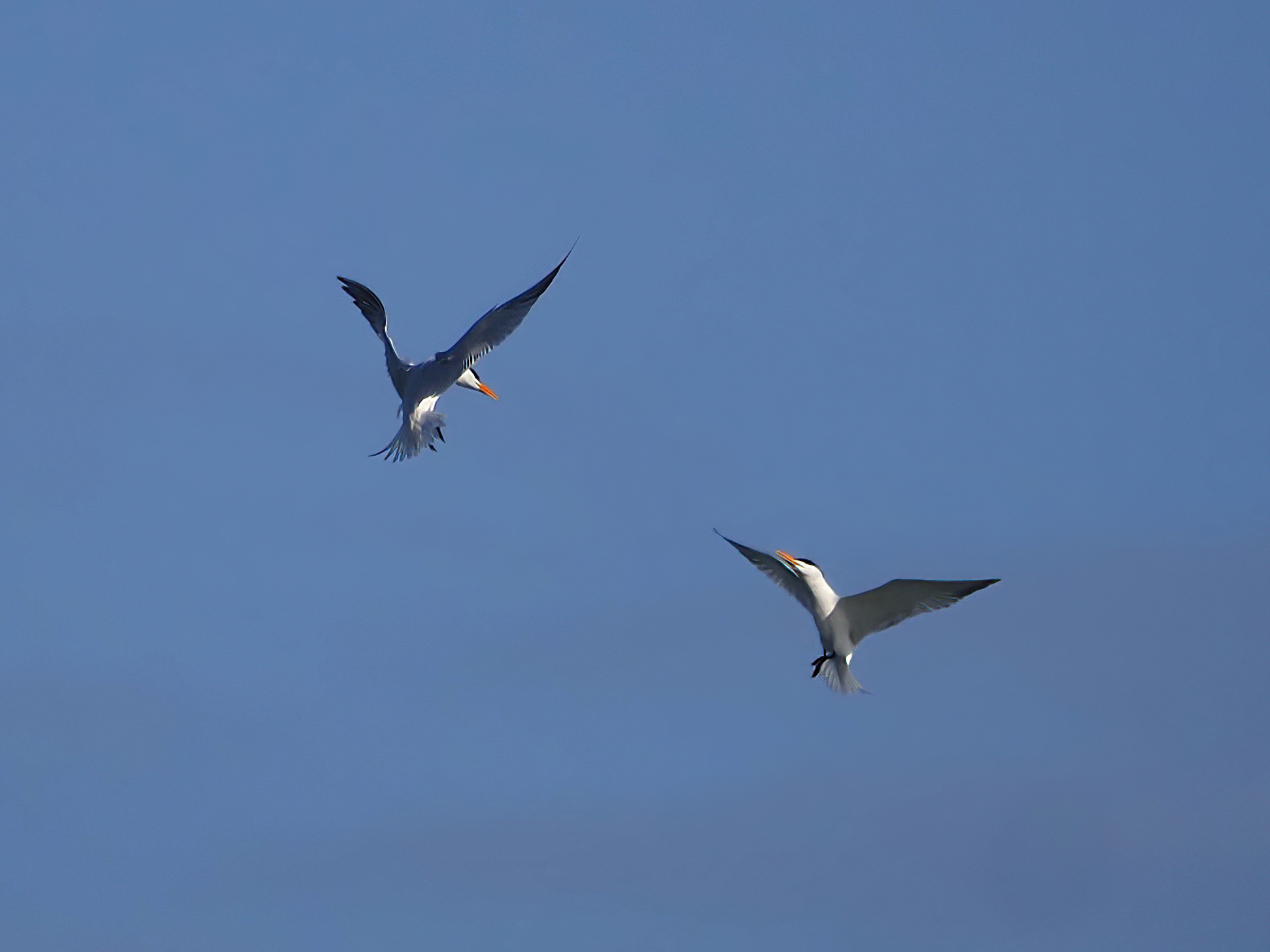
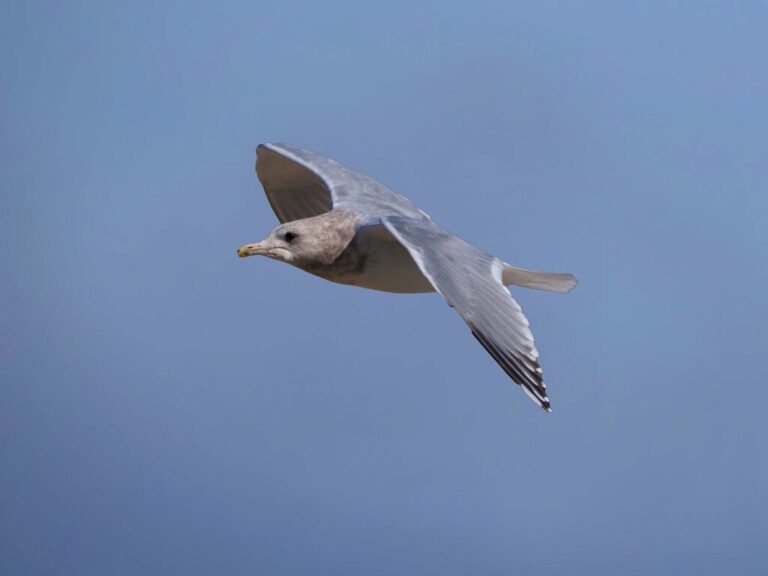
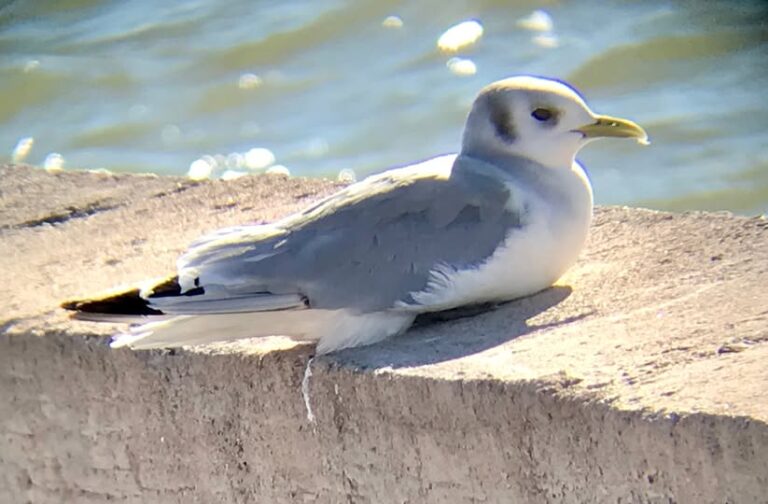
I was pleased to find a Little Gull to get my gull-fix in !!
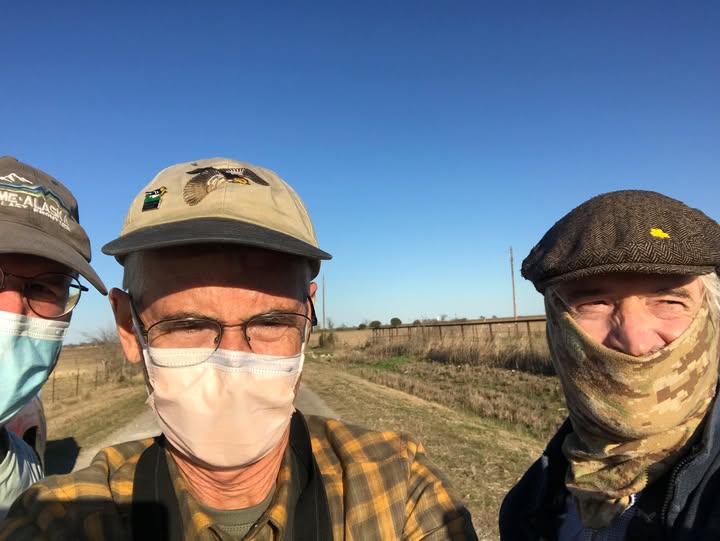
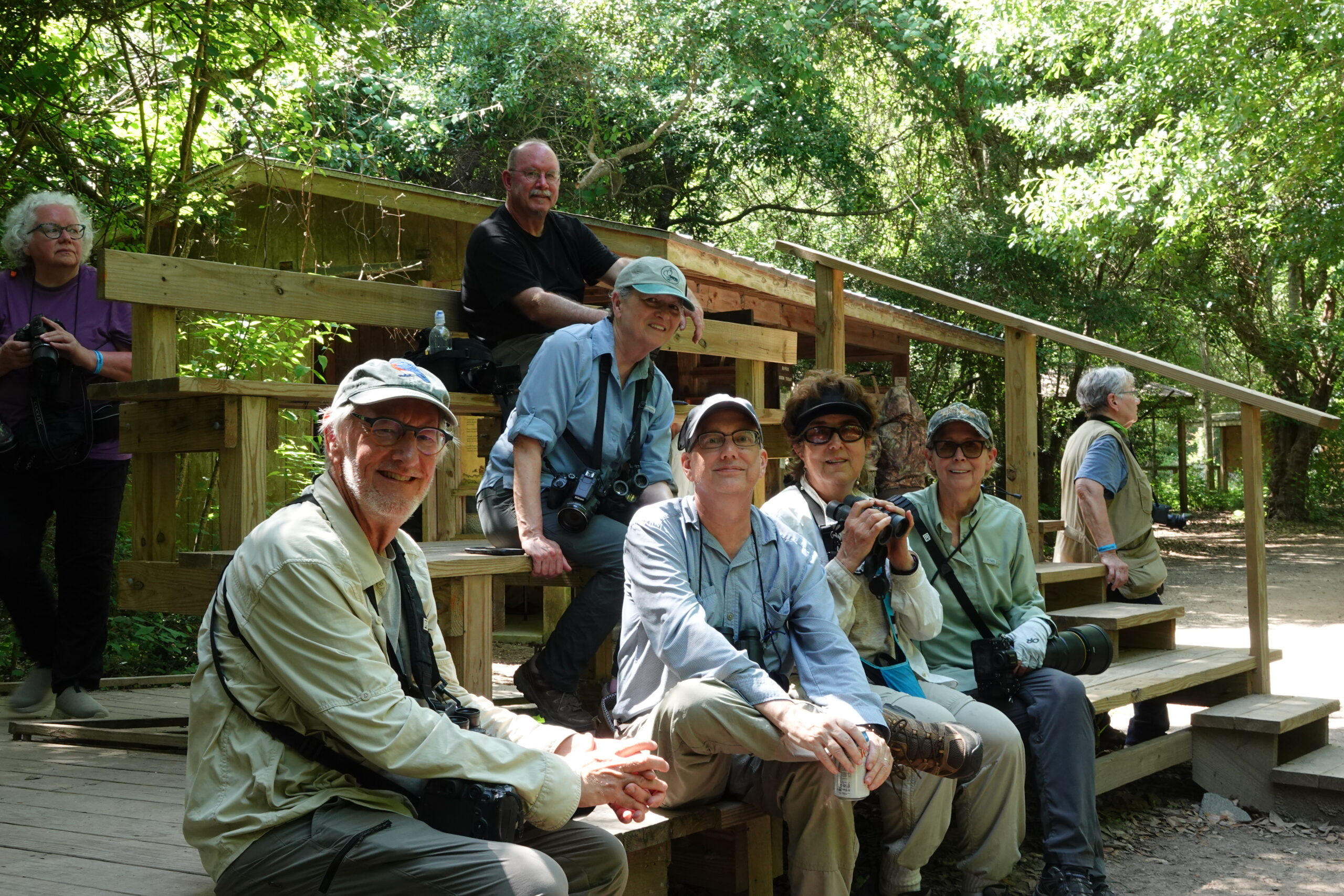
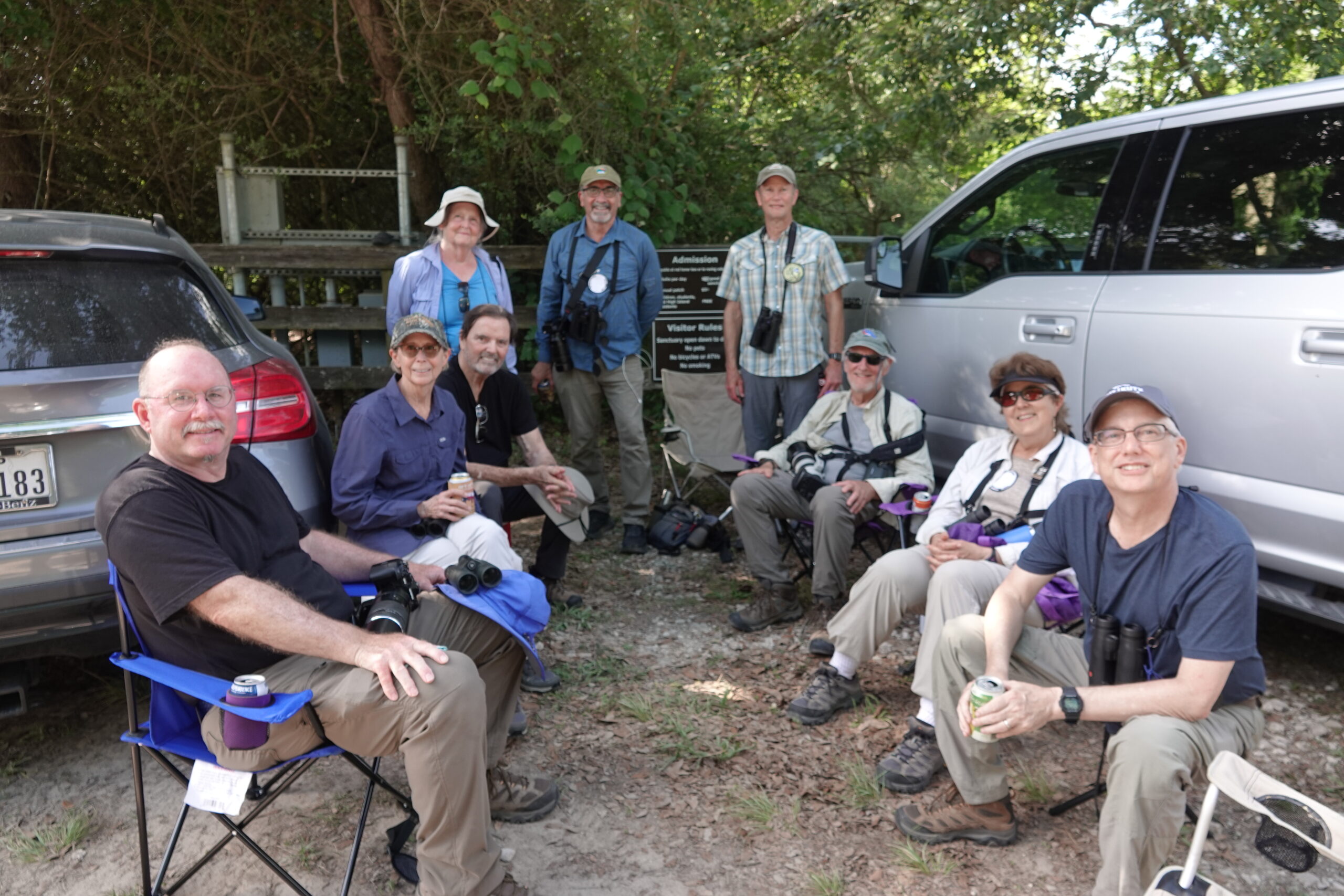
Friends !!
I really enjoy the 2 groups of birders that Eric and I bird with on this annual trip!!




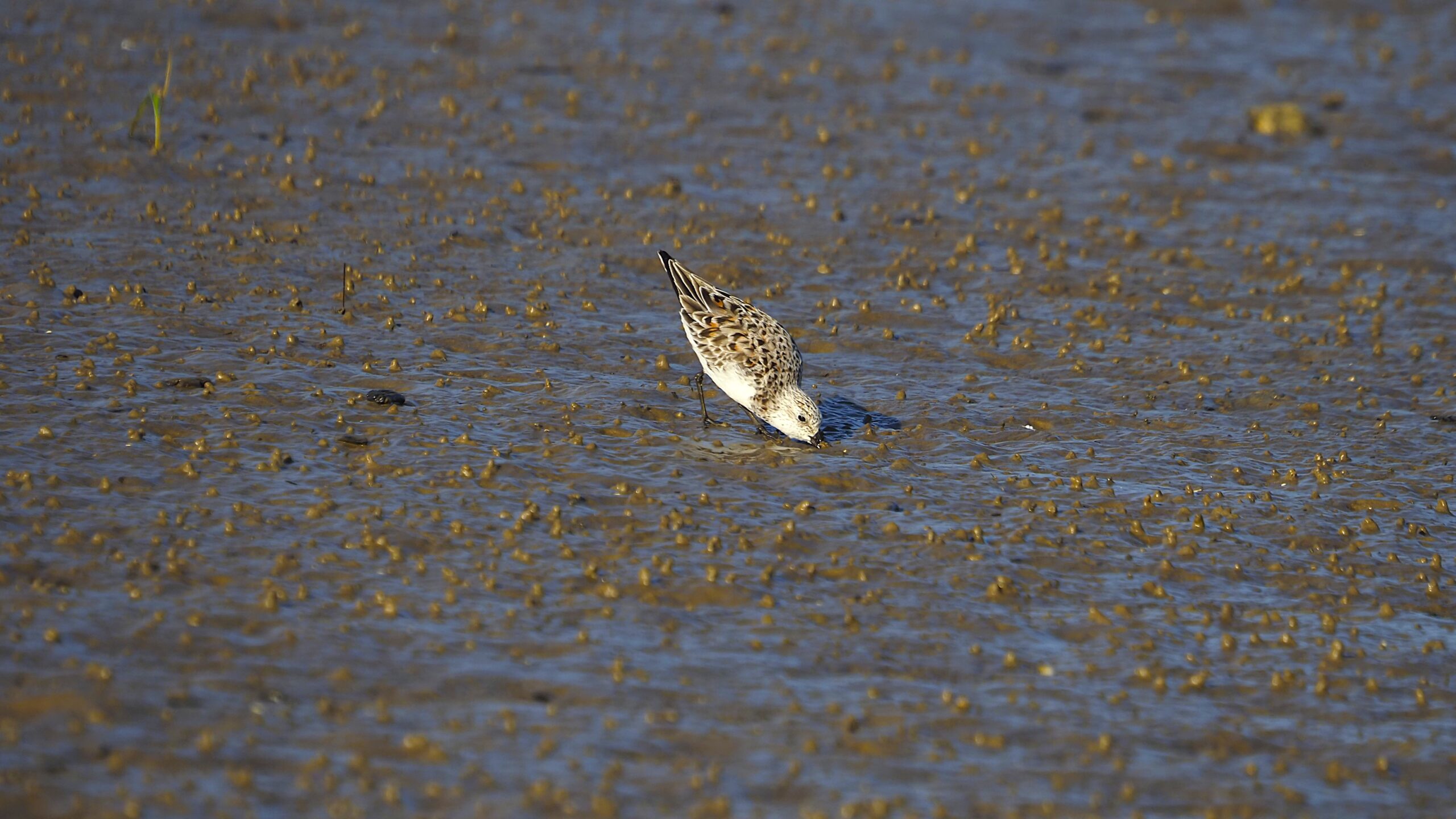
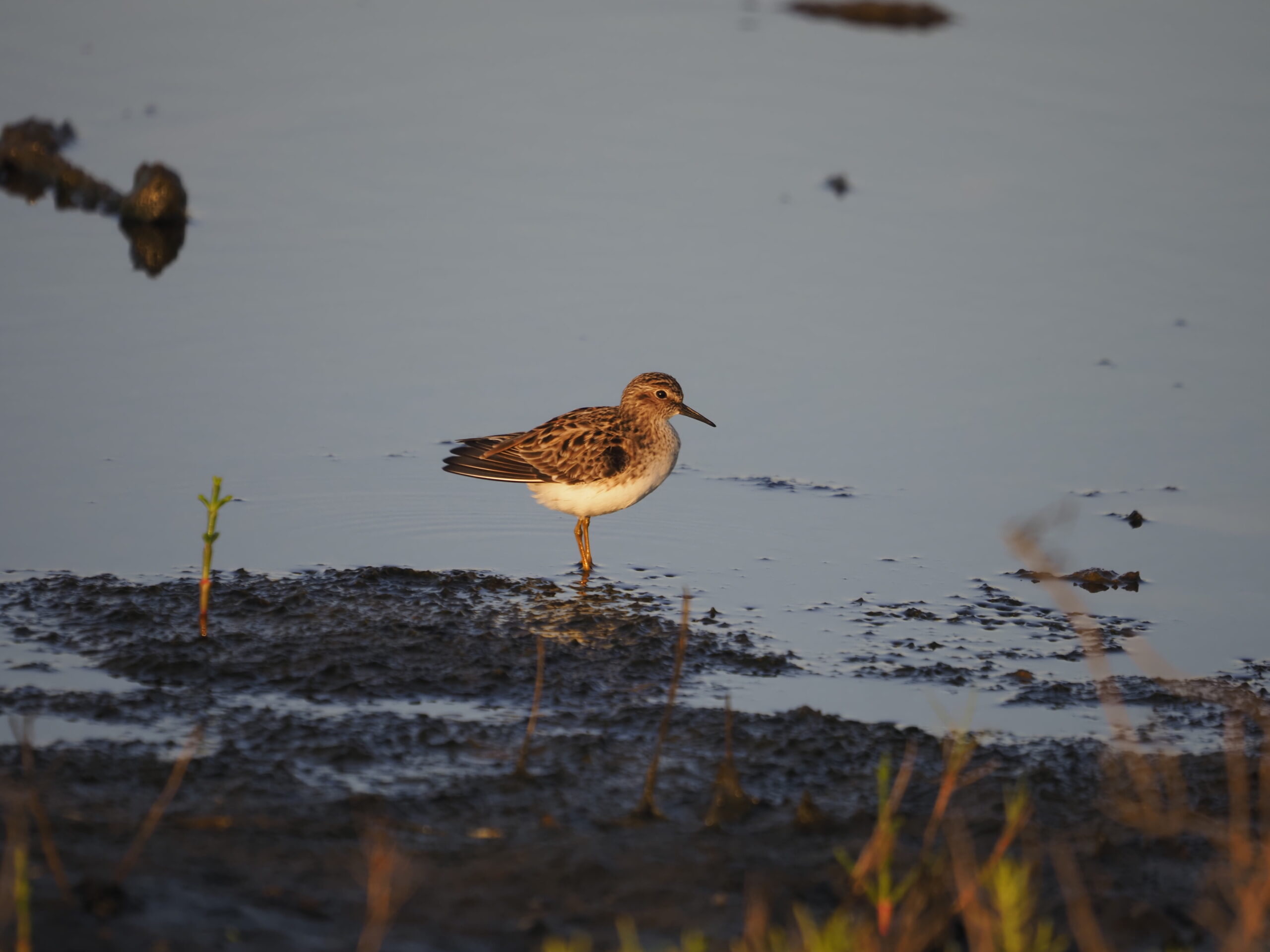
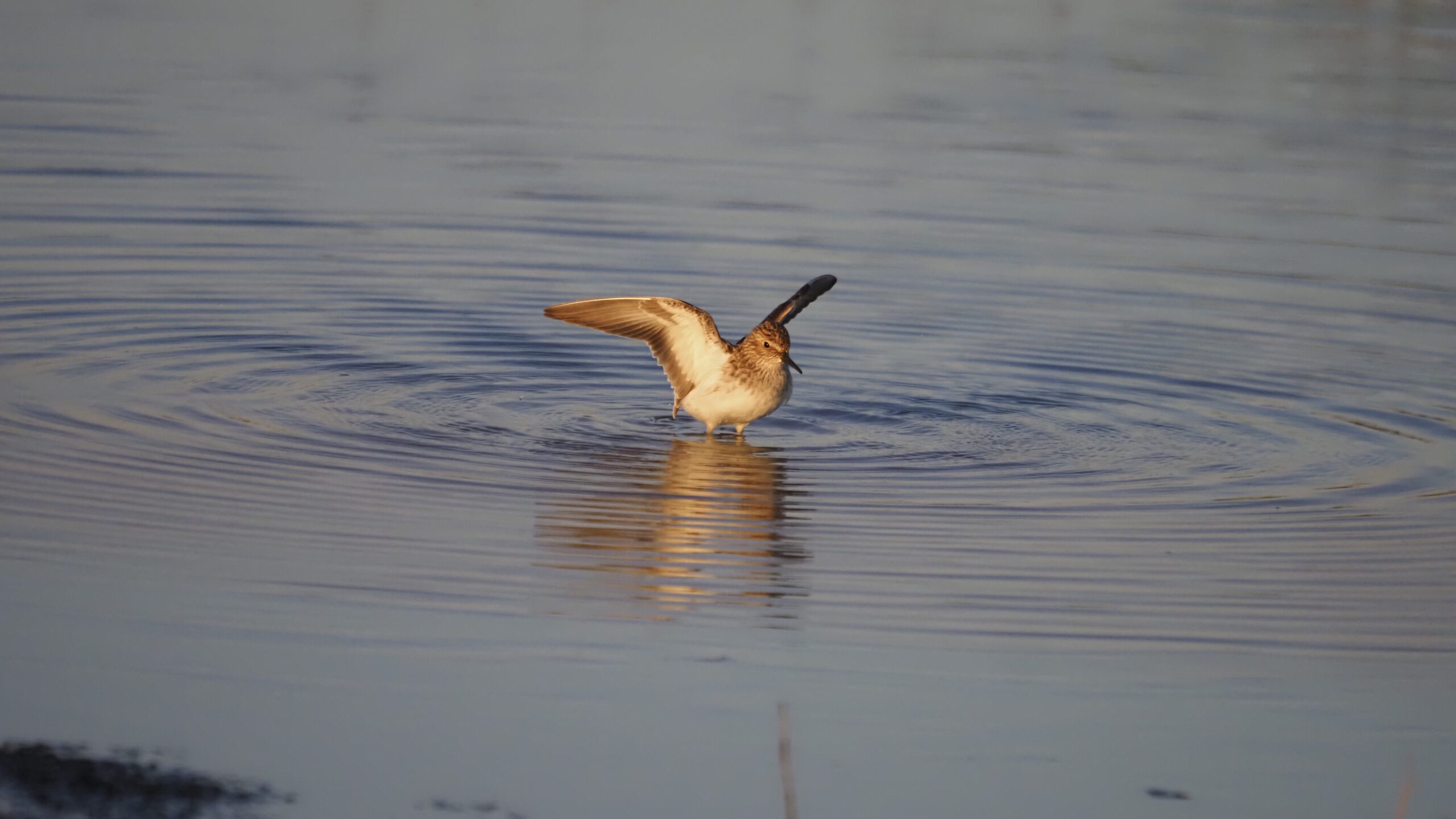
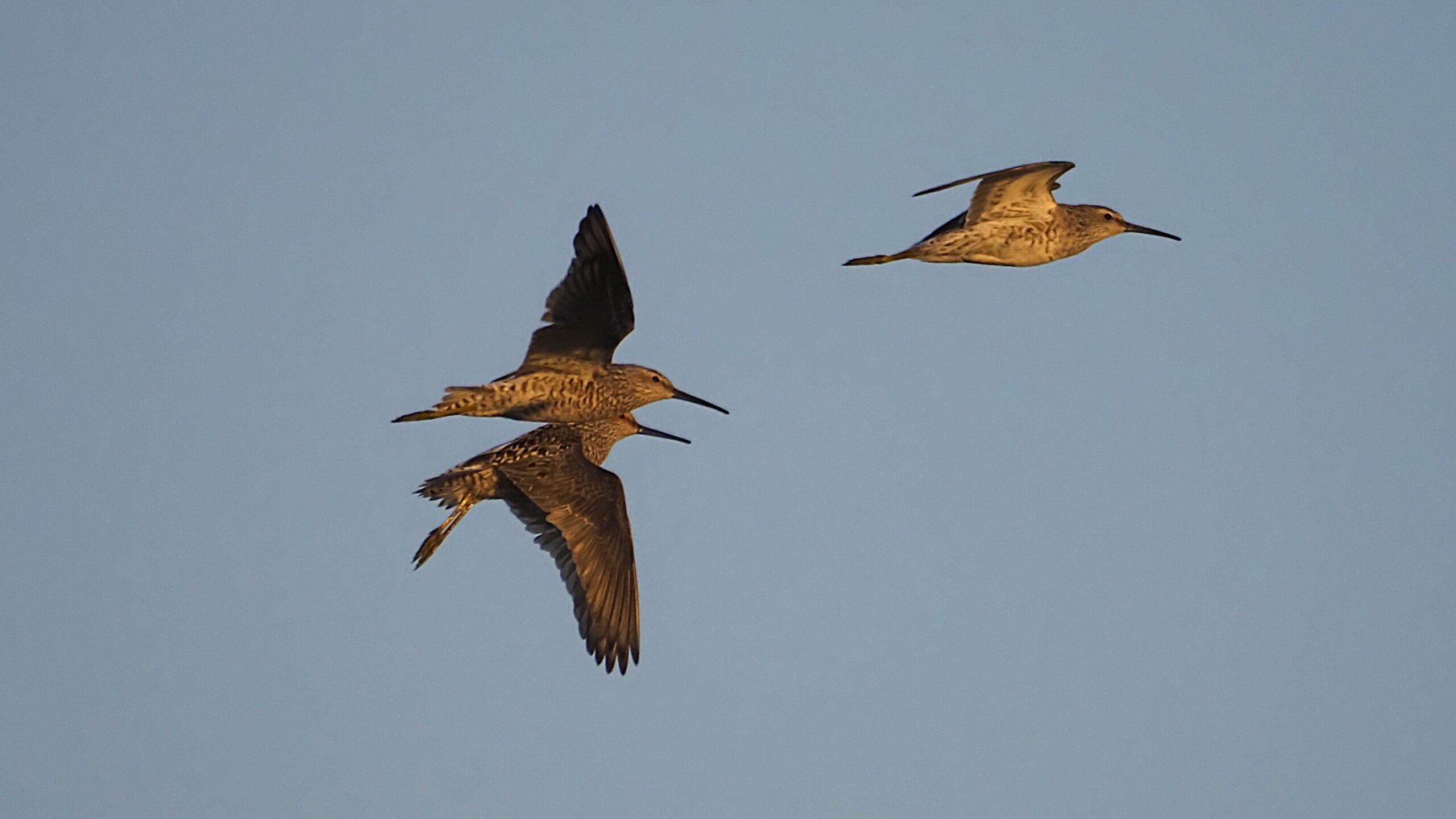
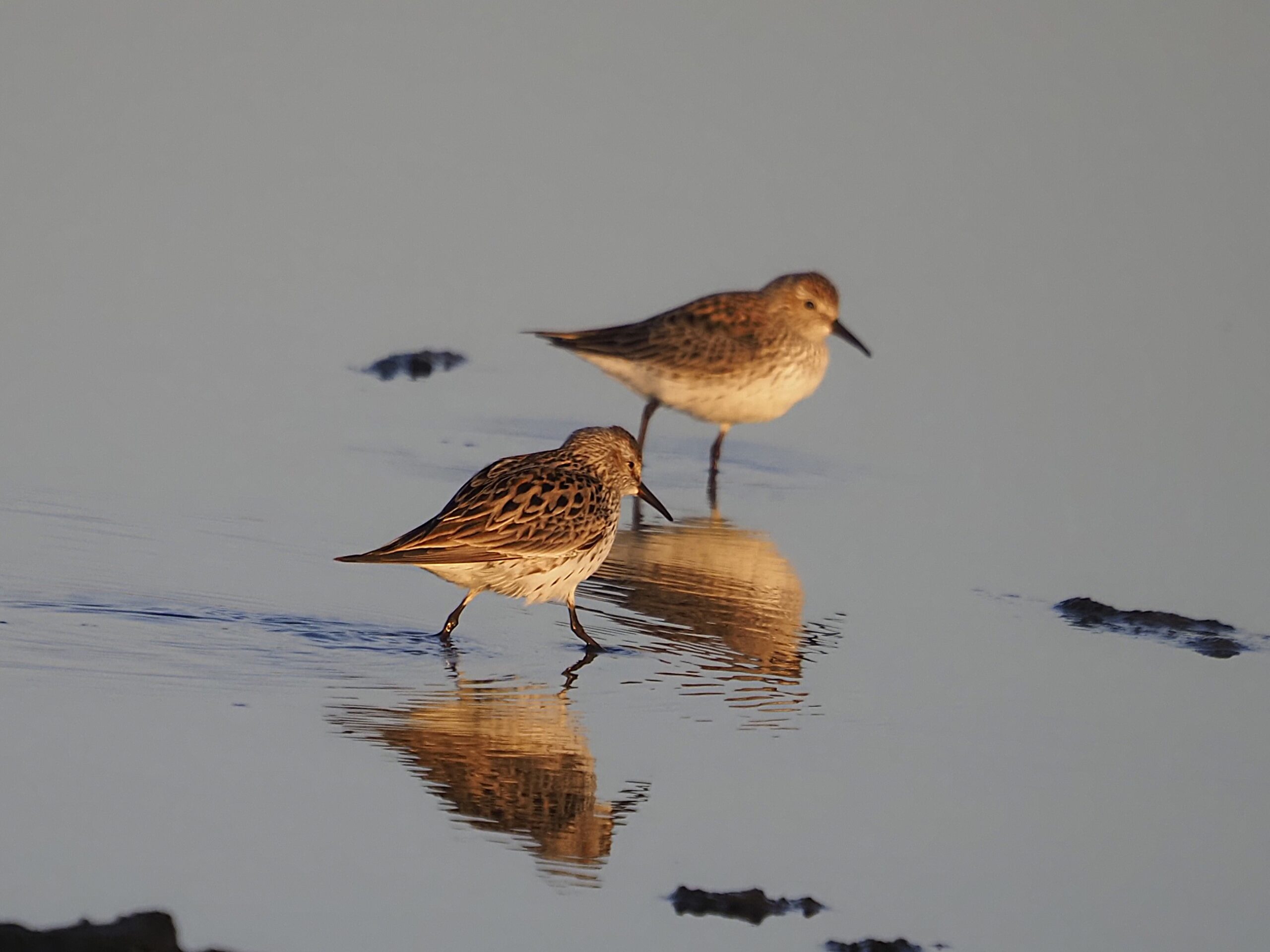
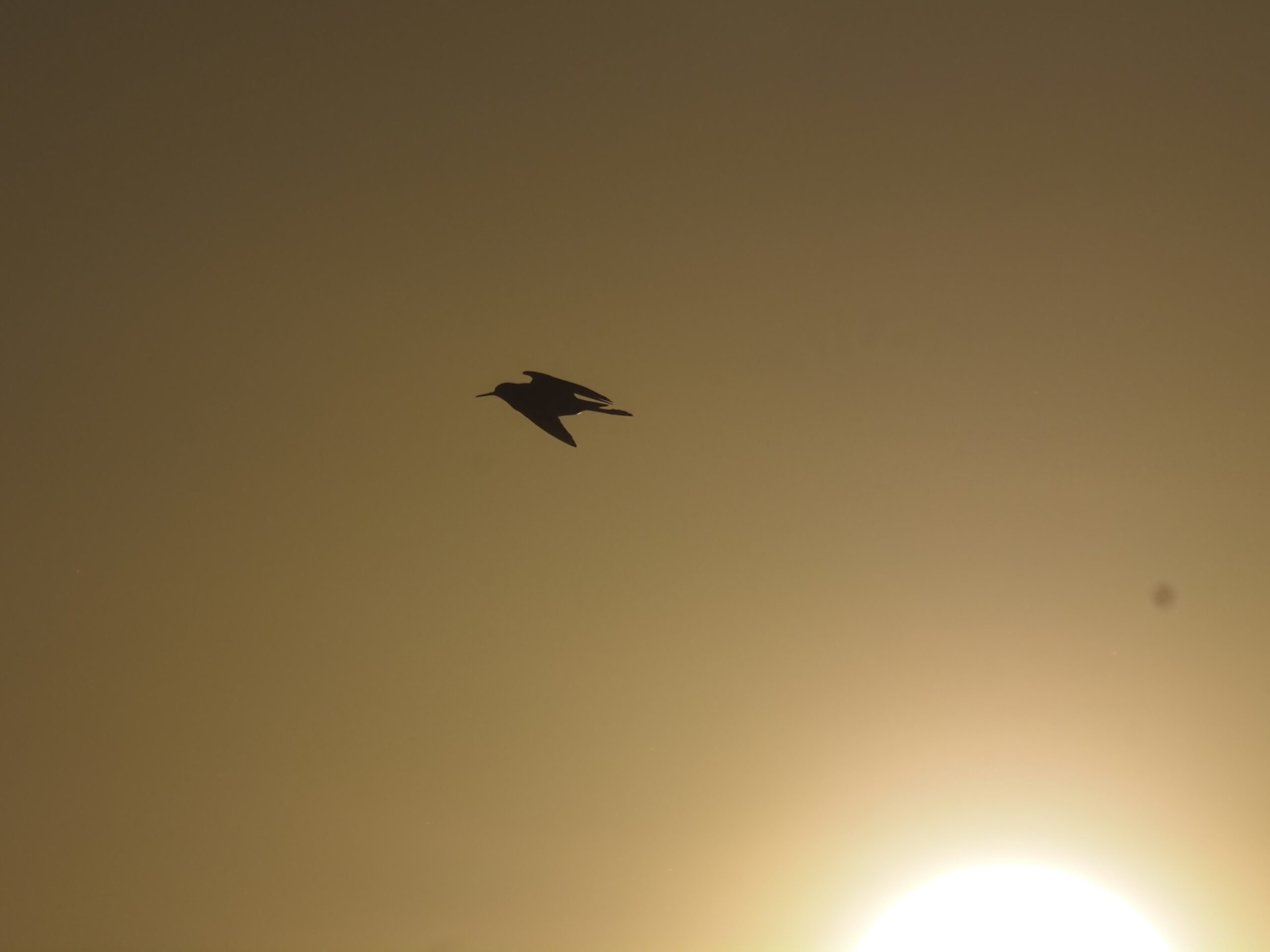
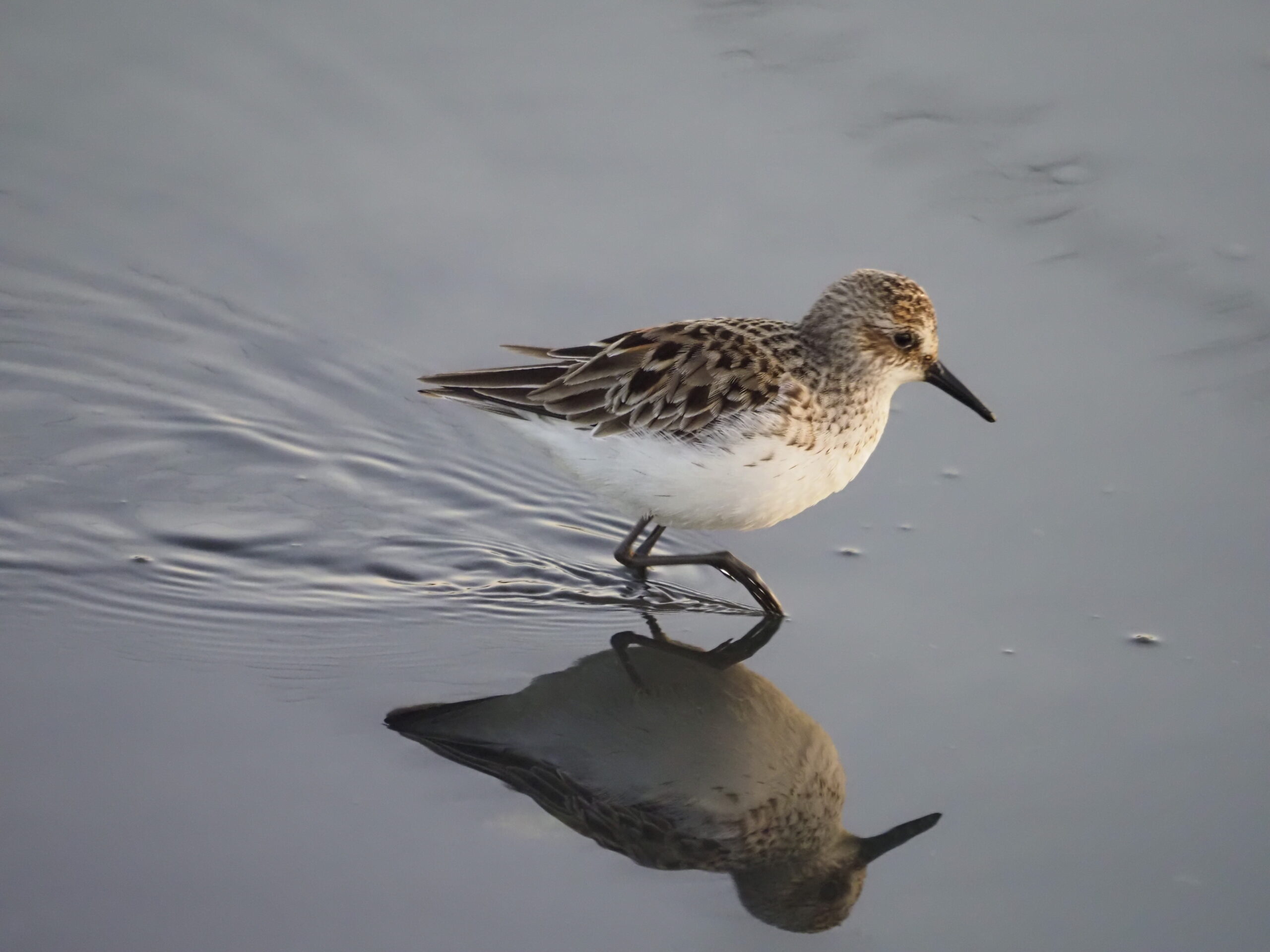
Shorebirds
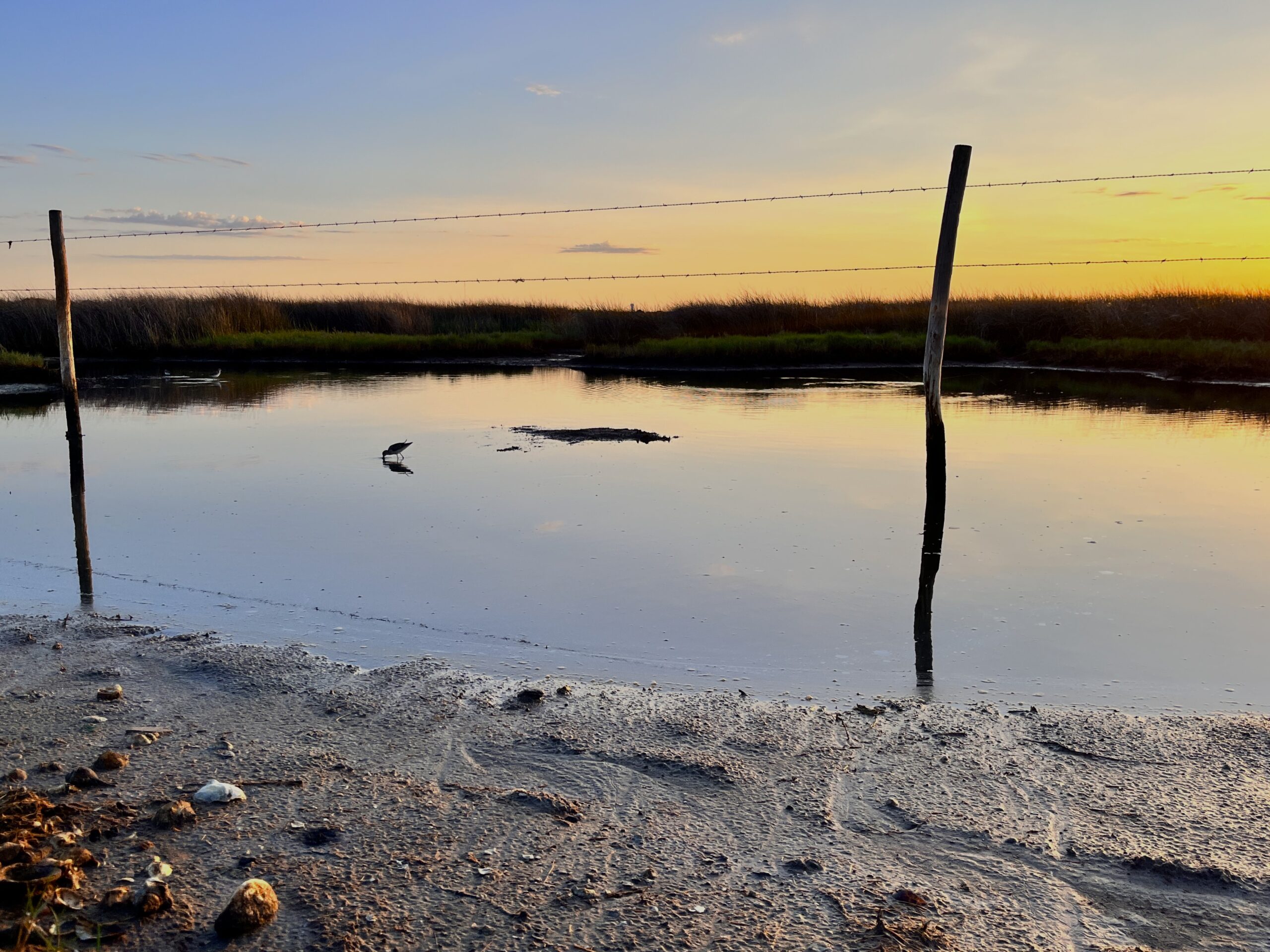
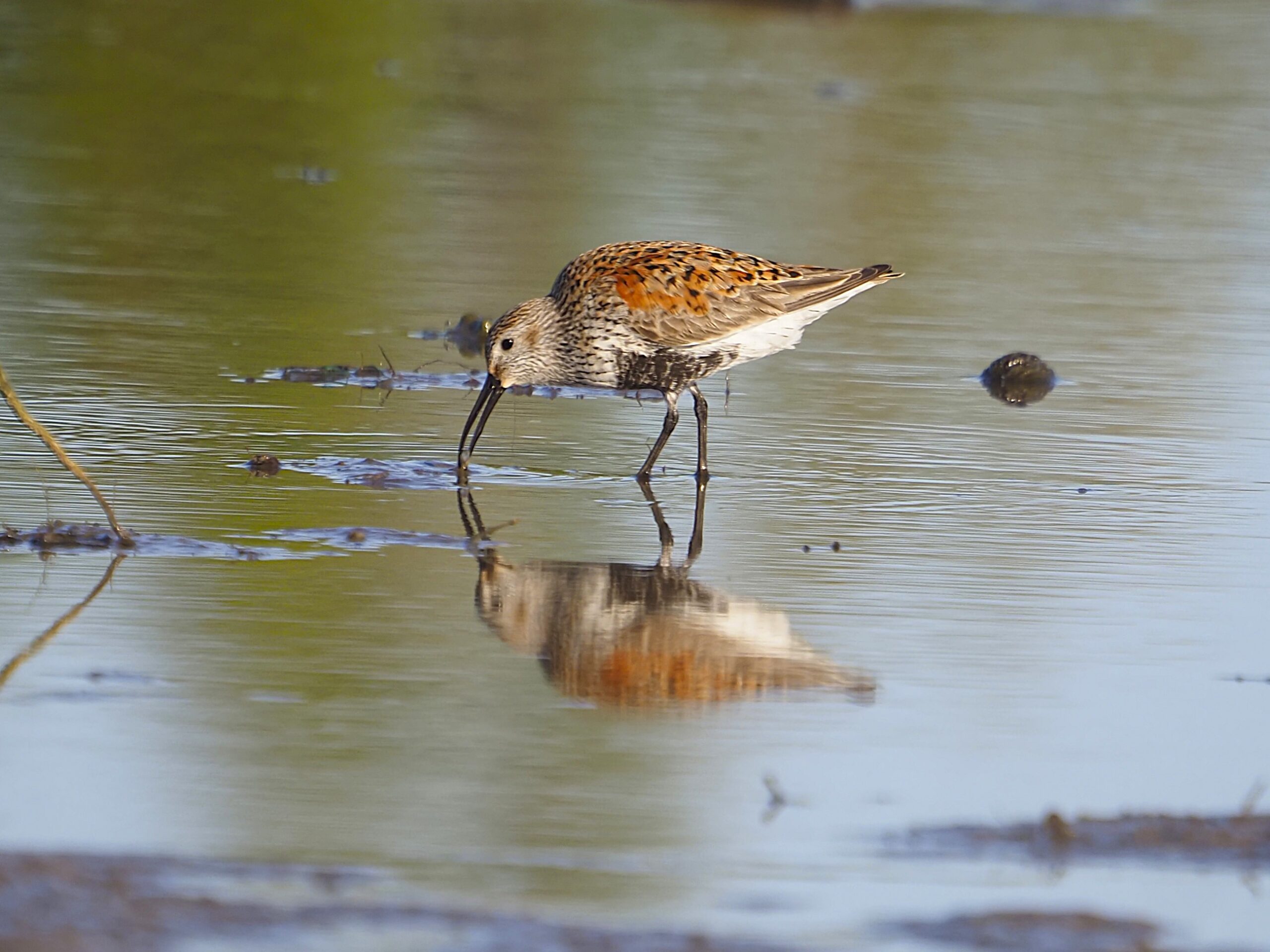
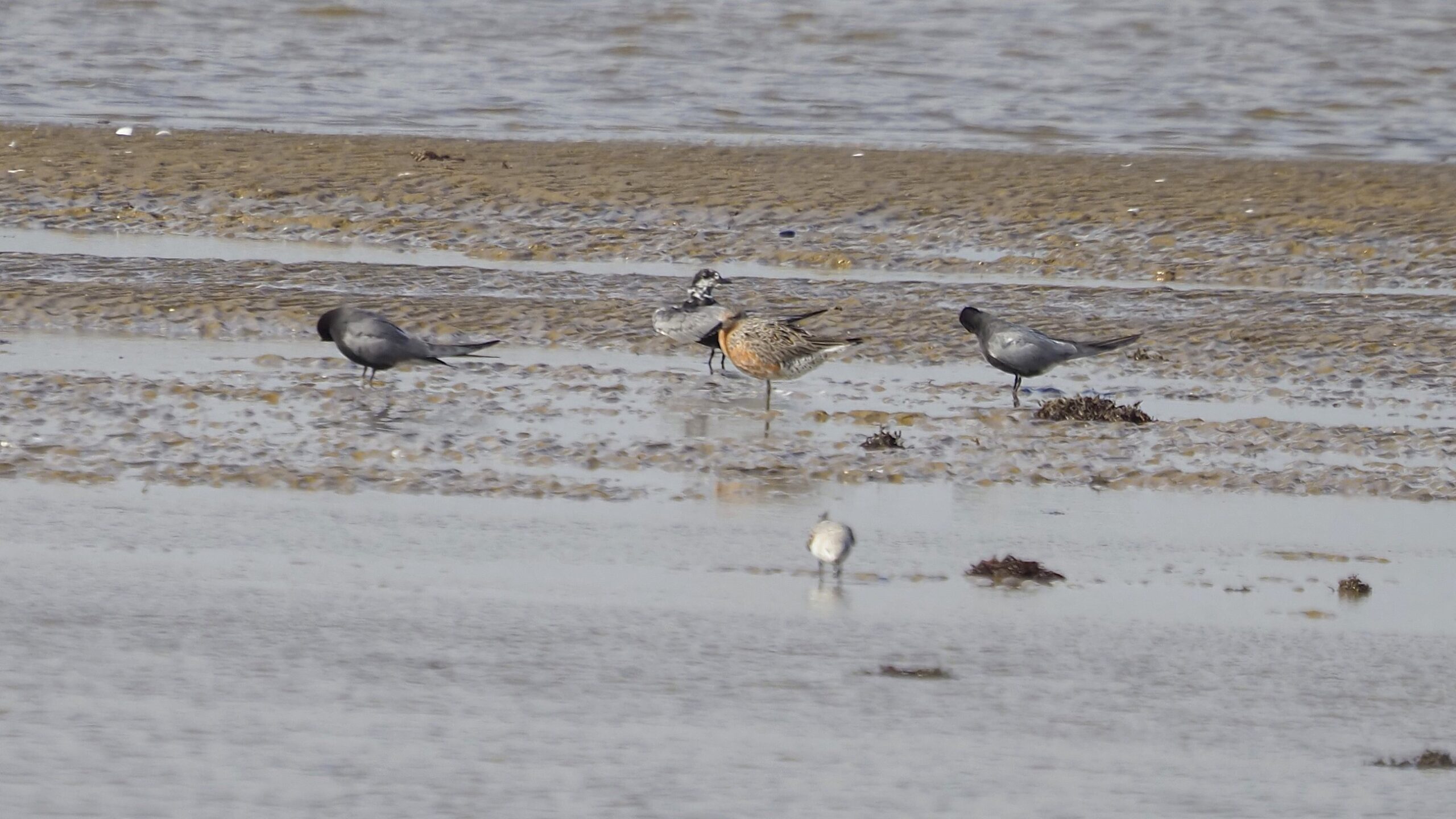
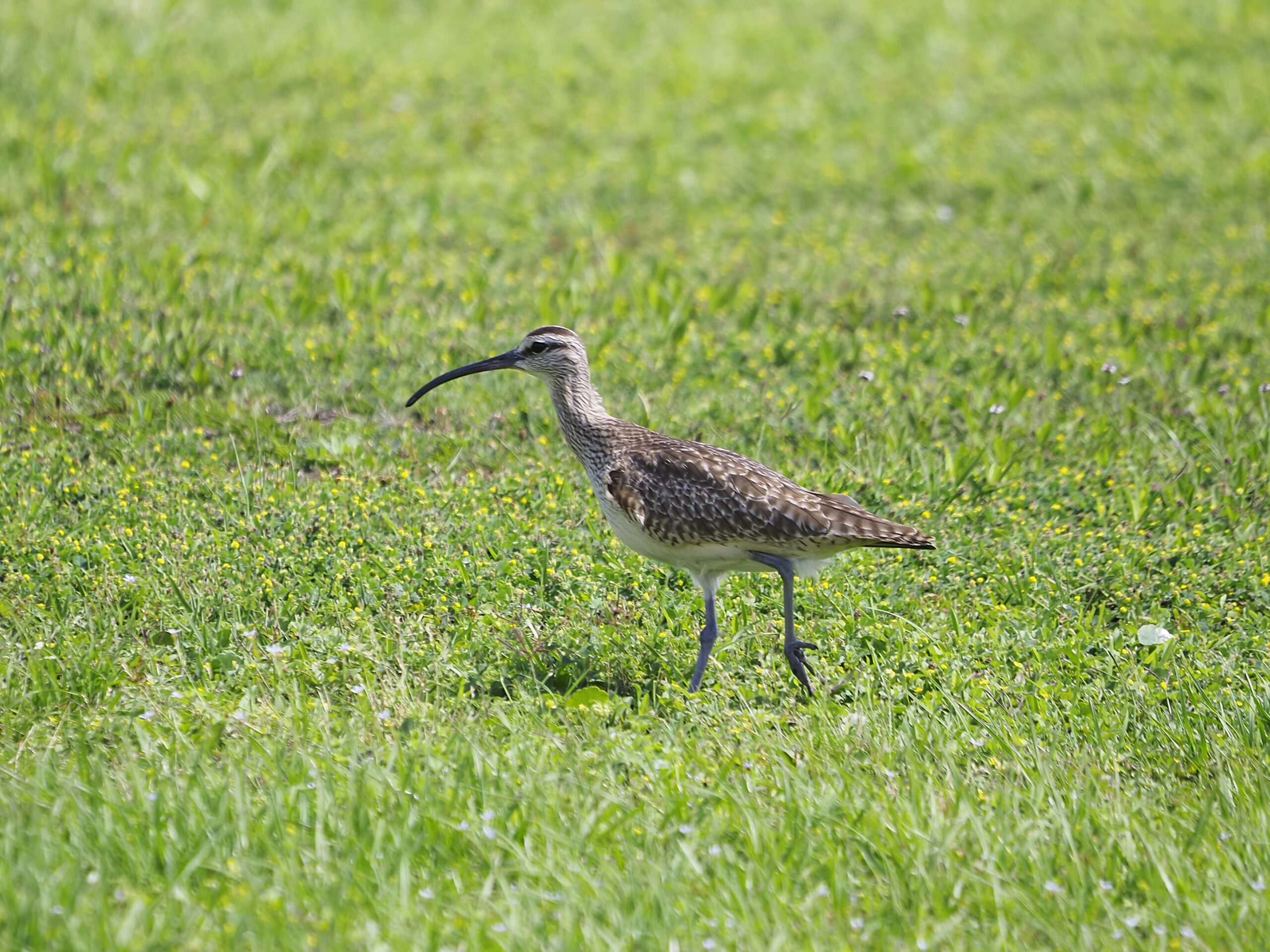
Warblers and woodland passerines are only part of the fun on this trip!! Gulls, terns and shorebirds are an even bigger draw for me!! We usually visit Anahuac NWR and Bolivar Flats at least twice each.

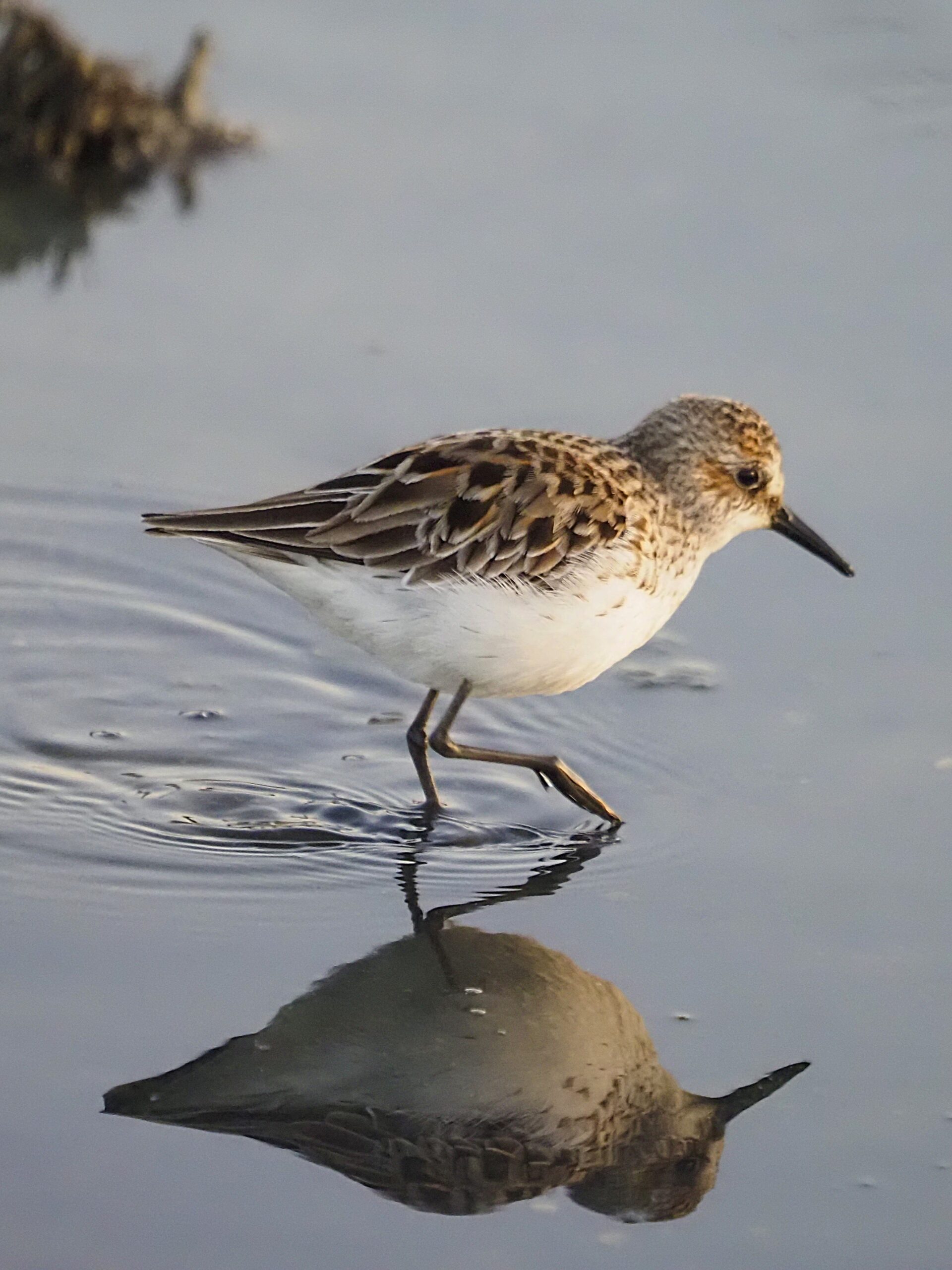
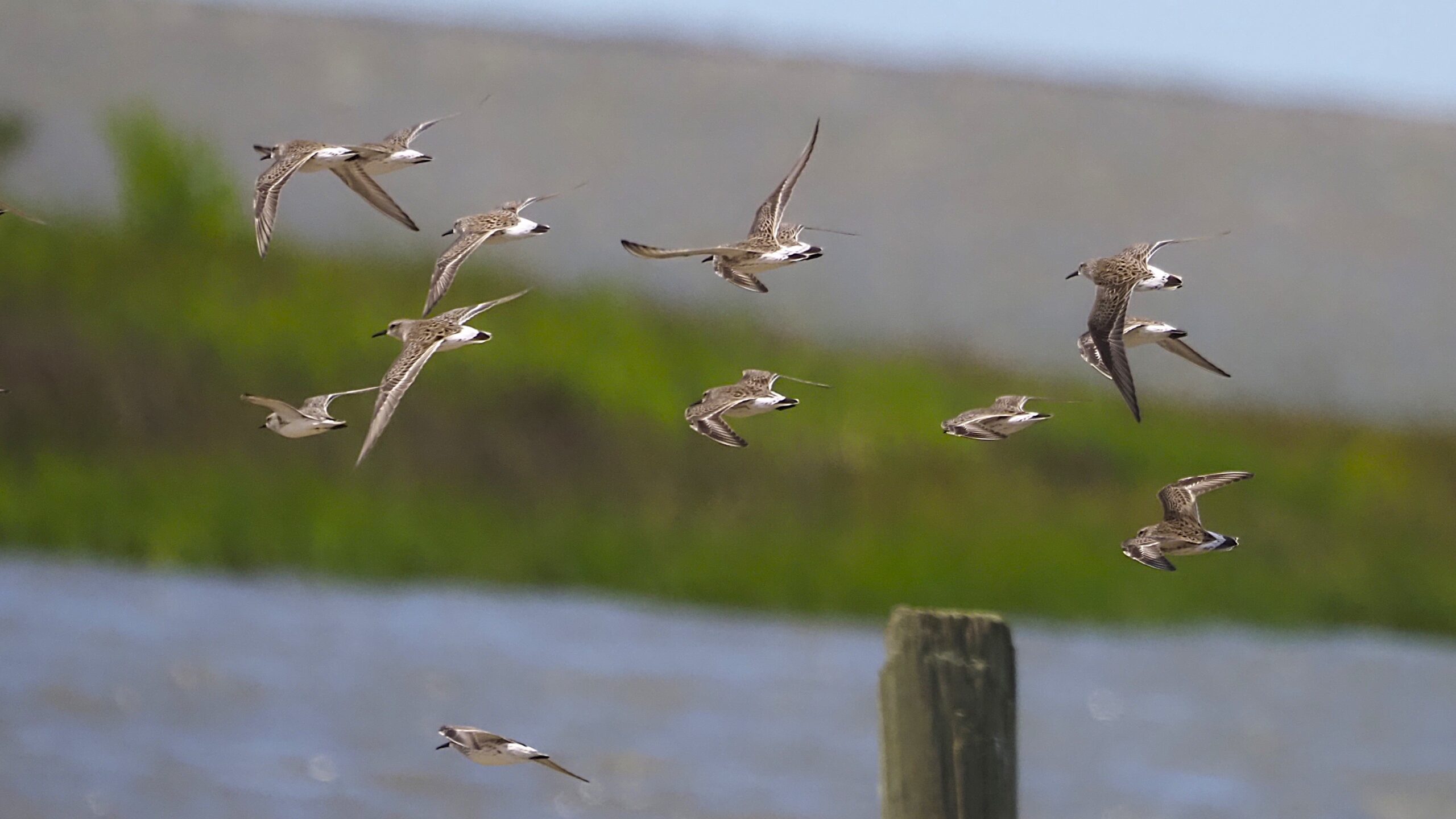

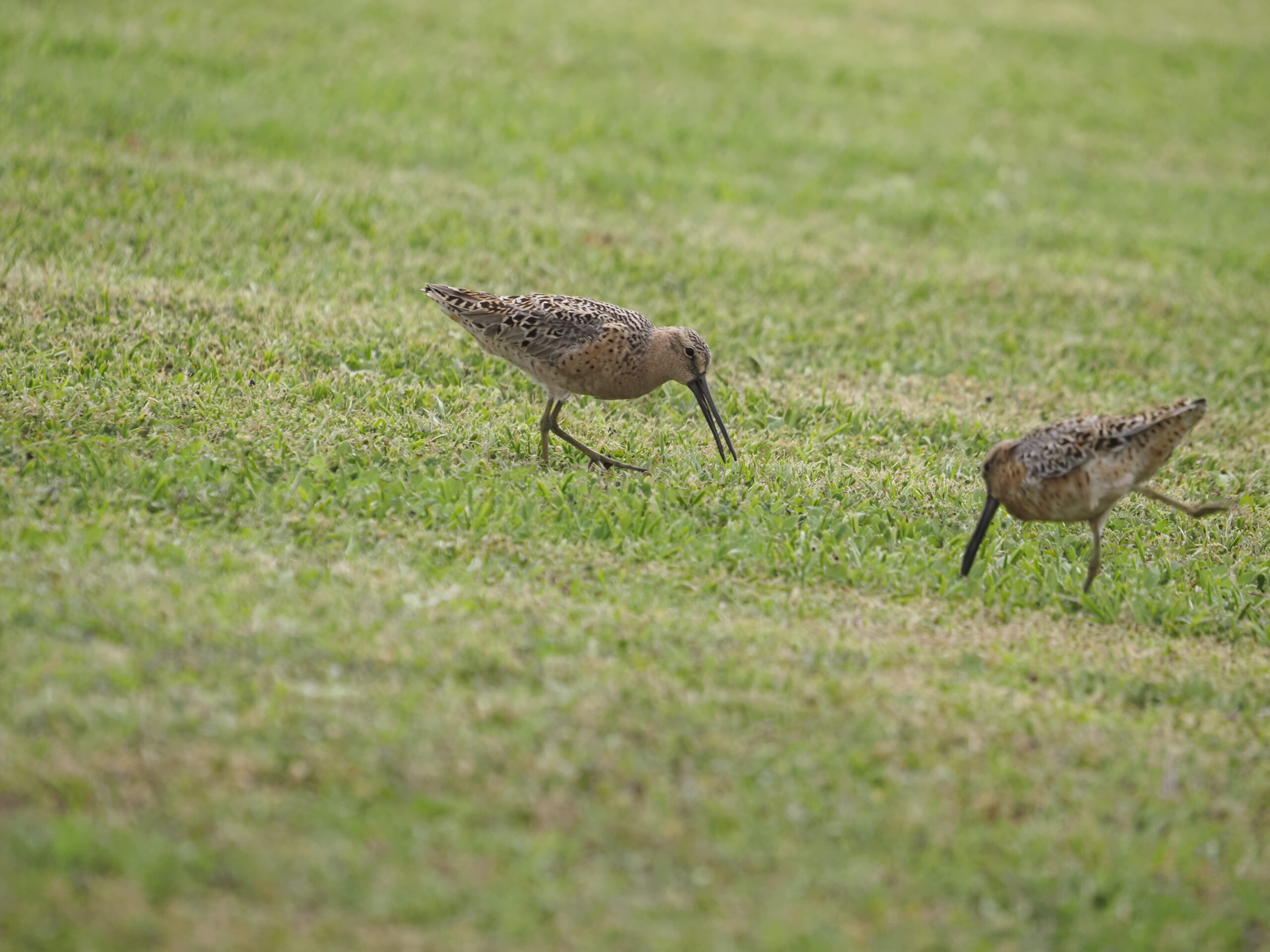
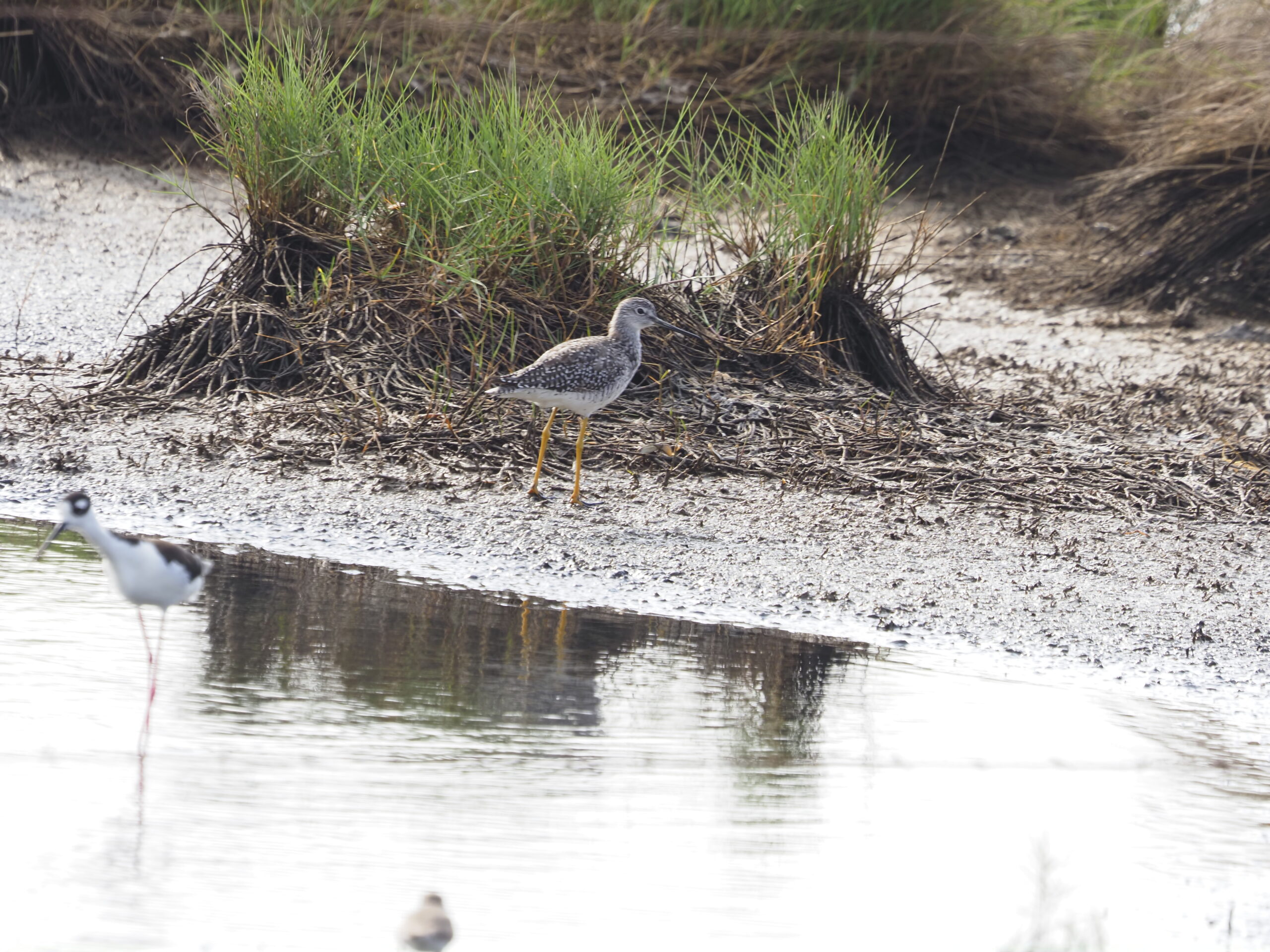

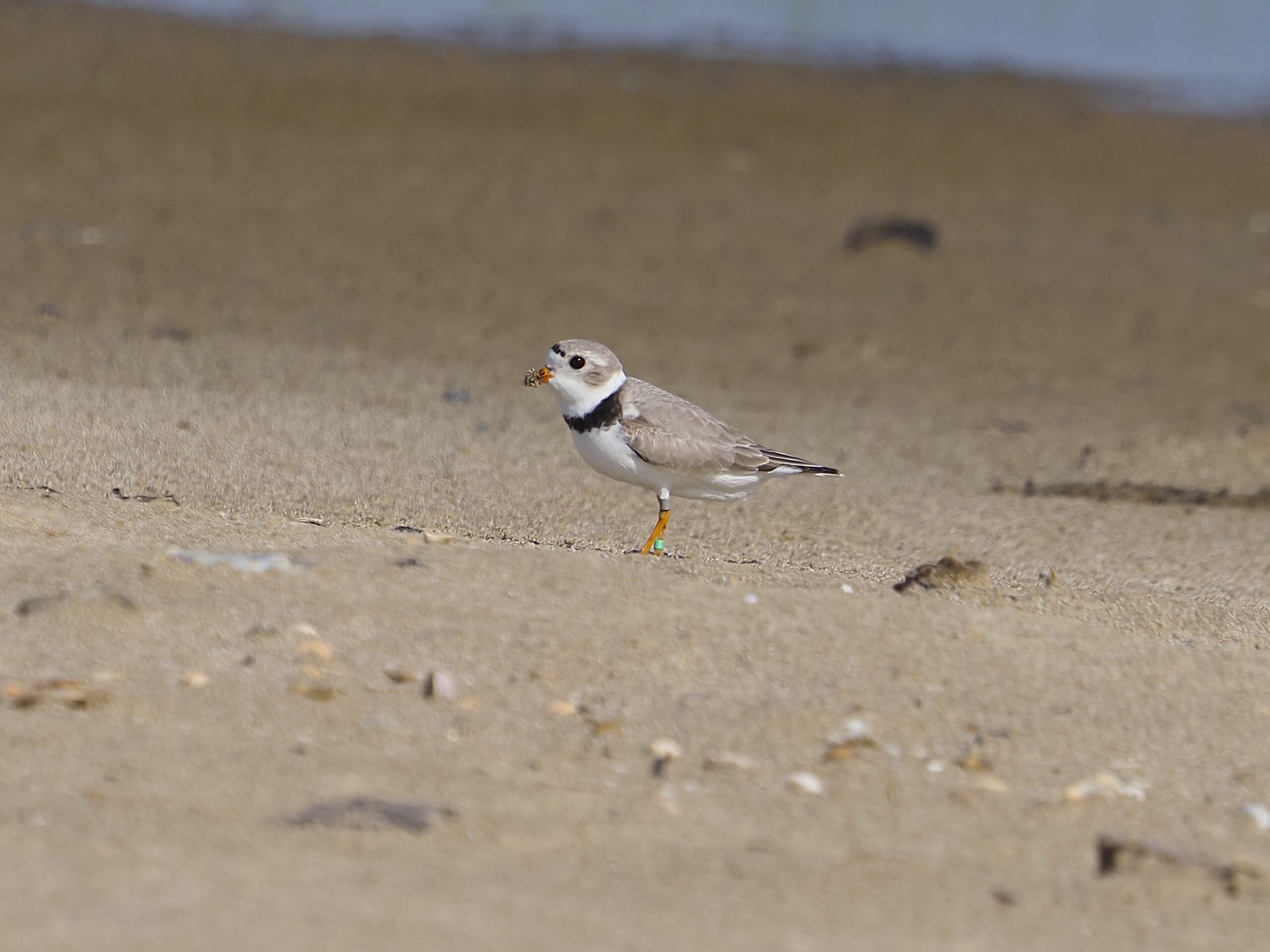
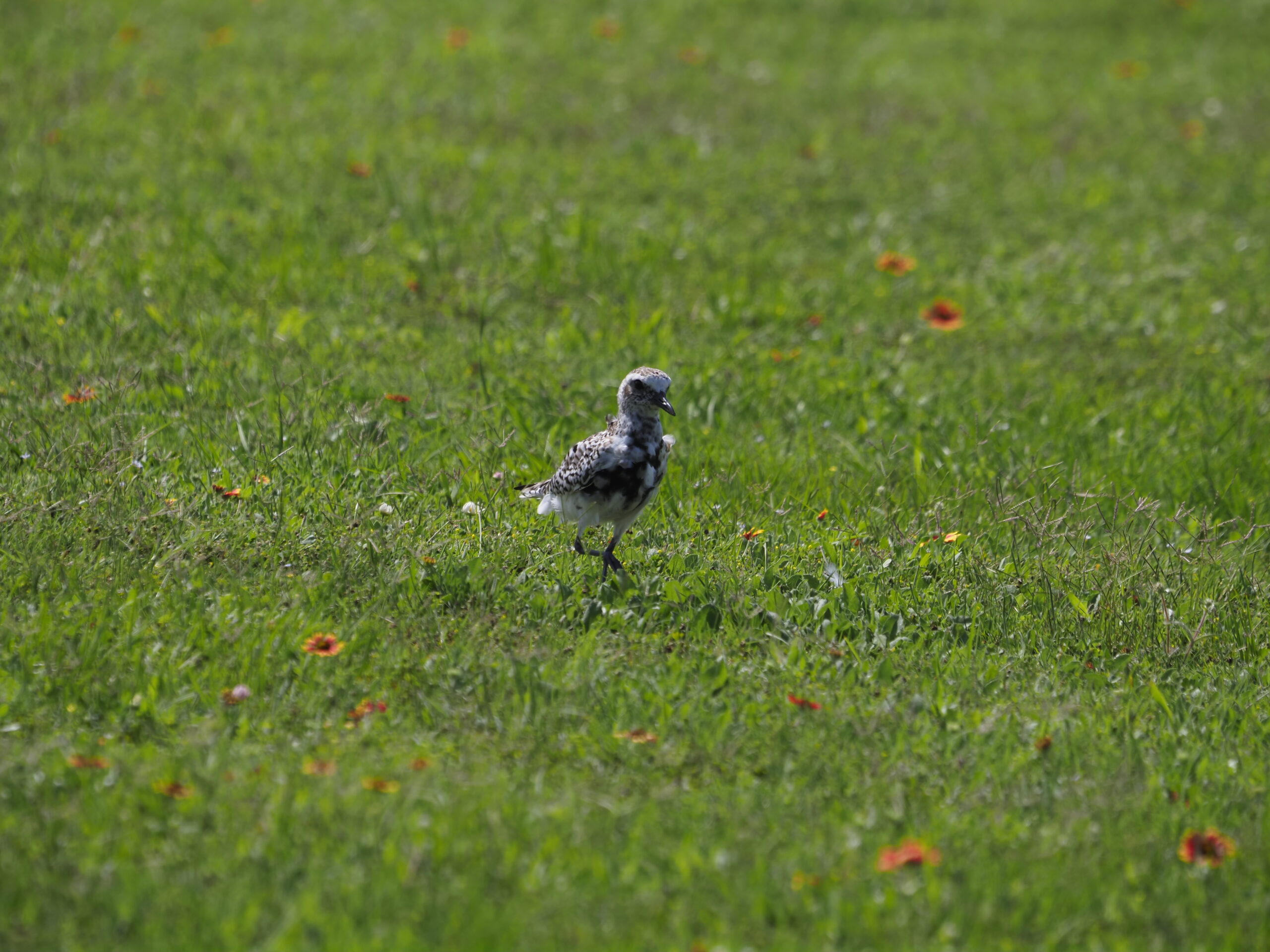
Plovers
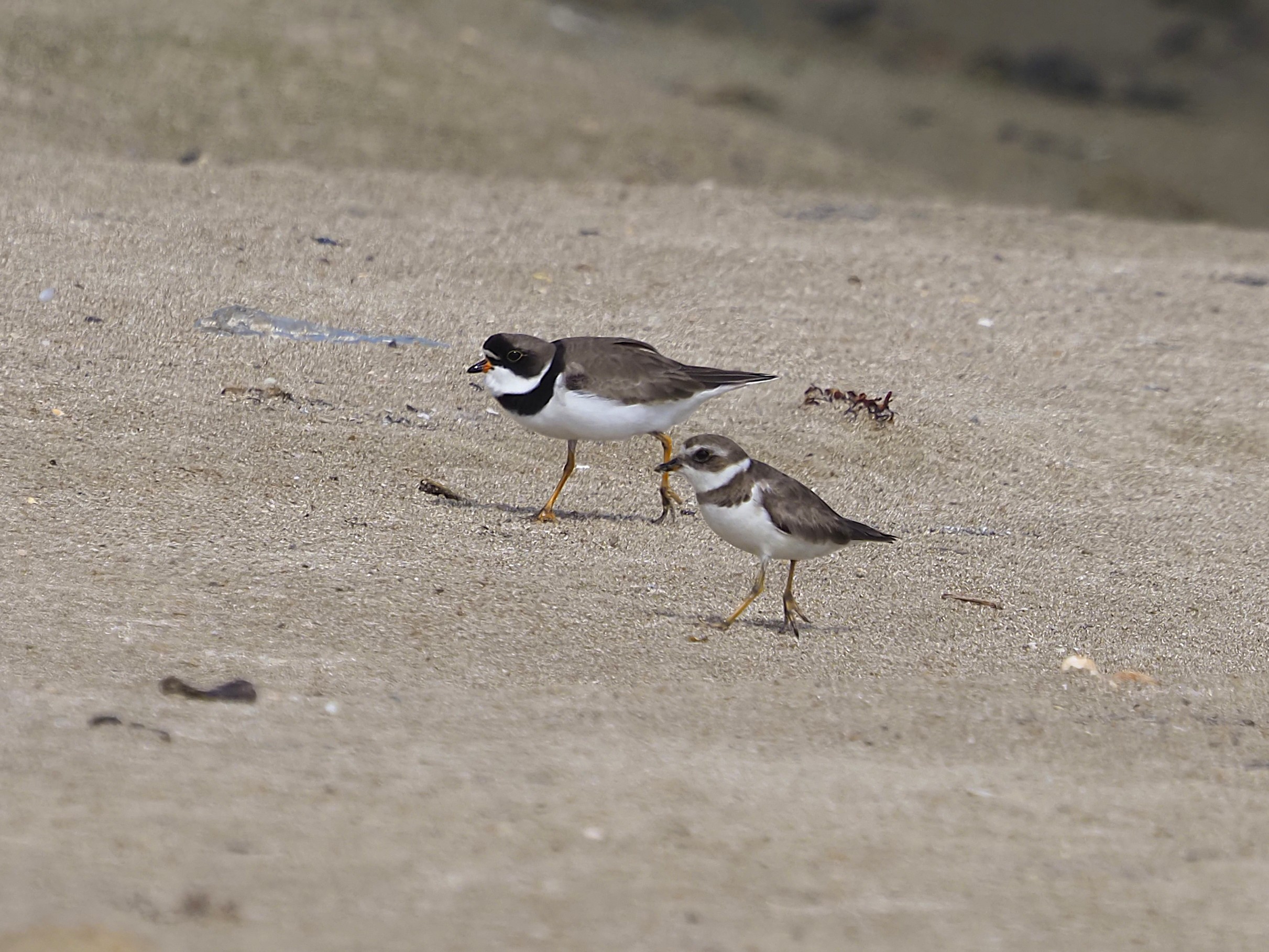
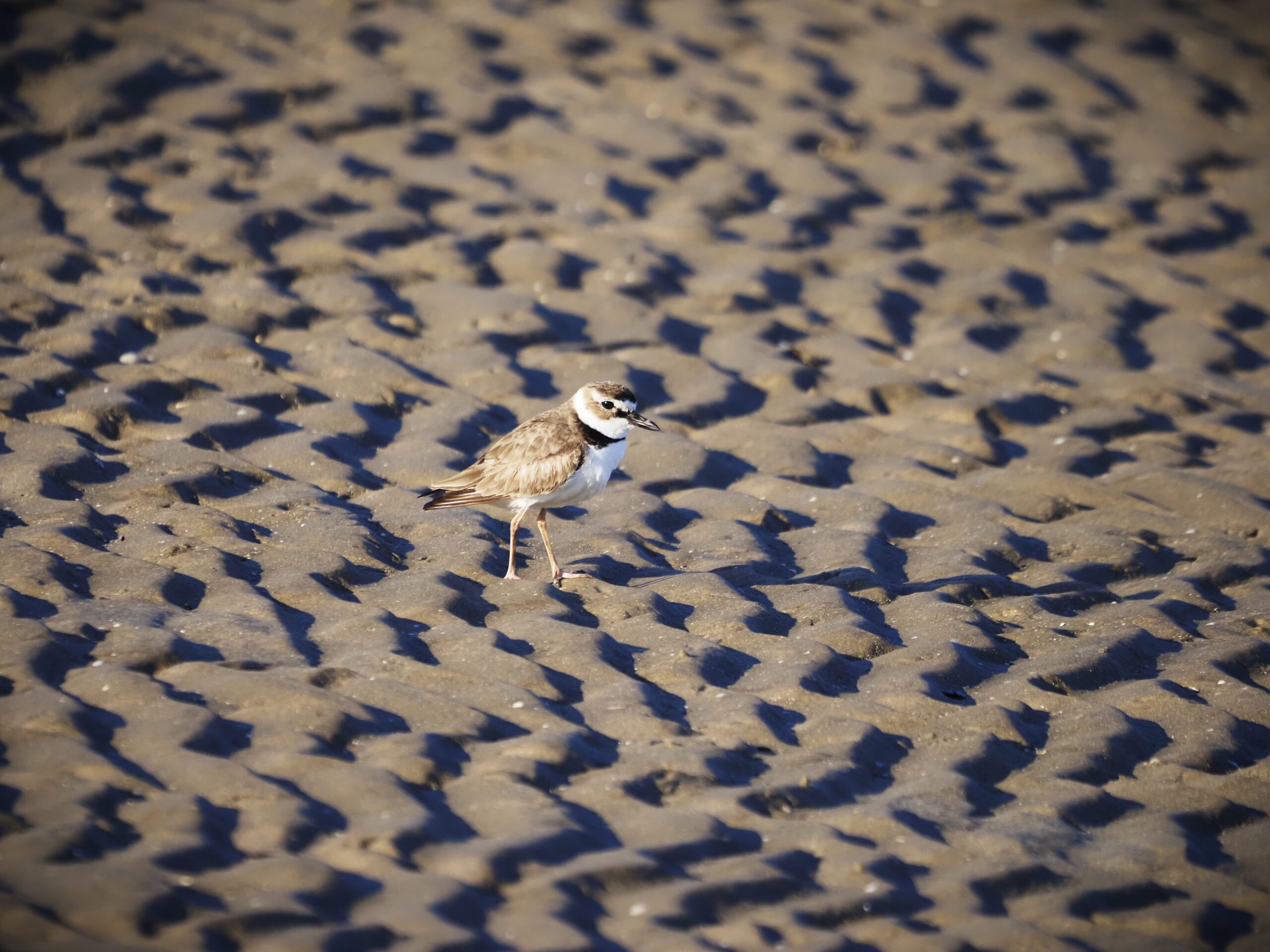
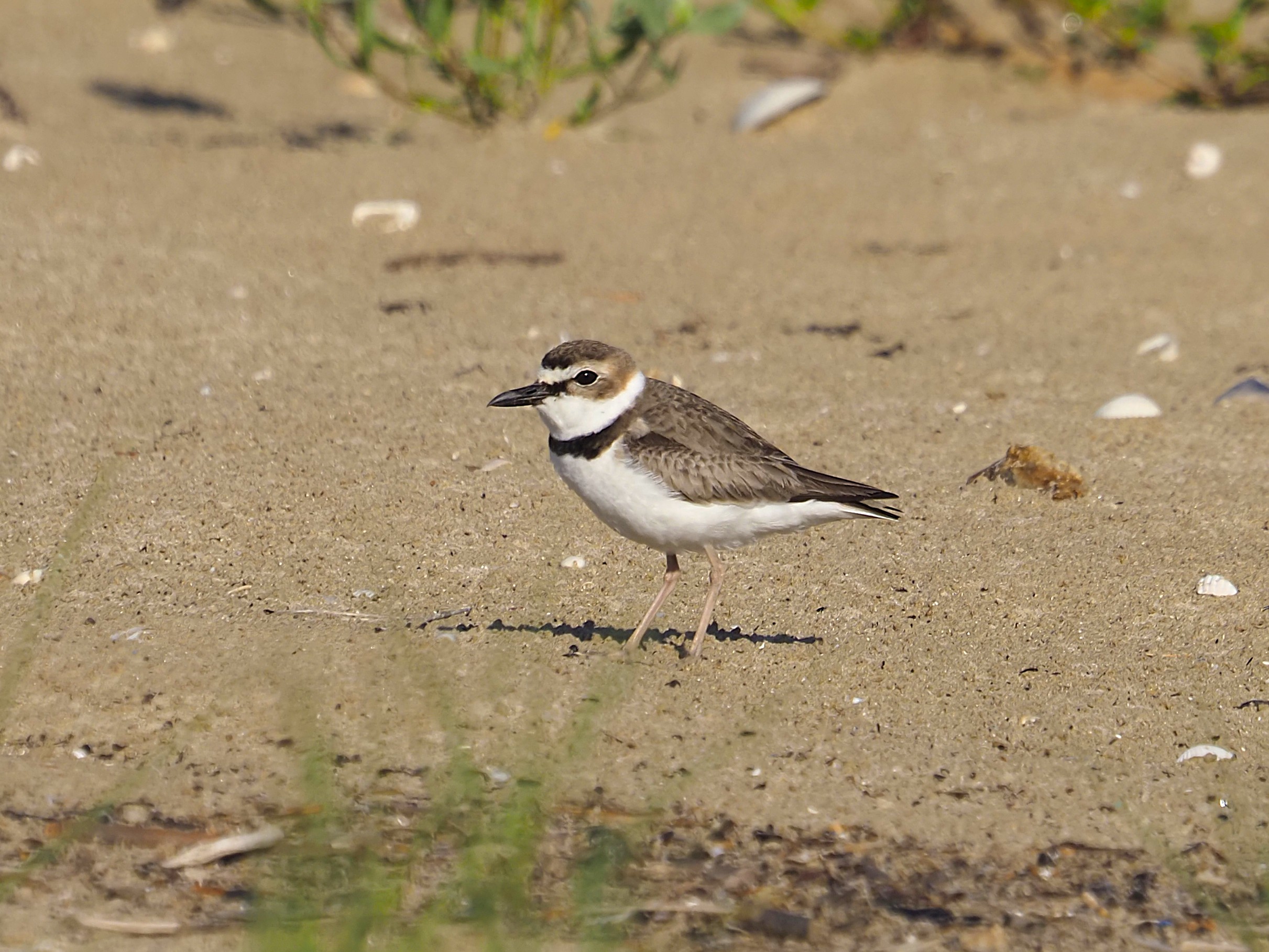
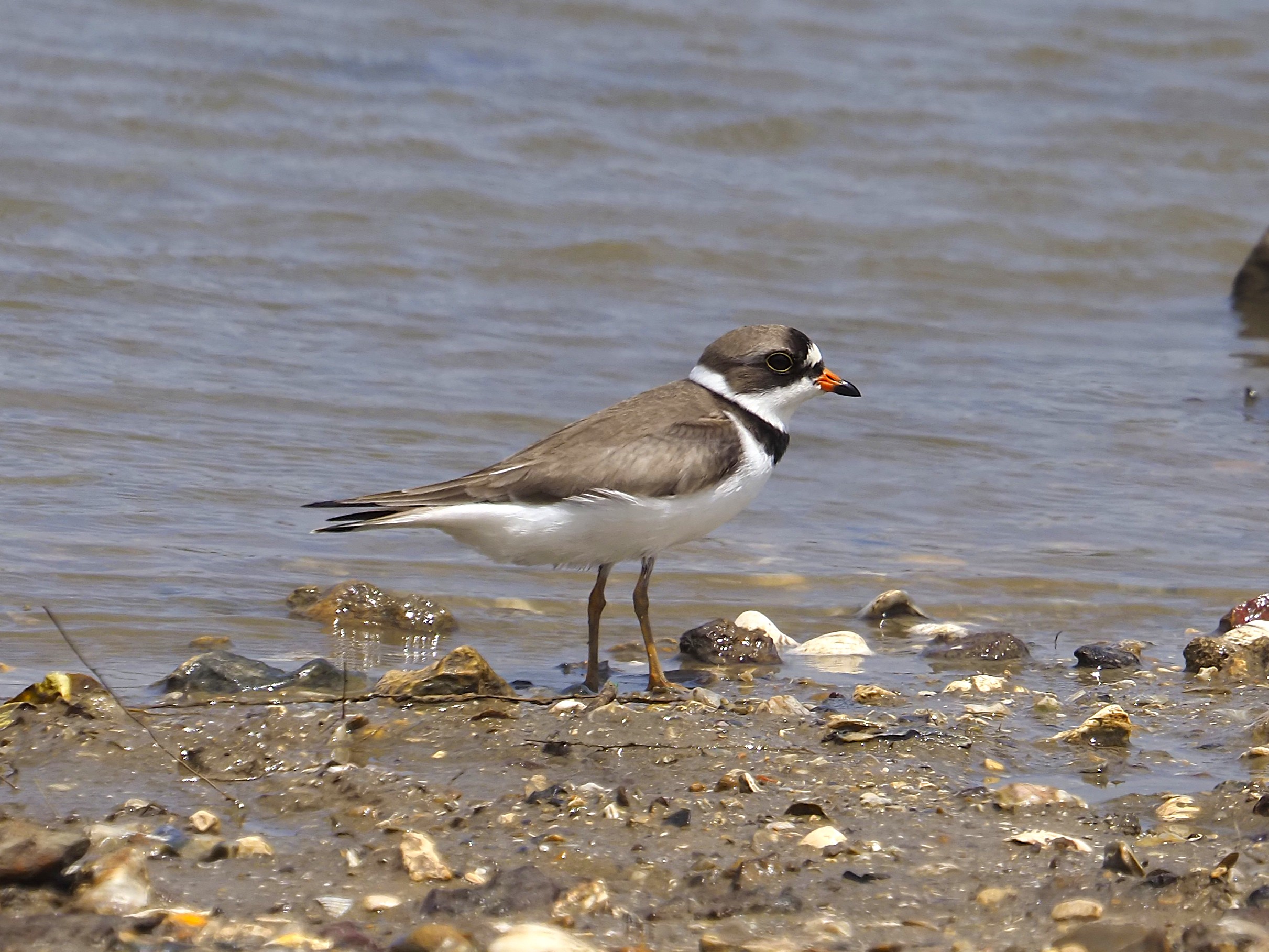
Plovers in breeding plumage are a beautiful group of birds !! I was surprised by the size difference in the male and female Semipalmated Plovers in one photo below!

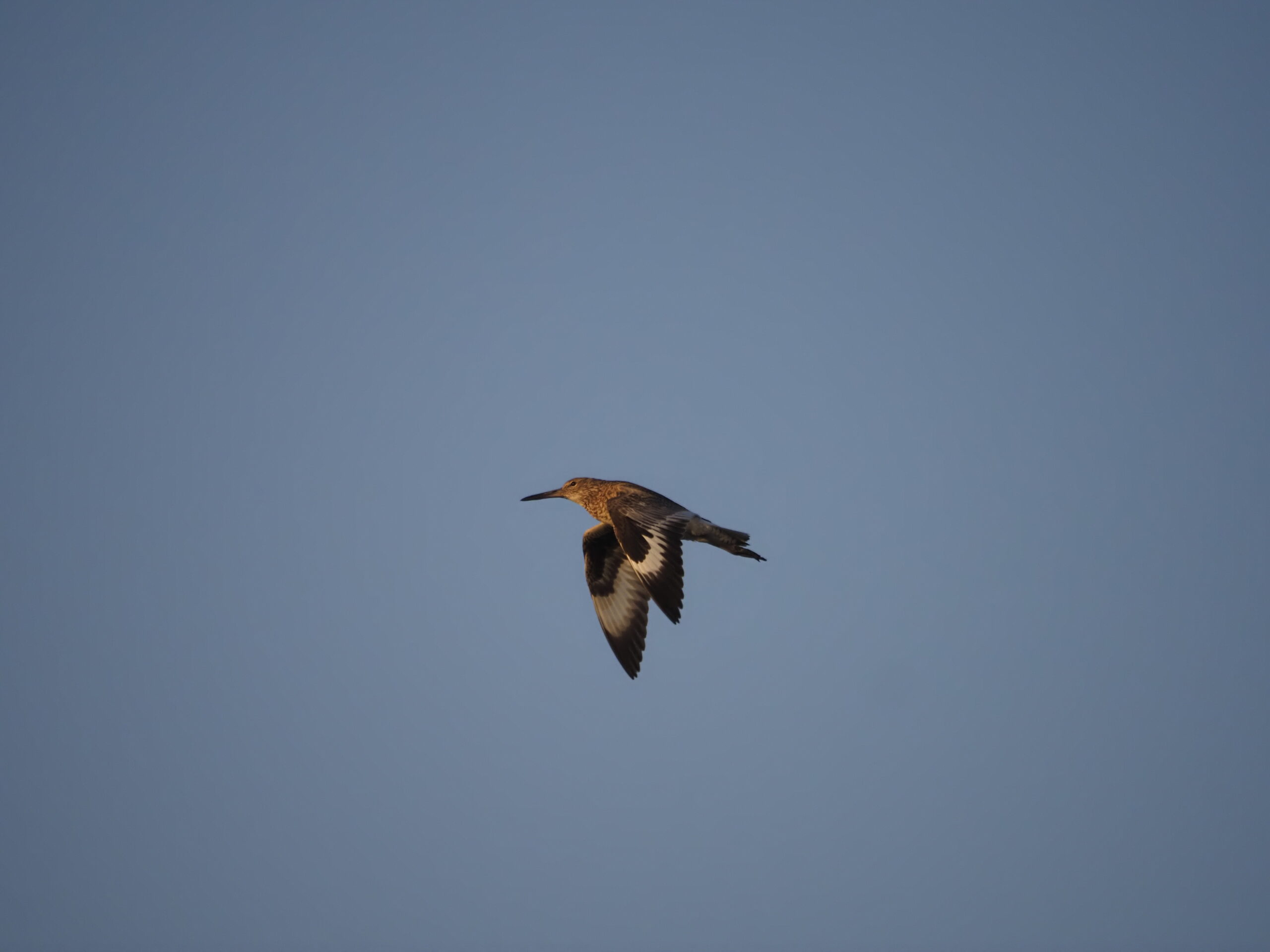
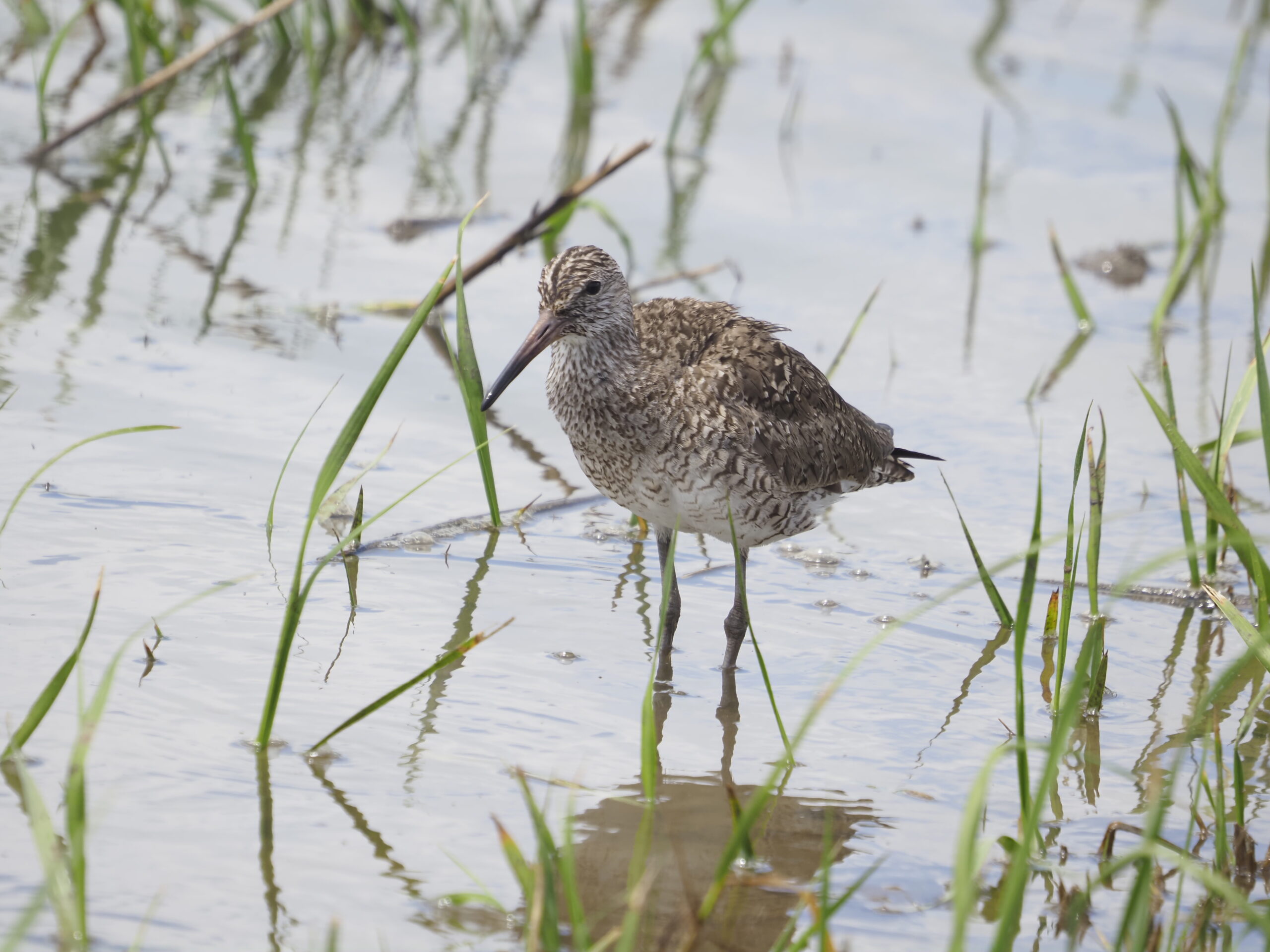
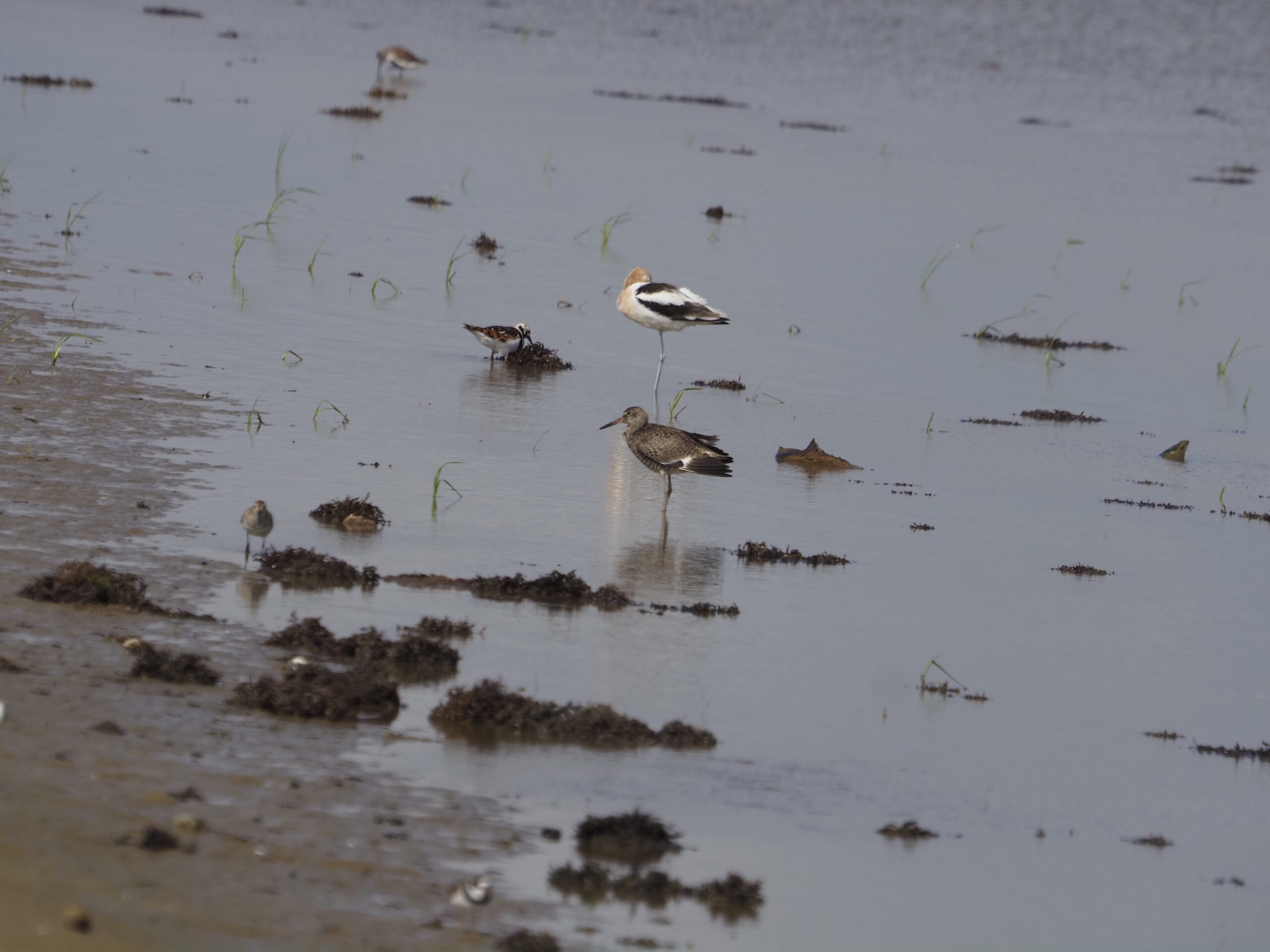
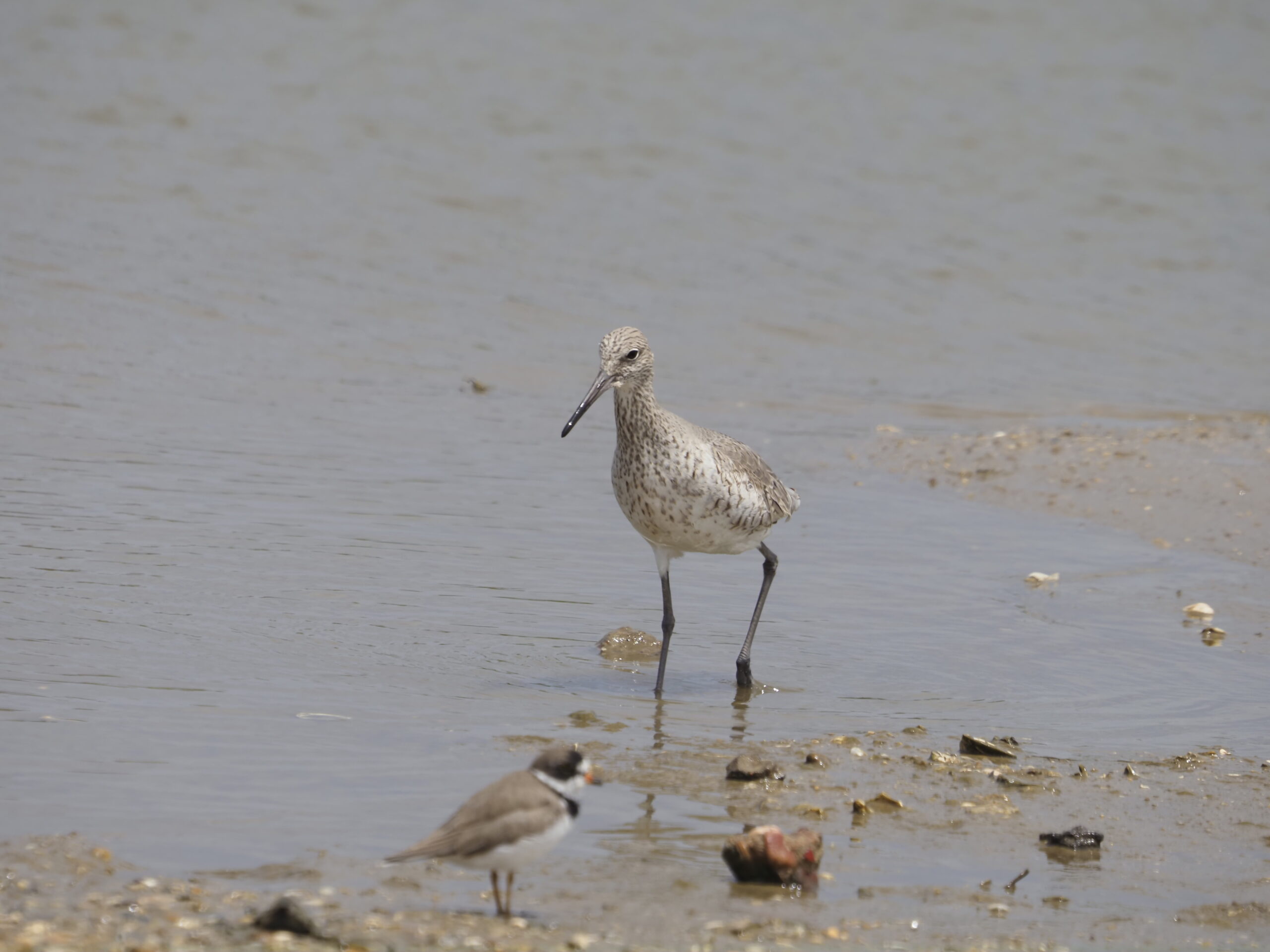
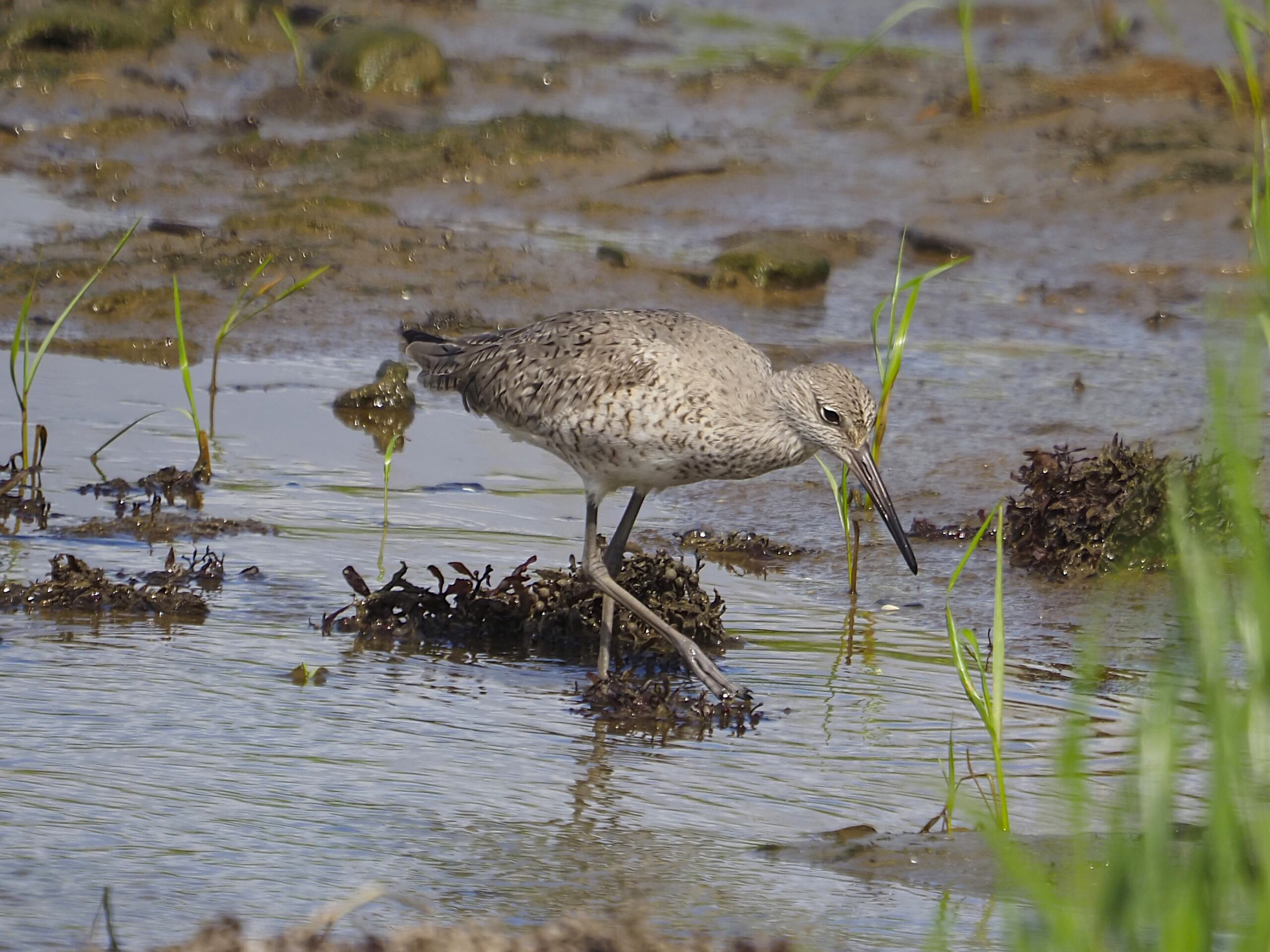
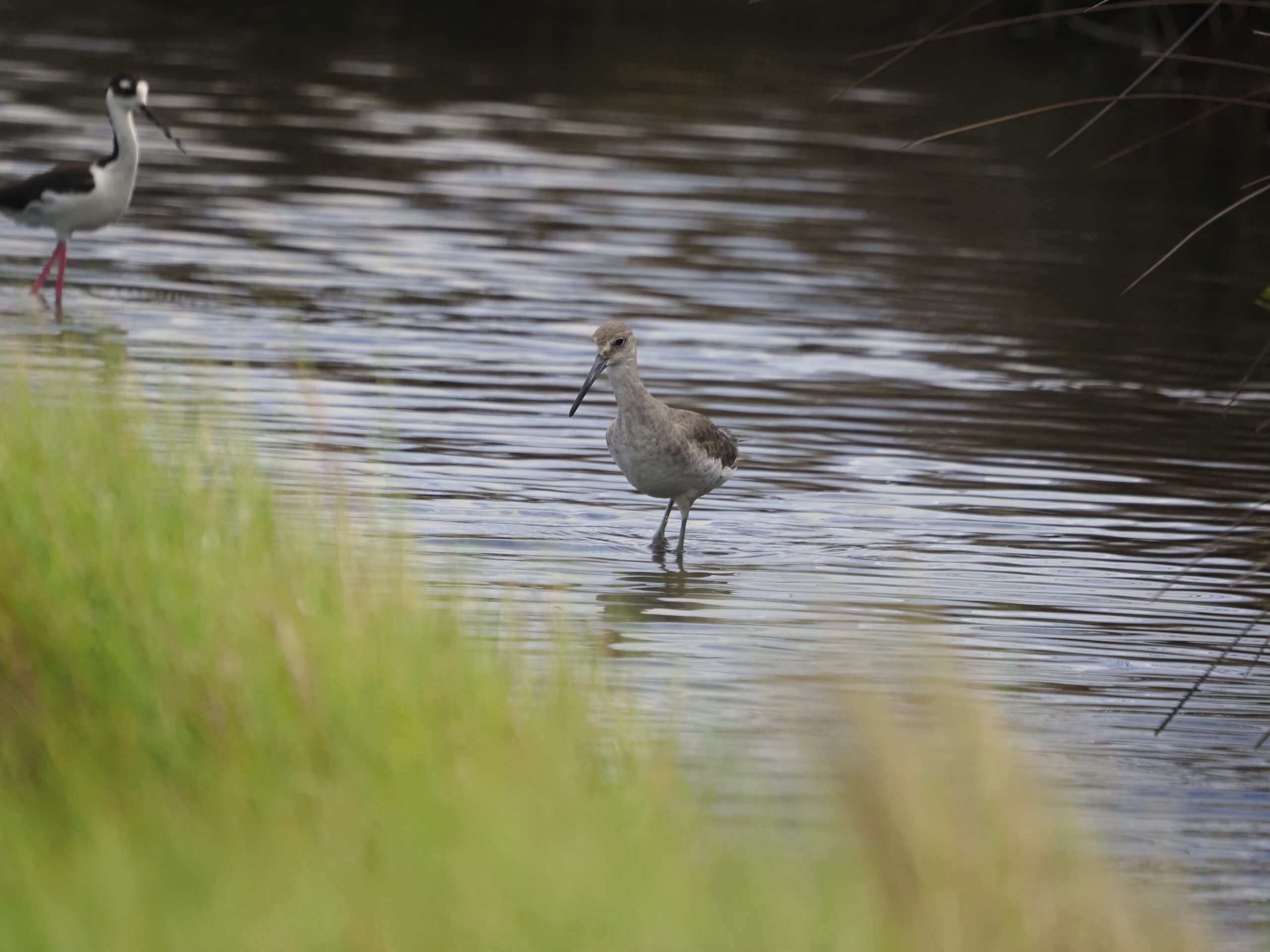
Willets (Western and Eastern Subspecies)
This year I set myself the task of trying to identify and photograph Eastern and Western subspecies of the Willet. I’m hopeful that the powers-that-be may separate these 2 subspecies into full species status in the future — that way there’s more shorebirds !!
At this time of year many Eastern Willets have recently returned from their wintering grounds in the Caribbean and South America (some also winter in Texas) and are preparing to breed on the Texas and East Coasts. The Western Willet winters on both coasts of North America including the Gulf Coast, and breeds in the interior of the US and Canada. (Map from Birds of the World website)

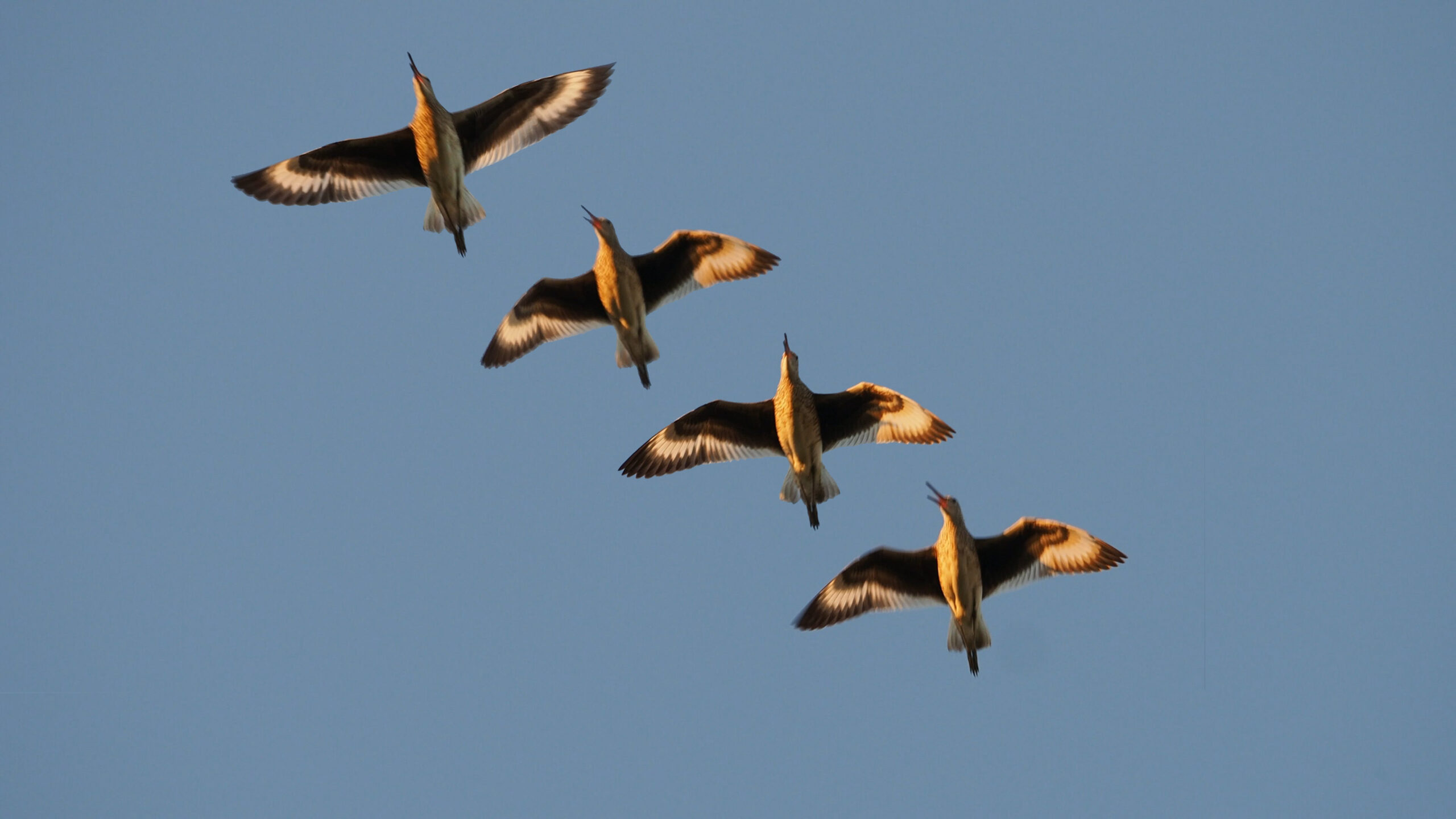
Eastern Willet
Eastern Willets are smaller and more richly patterned. They also have a wider and blunter-tipped bill.

The Eastern Willet is most easily identified when it helicopters-up overhead while making a loud racket (as in this composite photo and short video).
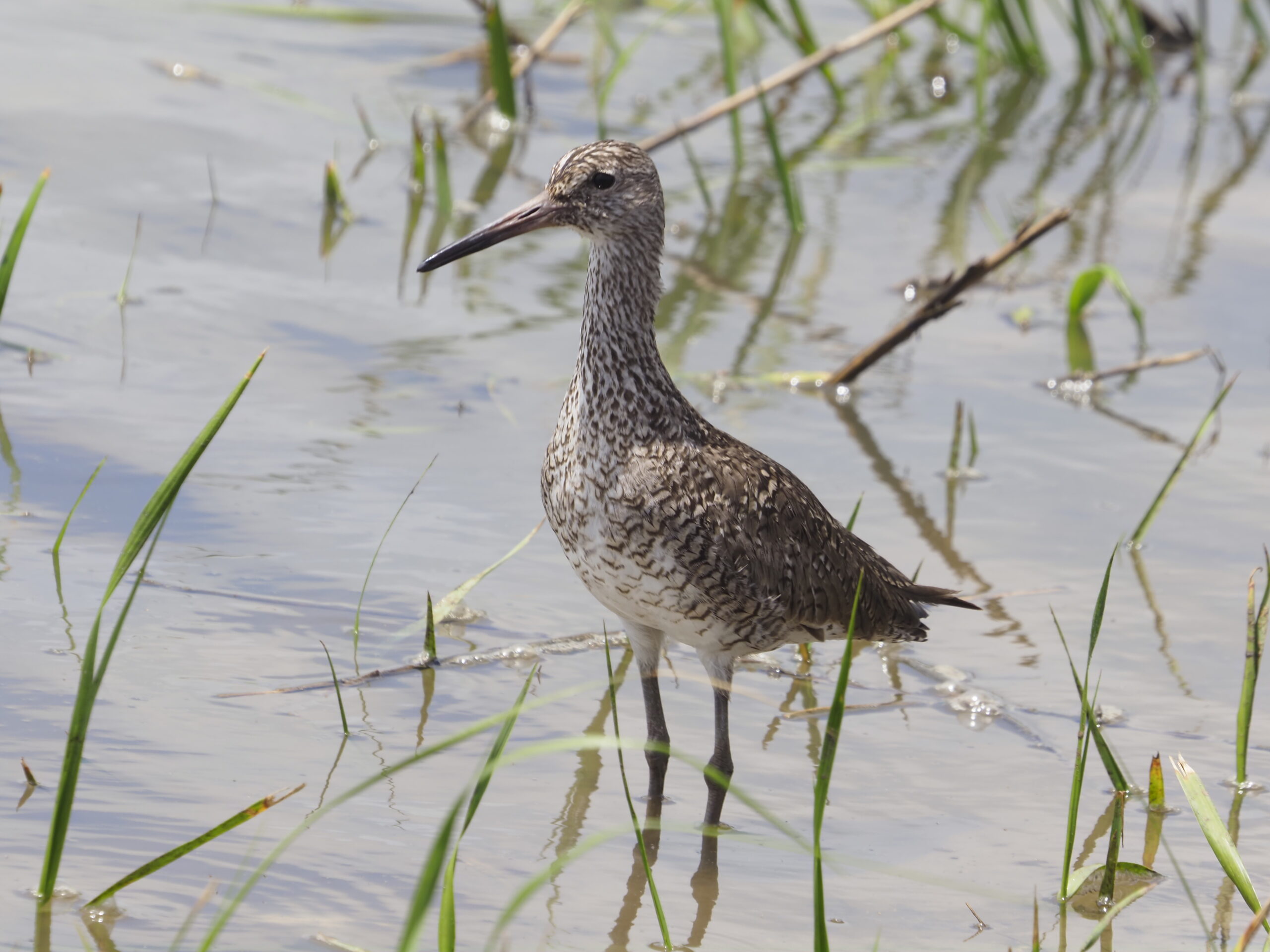
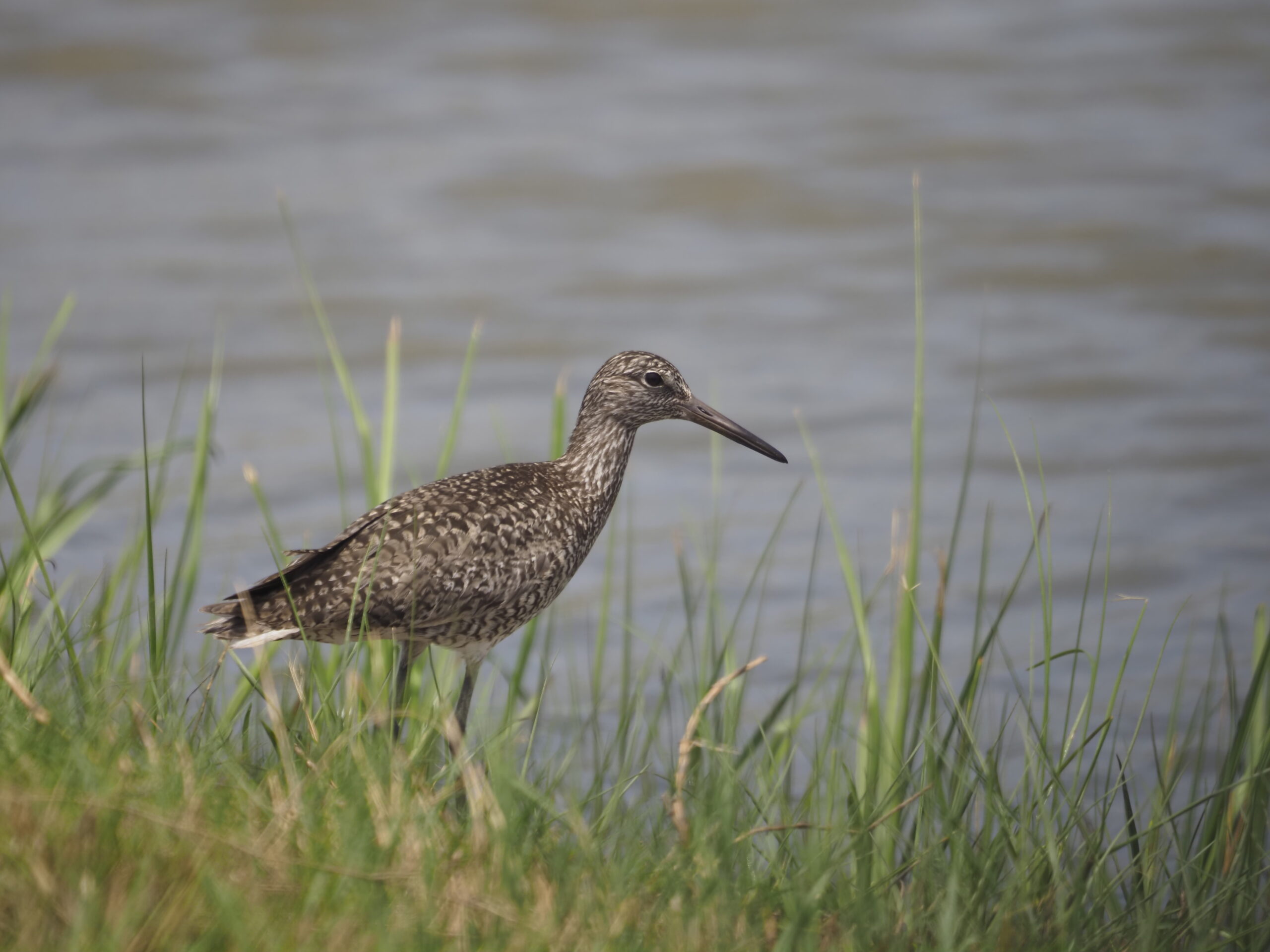
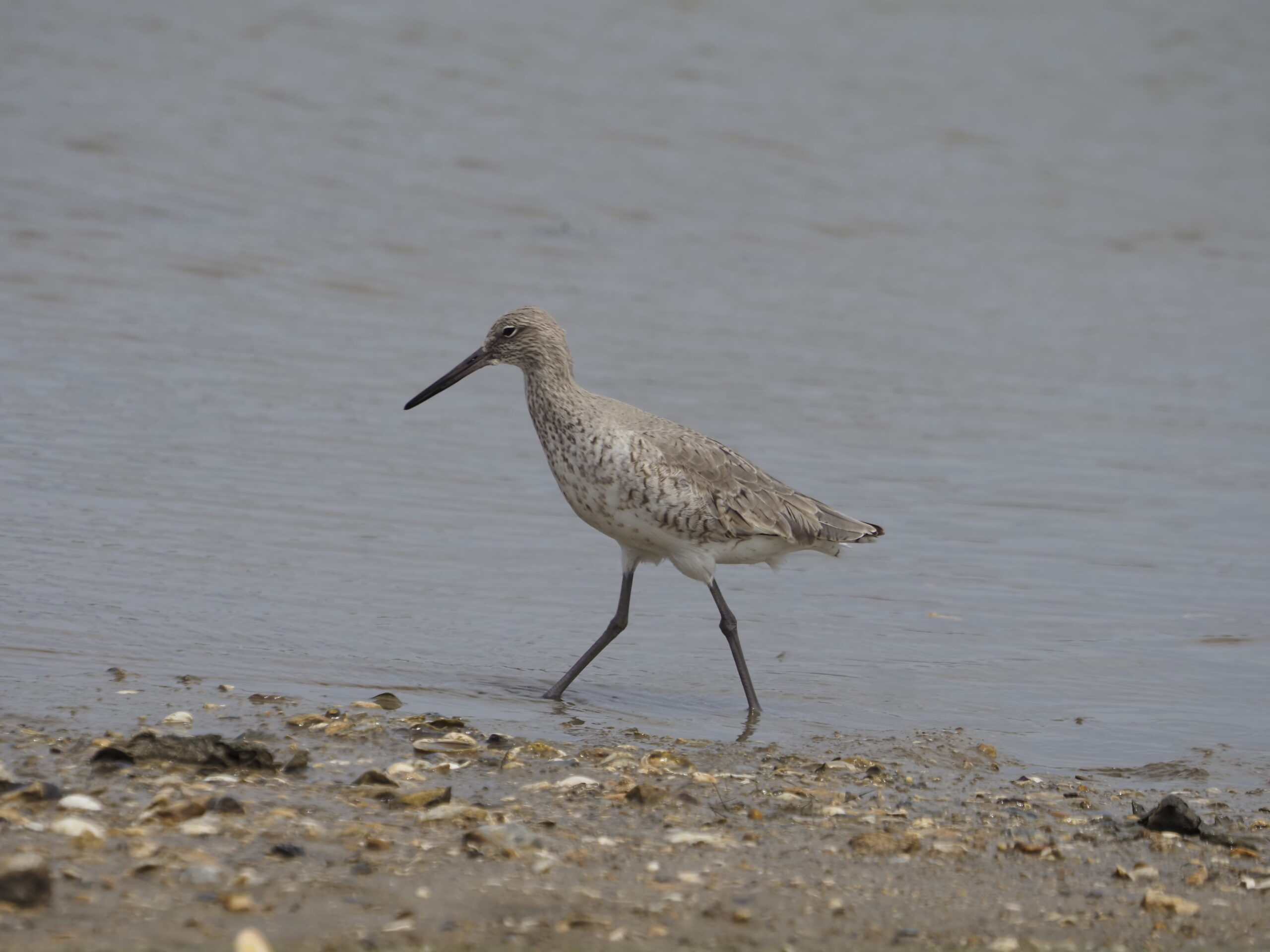
Western Willet
The Western Willet is a larger bird, is less richly patterned (more white) and has a longer and very slightly slimmer bill. Many of the Western Willets are still in winter (basic) plumage in April on the Texas Coast, though some are getting into breeding (alternate) plumage.

East Texas
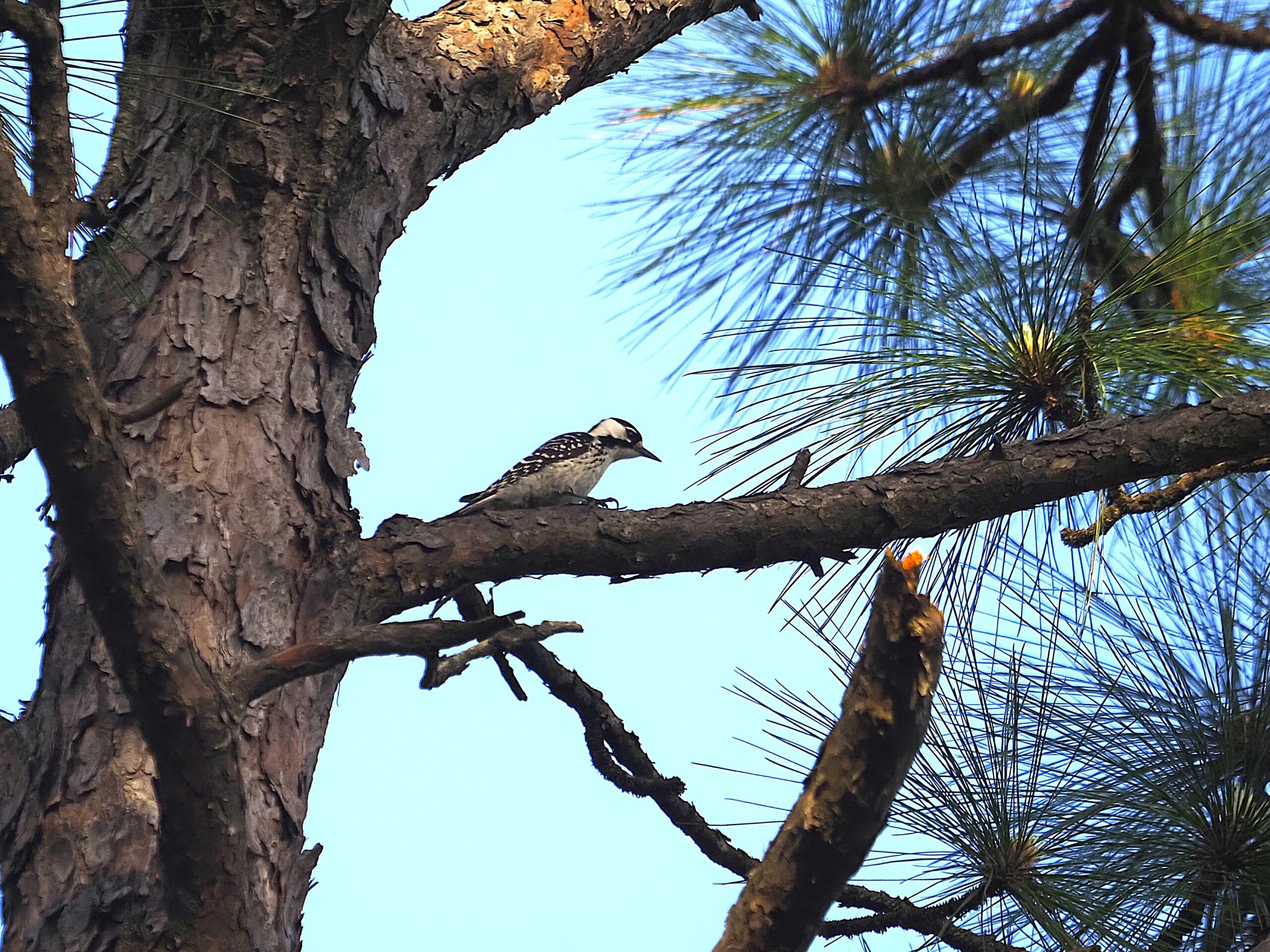
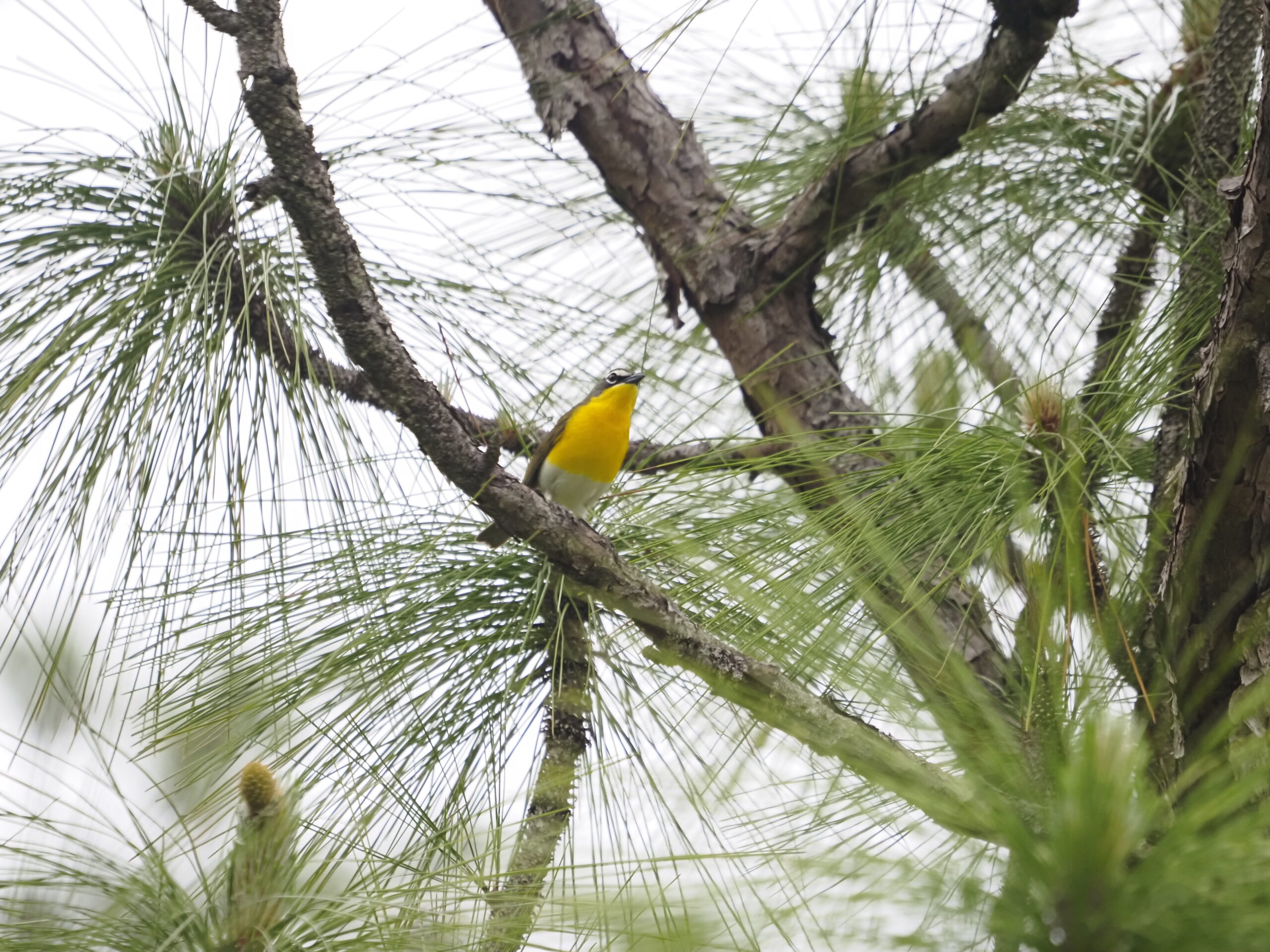
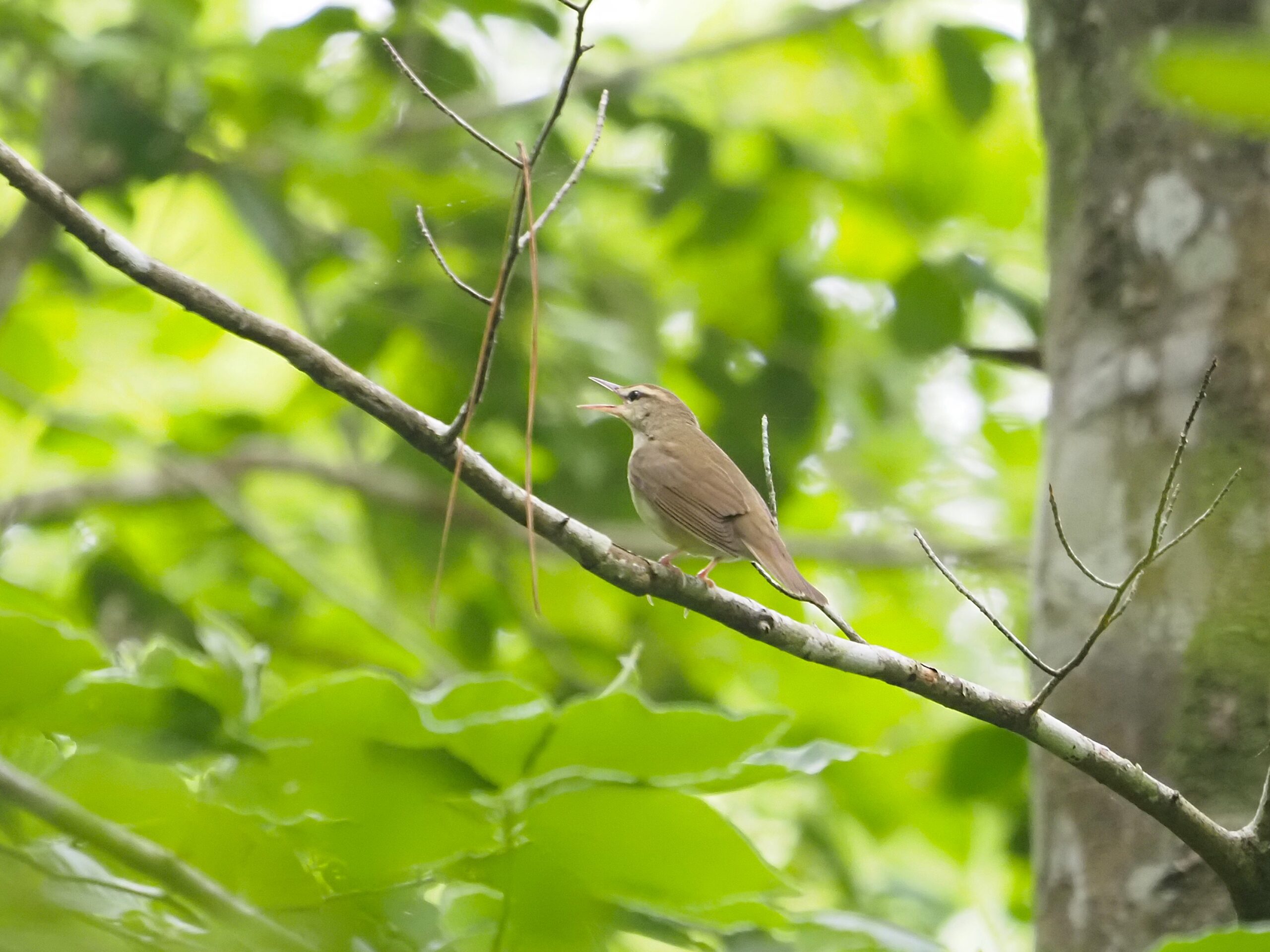
Our usual routine includes 1 night in Jasper, Texas (the heart of the pine curtain). There we look for the breeding warblers of Texas including the Swainson’s, Hooded and others. Also good to hear singing Wood Thrush and Acadian Flycatchers and to regularly find Red-cockaded Woodpecker, Brown Nuthatch and Yellow-breasted Chat (still an honorary warbler in our informal count). Regretfully, since snow-magedden we have been unable to find (see or even hear) the Bachman’s Sparrow.
Sparrows and Rail
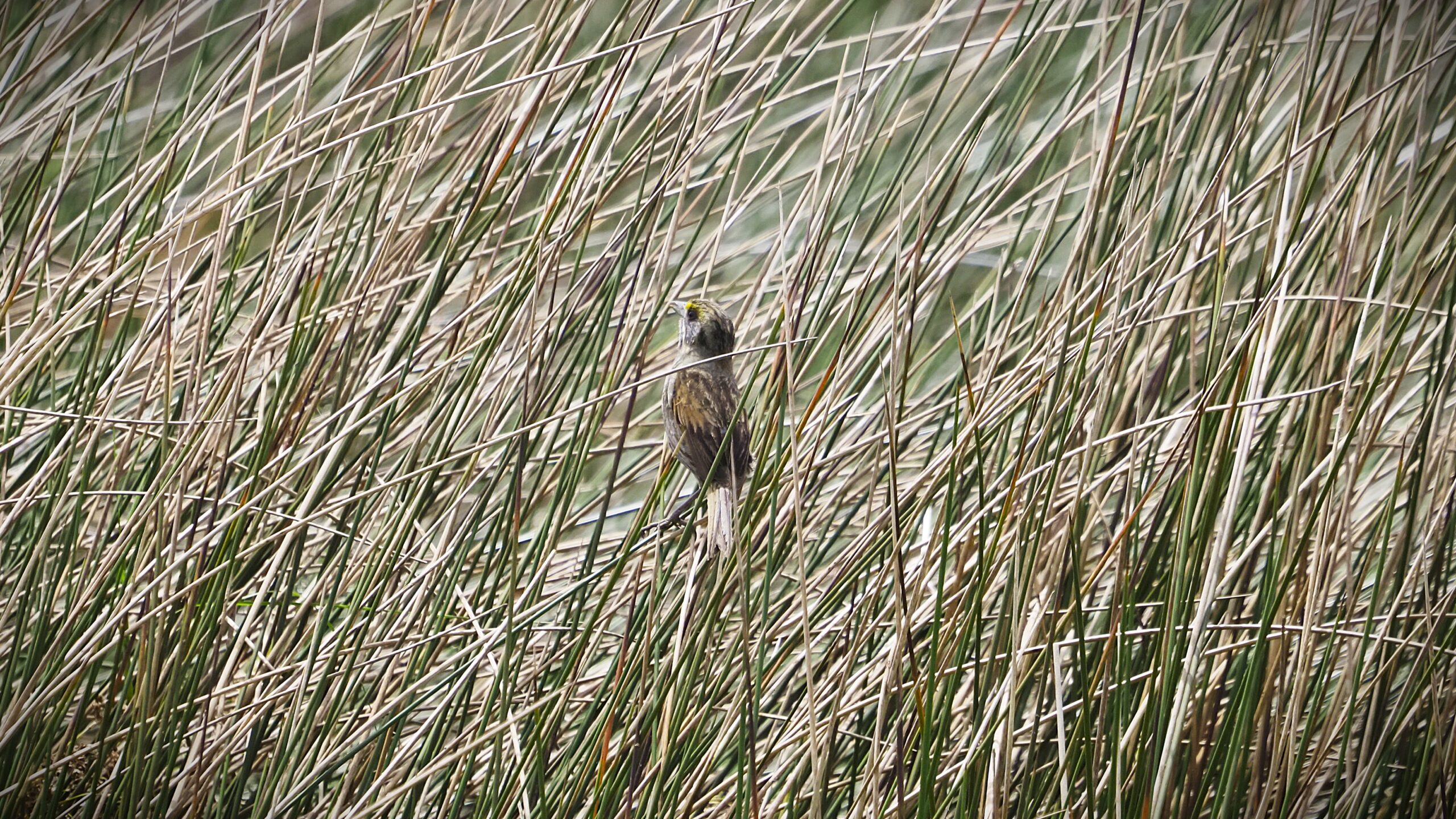
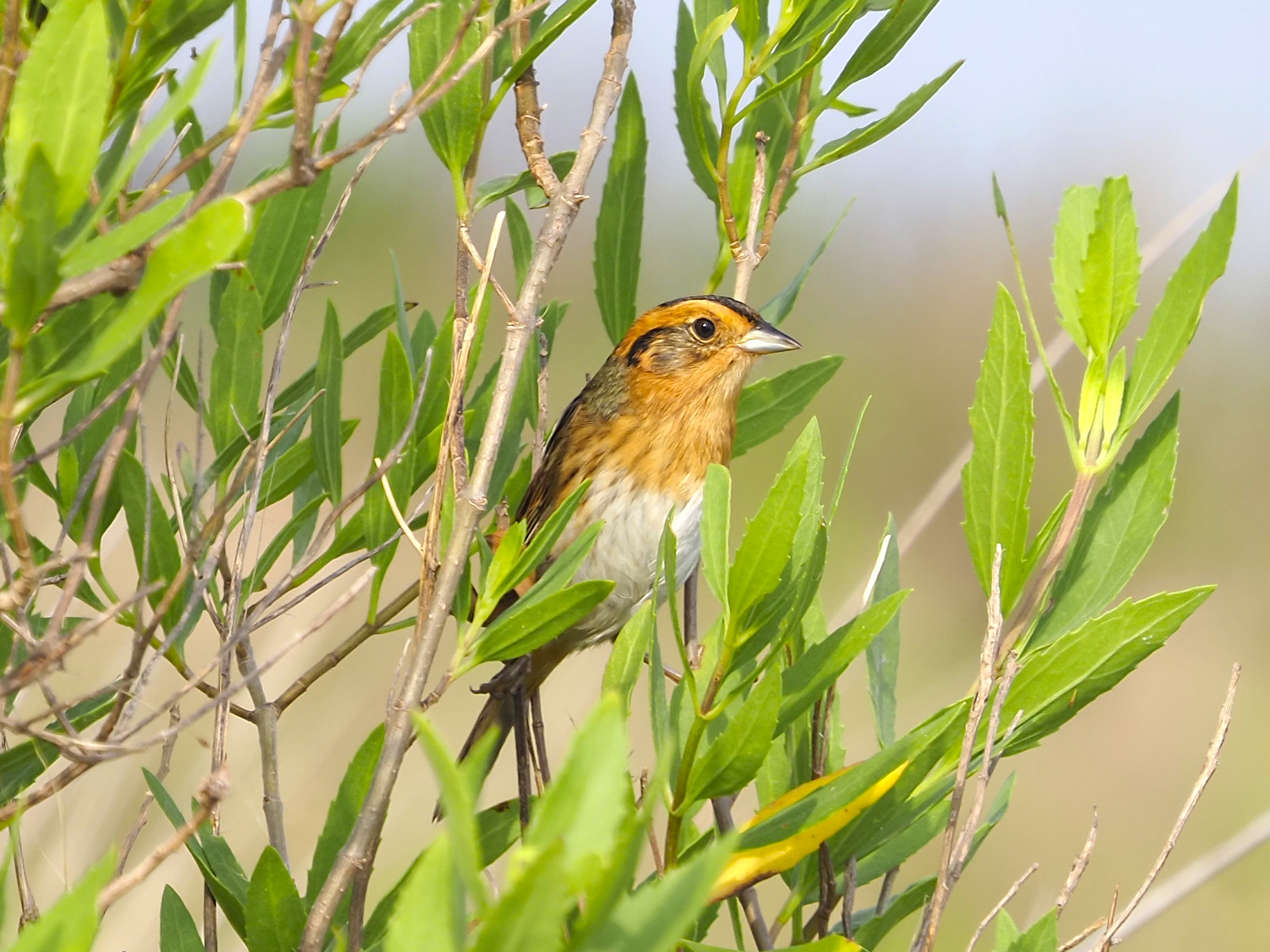
We generally search Bob’s and Yacht Basin Roads on the Bolivar Peninsula for local sparrows (Nelson’s & Seaside) and rails (Clapper). This year was a success! We got the best look ever at Nelson’s Sparrow on Rettilon Road near the Houston Audubon Bolivar Flats Sanctuary.
Really cool to see these feeding frenzies on Rettilon Road!