This group of shorebirds is fairly easy to identify.
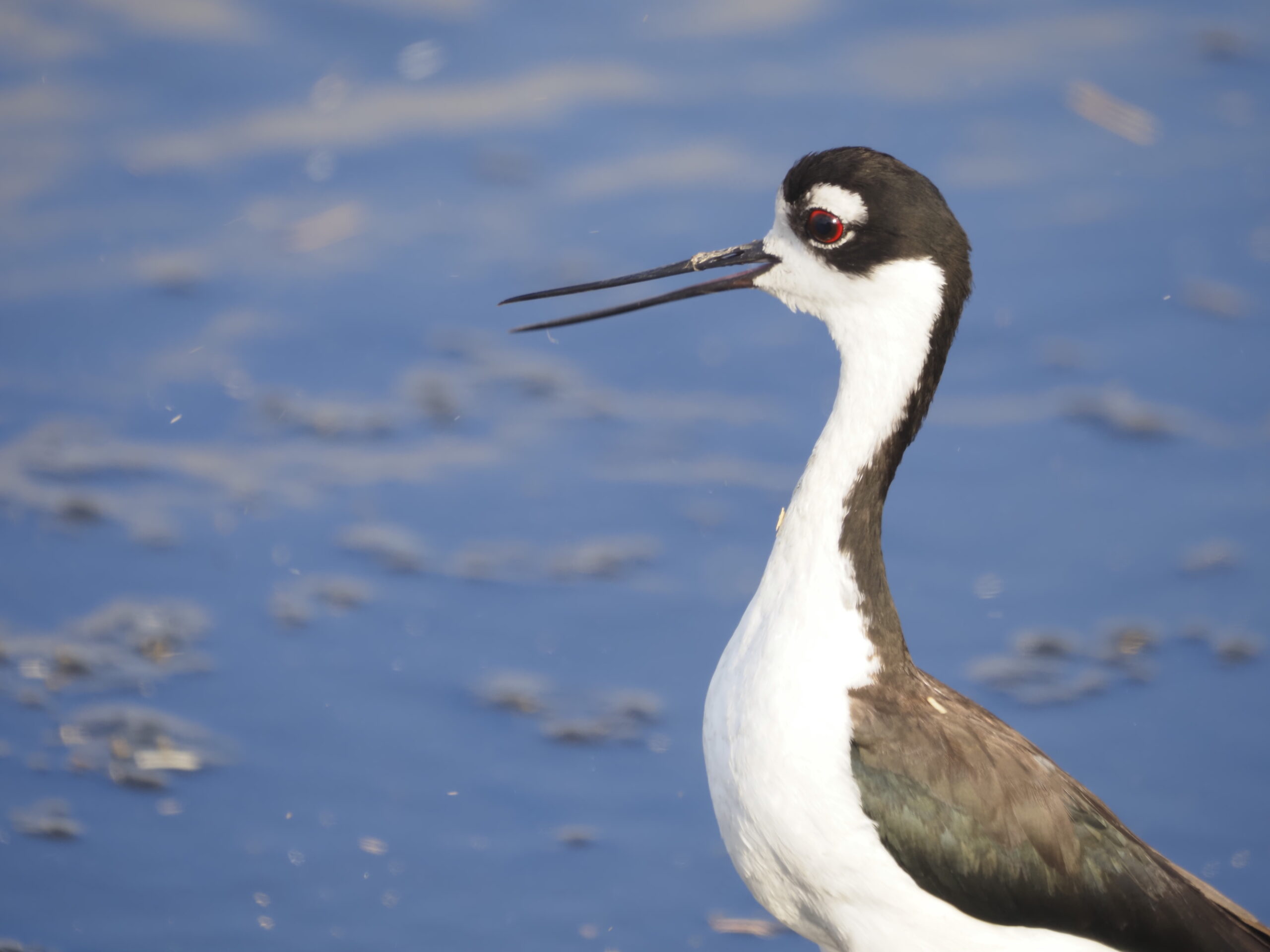
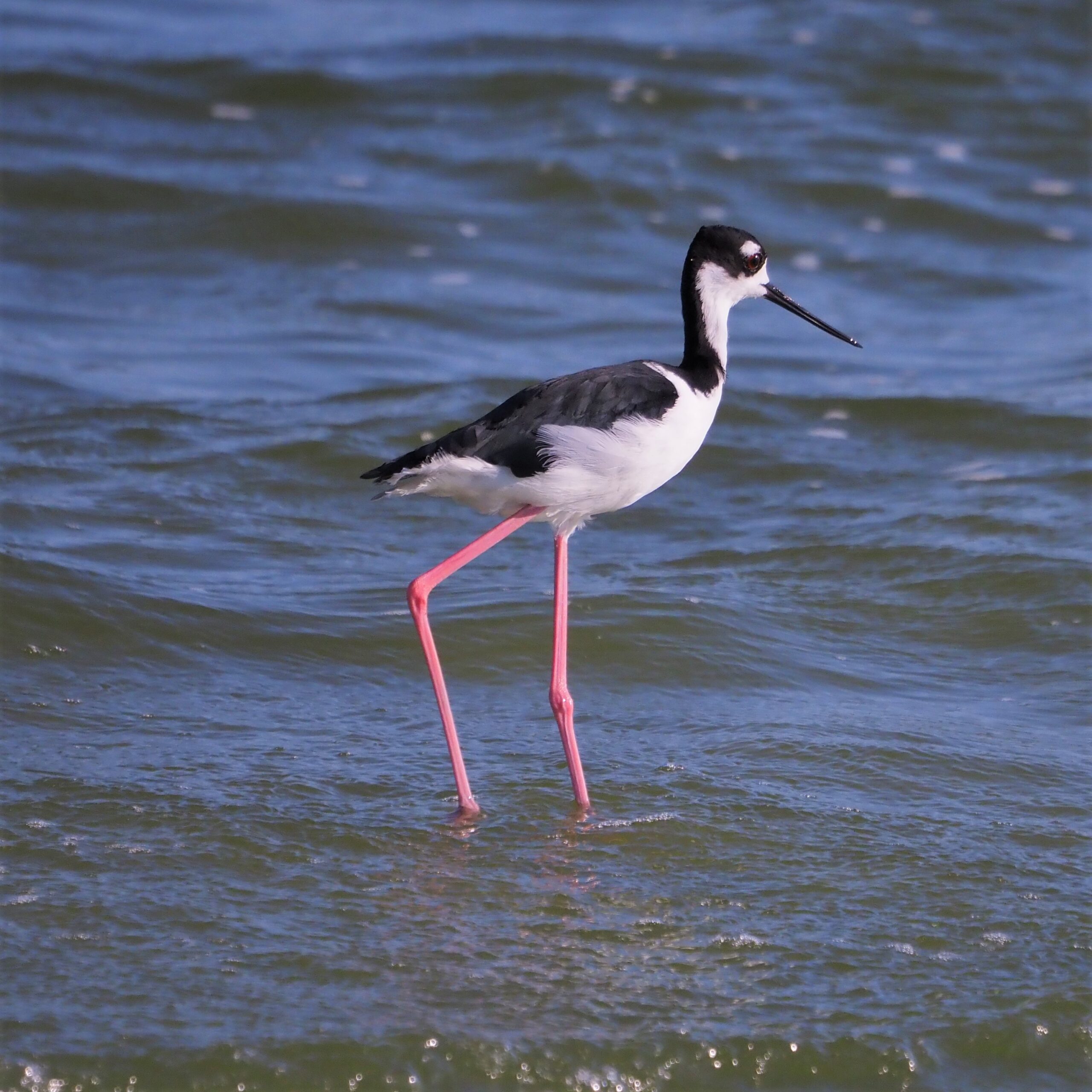
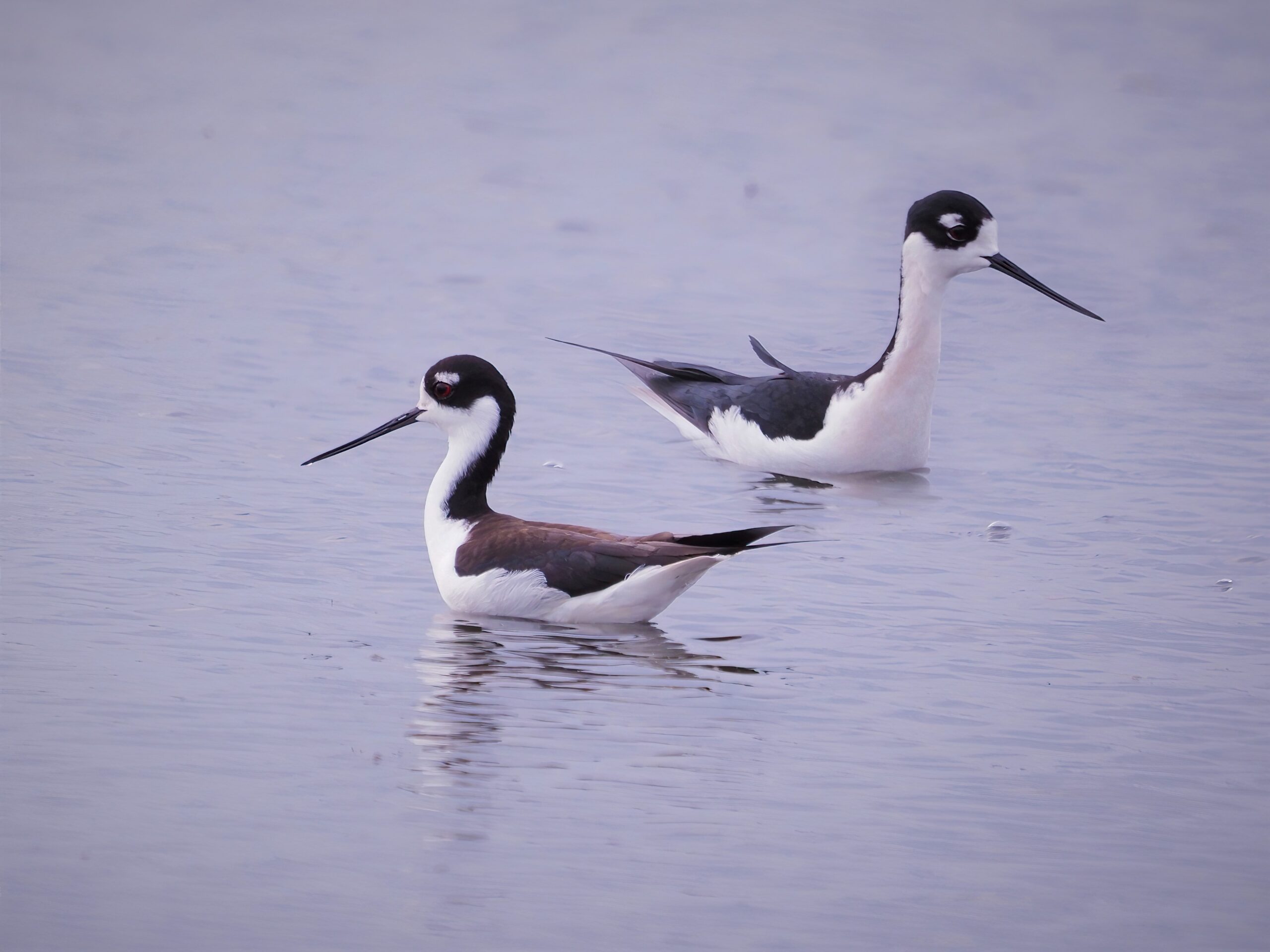
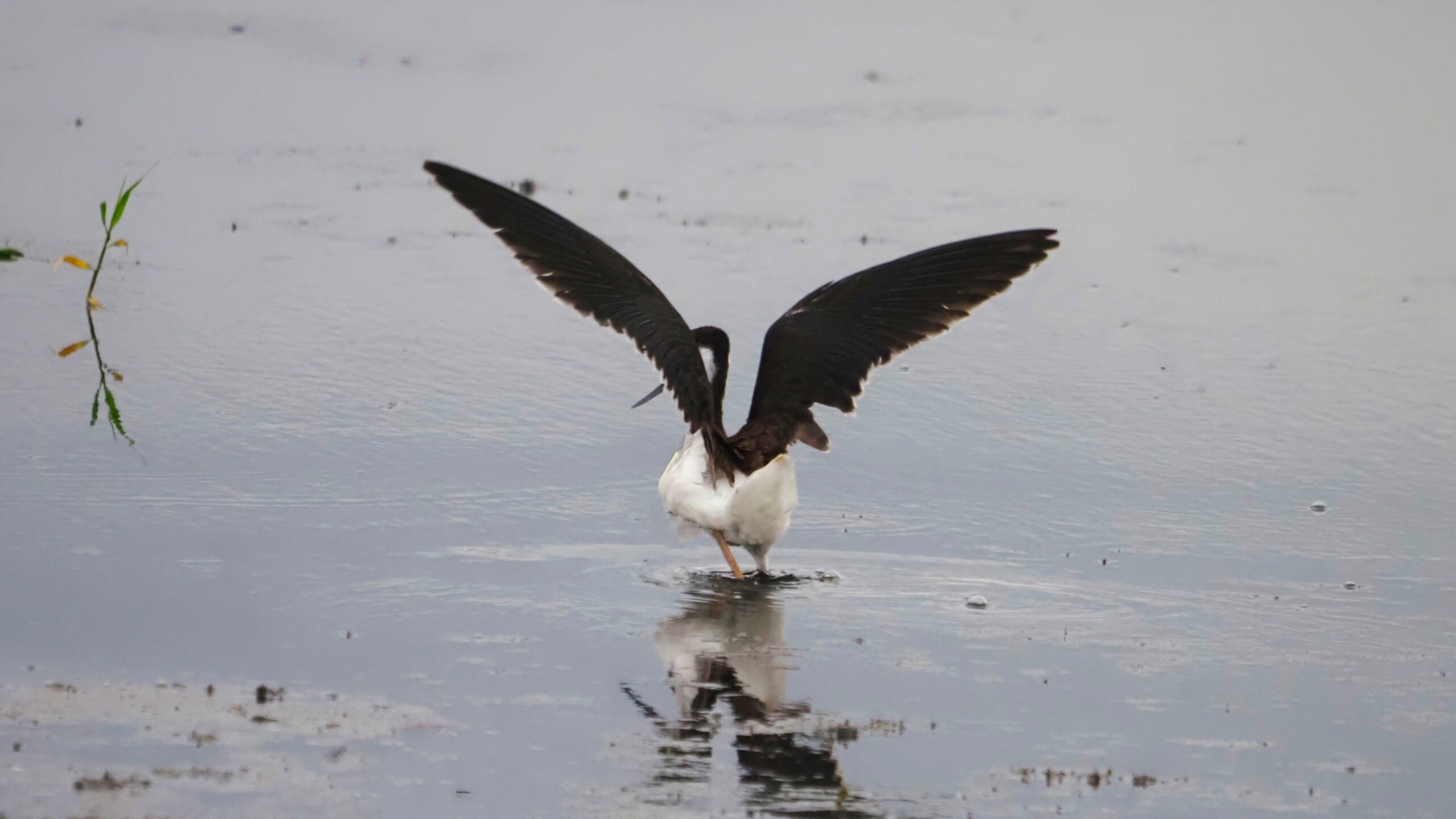
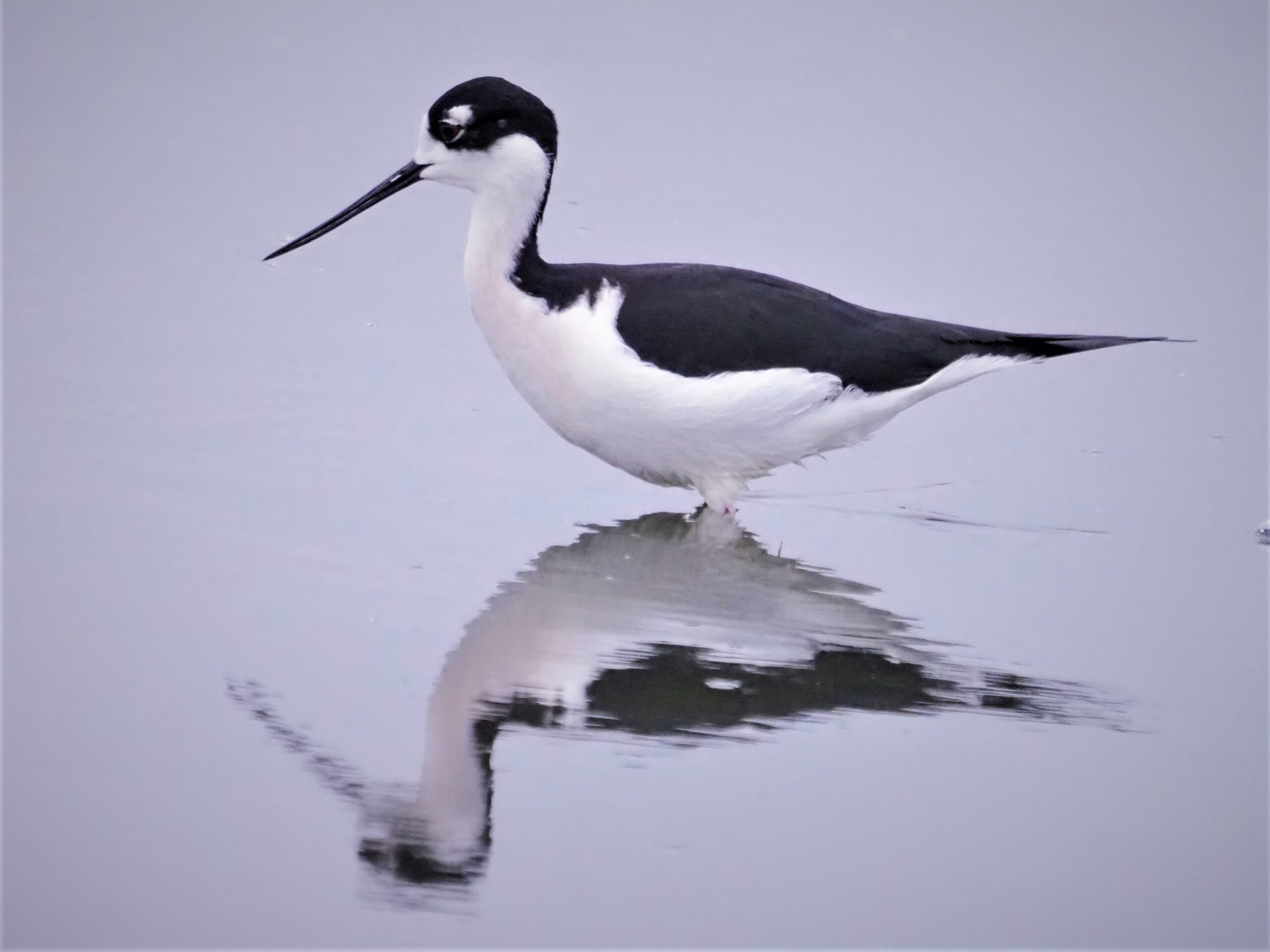
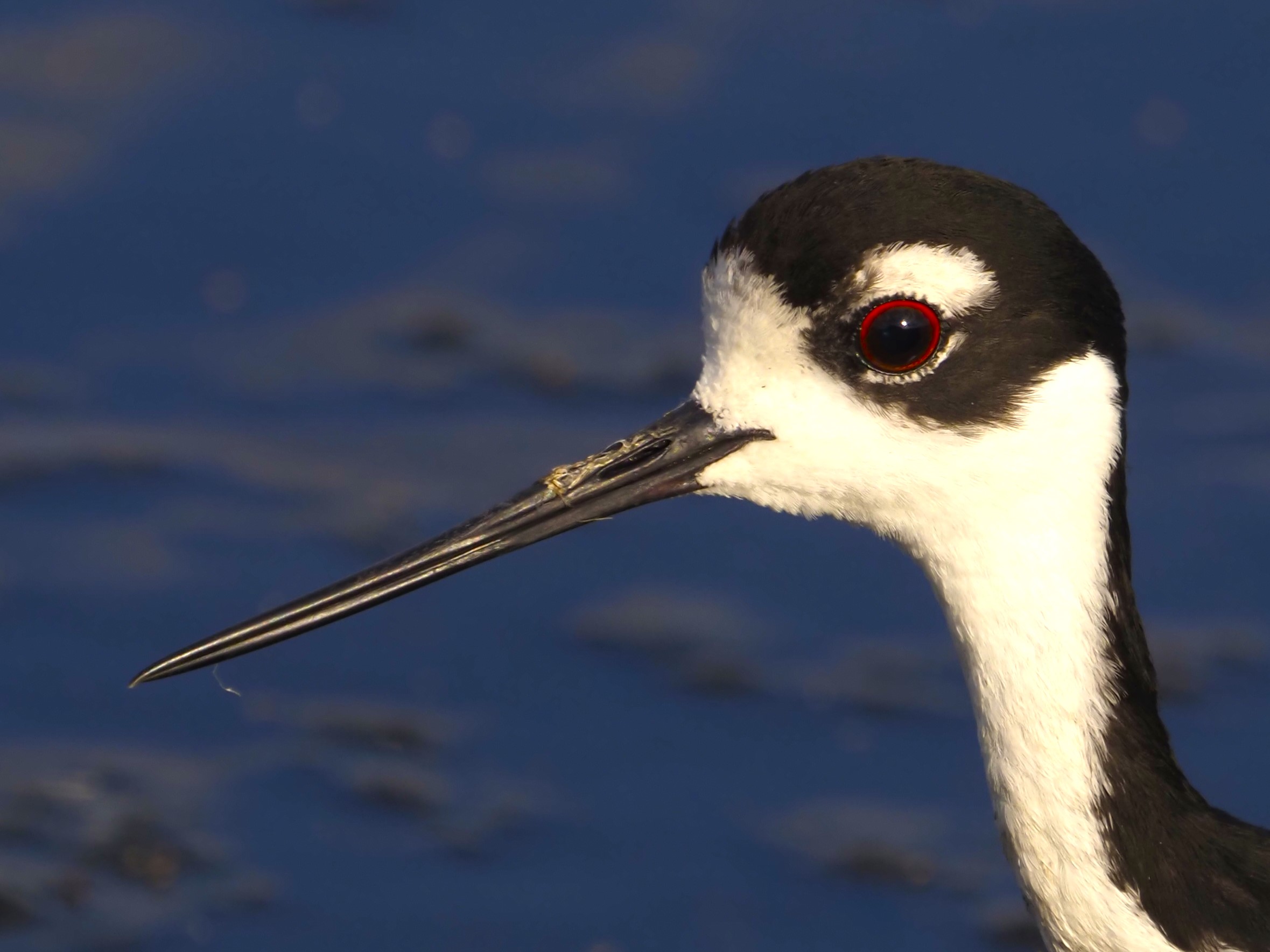
Black-necked Stilt
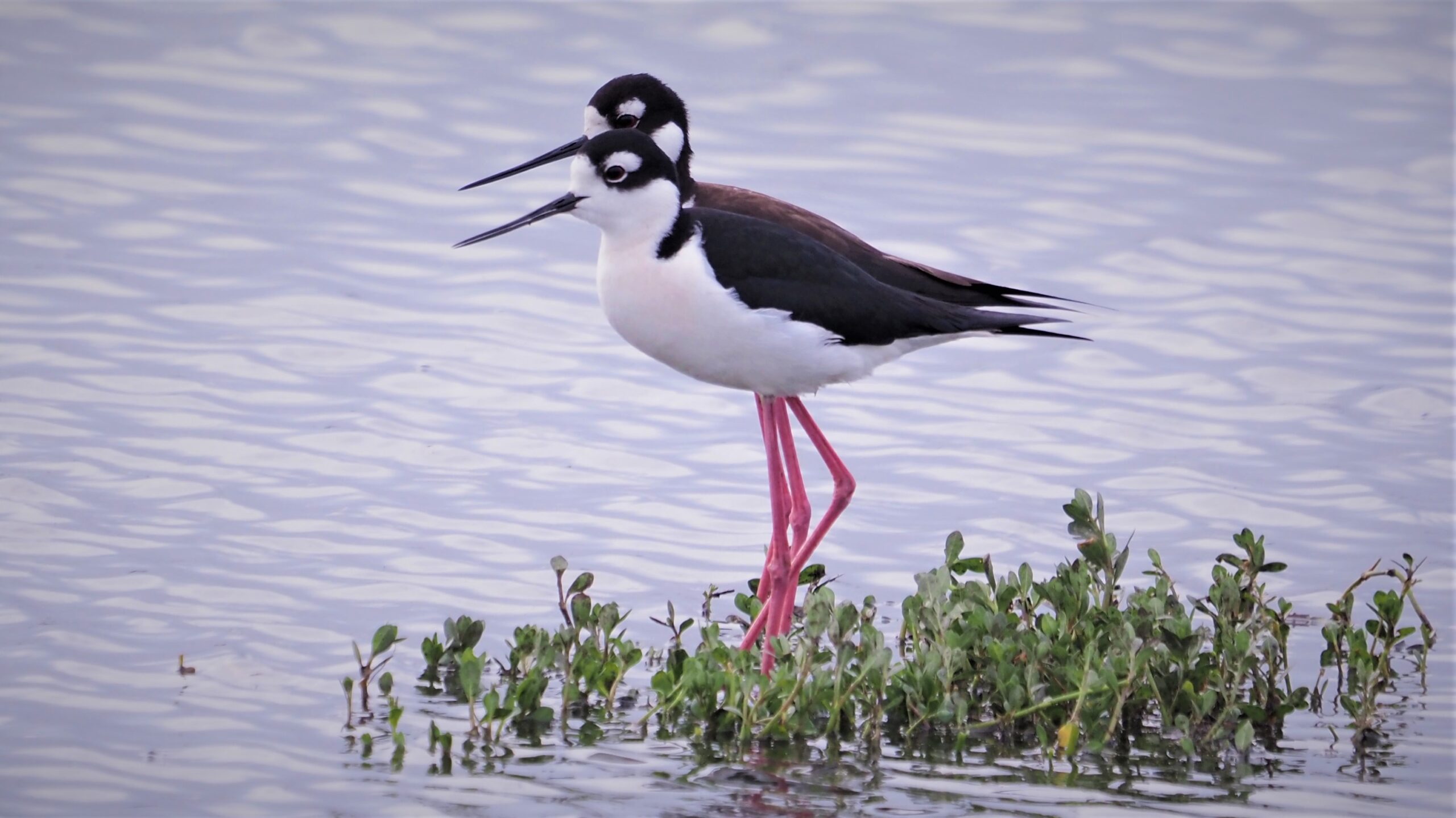
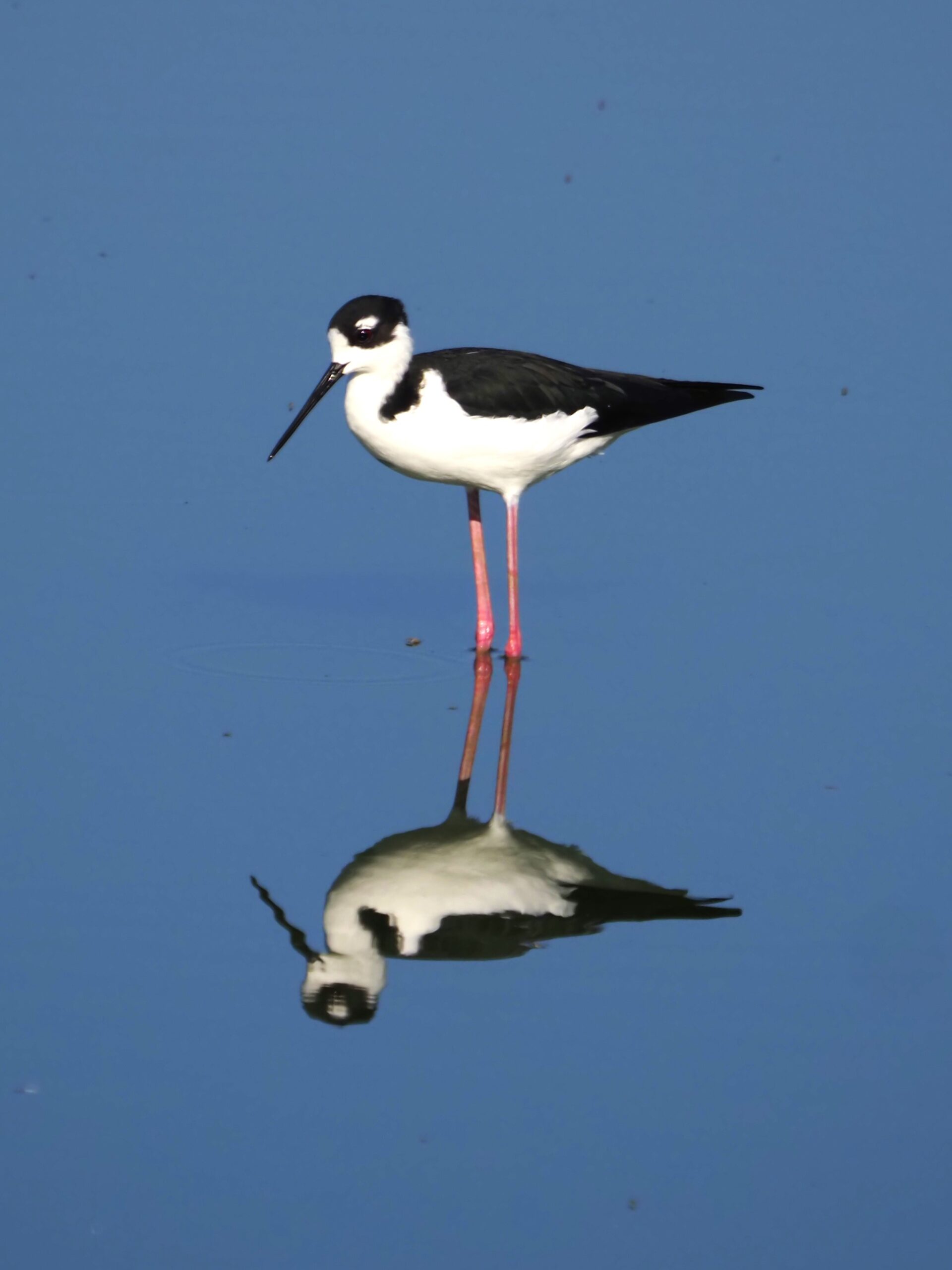
The dapper Black-necked Stilt is the only shorebird that regularly nests at Hornsby Bend. It is an distinctive species with black above and white below, long, pink legs, and a straight black bill. As can be seen in some photos here, the male has a jet-black back, while the back of the female (and immature) are a warmer brown.
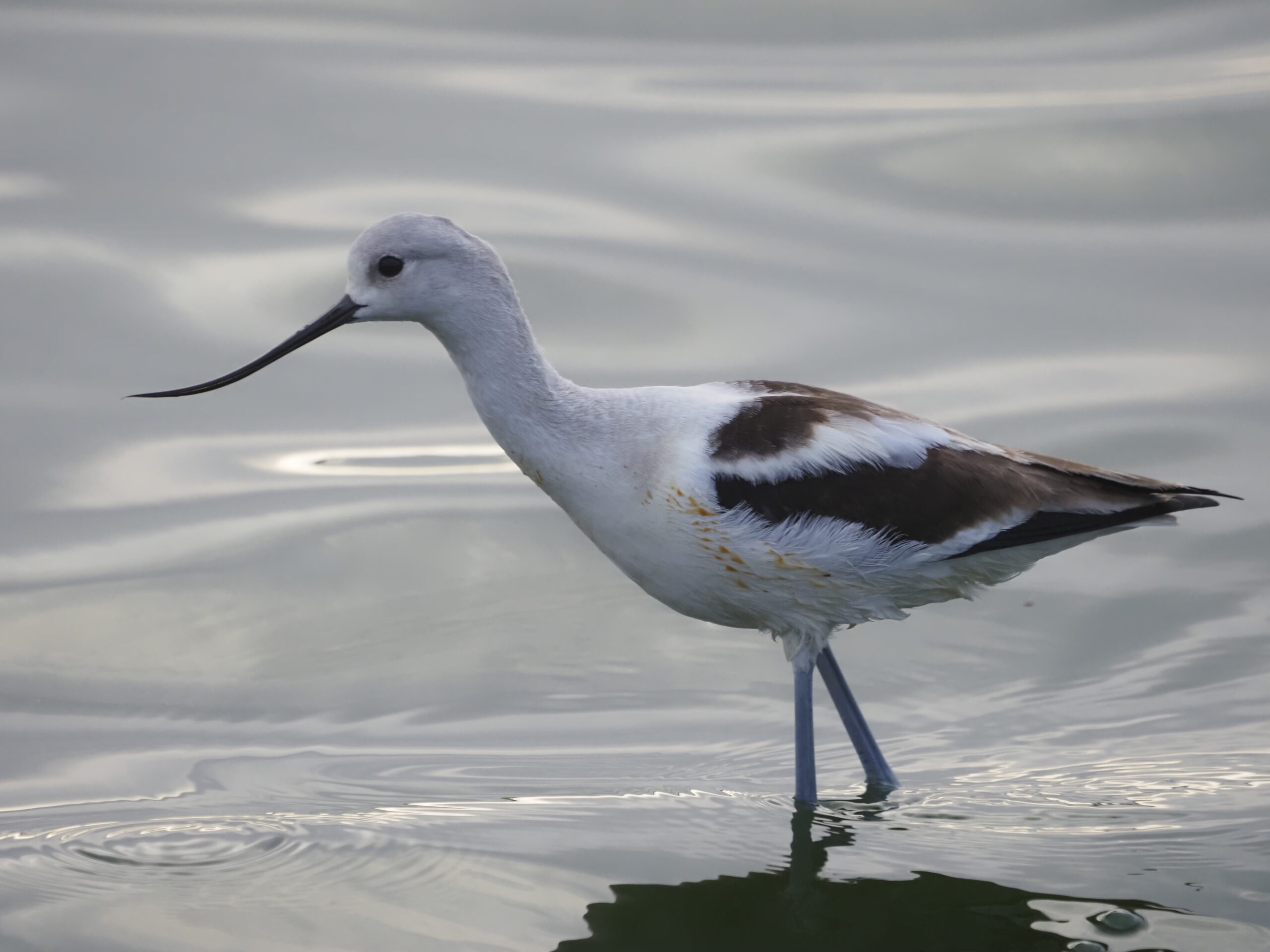
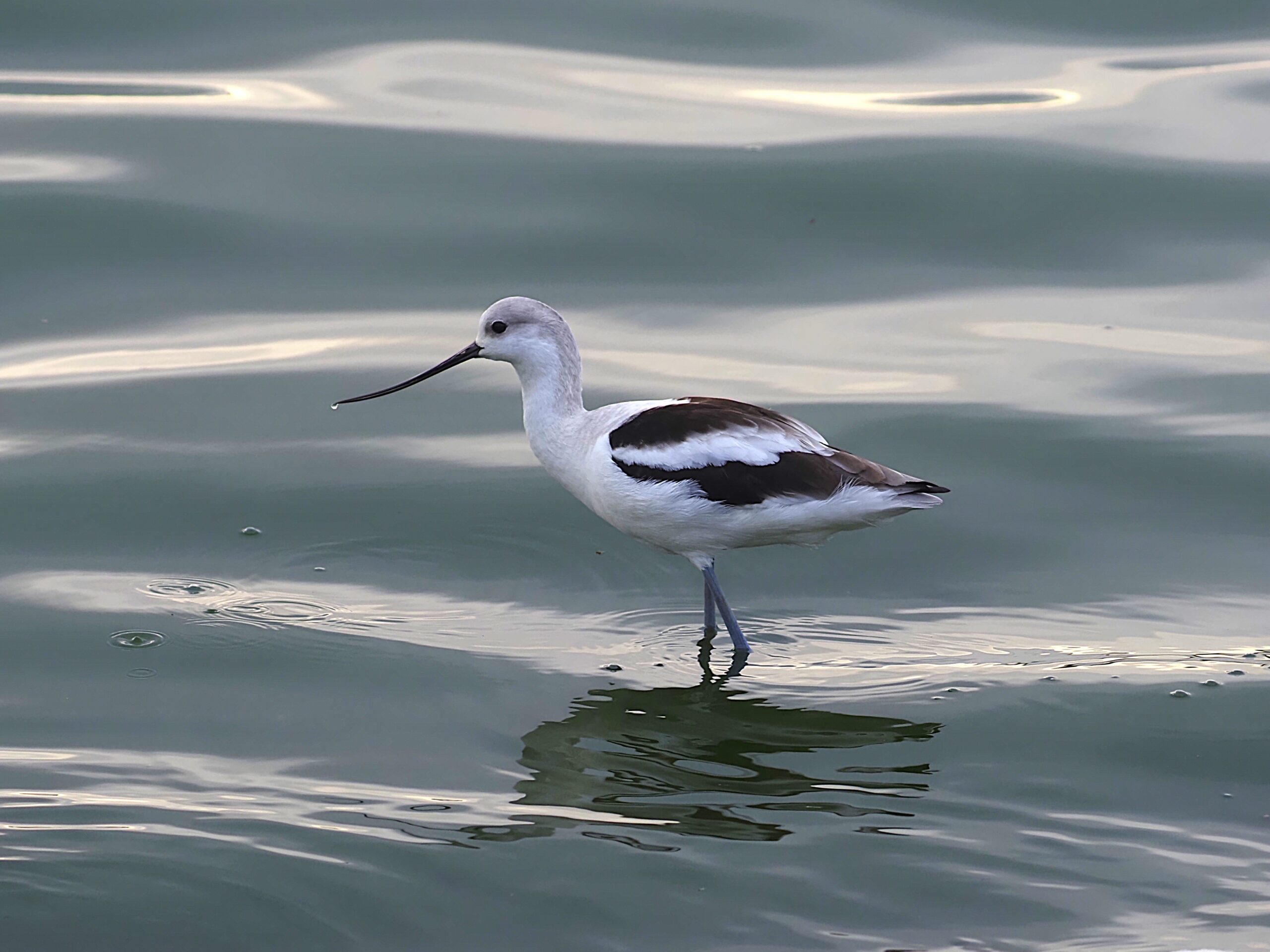
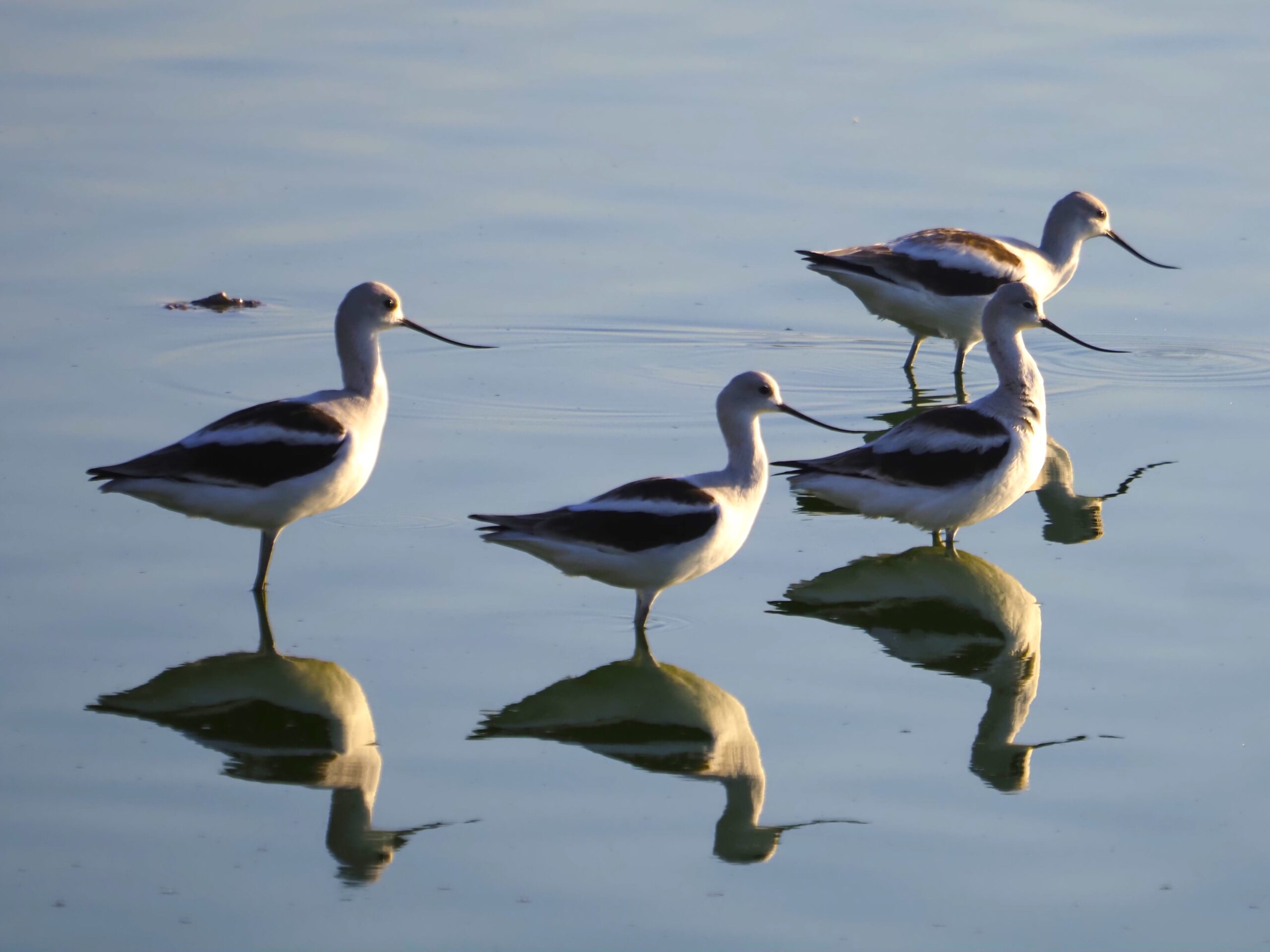
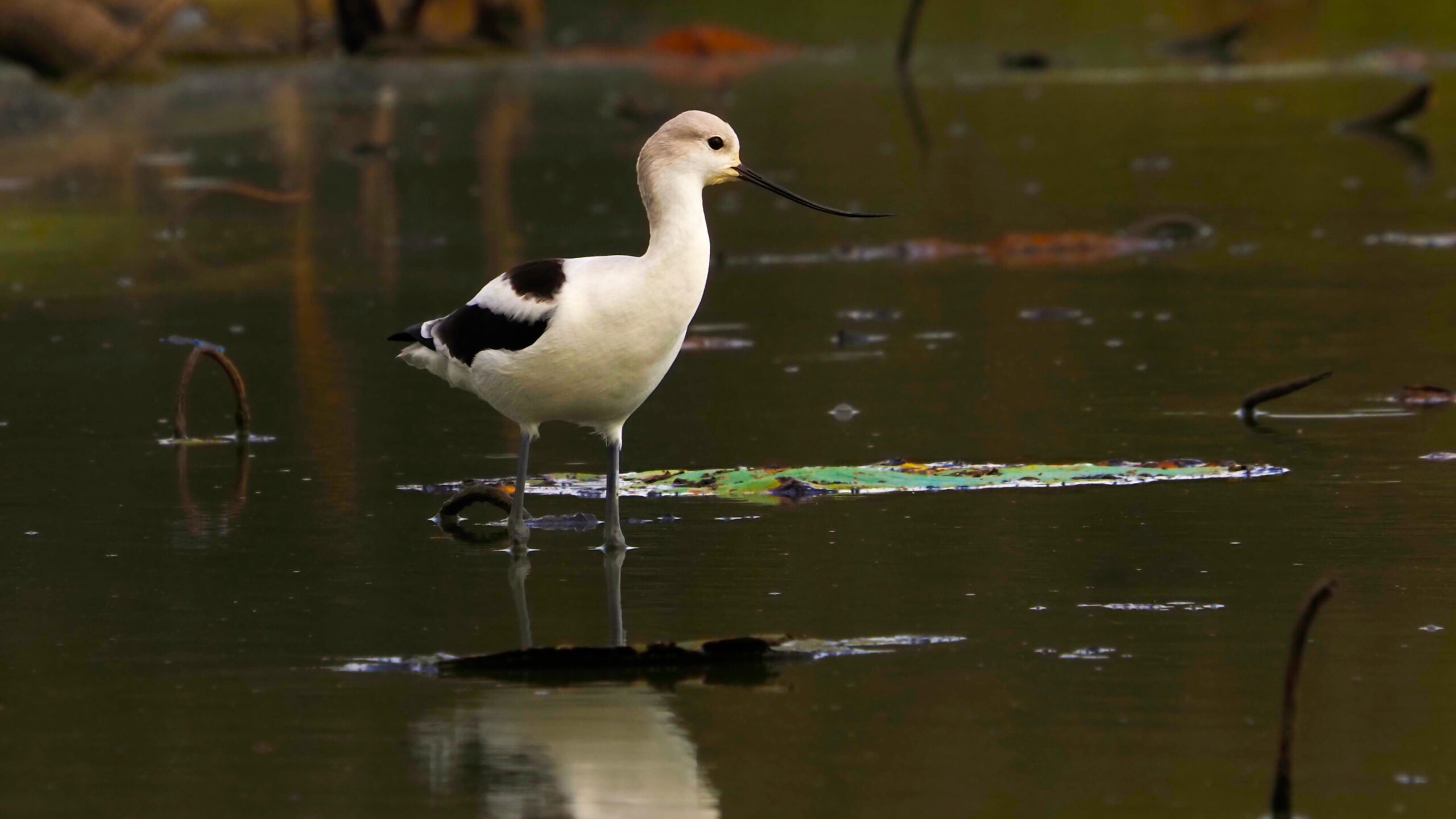
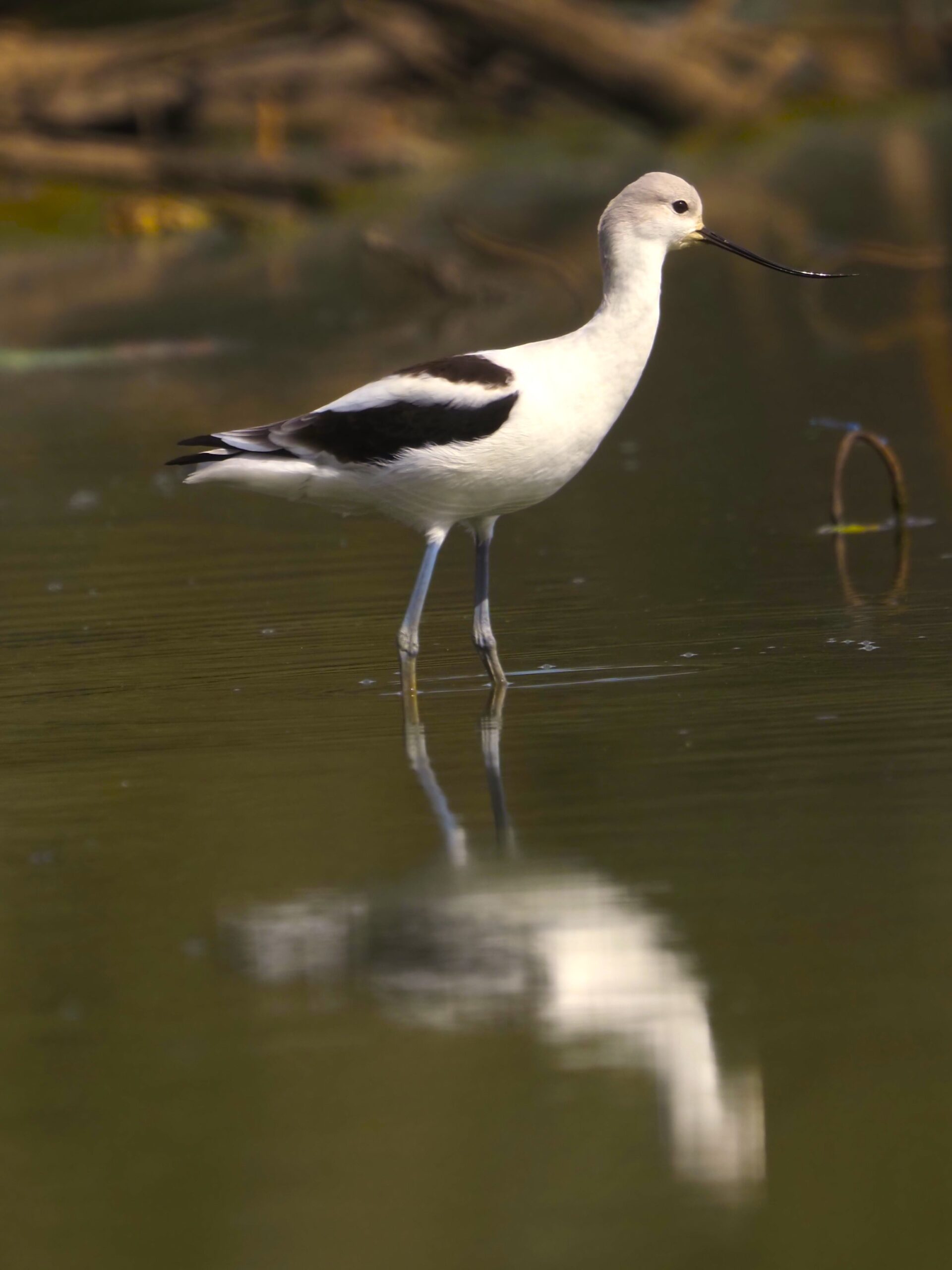
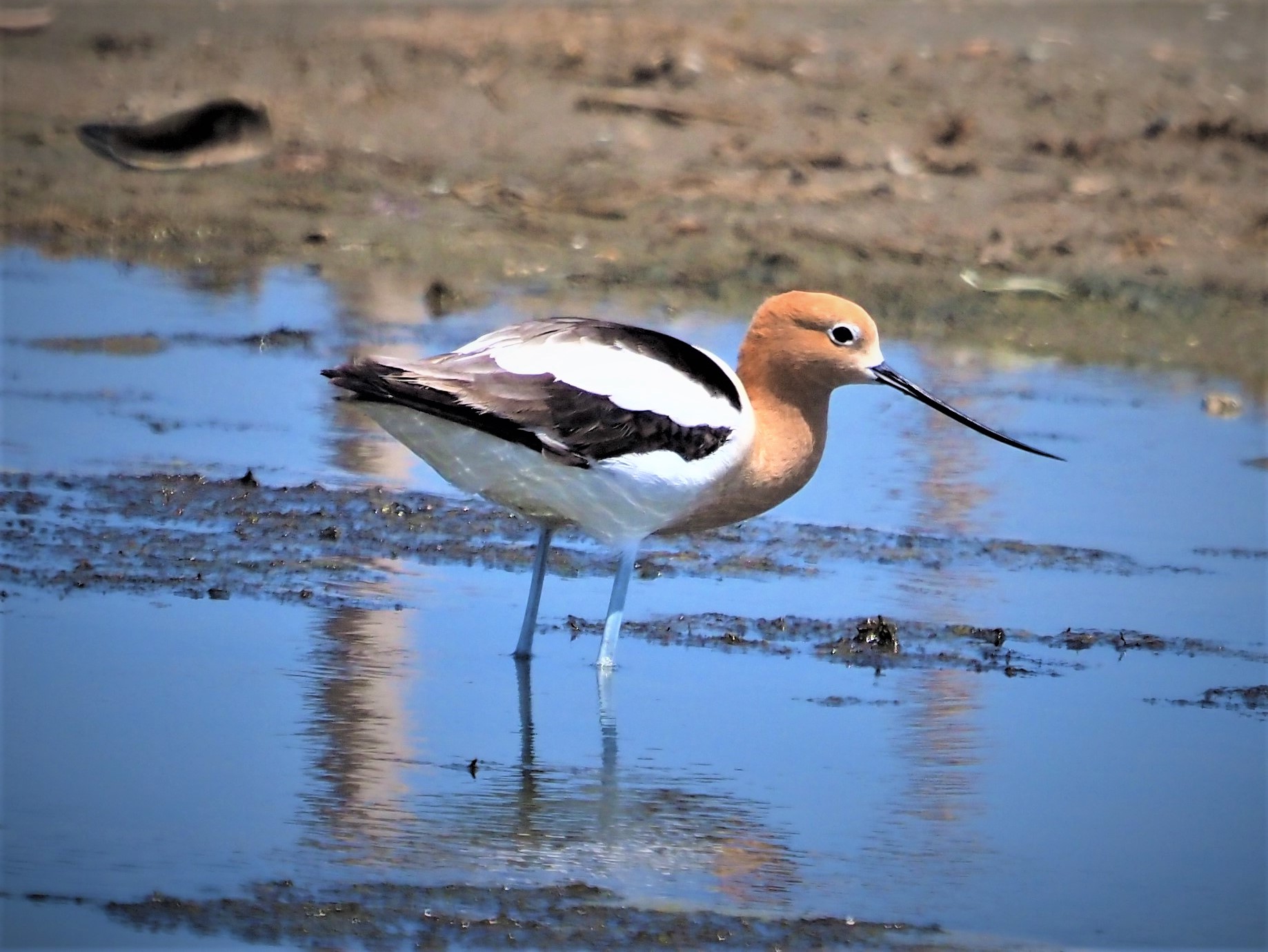
American Avocet
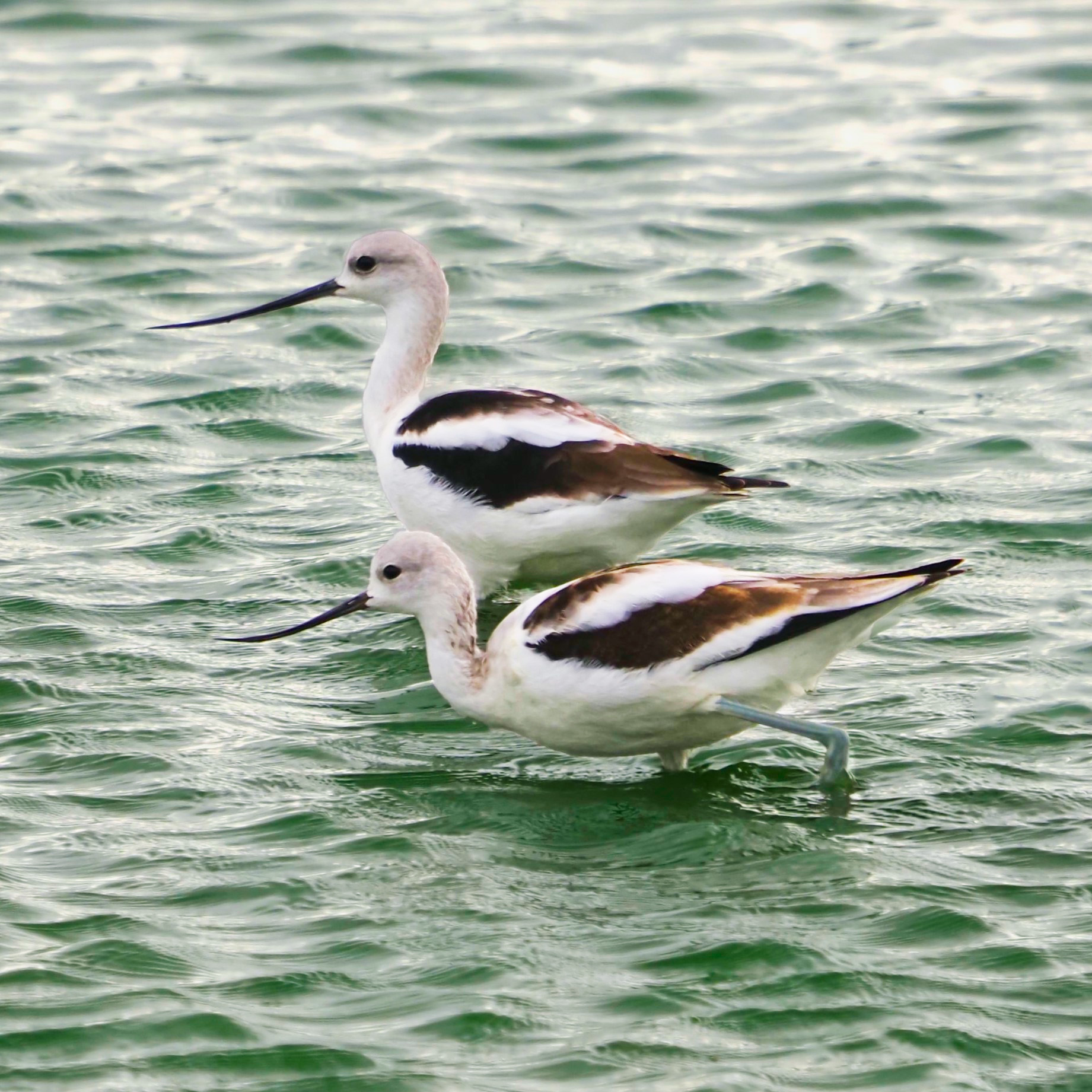
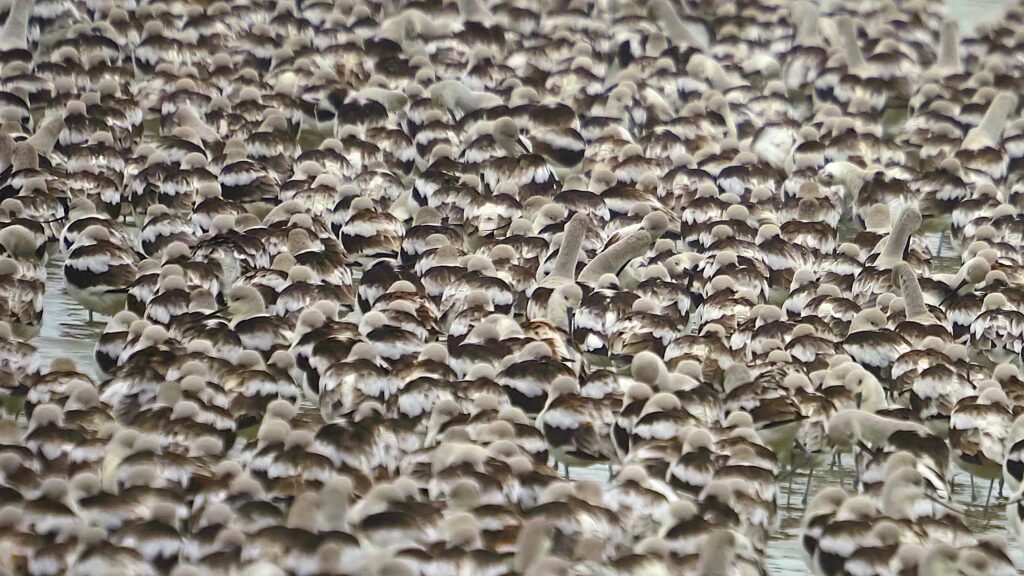
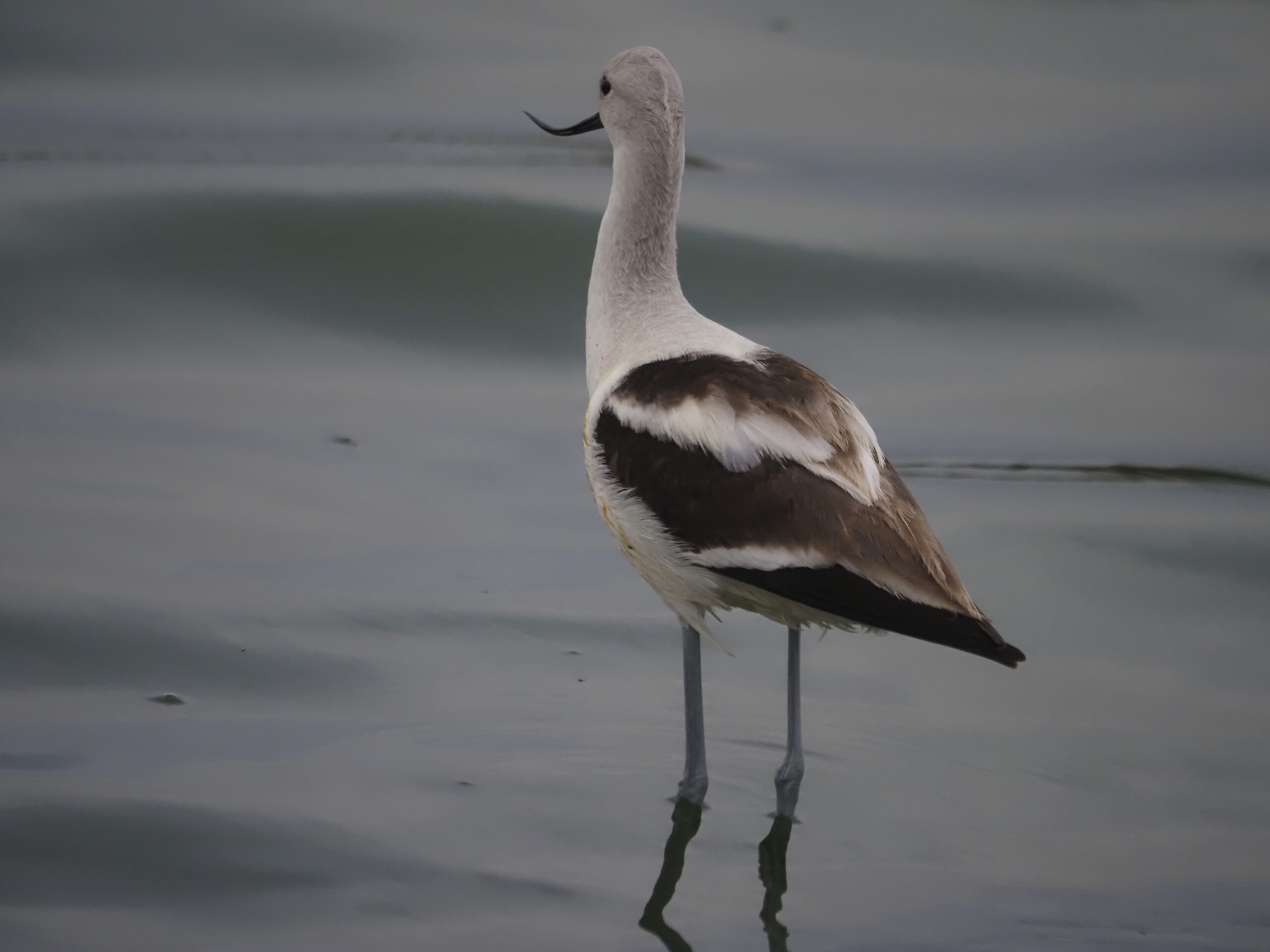
The American Avocet is a beauty!! In alternate plumage (breeding) the russet neck and long, blue legs really stand out. The bill of the female is slightly shorter and more curved upward. As shown below, Avocets often gather in 1000s at Bolivar Flats.
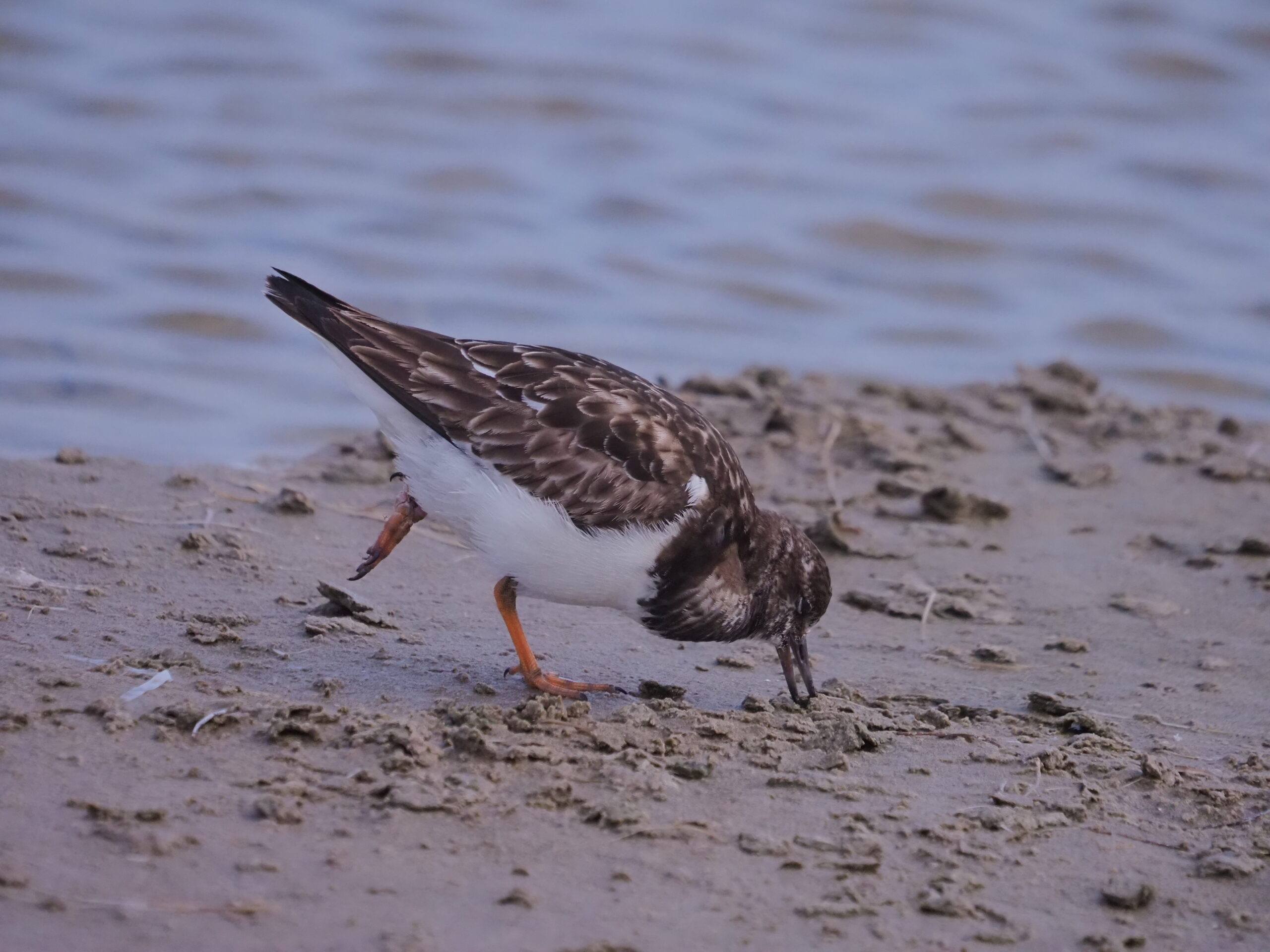
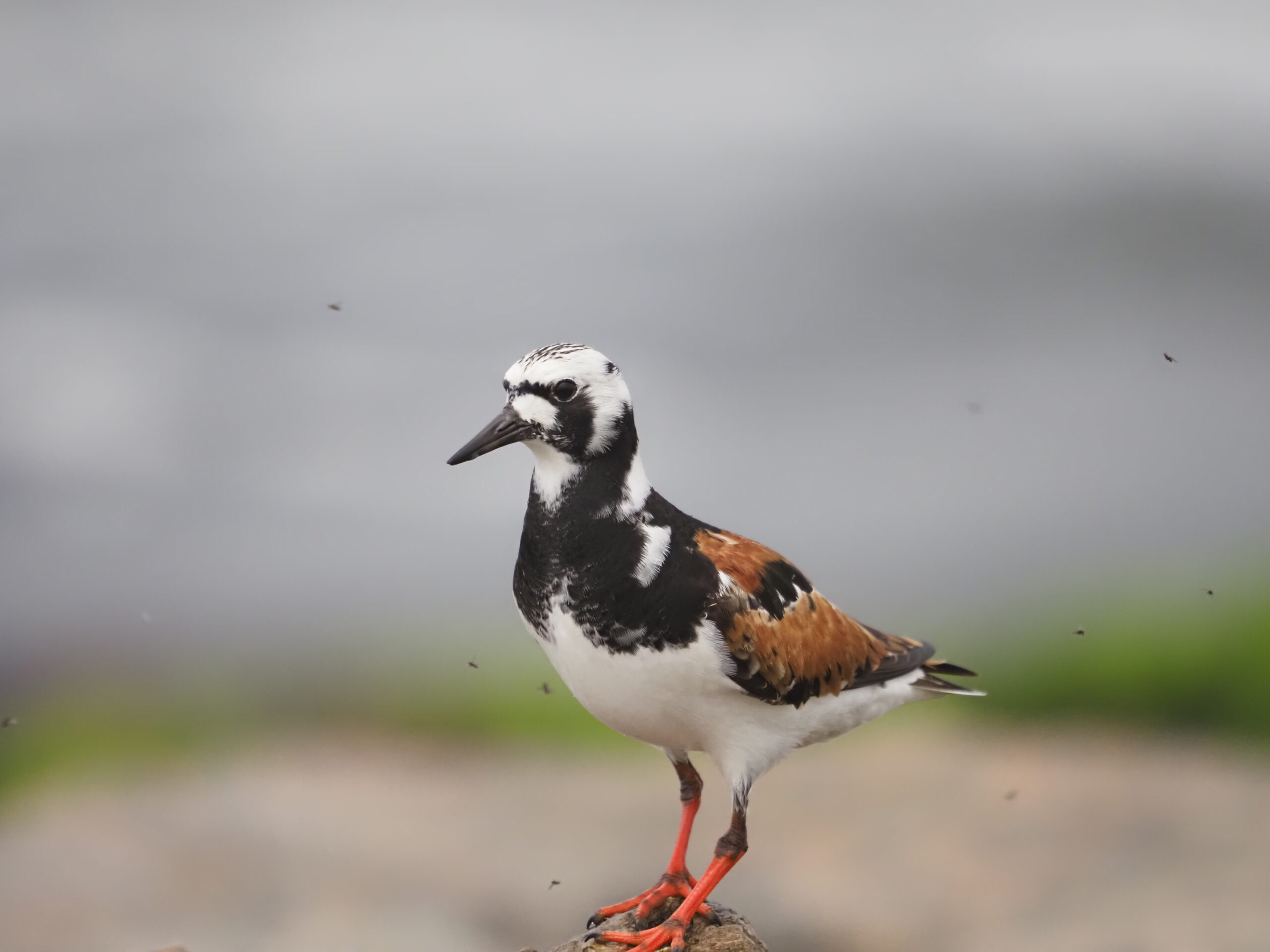
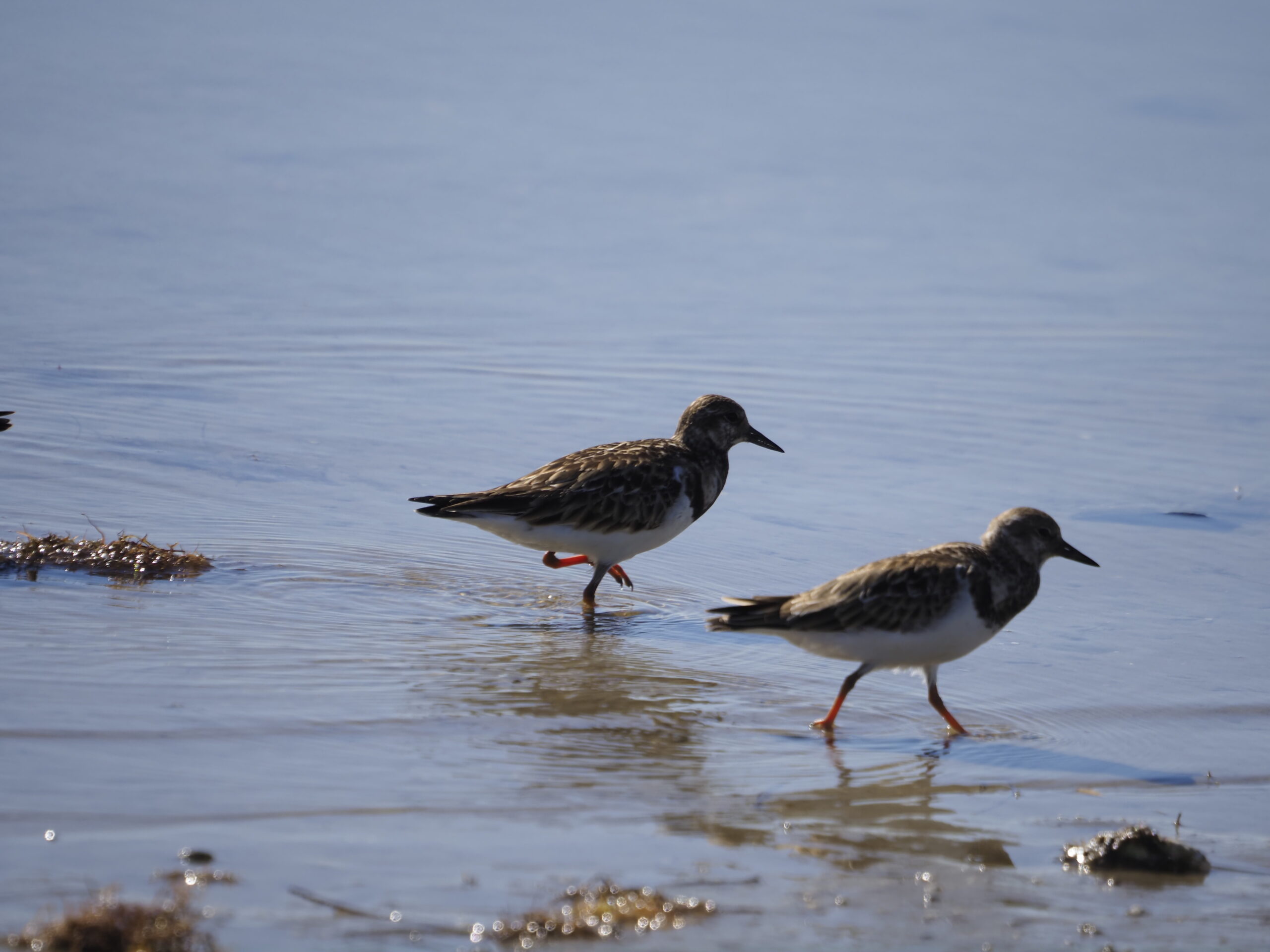
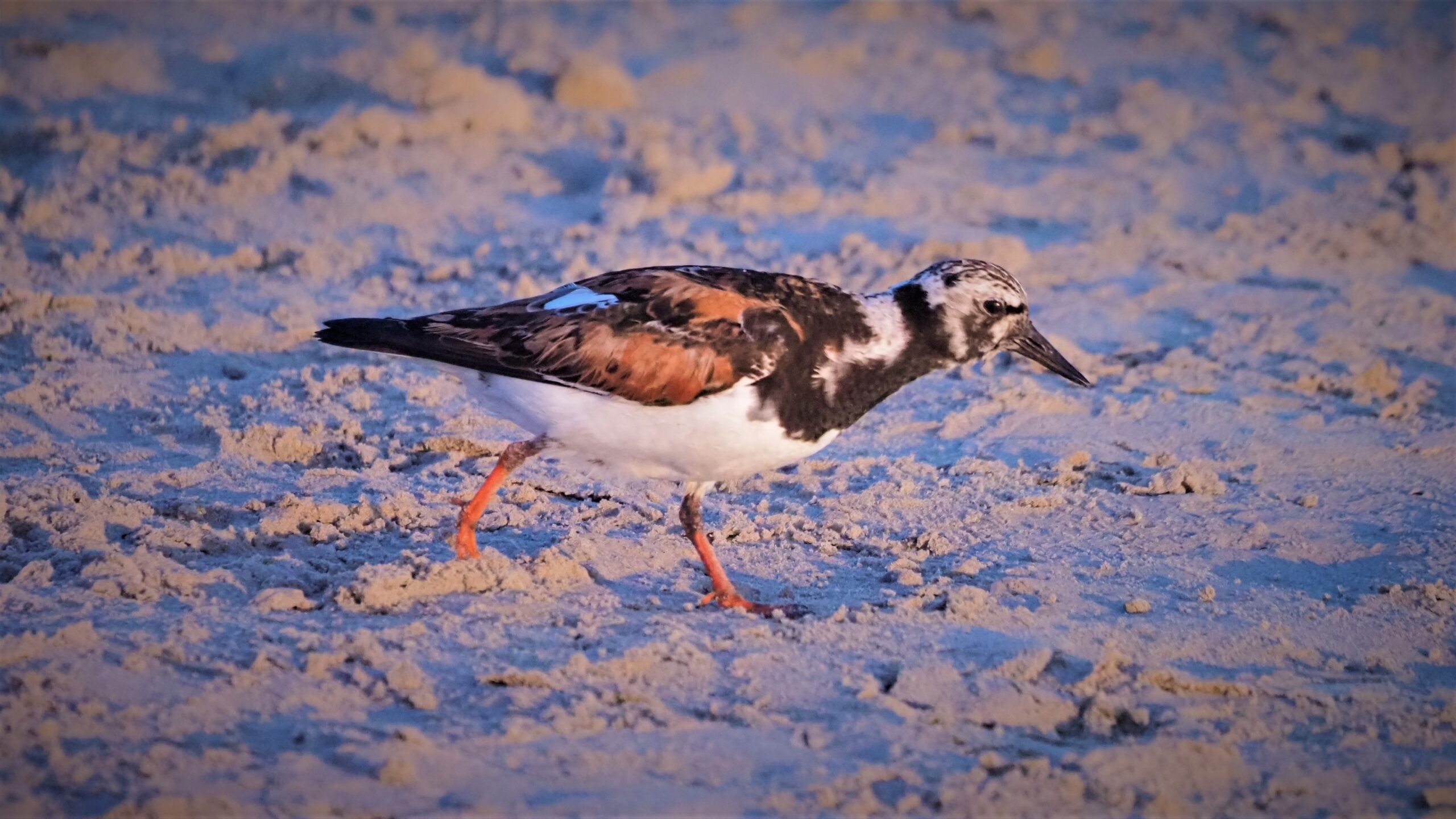
Ruddy Turnstone
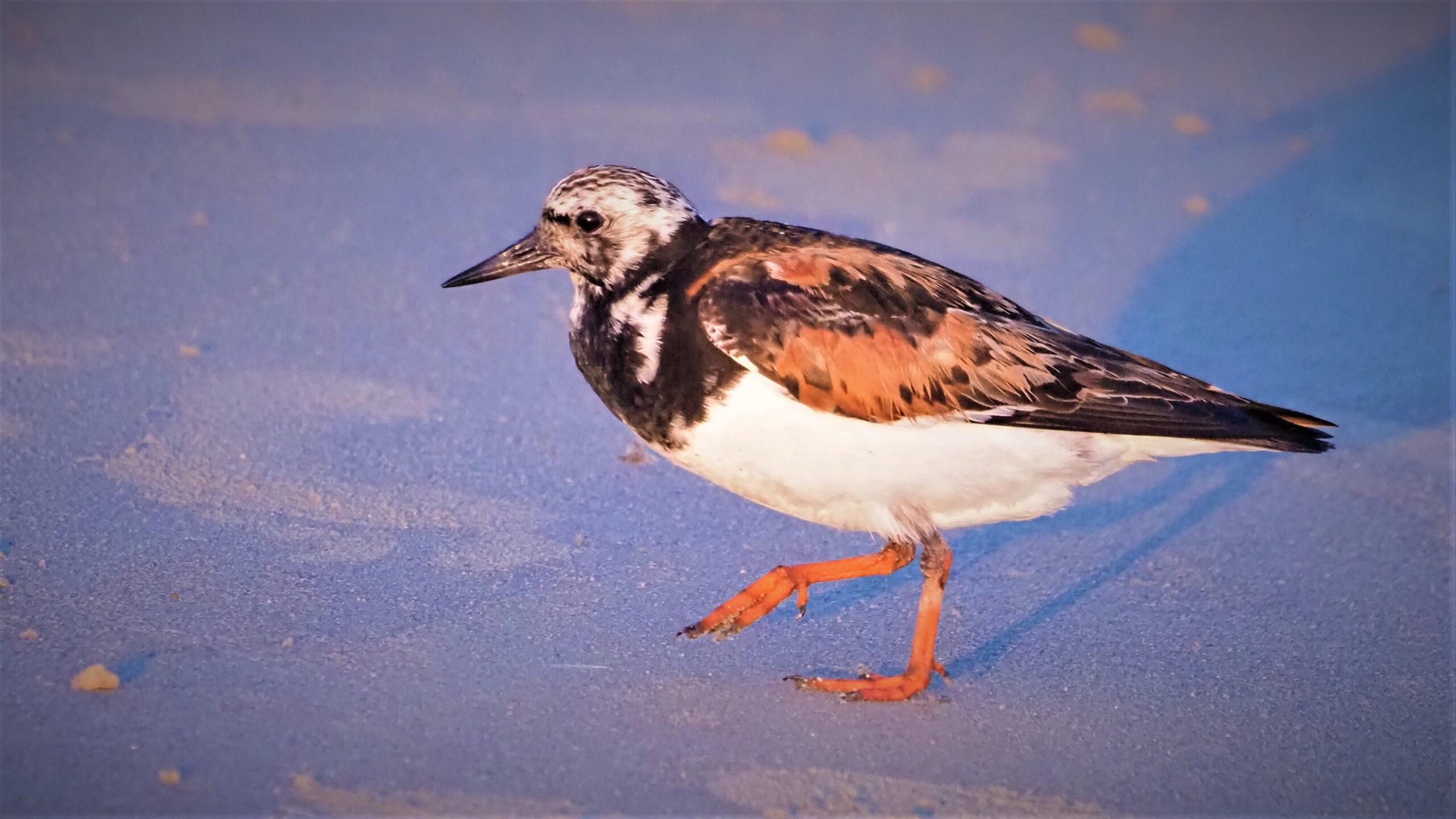
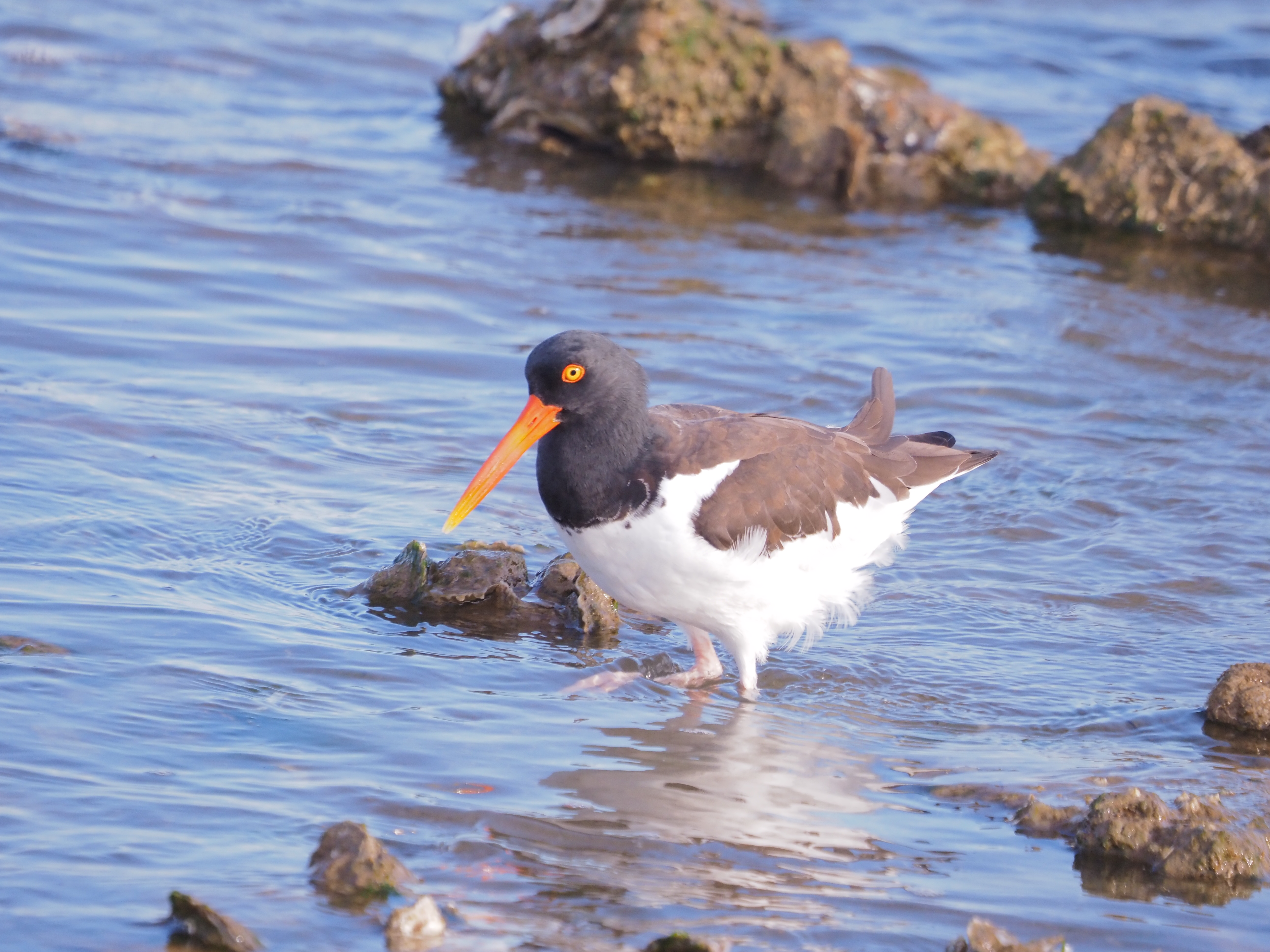
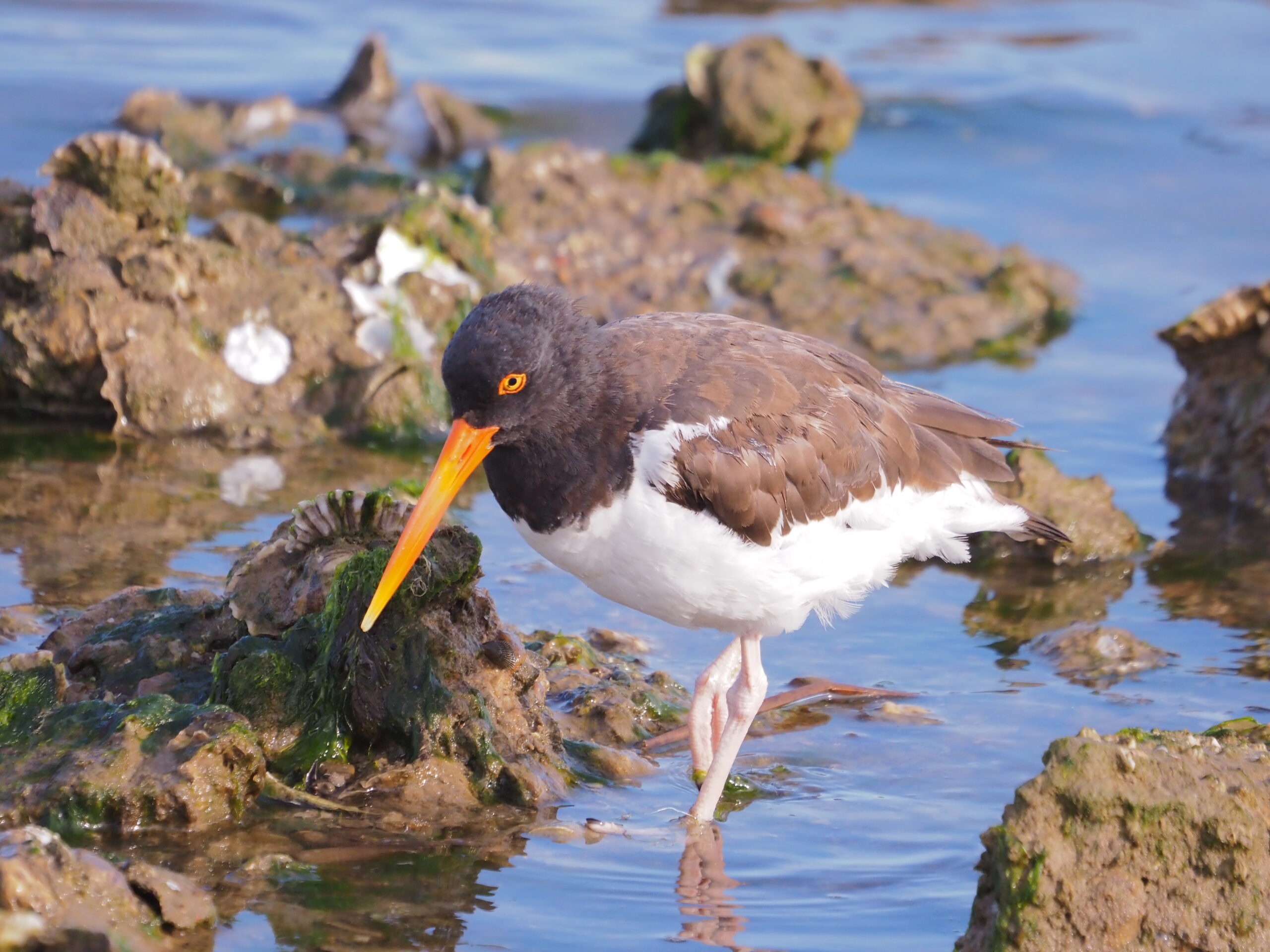
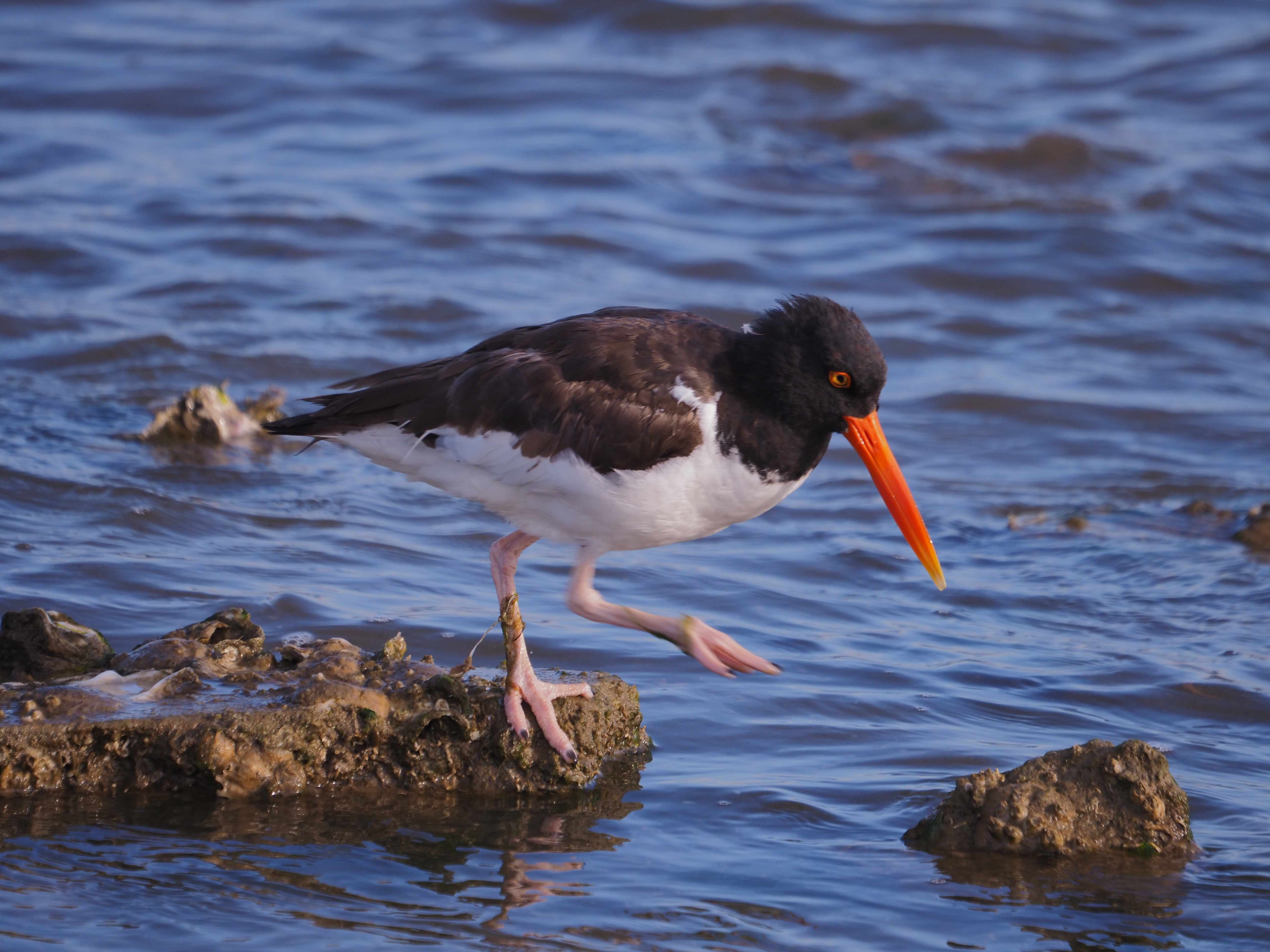
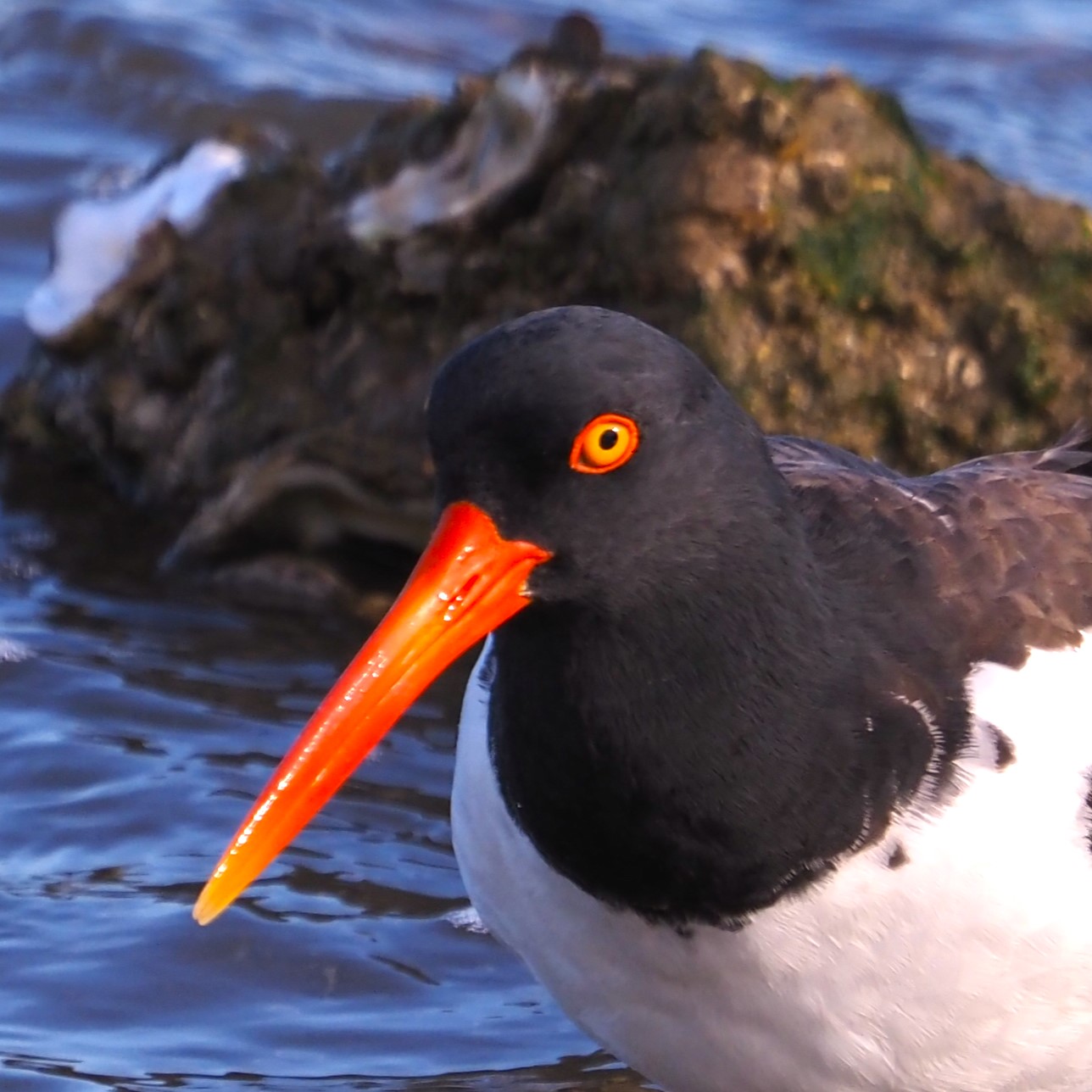
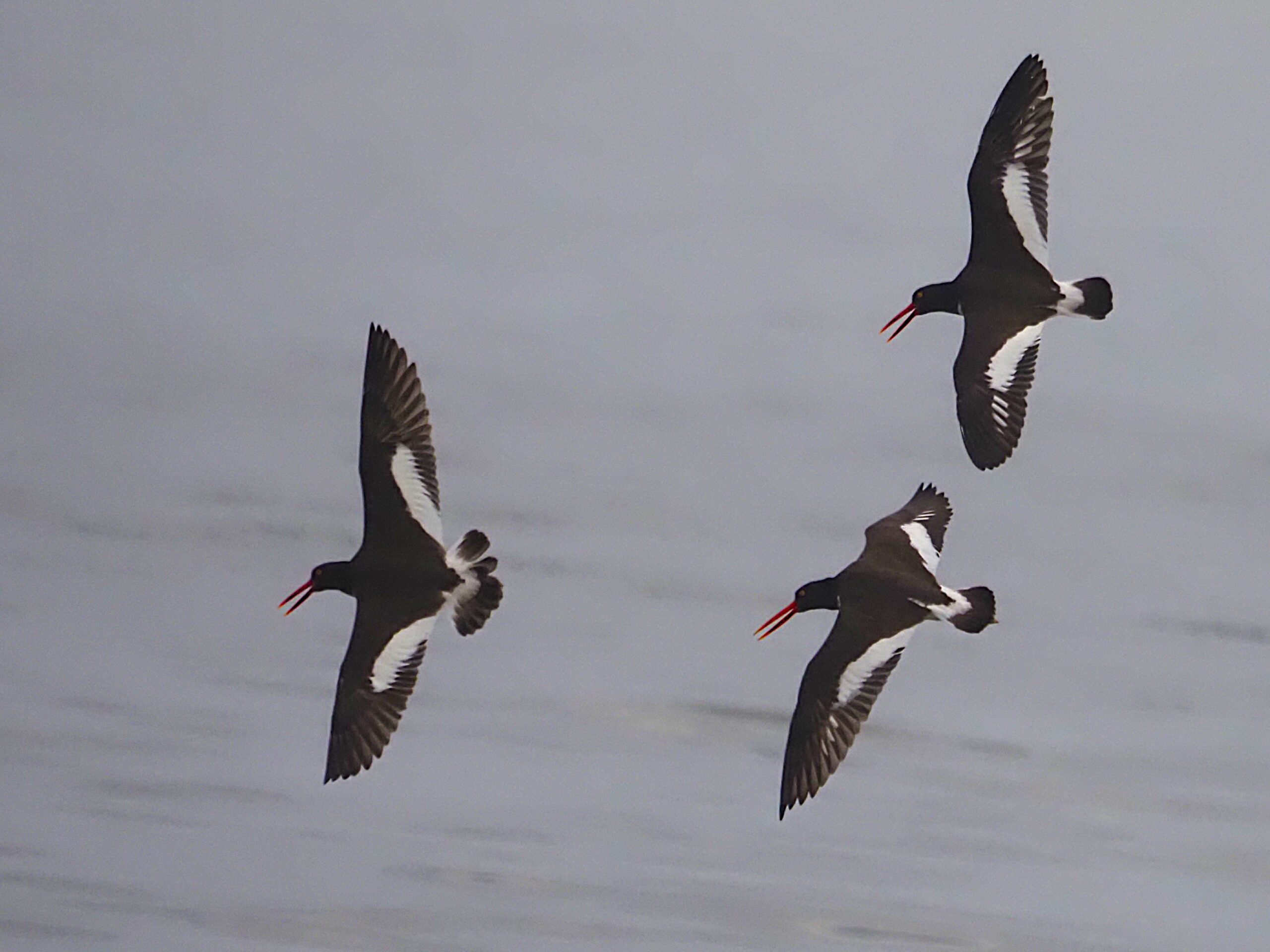
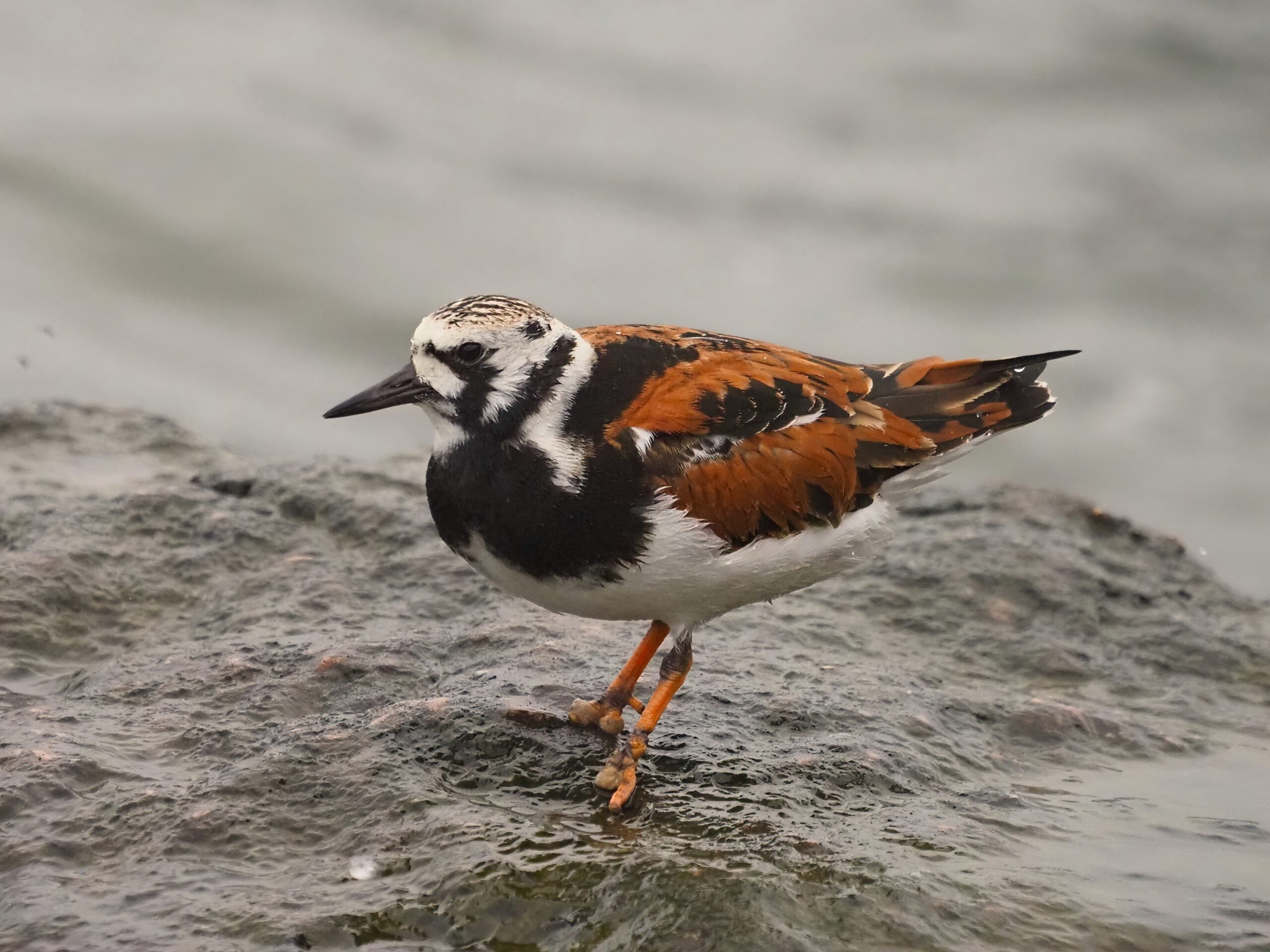
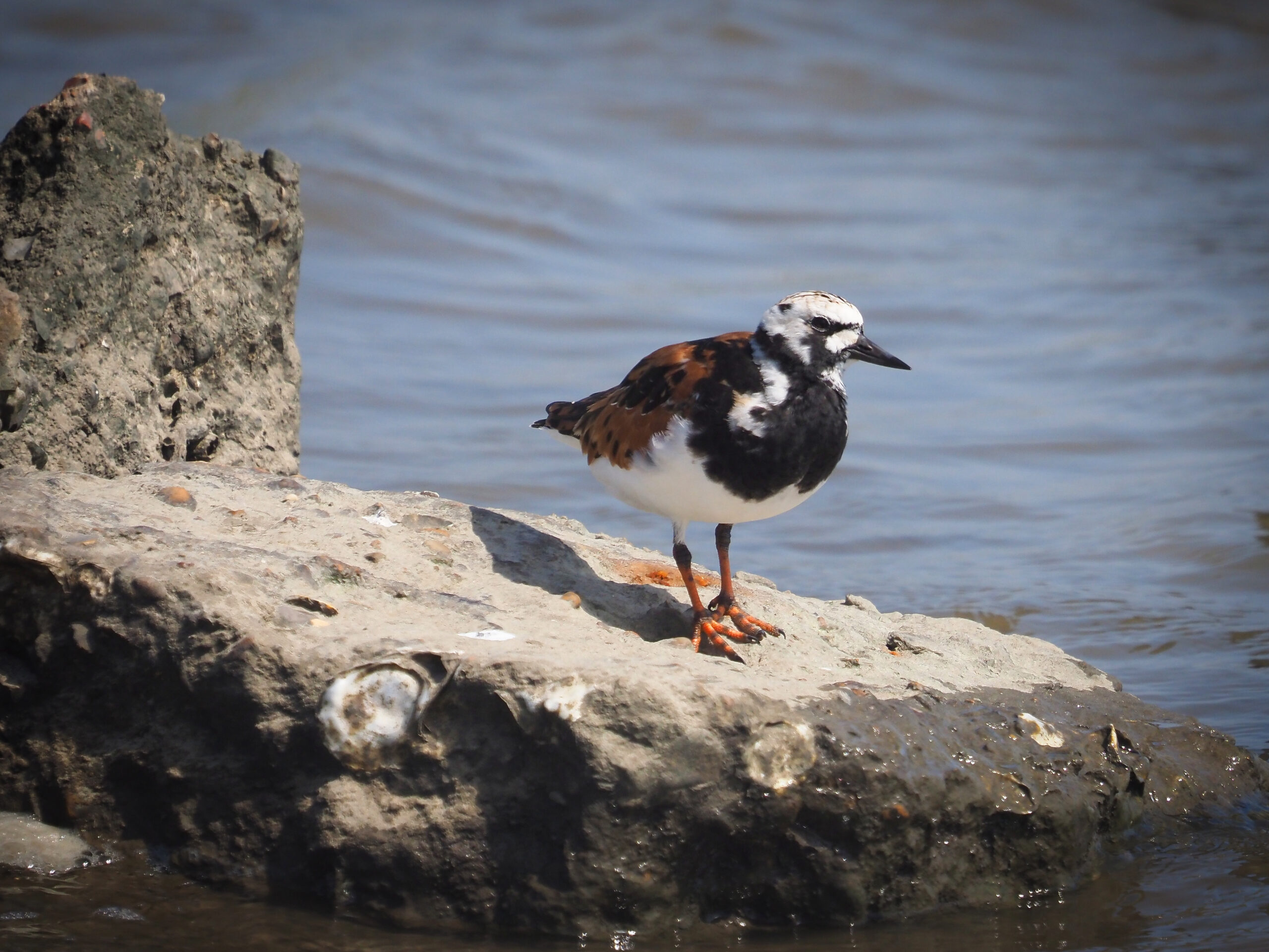
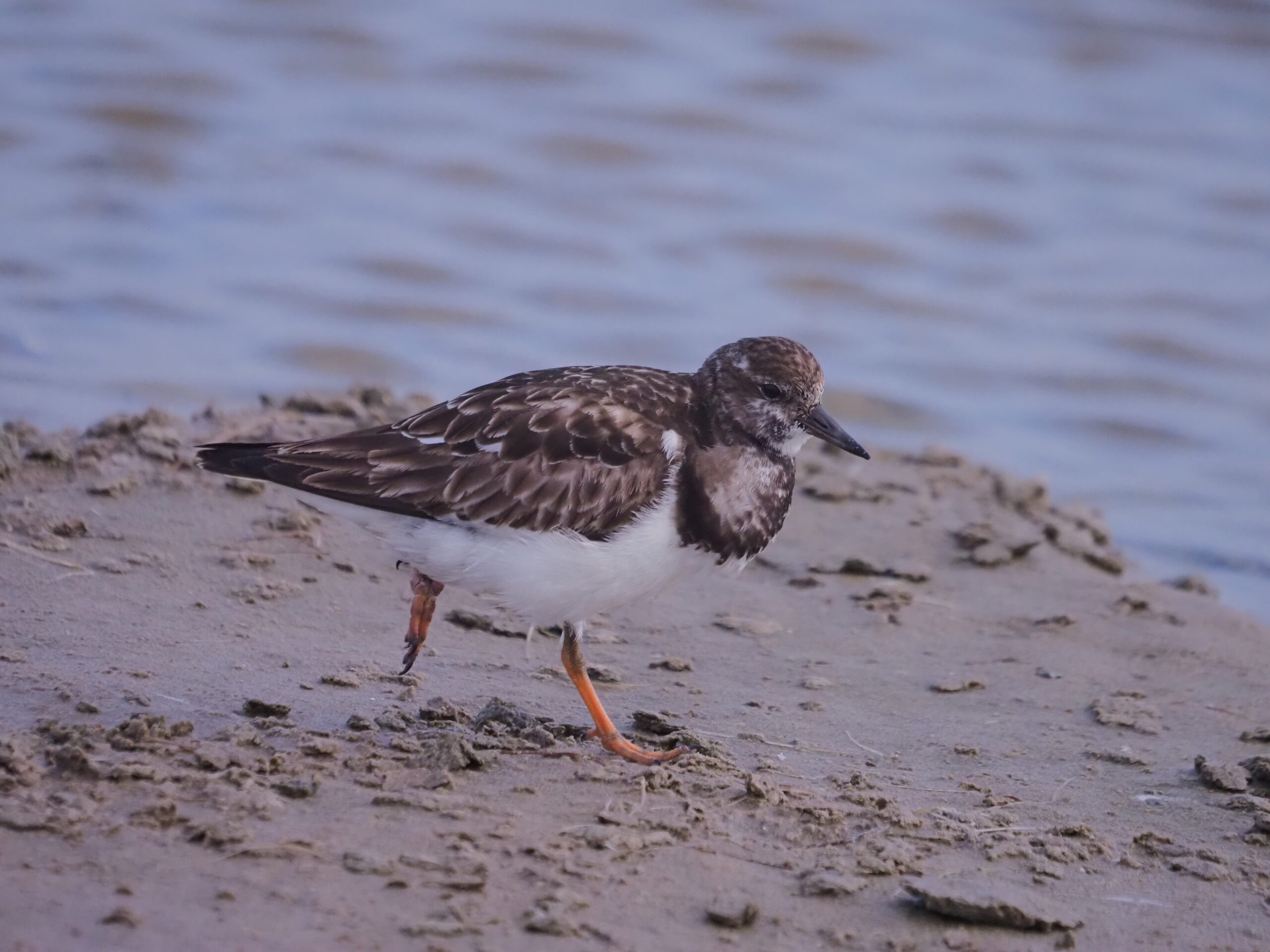
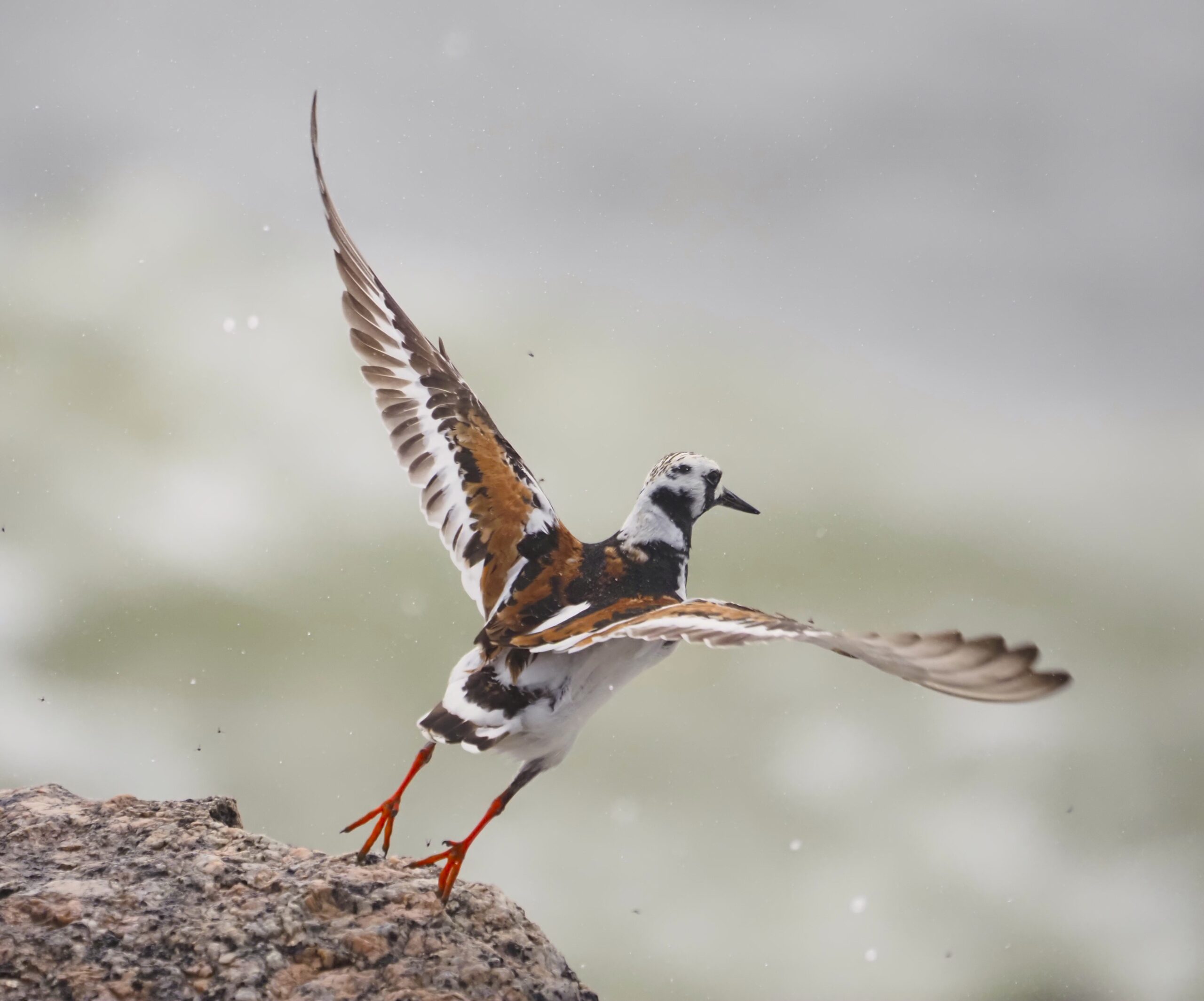
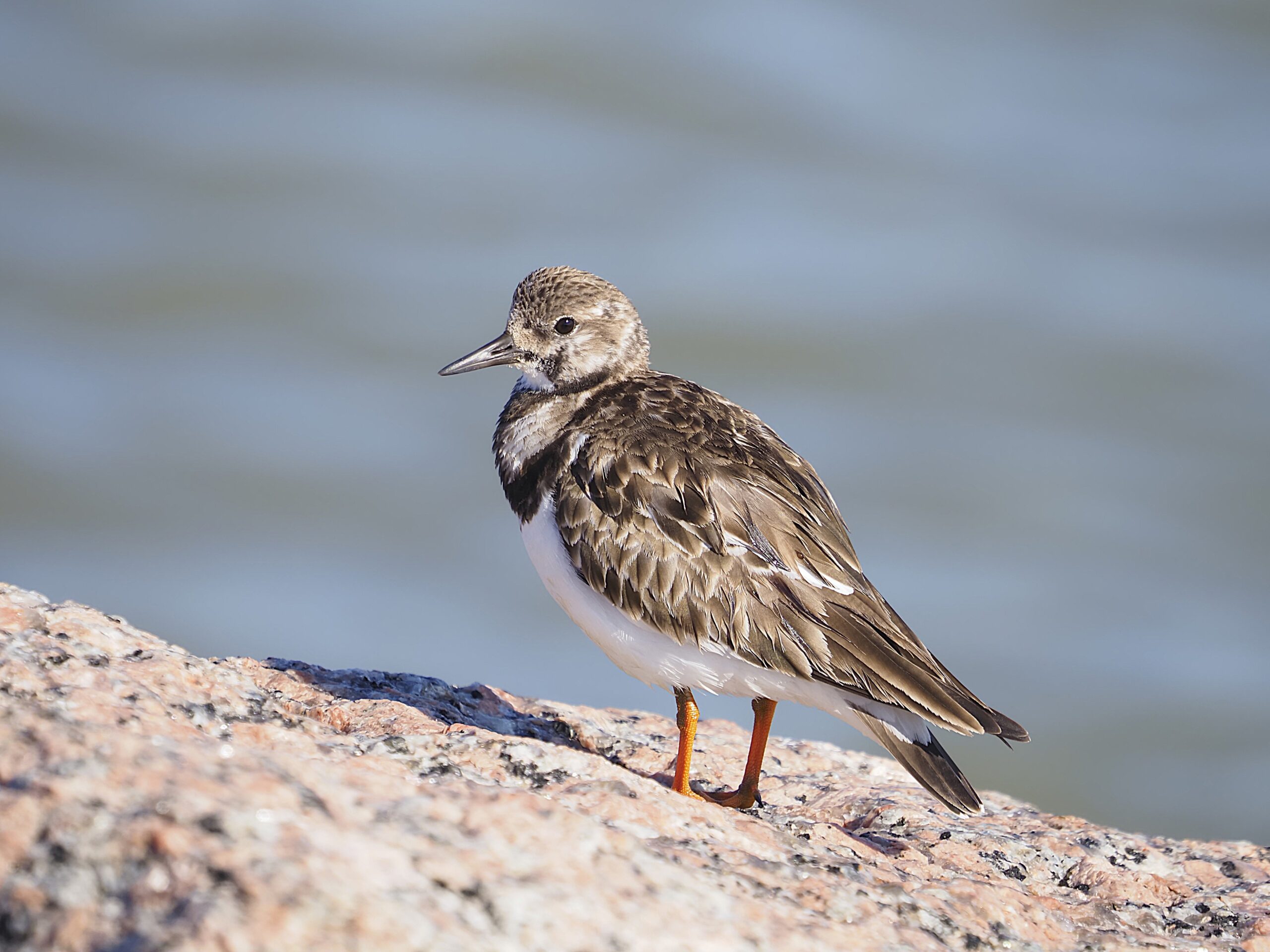
Although it breeds in the arctic, Ruddy Turnstone is common on the Texas Coast even in the middle of summer. In alternate plumage it is black, chestnut and white with swirls of black on the breast and face. Its slightly up-turned, chisel-like bill is used for (you guessed it!) turning over rocks, wood and debris in search of prey. The Ruddy Turnstone occasionally shows up at Hornsby Bend.
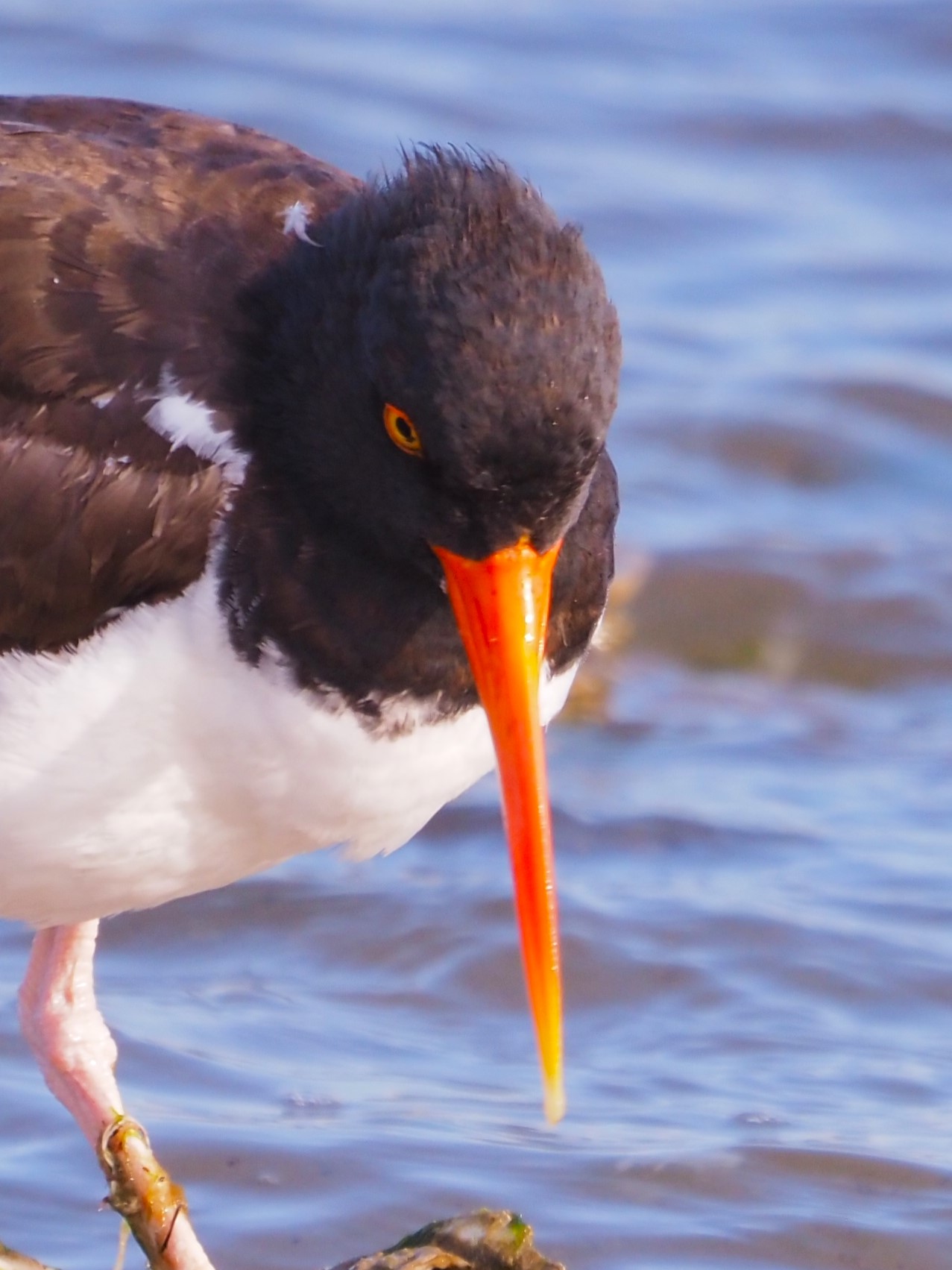
American Oystercatcher
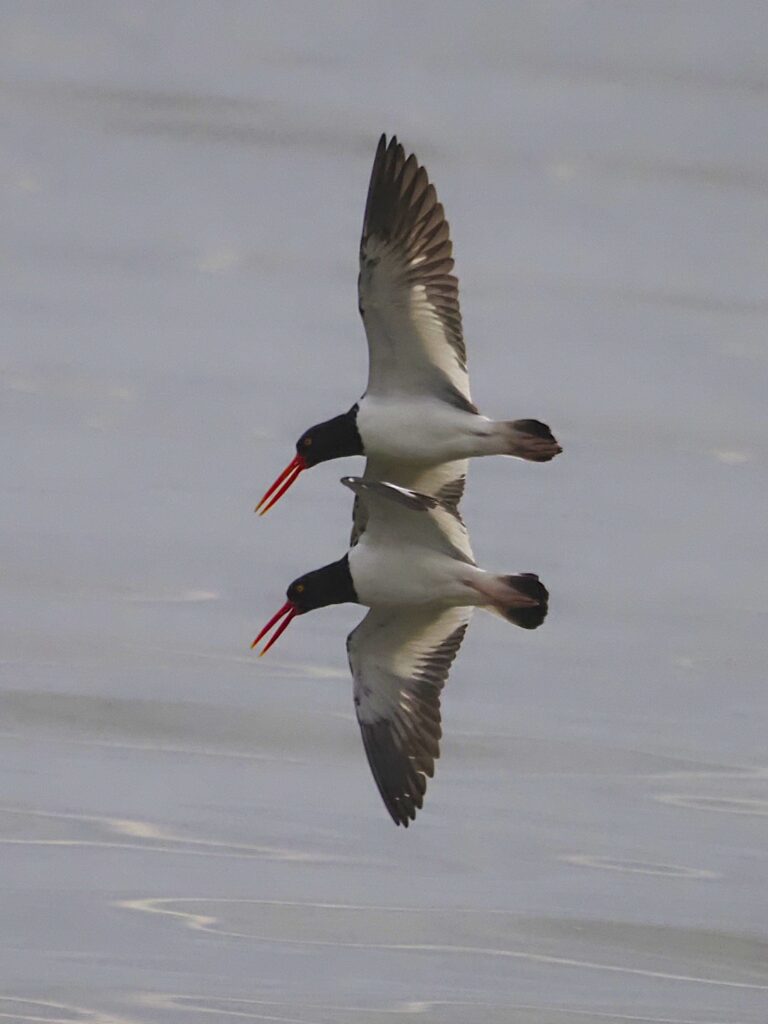
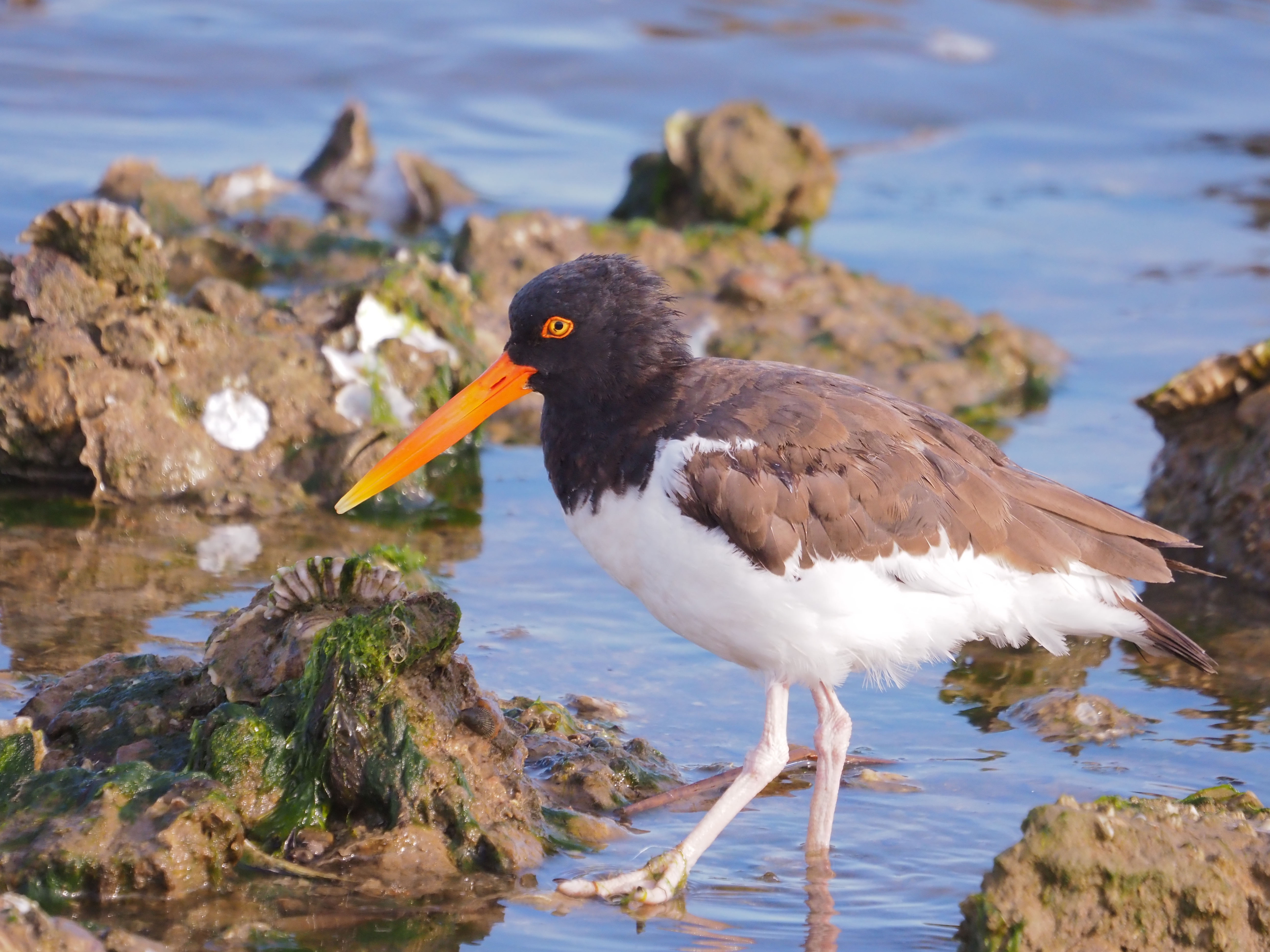
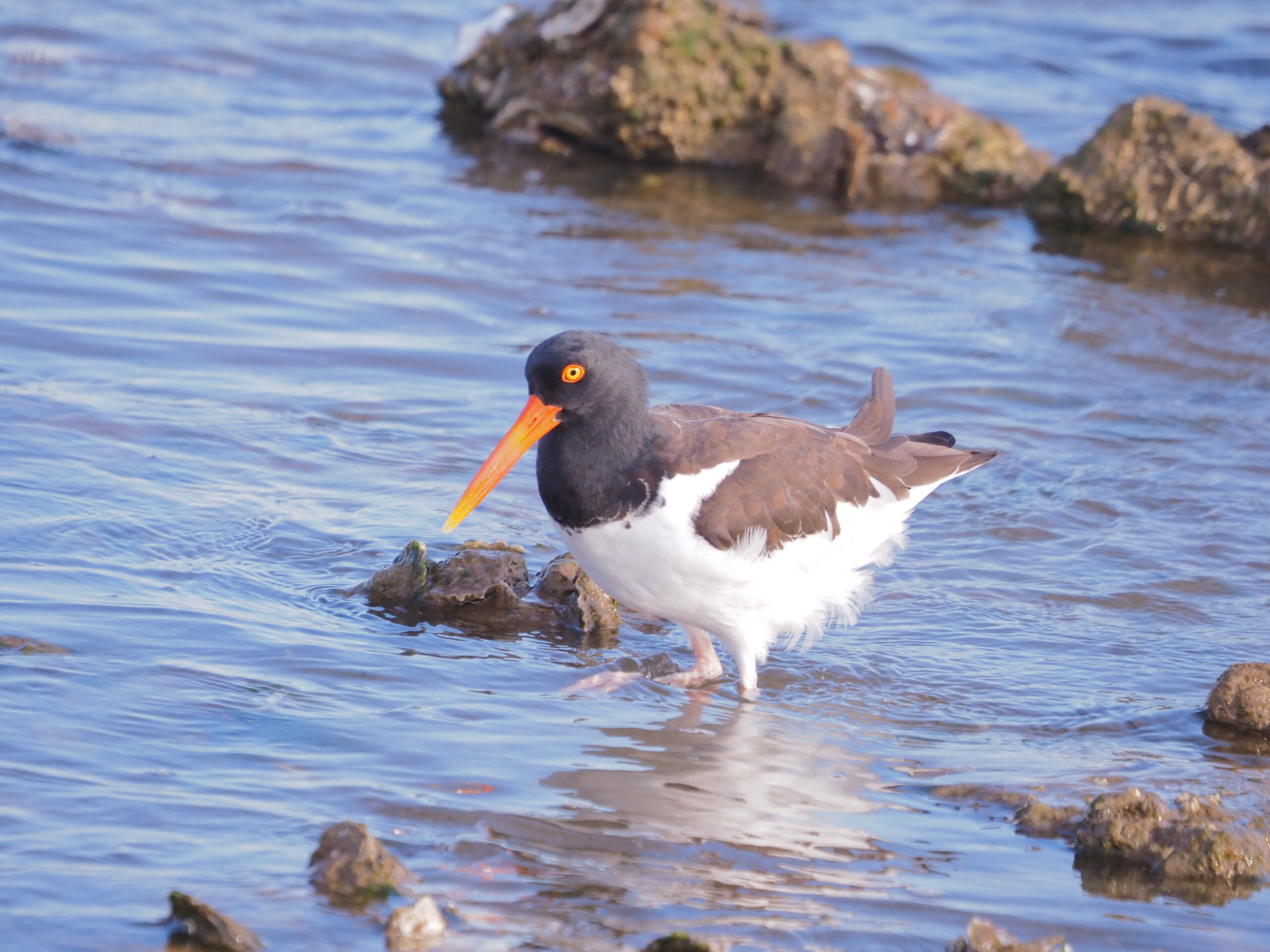
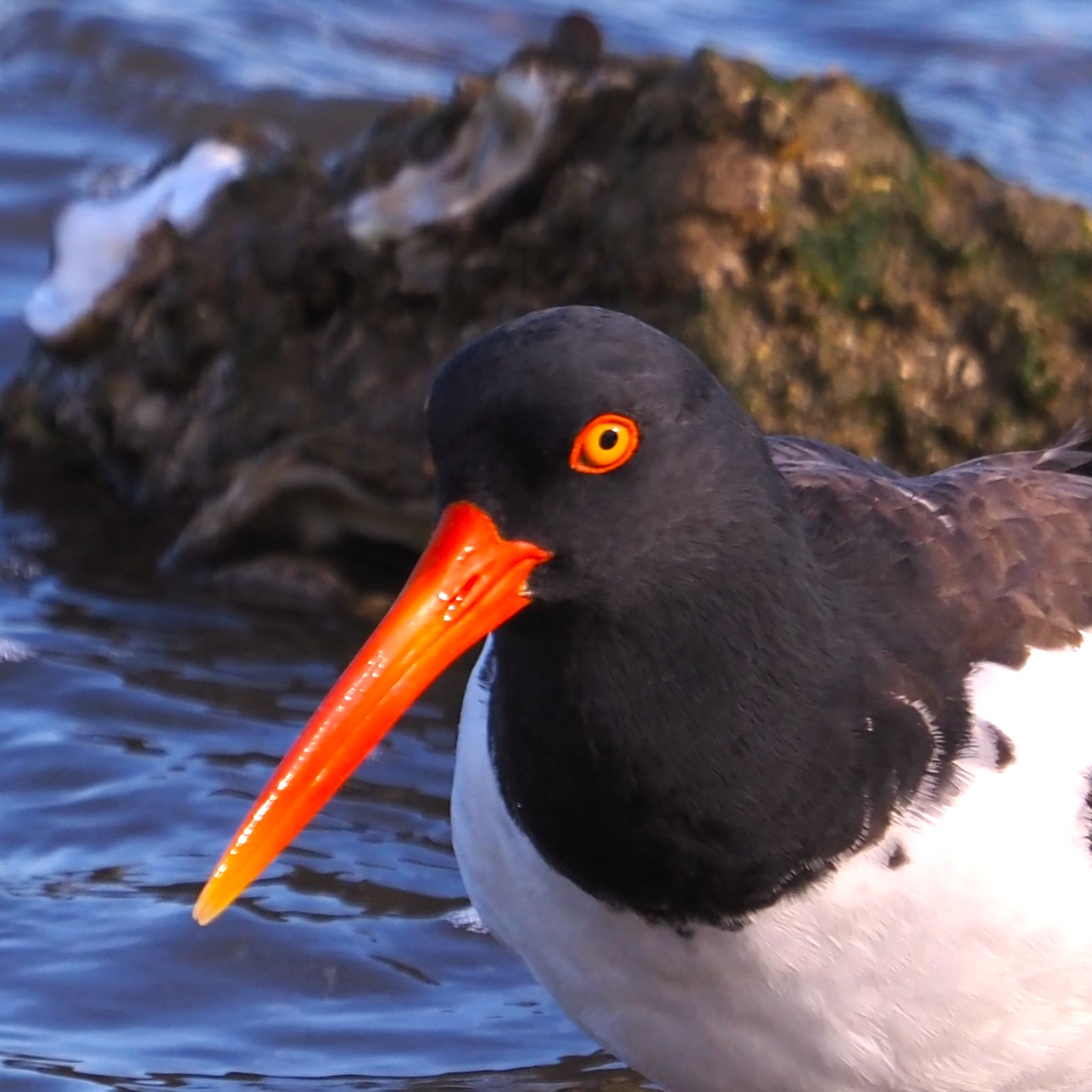
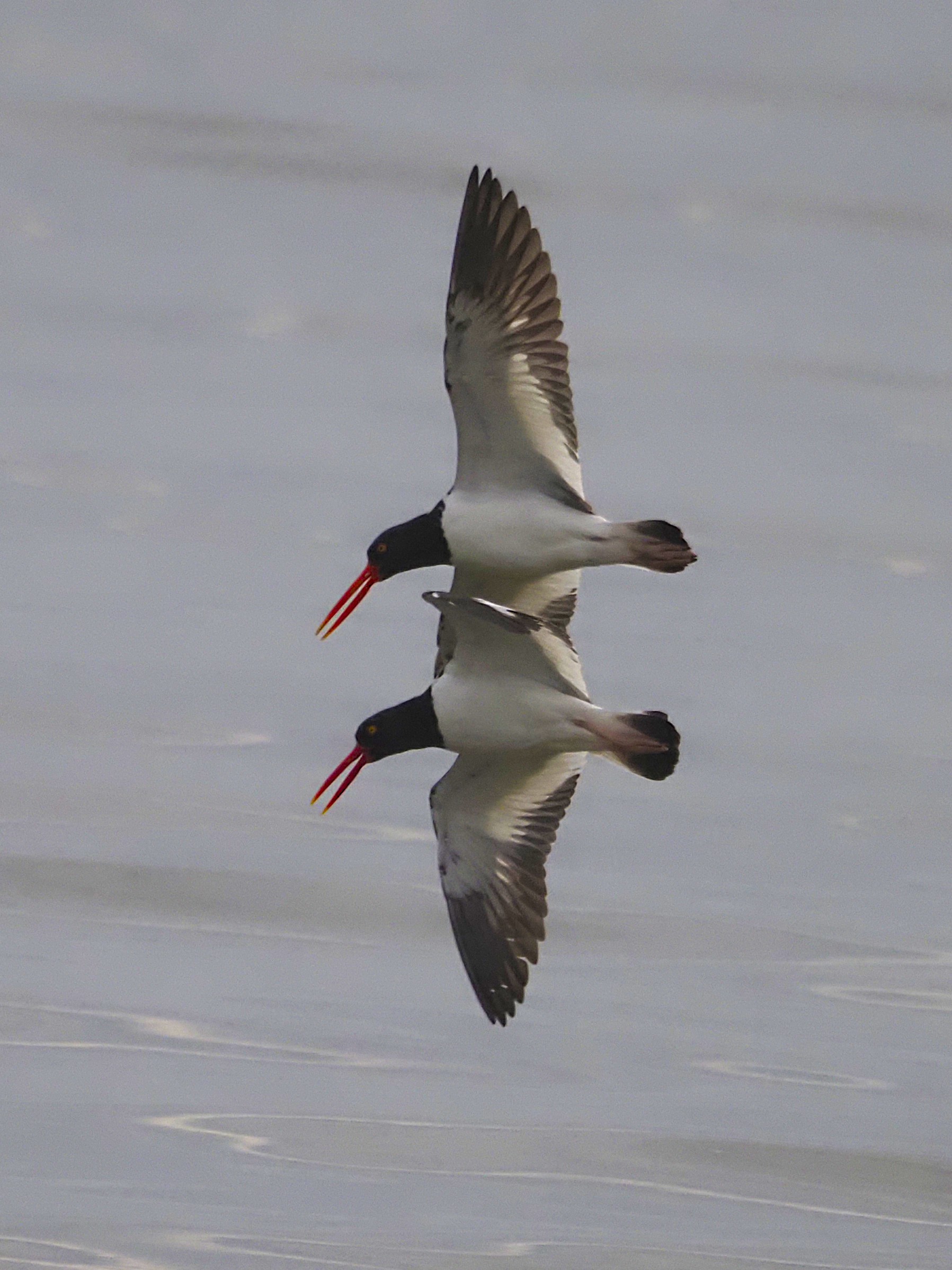
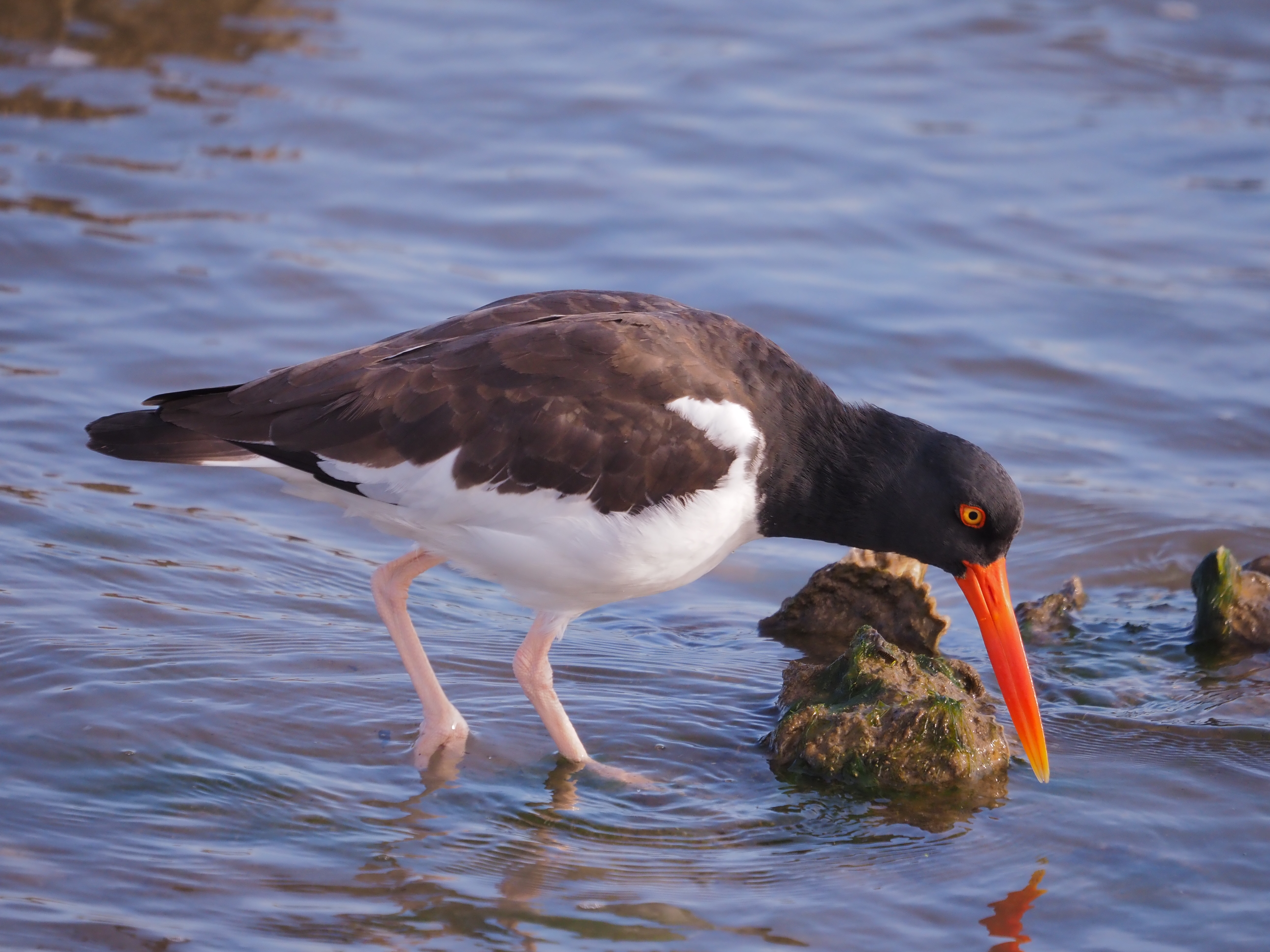
The American Oystercatcher is a permanent resident of Gulf Coast and Eastern Seaboard. It is pretty much unmistakable with its black, brown and white body, black head, and wide, orange bill, which has been described as “smoking a carrot”. The bill is used in at least two ways to feed on shellfish: if the bird can catch the shellfish while it is open, it uses its bill to severe the abductor muscle (which closes the shell); if the shell is not open, the bird pecks a hole in the shell to sever that muscle. The Oystercatcher eats marine worms and all sorts of shellfish, not just Oysters.
Black Oystercatcher
The Black Oystercatcher is a bird of the Pacific Coast. It has not been documented in Texas.