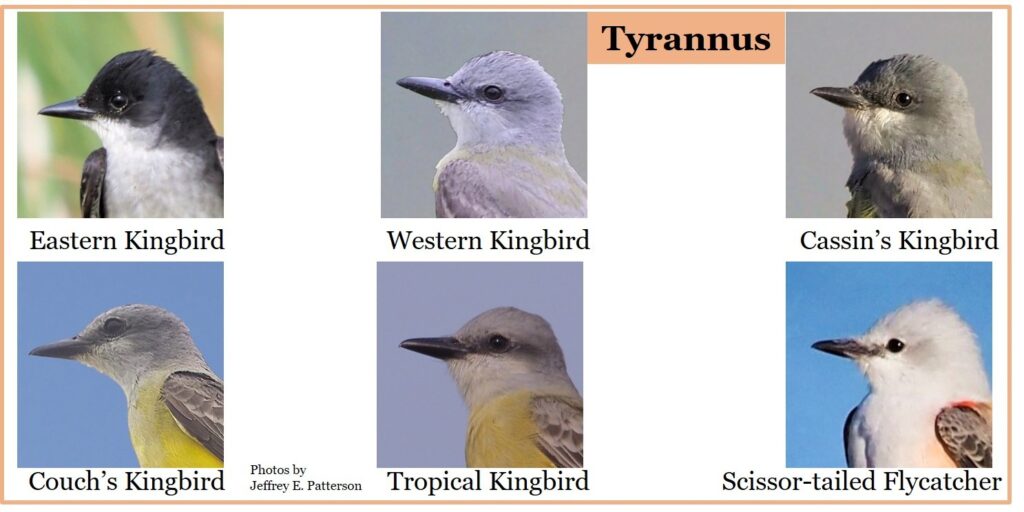
Eastern Kingbird
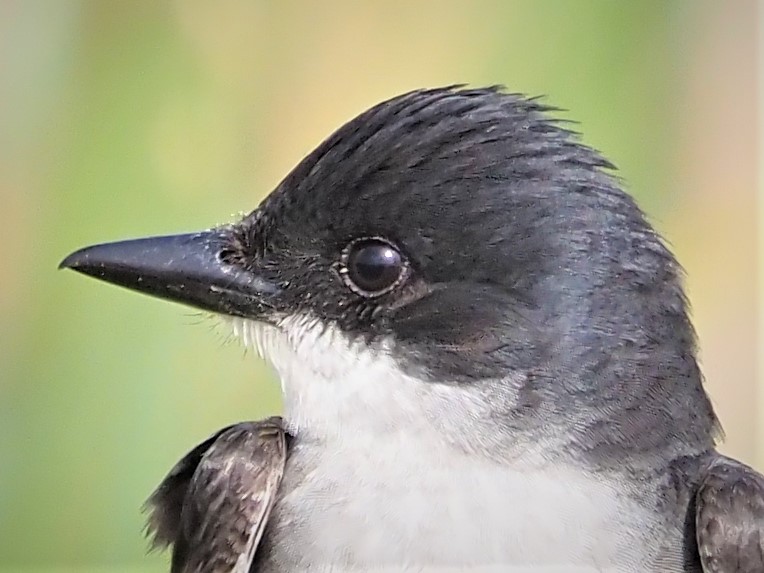
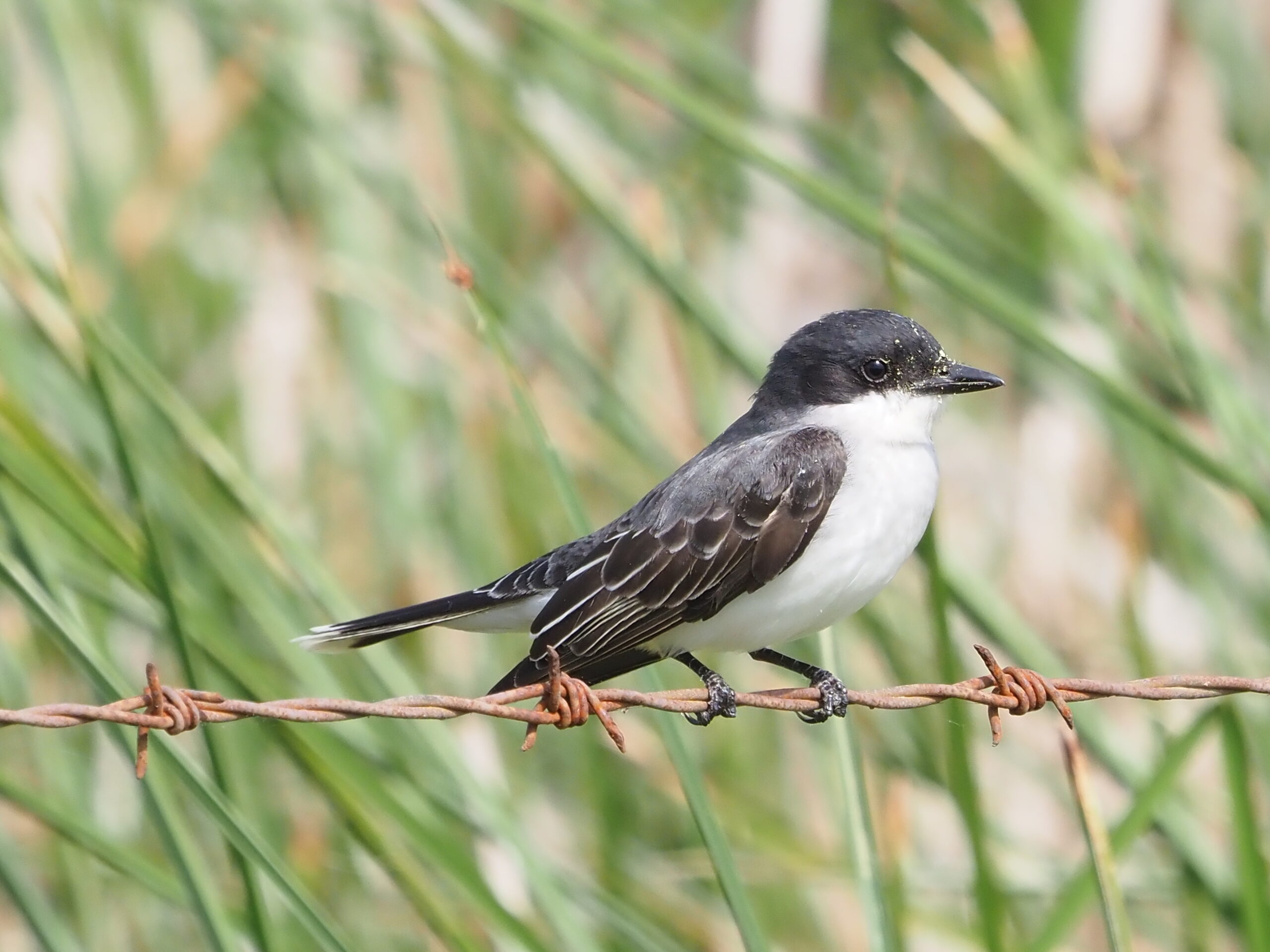
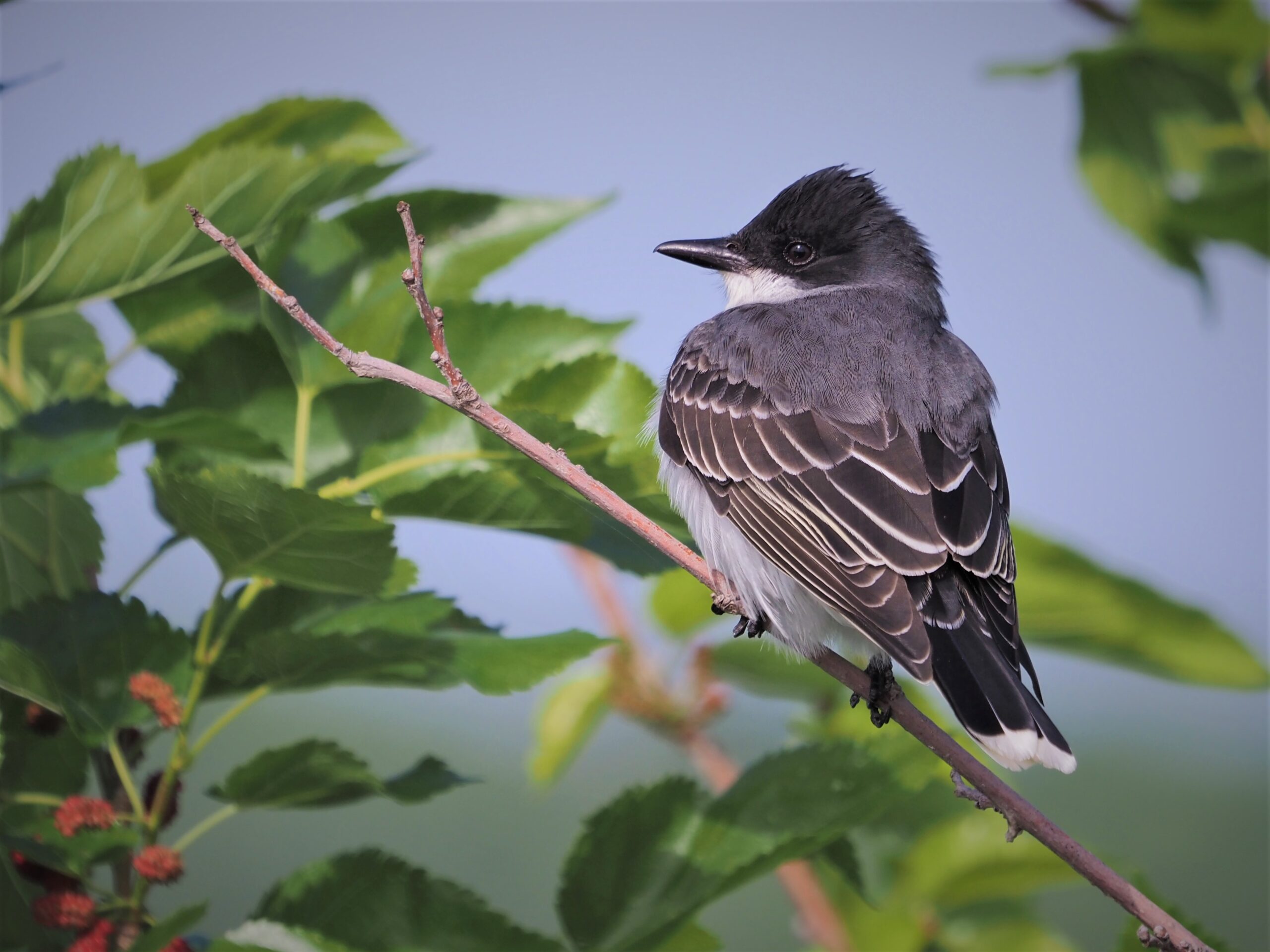
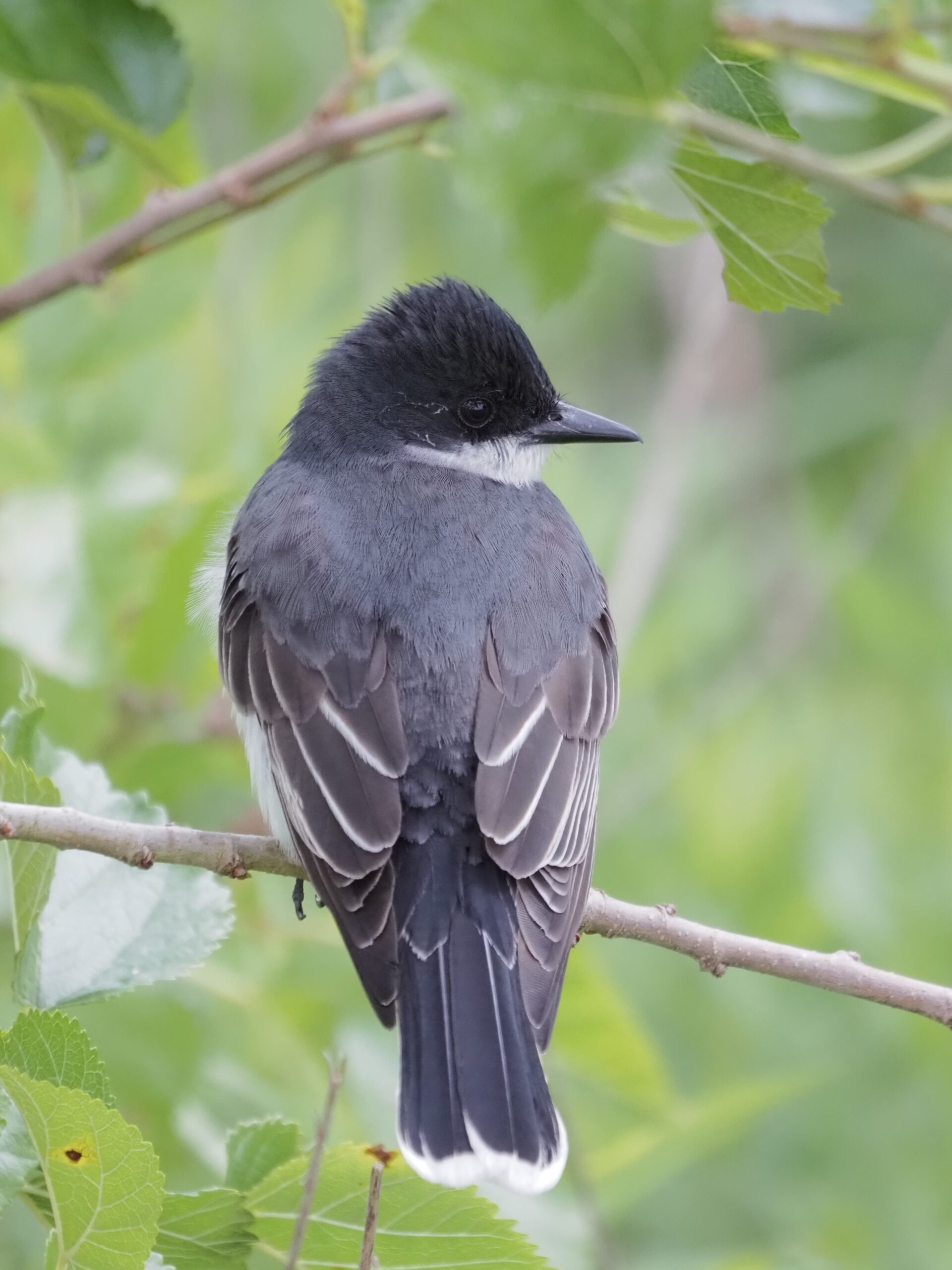
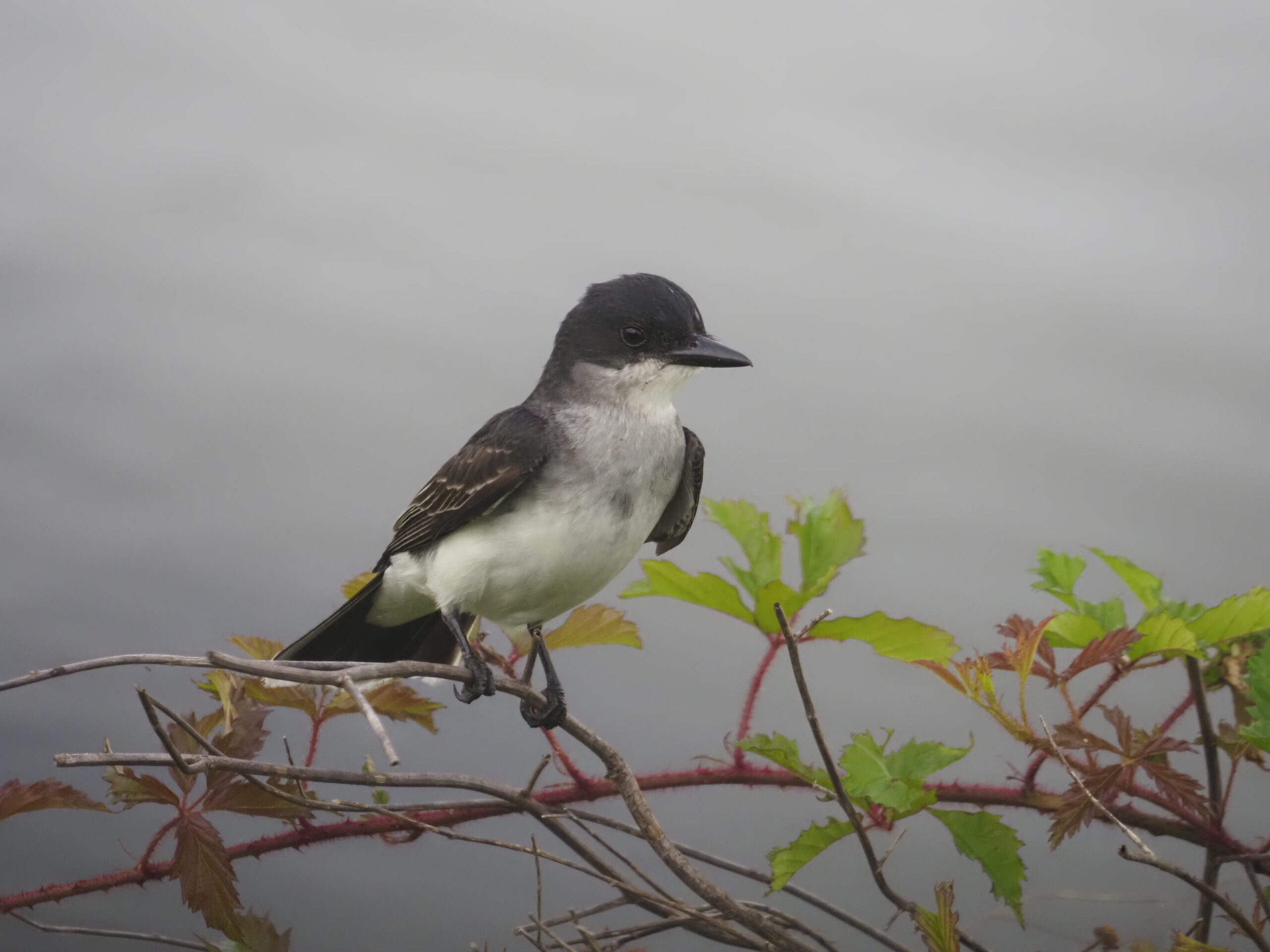
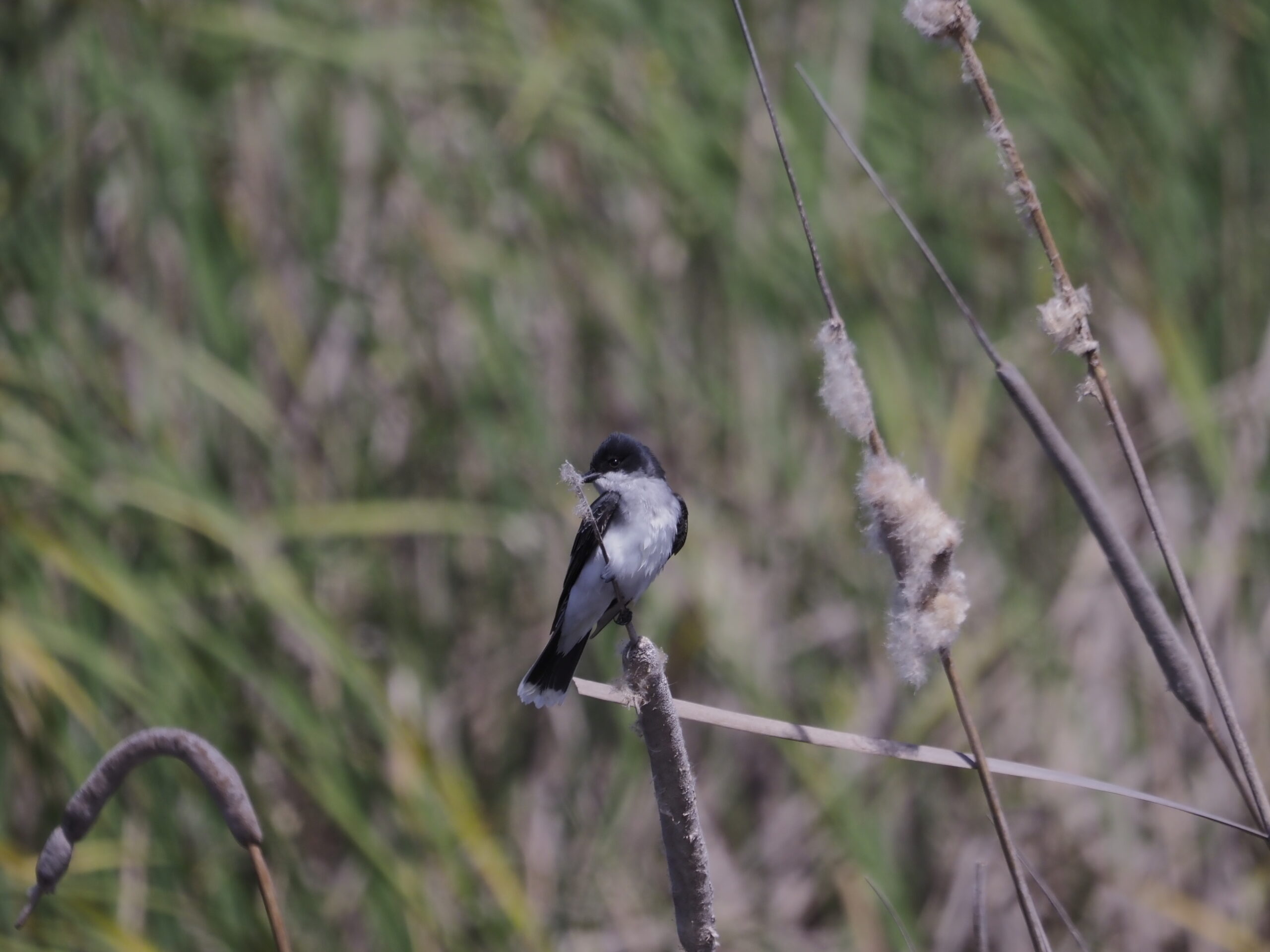
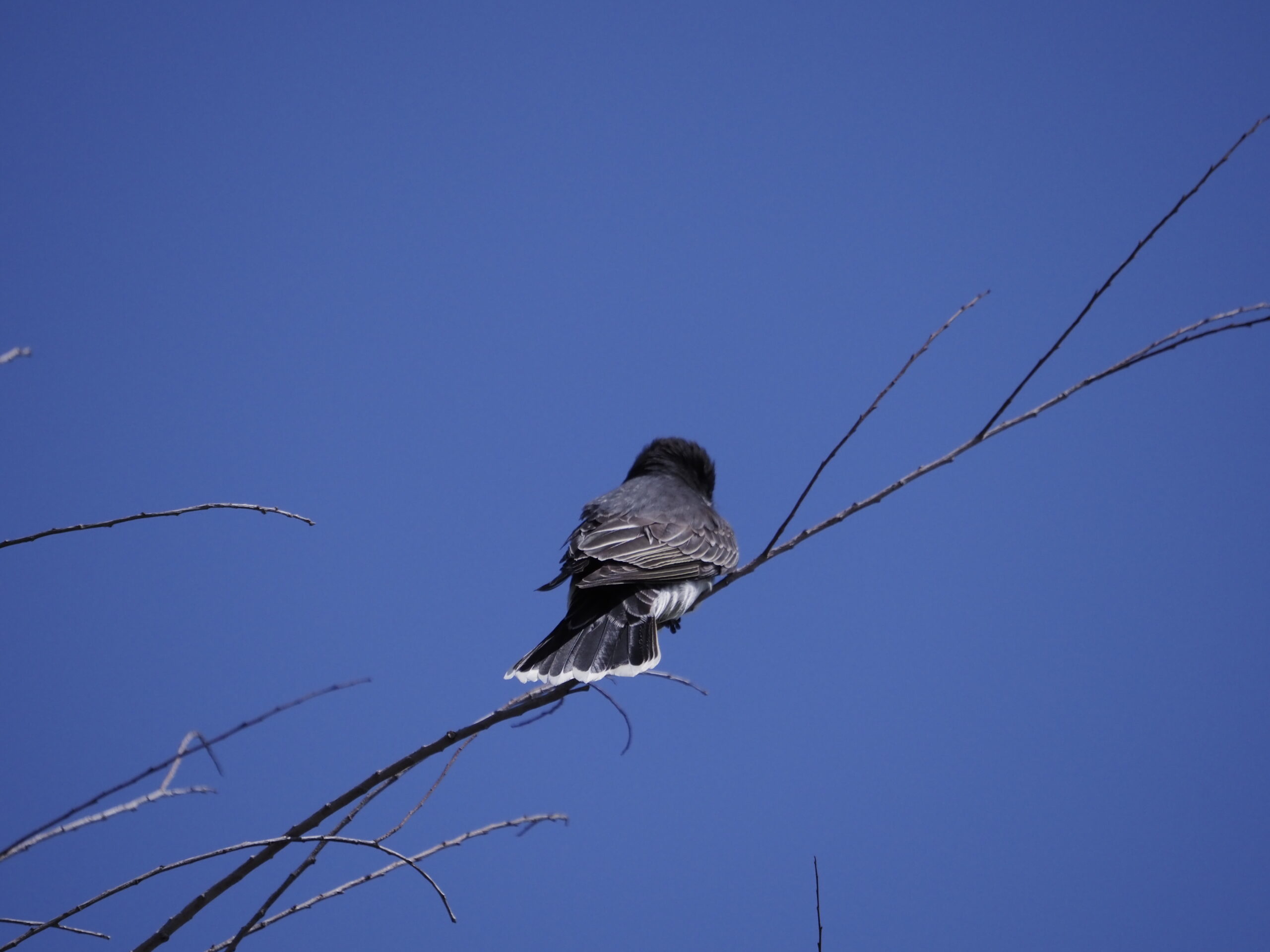
The Eastern Kingbird is a dapper black and white flycatcher with black or dark gray upper parts and white and pale gray lower parts. If seen fleetingly, the black tail with the white tip is a good clue, as are the distinctive, mostly dark underwings.

“Yellow-bellied Kingbirds”
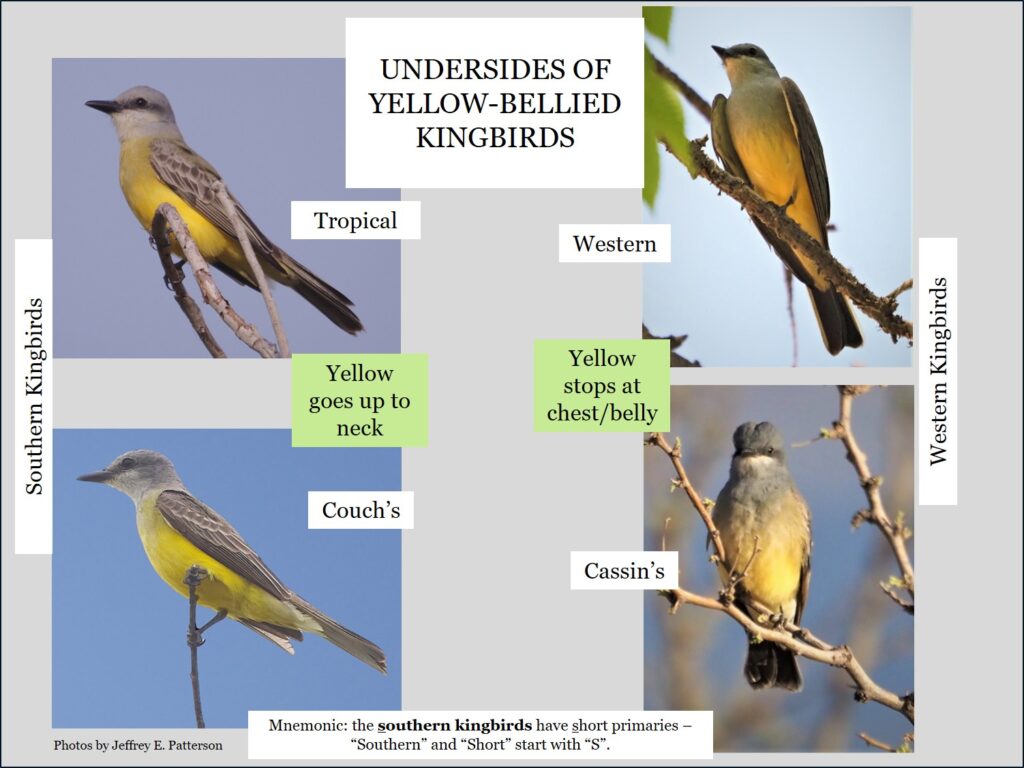
There are 4 “yellow-bellied kingbirds” regularly appearing in Texas: the Western is the most widespread occurring throughout the state; the Cassin’s is primarily found in the Trans-Pecos; both the Couch’s and the Tropical were formerly considered to be birds of the Rio Grande Valley, but their ranges both appear to be trending northward over the past 10-20 years. (Ebird range maps for 4 species below). The Western and Cassin’s can be thought of as “the Western Kingbirds“, with the Couch’s and Tropical as the “Southern Kingbirds“. Each of these 4 has a distinctive and fairly stereotyped voice, therefore this is the best method of identification, (if the birds are willing to vocalize!).

Formerly the Couch’s was considered a subspecies of the widespread Tropical, but studies in the mid-1960s showed their quite different vocalizations and the Couch’s was changed to full species status in 1979.
Visually, the Couch’s and Tropical are best differentiated from Western and Cassin’s by their vivid yellow undersides. On the 2 Southern Kingbirds the yellow goes all the way up to the neck, while on the Western Kingbirds it stops lower down the chest.
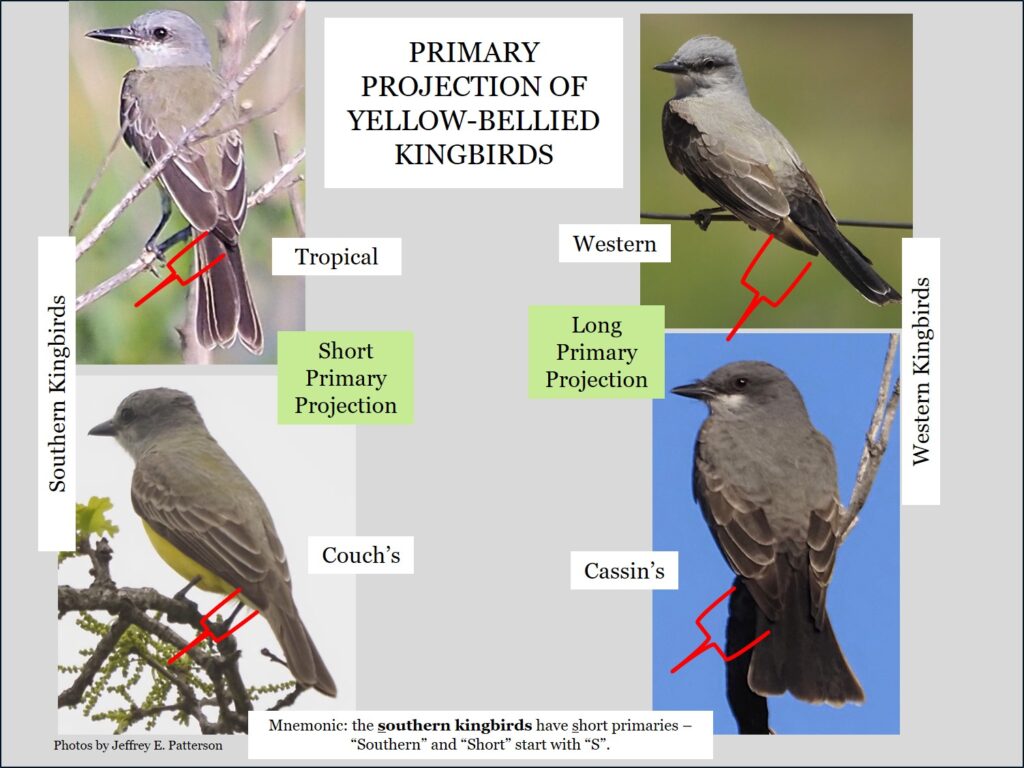
Couch’s & Tropical also have shorter primary projections than Western & Cassin’s. If one remembers the distribution of these kingbirds a mnemonic that may help recall primary lengths is “Southern Kingbirds have short primaries” (both “southern” and “short” start with “S”).
Western Kingbird
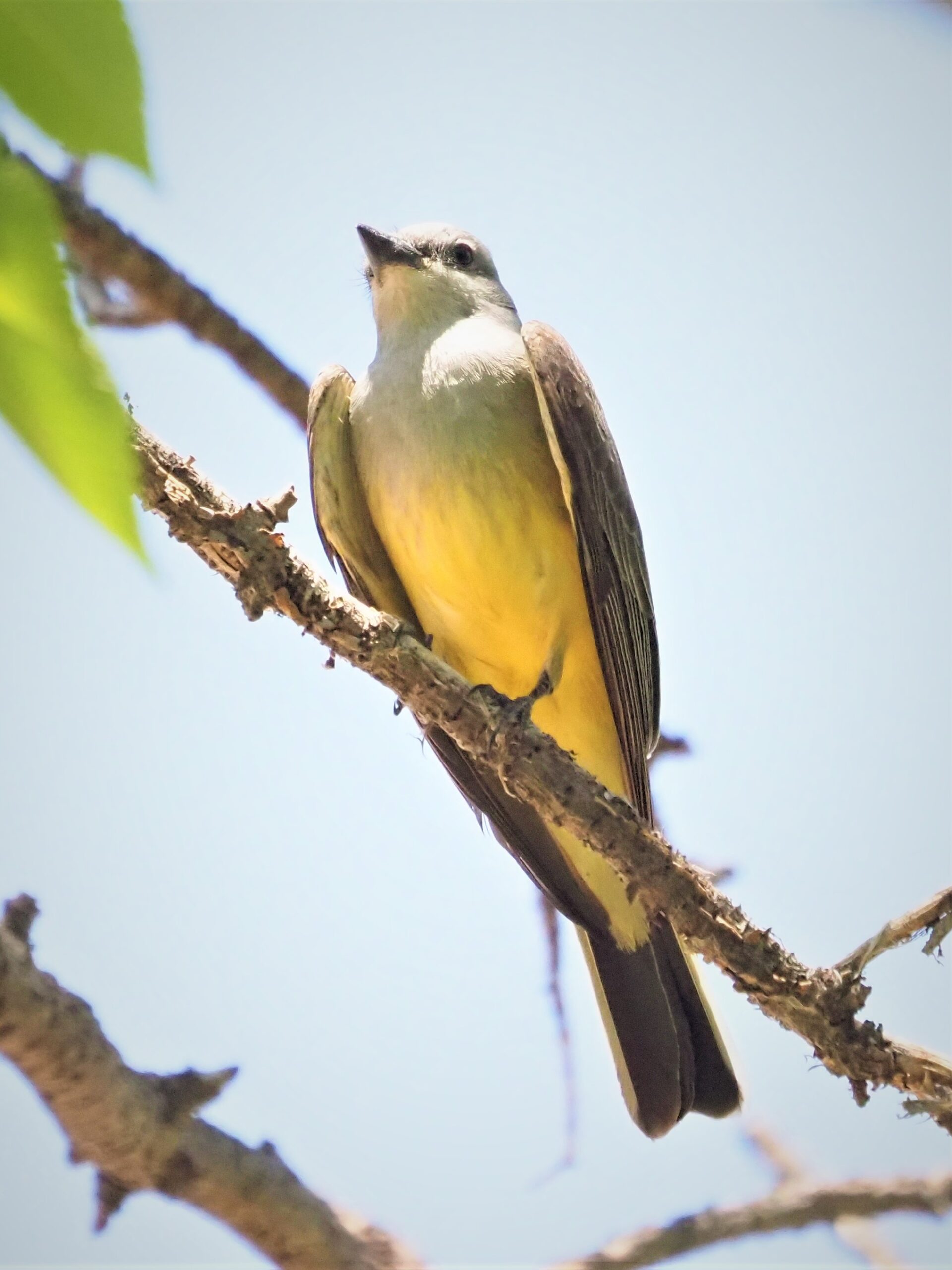
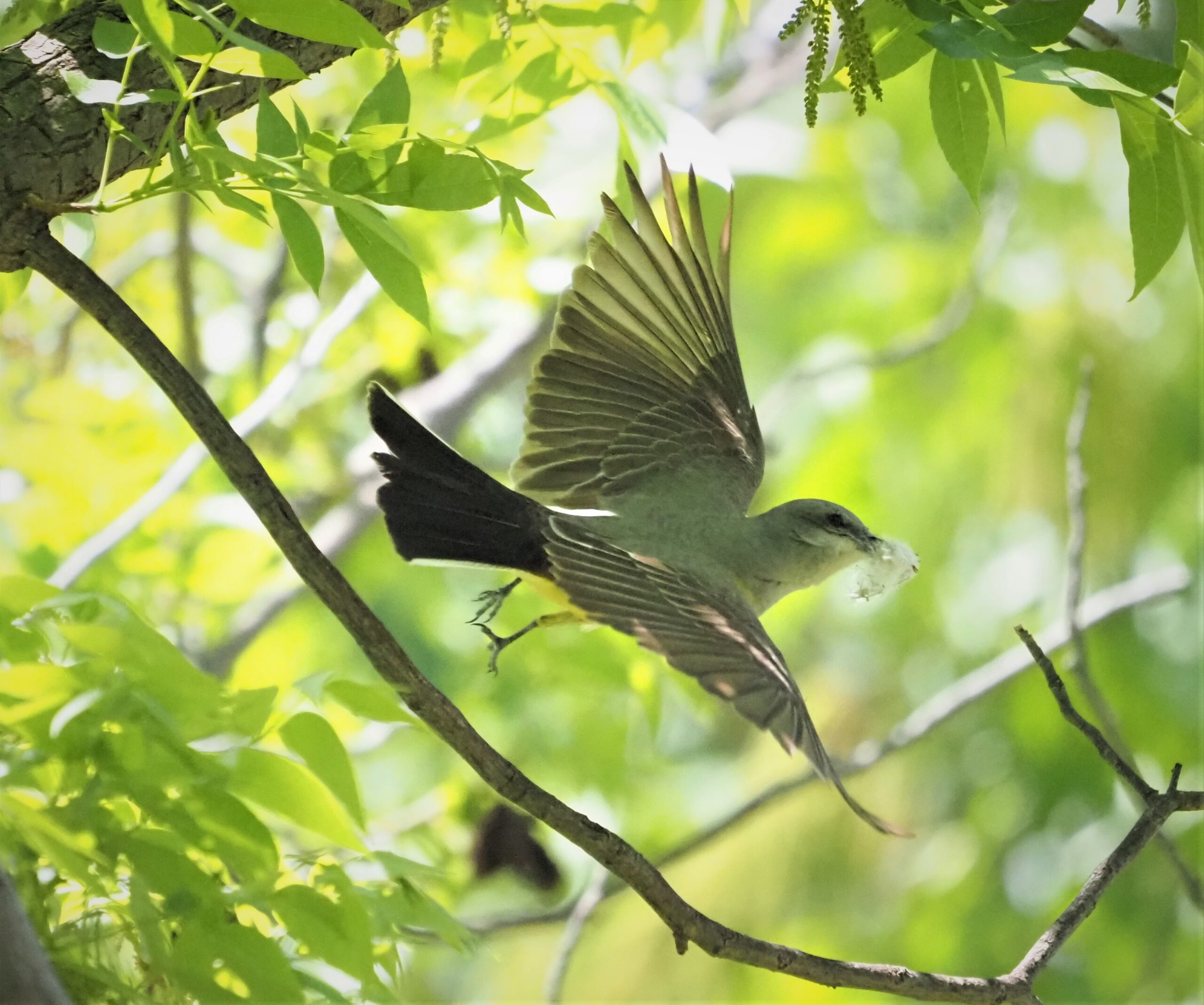
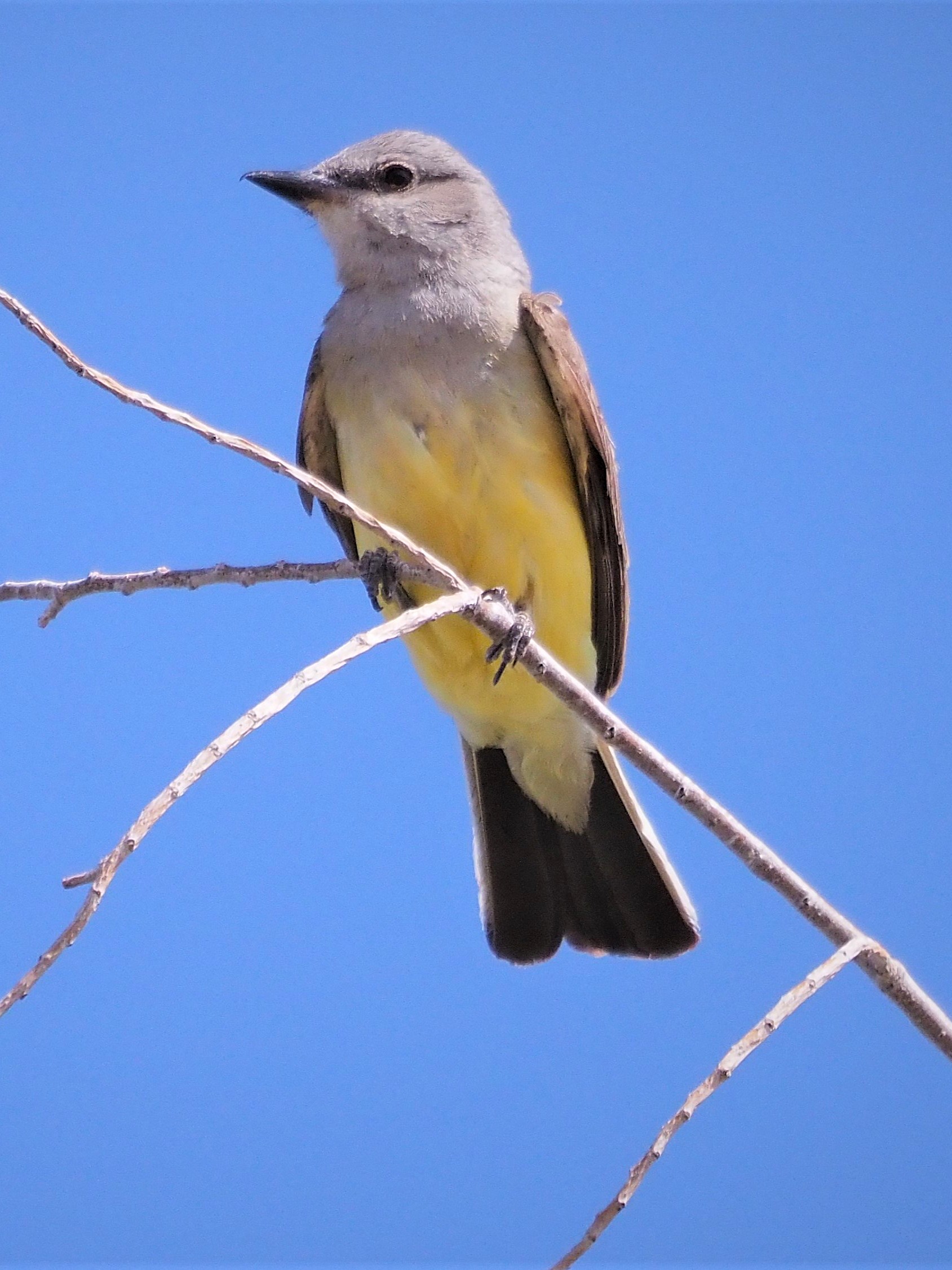
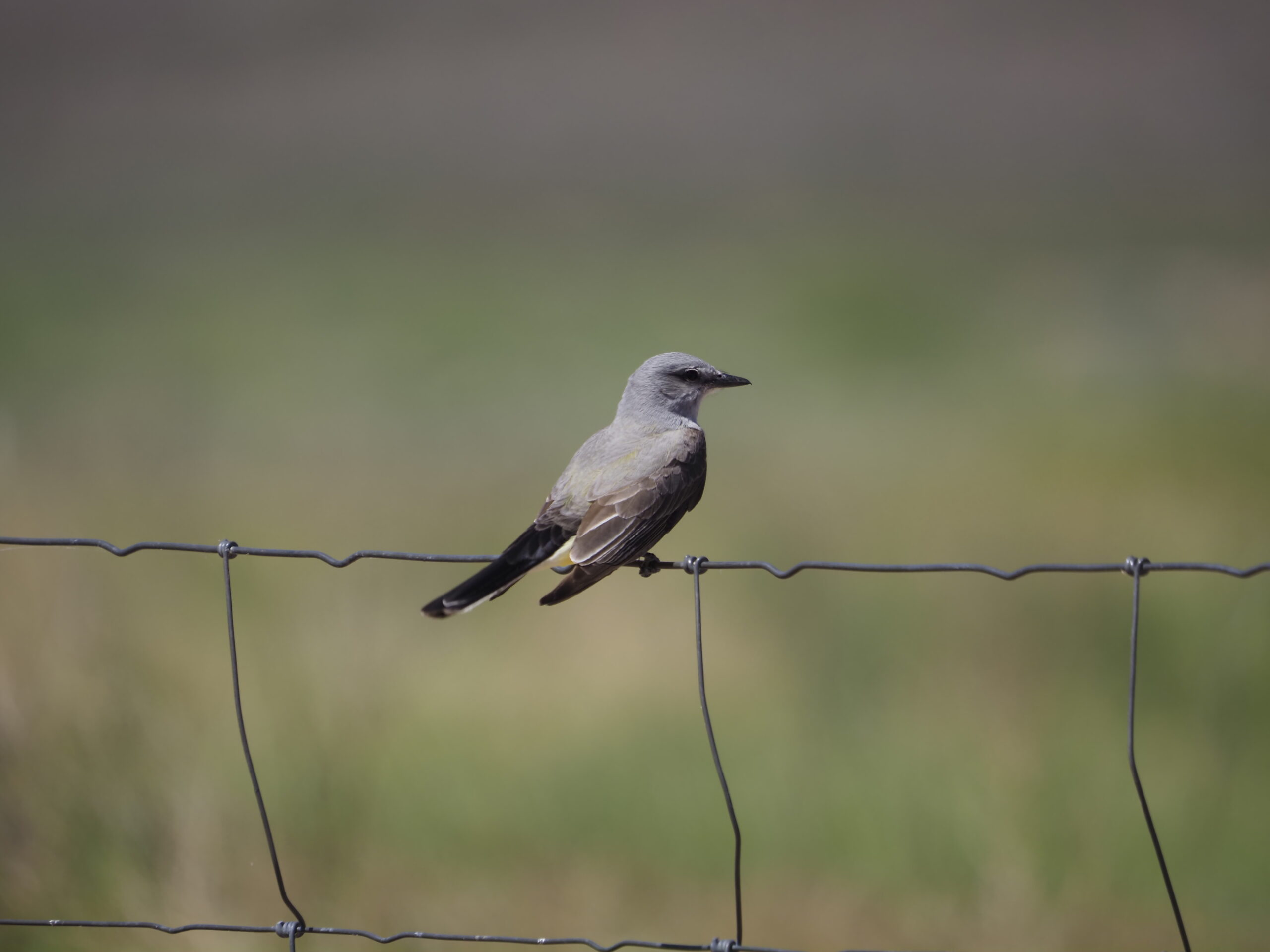
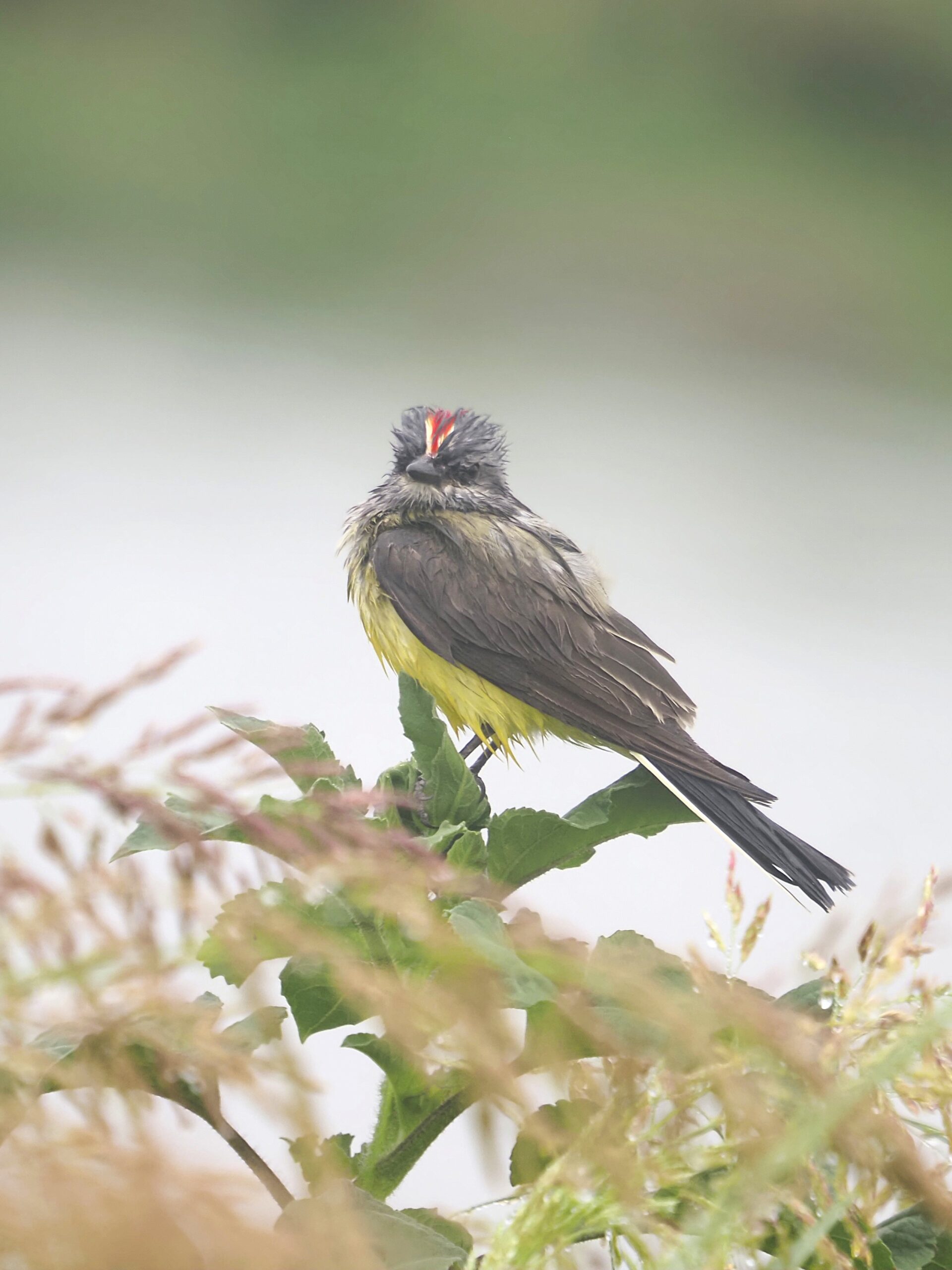
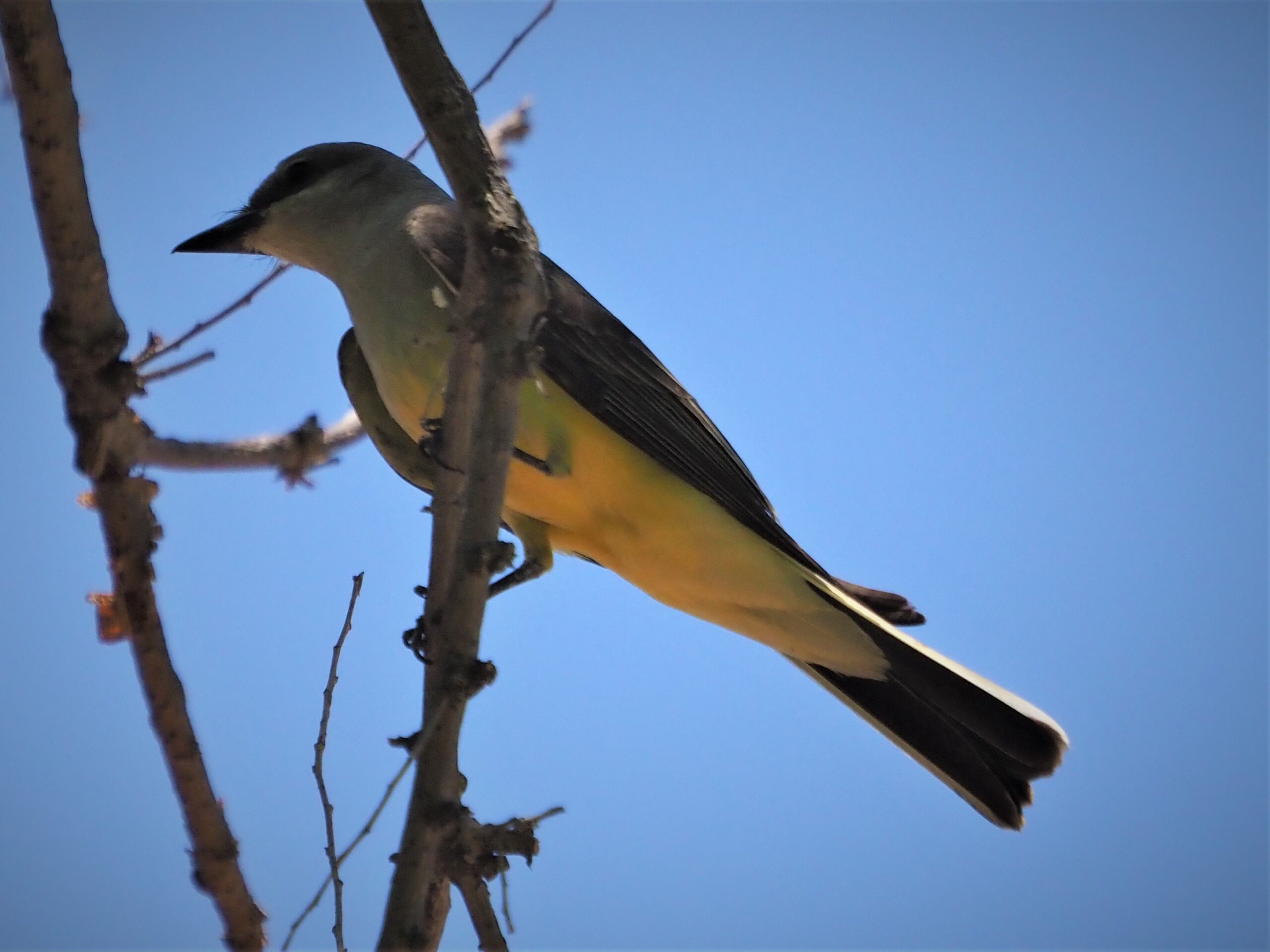
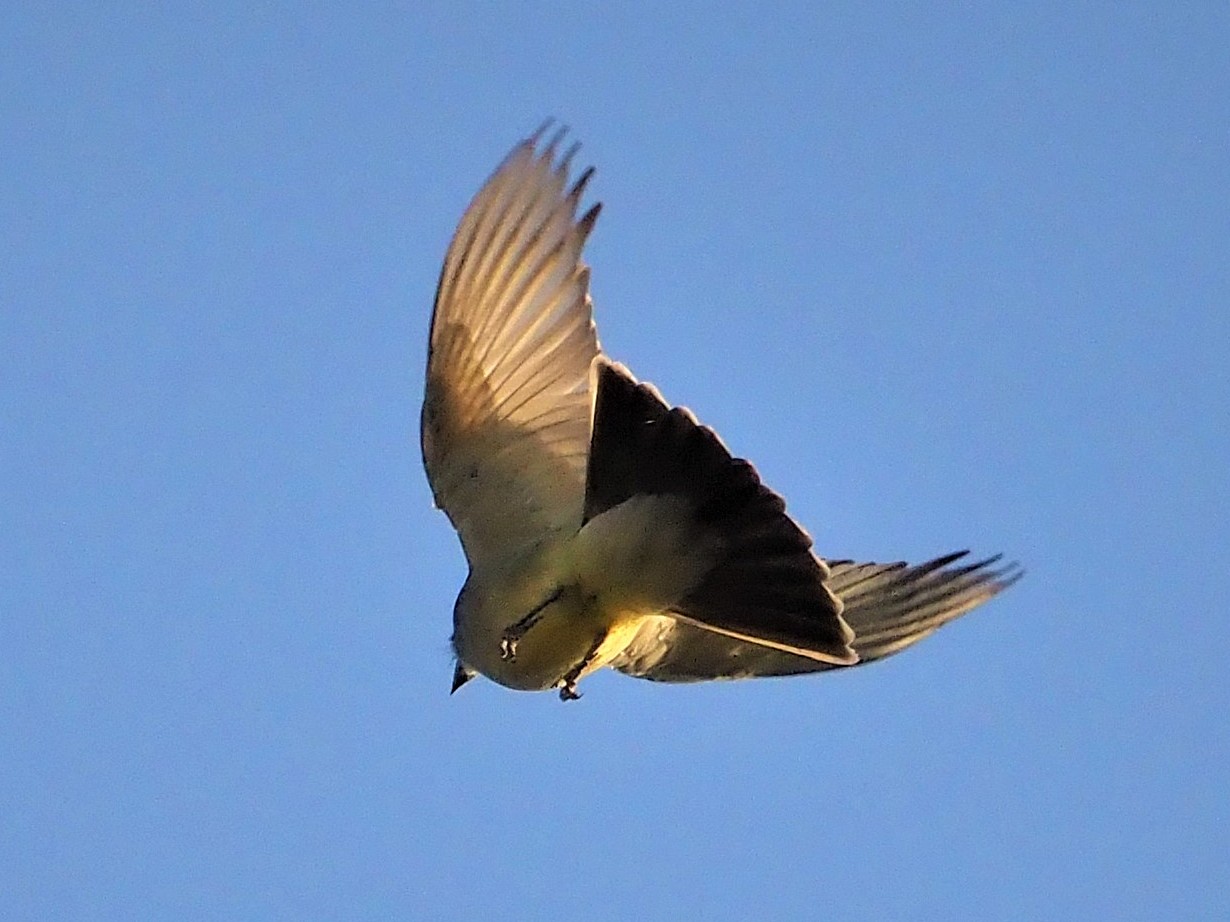
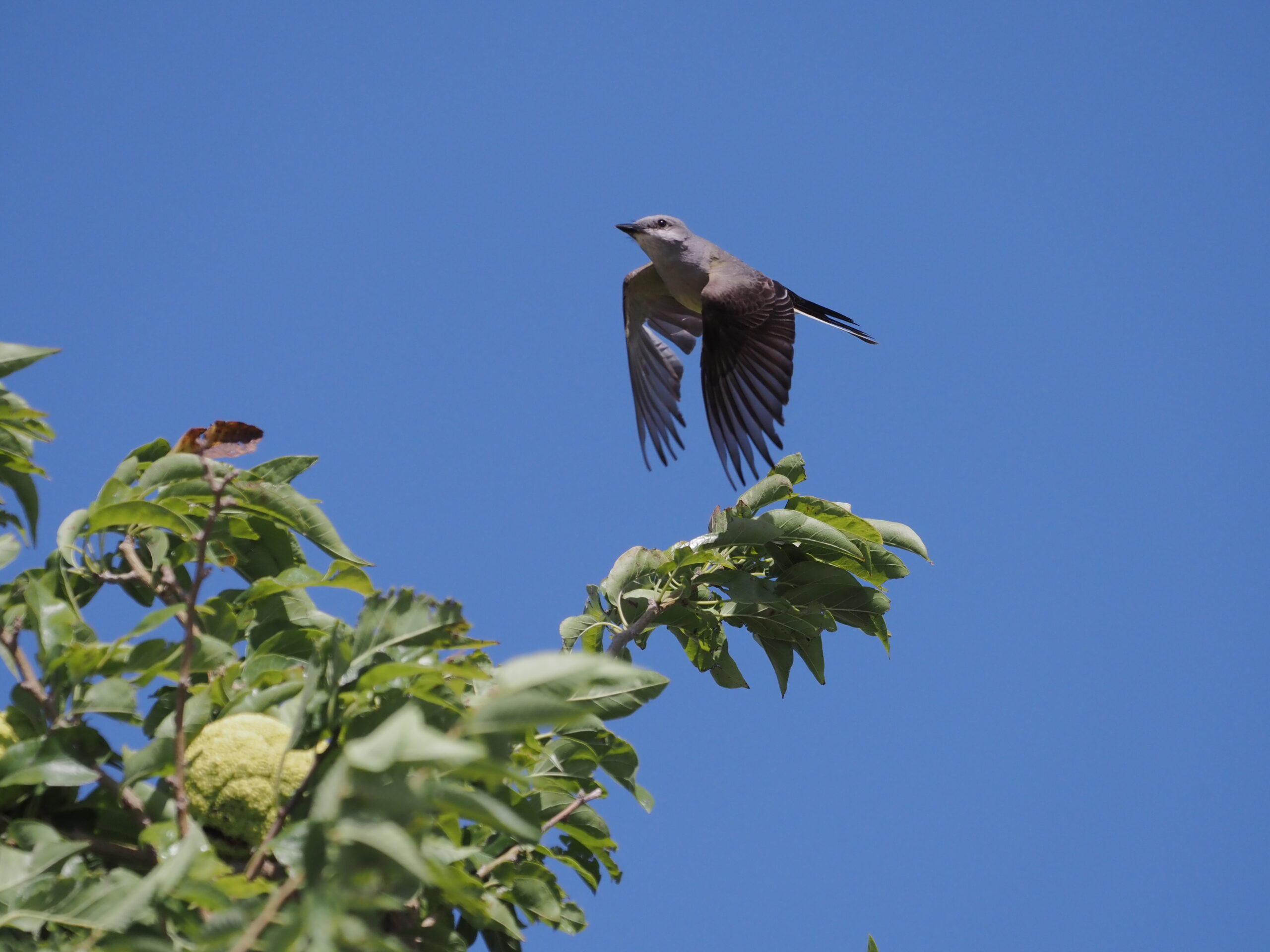
The Western is the most common and widespread of the yellow-bellied kingbirds. In comparison with Couch’s & Tropical, the Western’s yellow can be less-vivid and is restricted to lower on the chest, whereas in the other 2 species the yellow is usually brighter and comes all the way up to the neck.
As seen in several of the photos below, the Western is known for its black tail with white outer tail feathers, however this field mark can be hard to observe accurately on a Western due to lighting conditions, feather wear or molt status. Other kingbirds may also appear to exhibit this field mark at times.
Cassin’s Kingbird
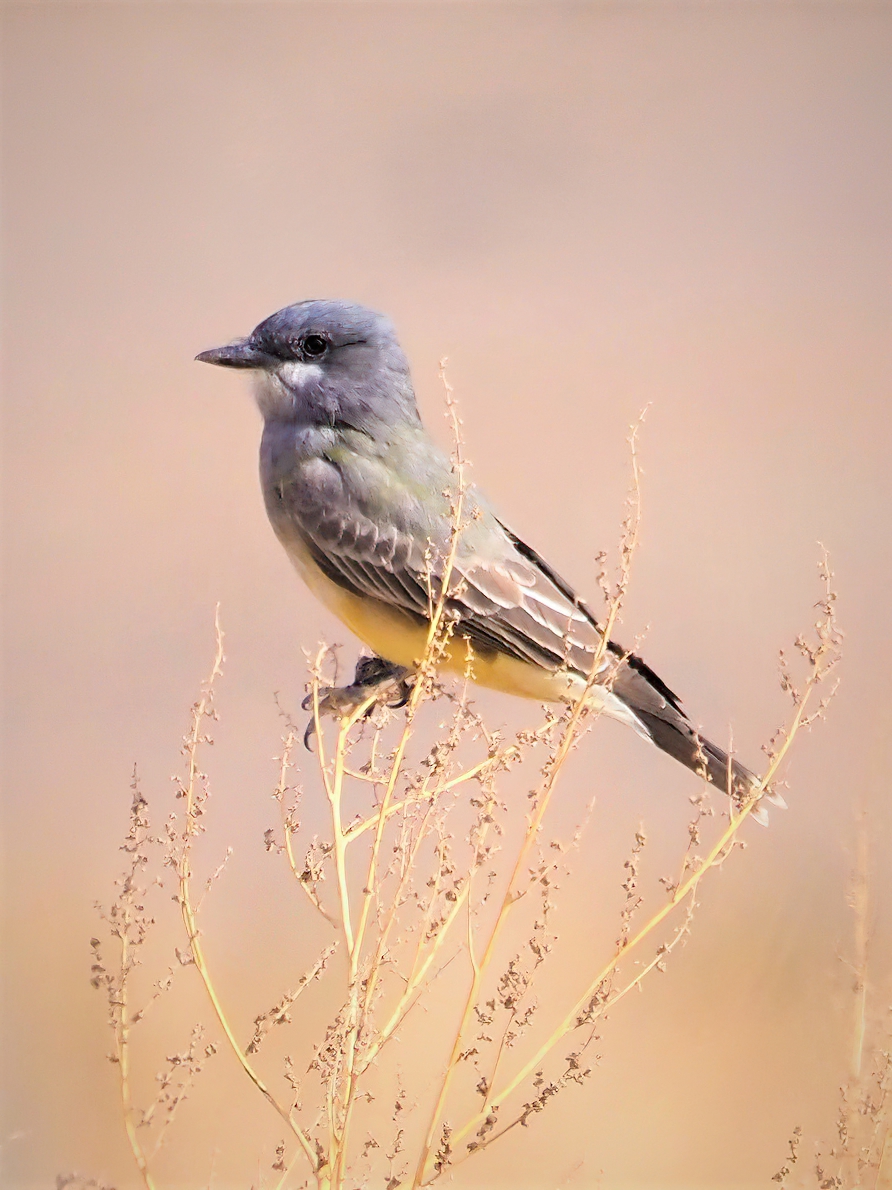
The Cassin’s Kingbird is generally found west of the Pecos River, though it does wander throughout North America. Like the Western the yellow is restricted to the lower breast — it does not come up to the neck as in Couch’s & Tropical. For this reason it is the Western that is most easily confused with the Cassin’s. The best field mark for differentiating these 2 species is the voice.
The Cassin’s usually lacks the white edges to the outer tail feathers found in the Western, though as seen in some of the photos below, the Cassin’s can appear to exhibit this field mark.
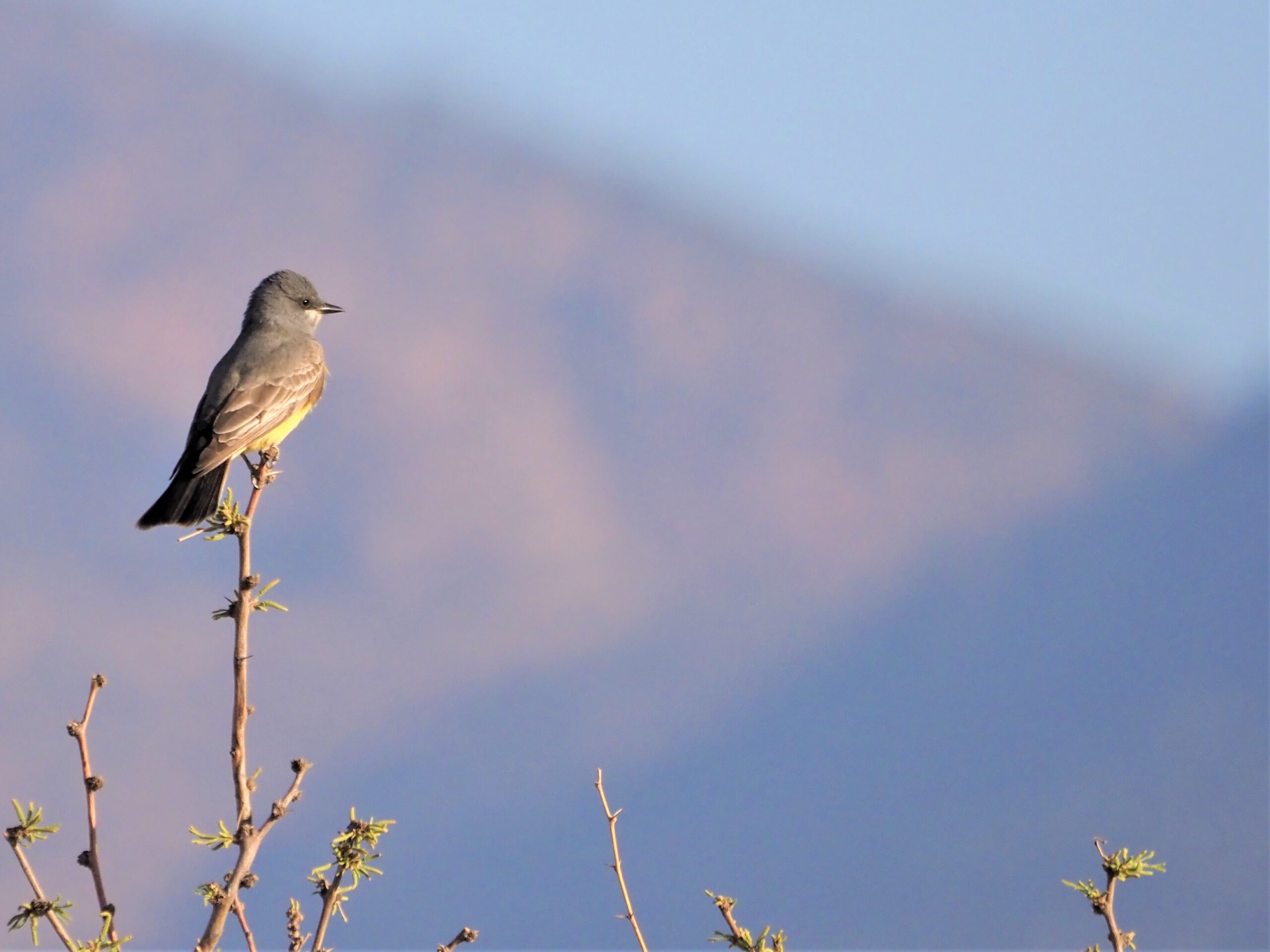
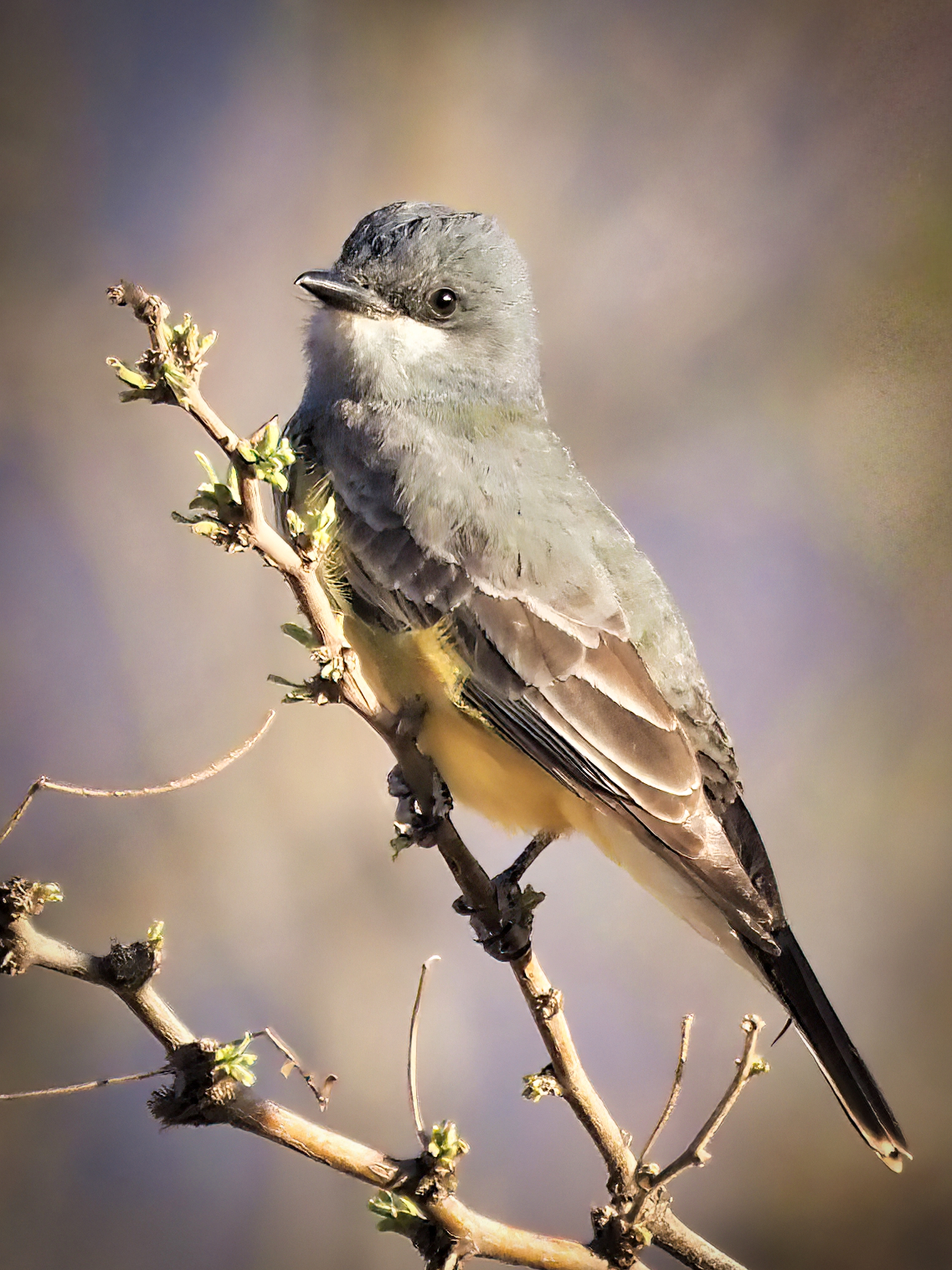
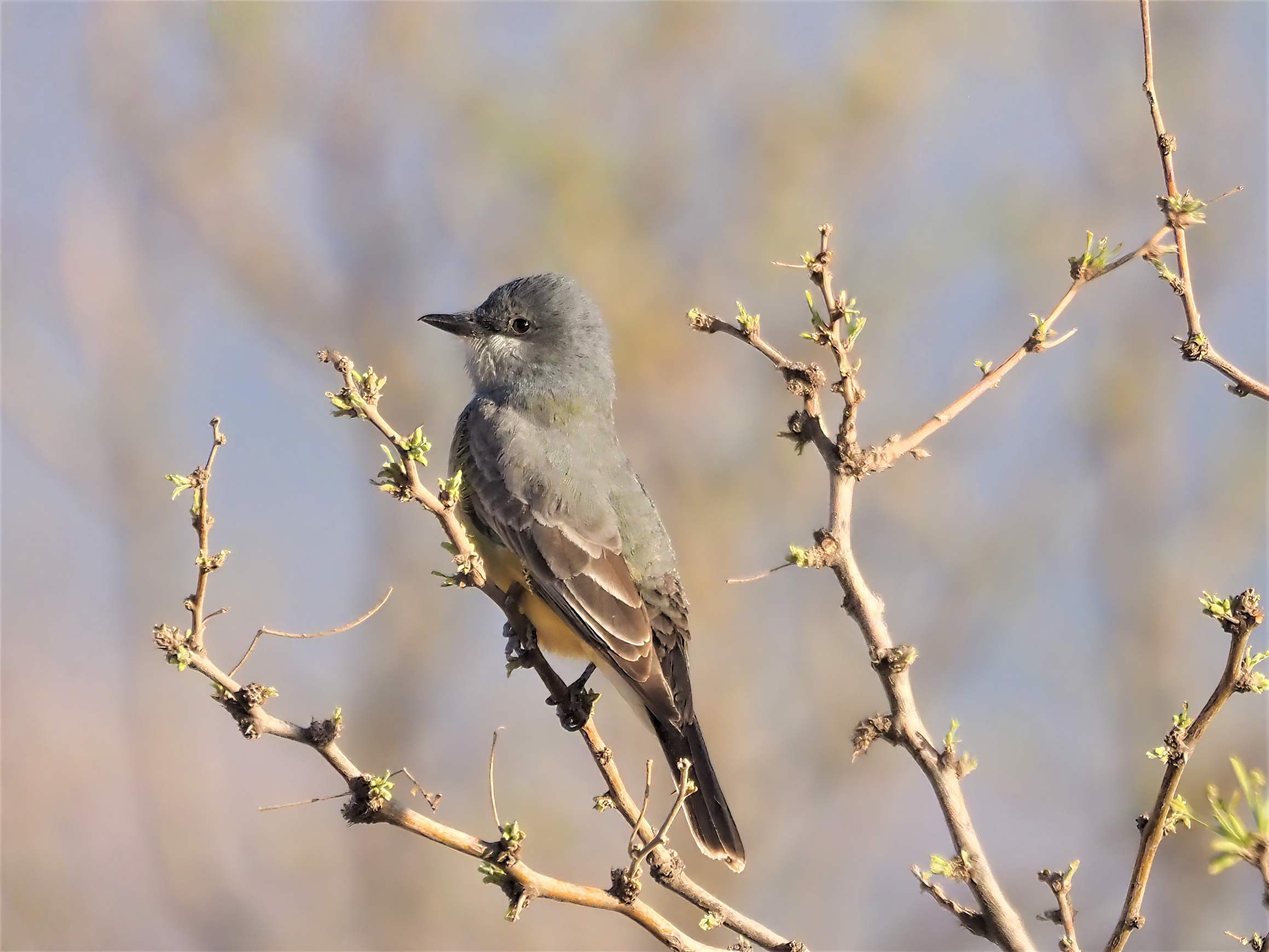
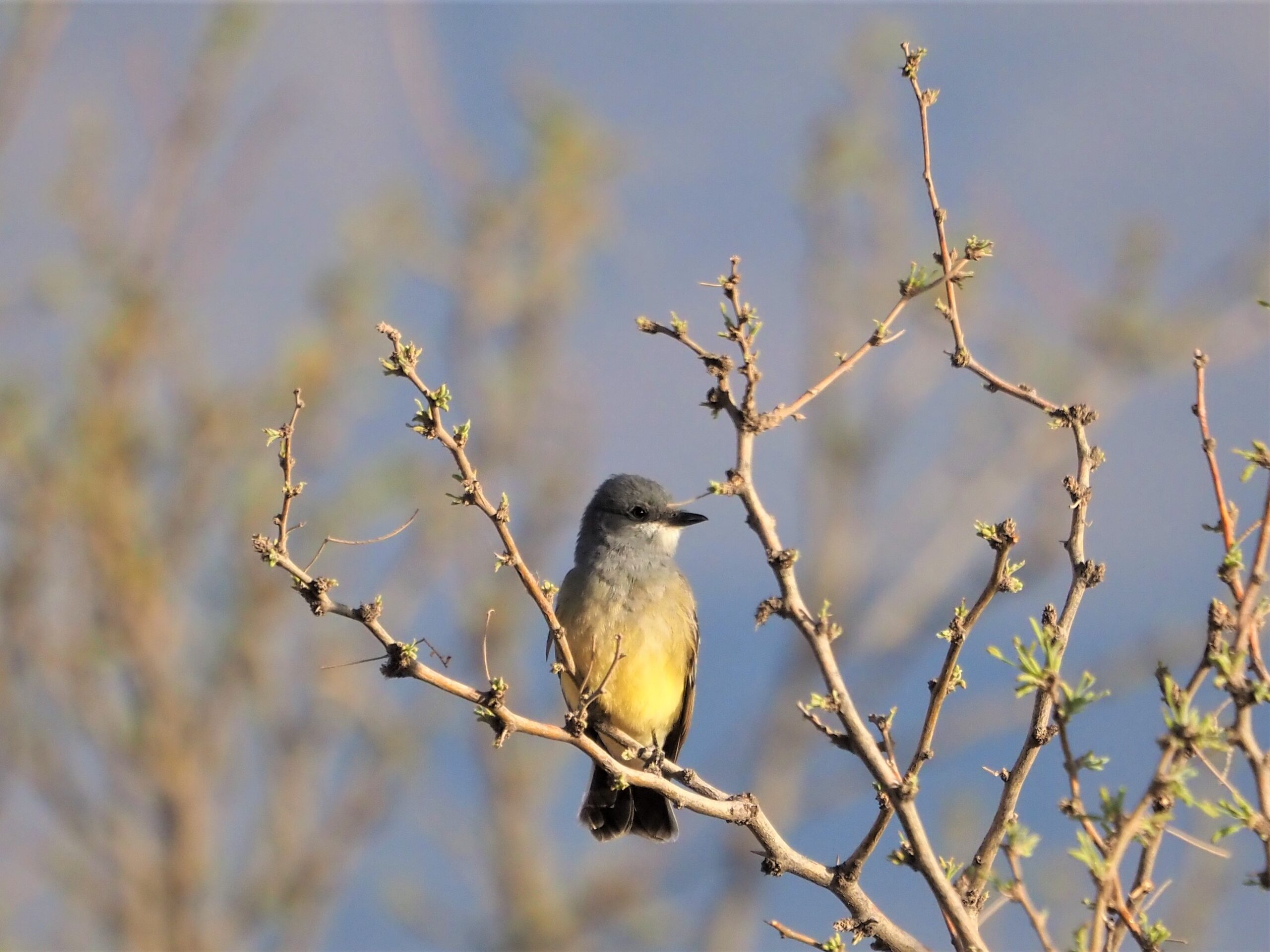
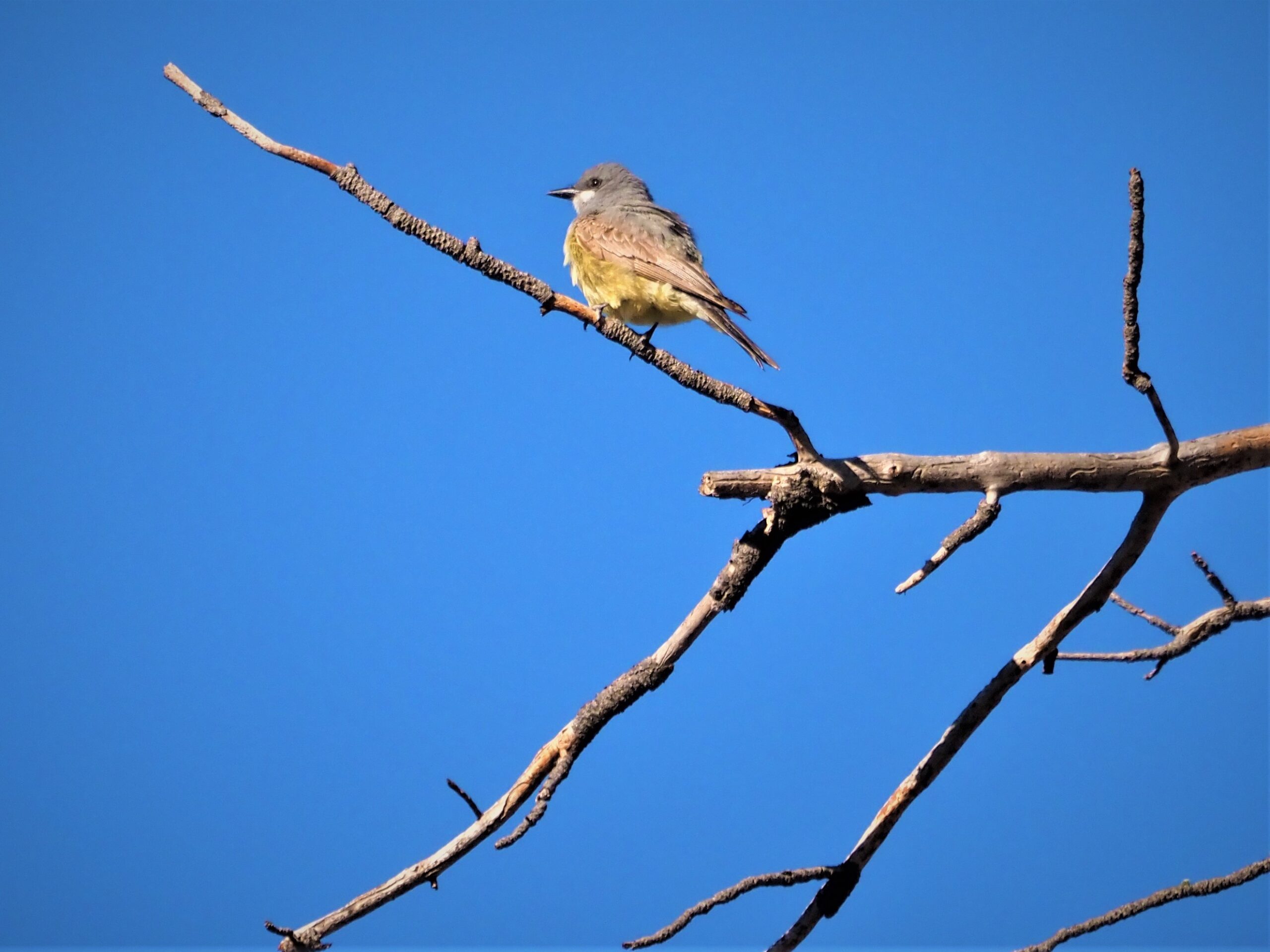
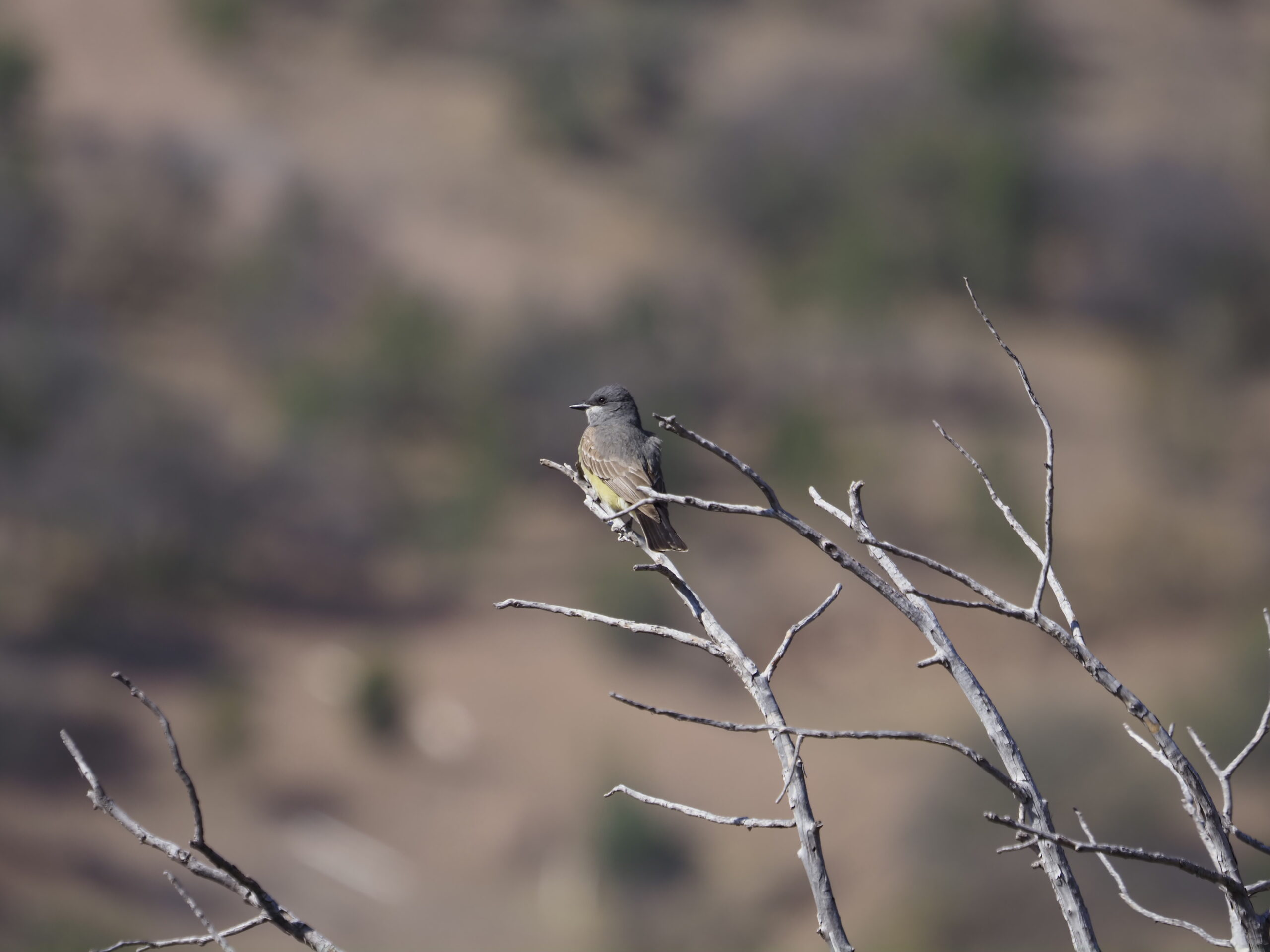
Western vs Cassin’s
The best visual field mark on silent kingbirds is the usually dark gray breast, head & neck of the Cassin’s which contrasts markedly with the white cheek and throat. The Cassin’s white cheek is sharply restricted to even with the back of the eye, while the Western’s white cheek grades away more gradually, extends slightly behind the eye, and does not sharply contrast with the gray breast, head & neck.

Couch’s vs Tropical Comparisons
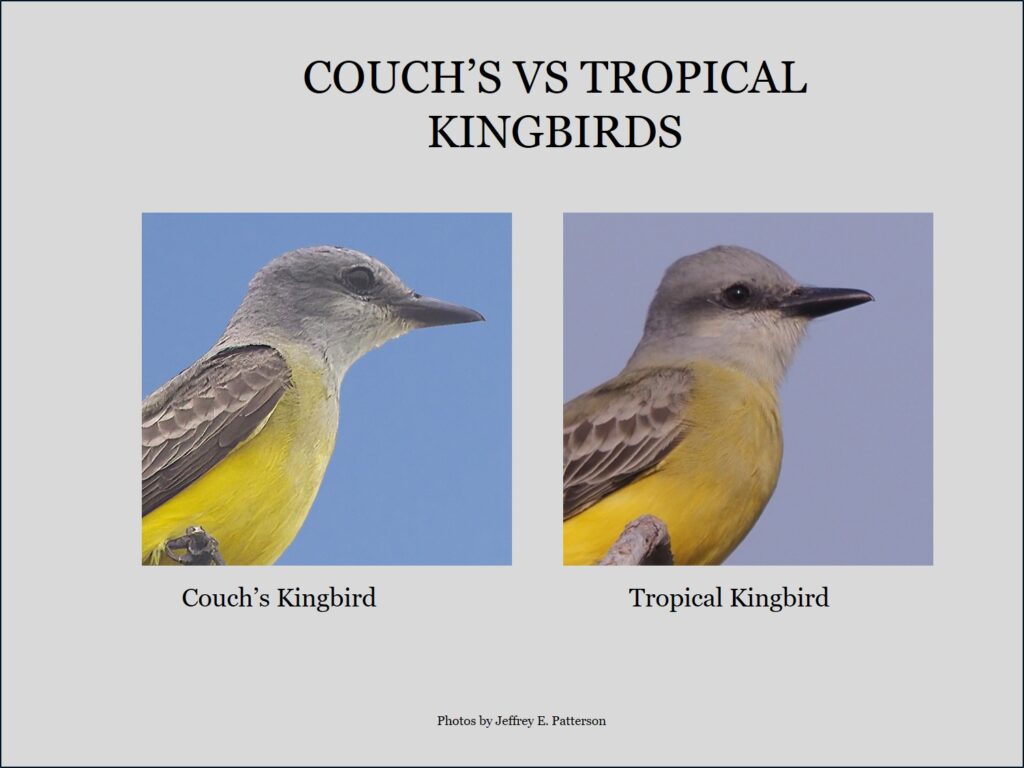
Amongst birders the Tropical & Couch’s have often been considered to be visually indeterminant; they were thought to be distinguishable only through vocalizations. However, recent field guides (notably “Field Guide to North American Flycatchers, Kingbirds and Myiarchus” by Lee and Birch (Lee & Birch)) provide field marks to differentiate the 2, based on visual observation and especially on photographs. The field marks described in this book and others are reviewed below.
Couch’s Kingbird
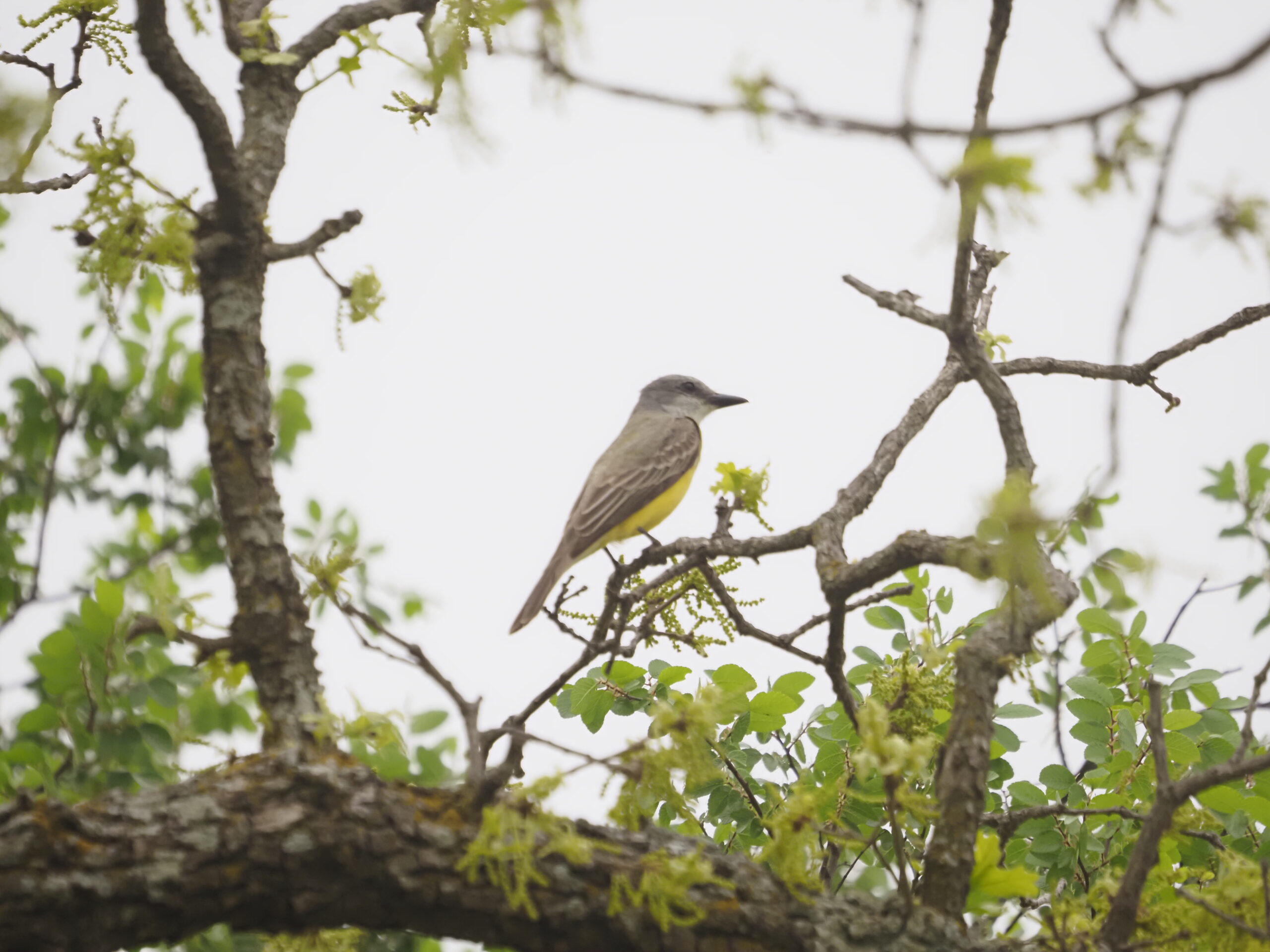
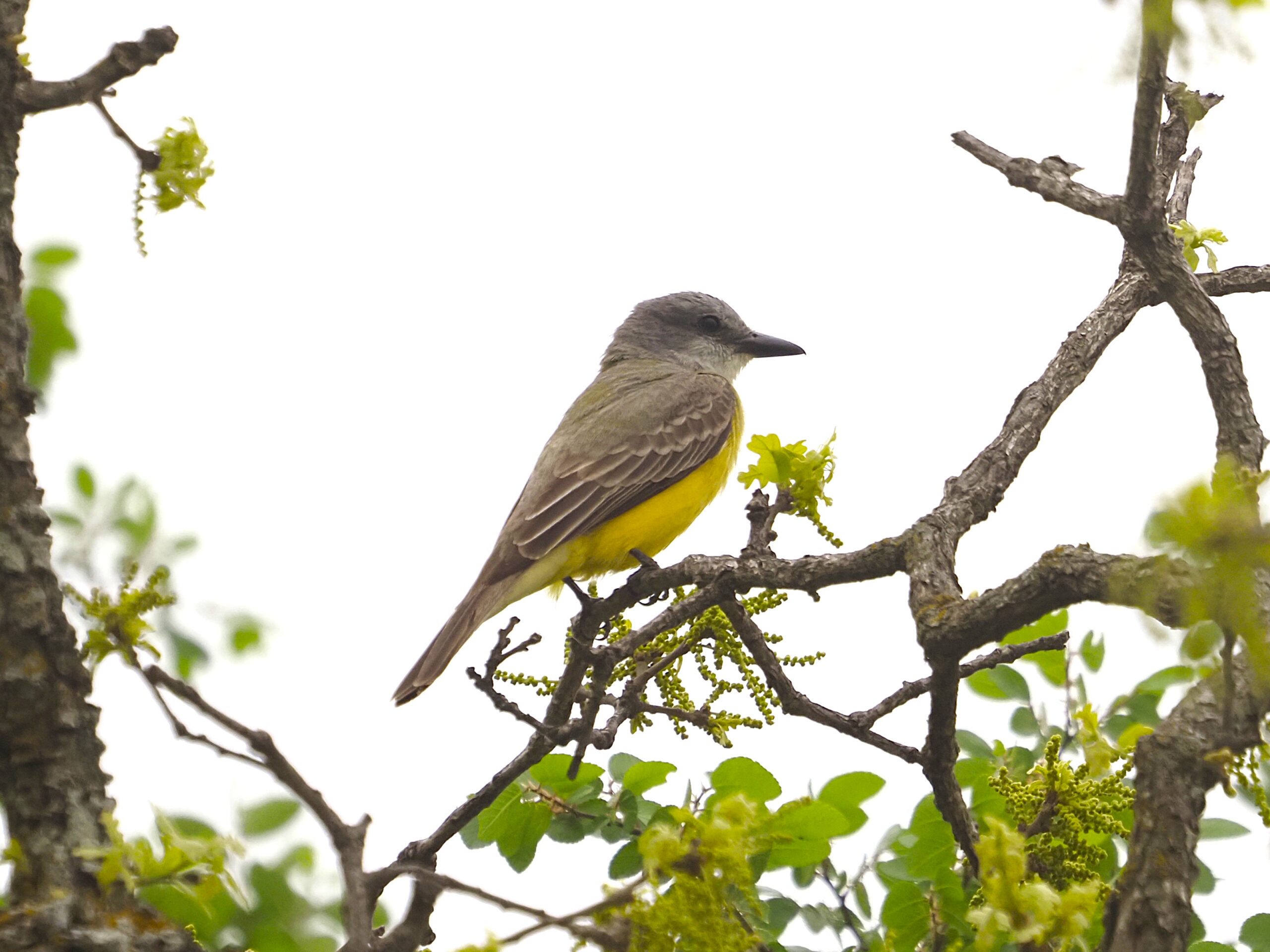
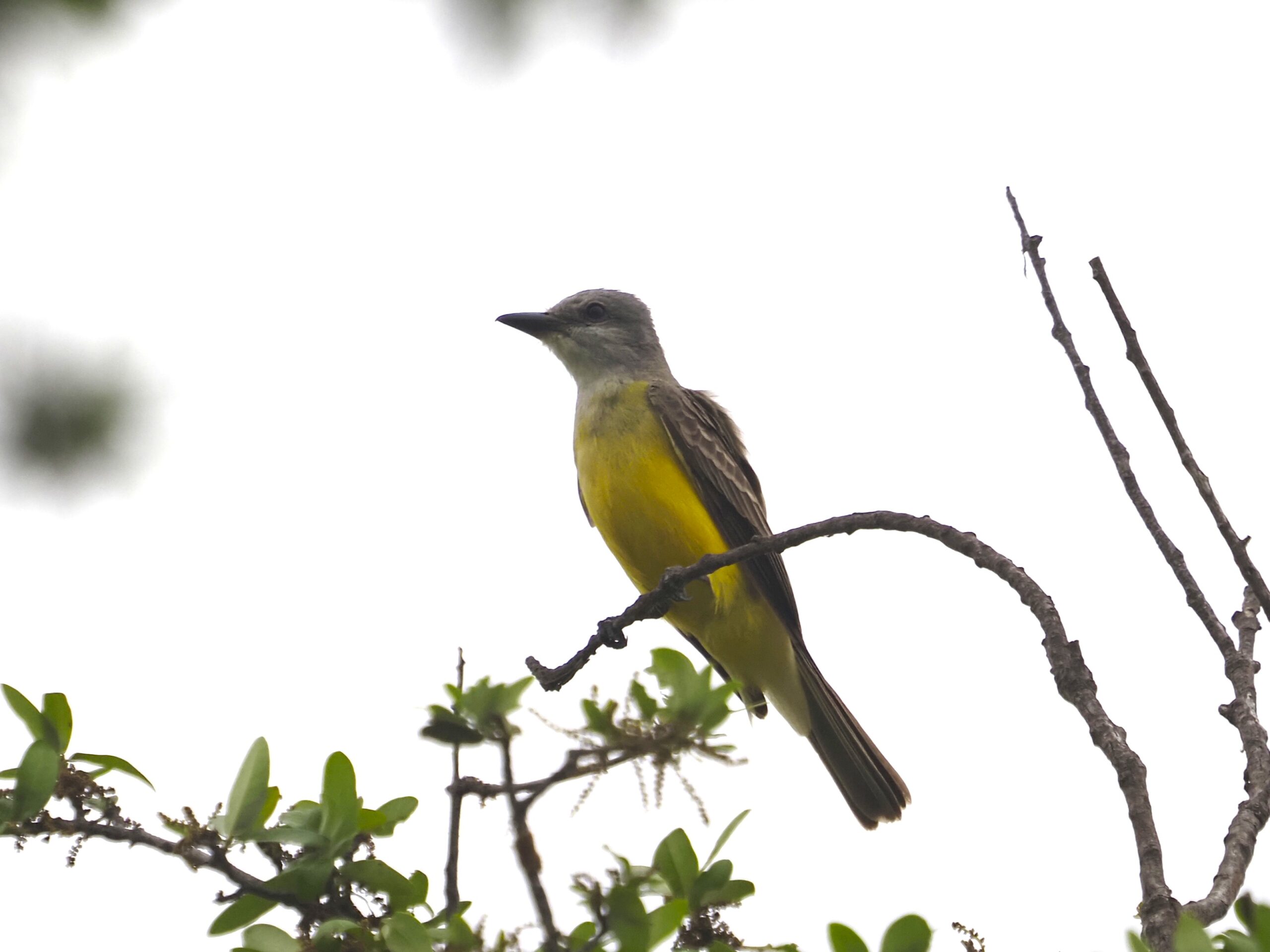
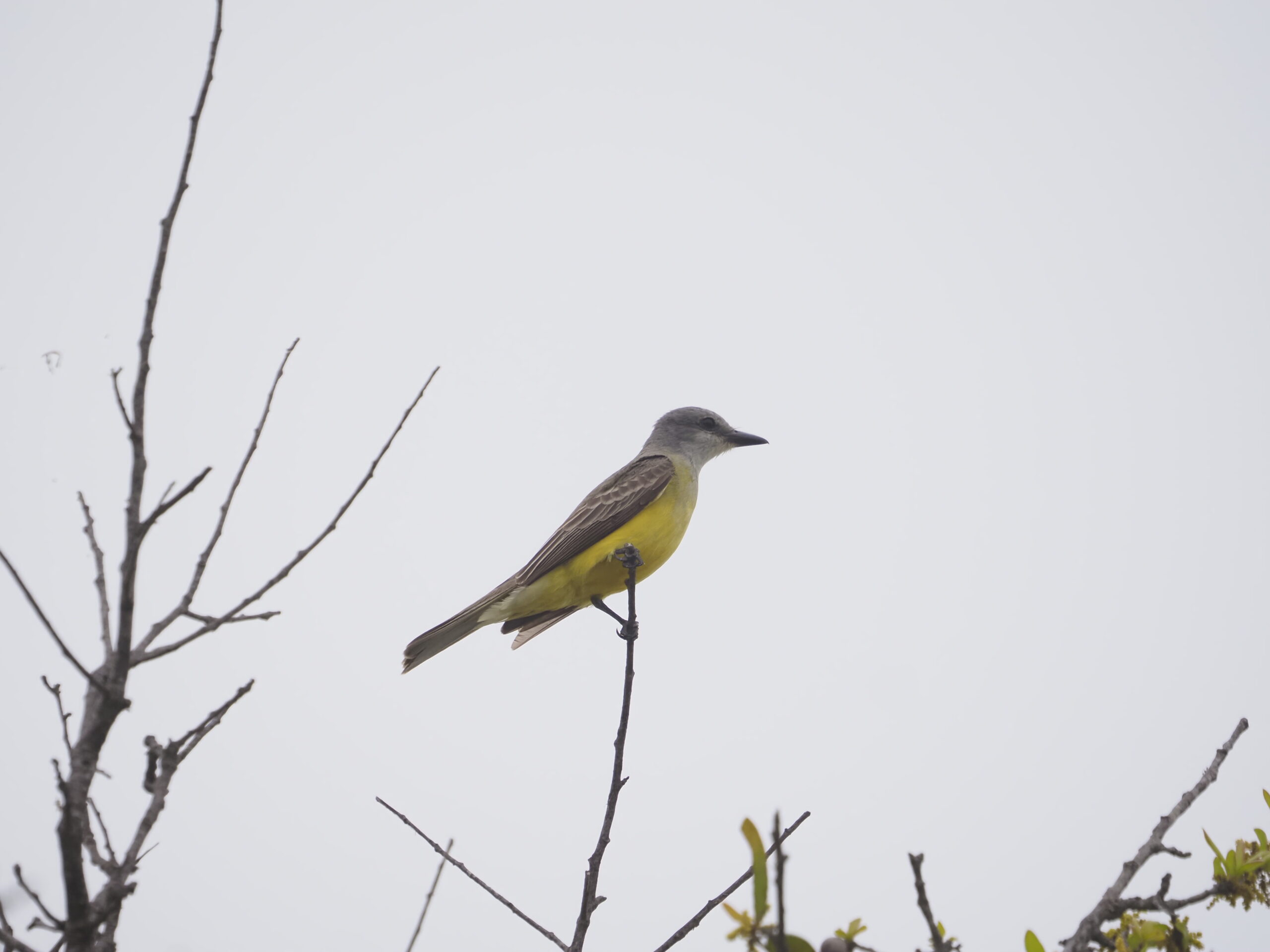
Tropical Kingbird
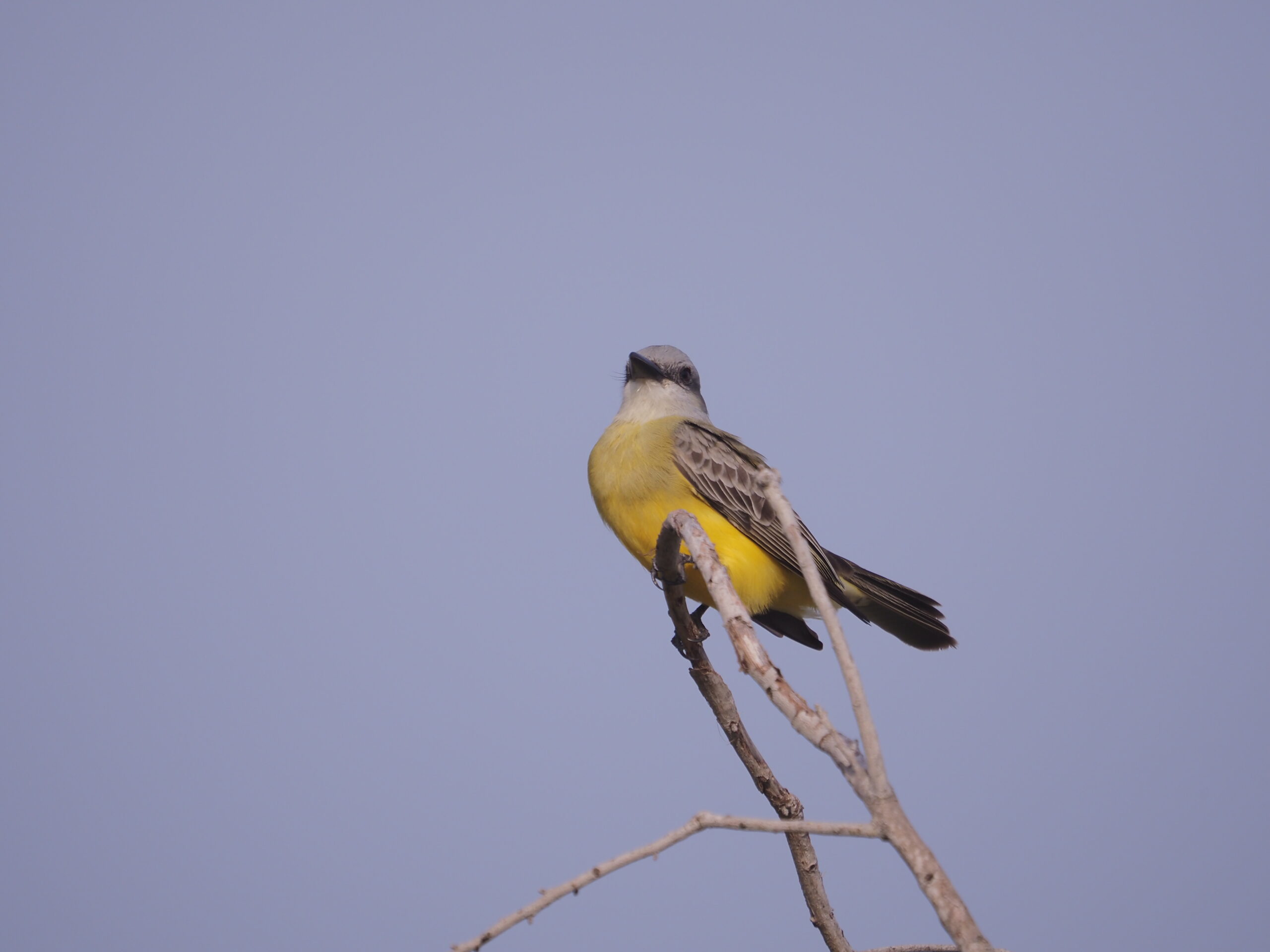
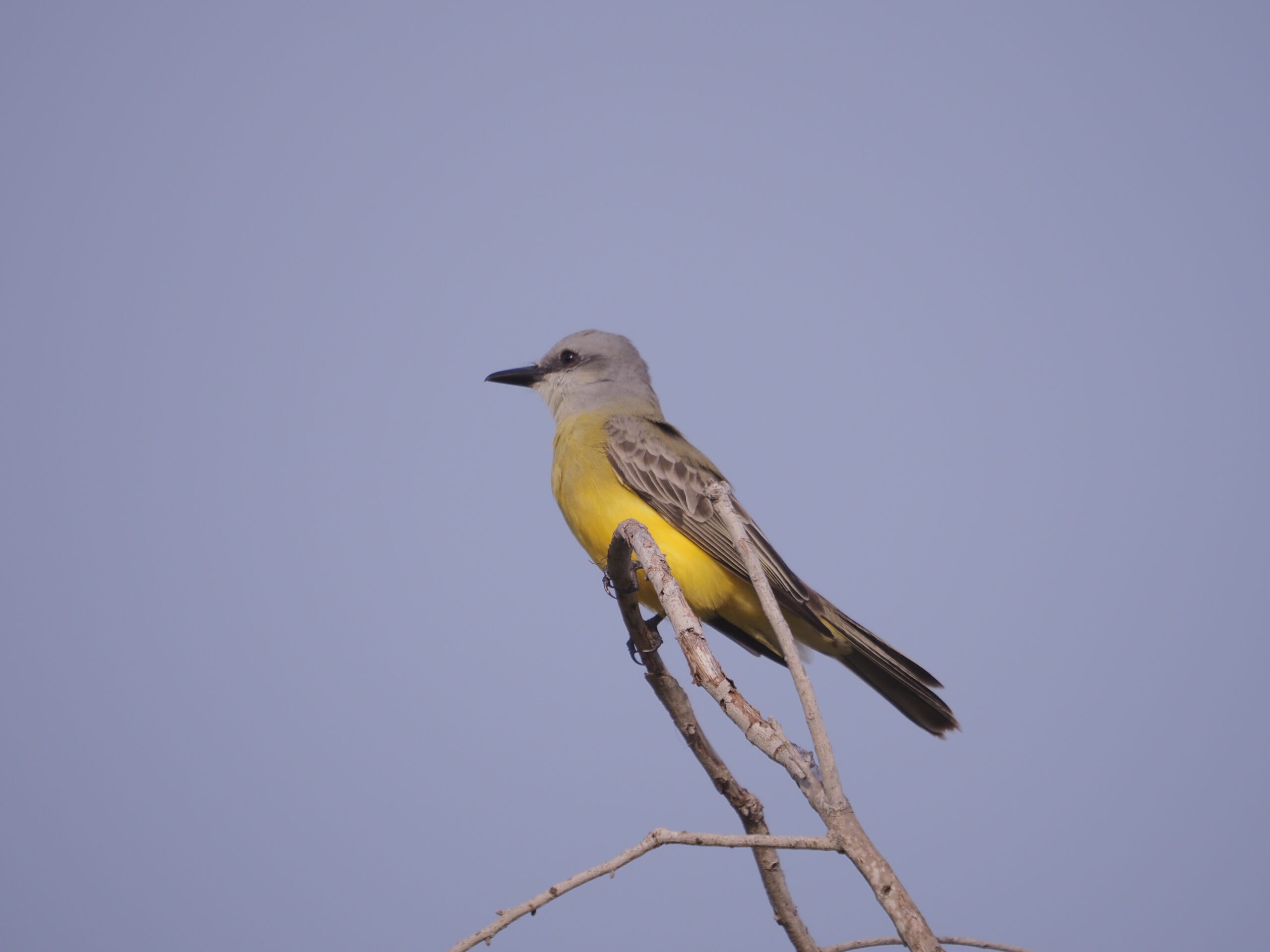
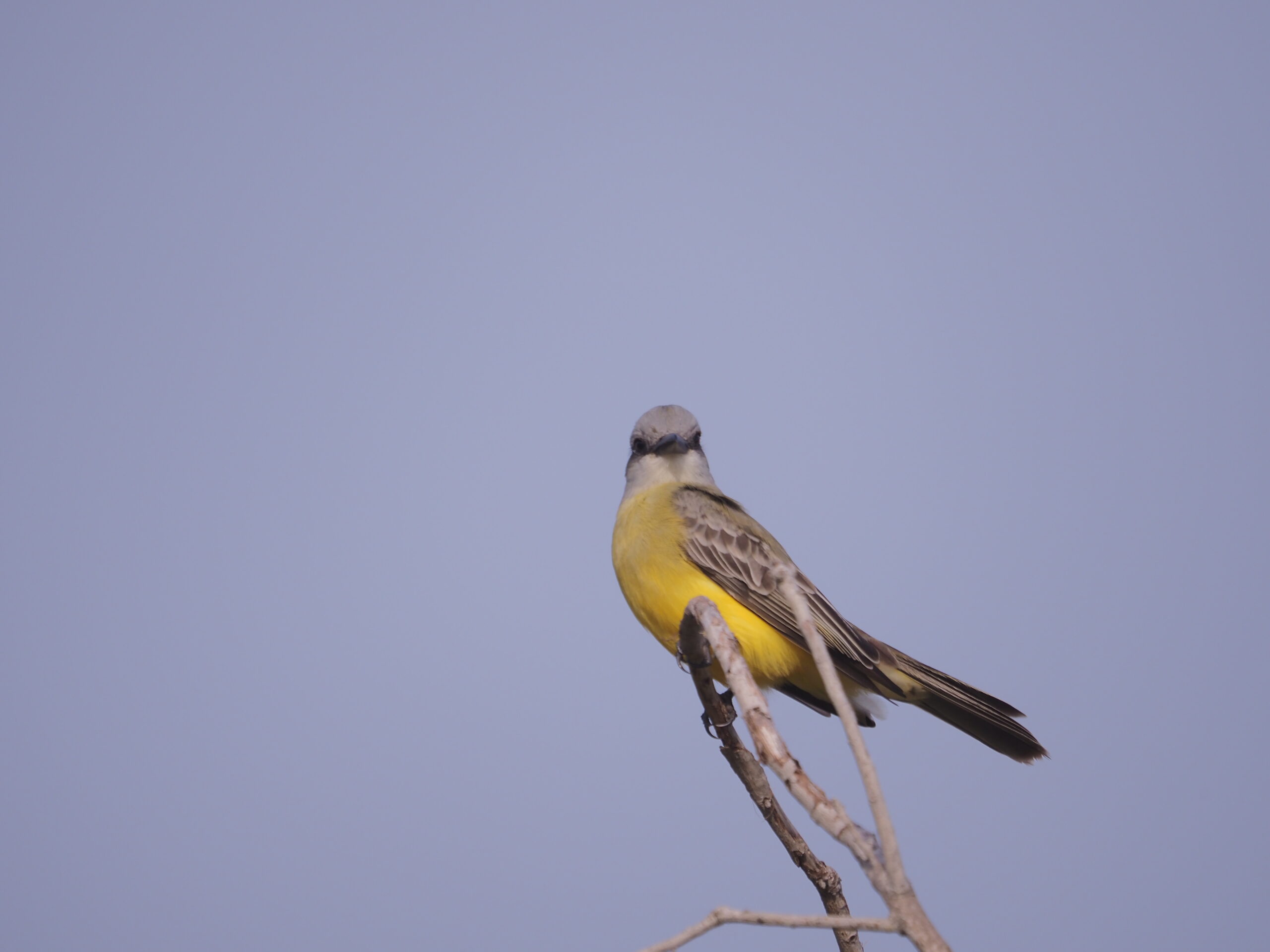
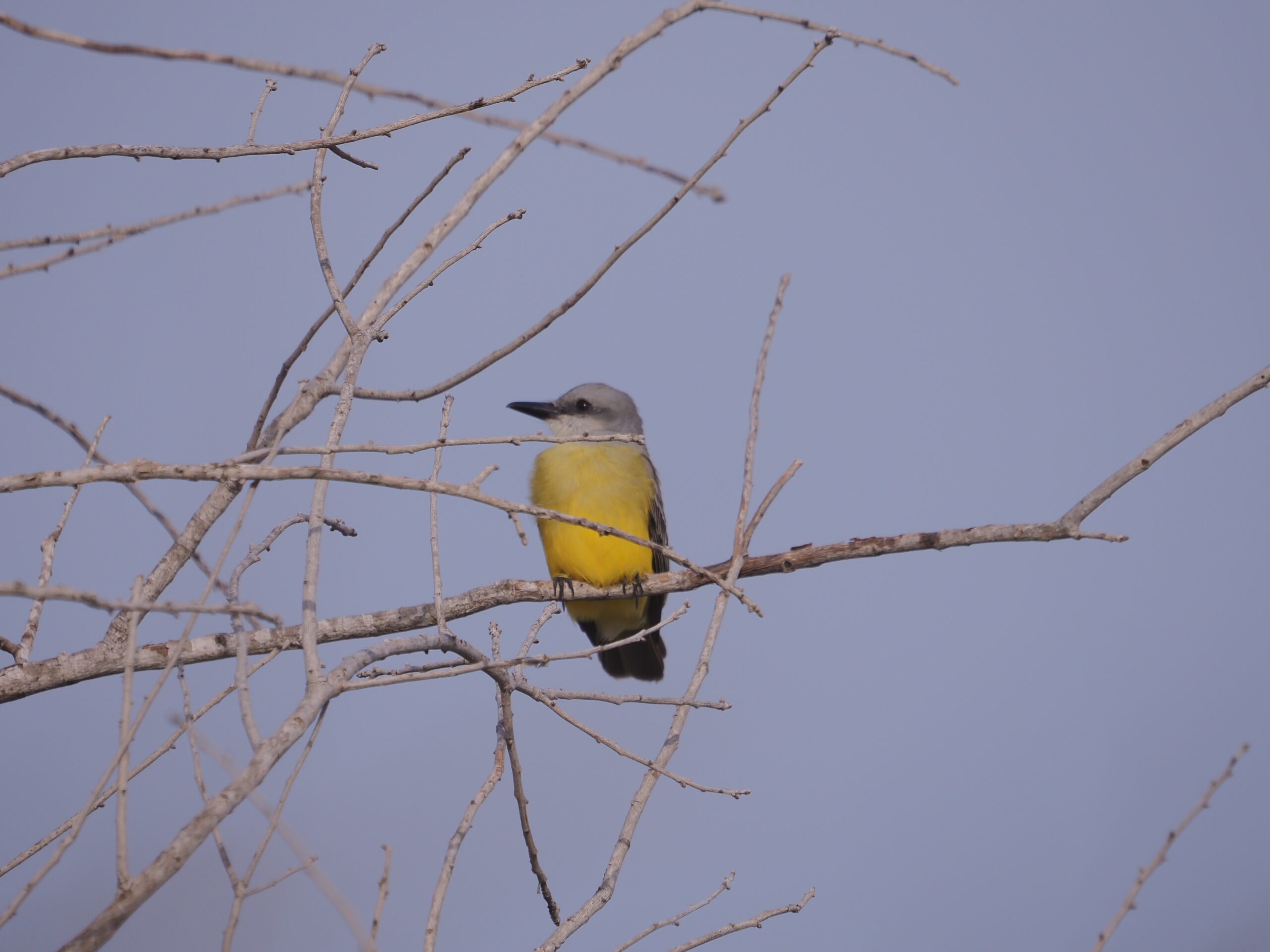
Couch’s vs Tropical Breast Color Comparison
According to Lee & Birch the Couch’s “bright yellow breast contrasts with white throat”, while the Tropical exhibits a “dull green breast”. My brief survey of 30-40 photographs on the Cornell Lab, MaCaulay Library supports these statements, as do my own few photos of these species.
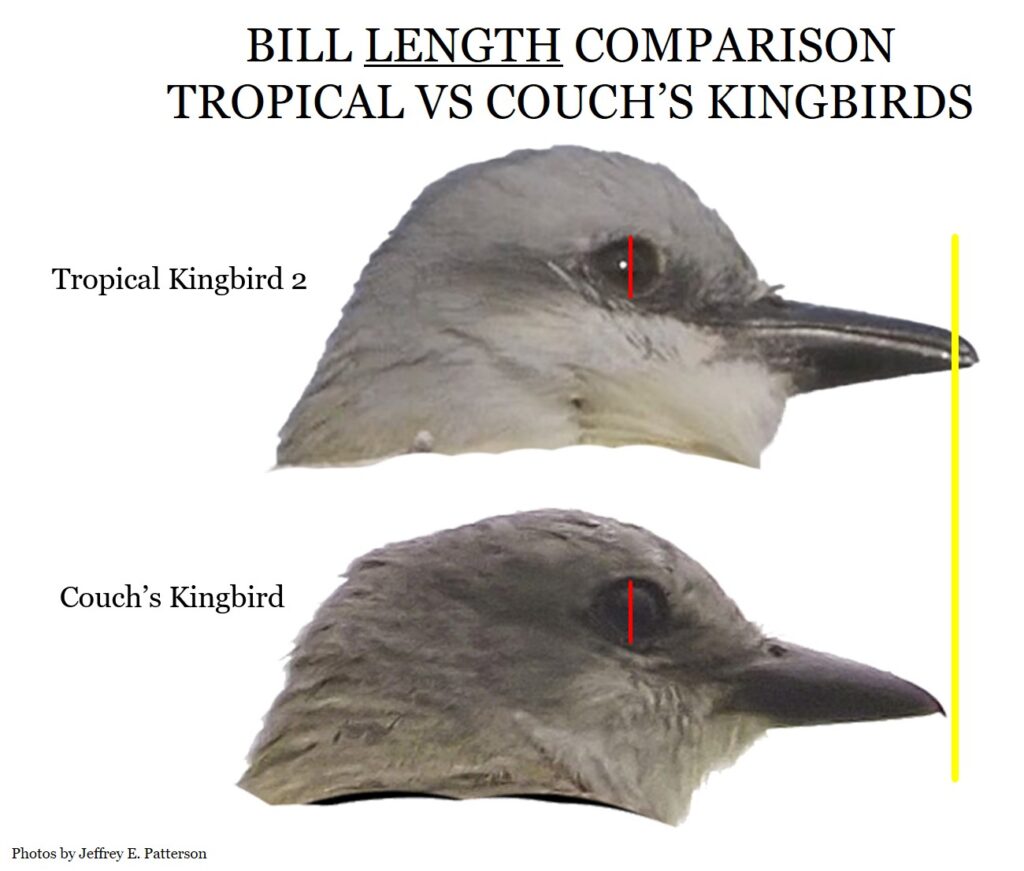
Couch’s vs Tropical Bill Length Comparison
According to Lee & Birch the Couch’s has a “shorter, stouter bill than Tropical”, while the Tropical has a “long bill”.
My brief survey of 40-50 photographs on the Cornell Lab, MaCaulay Library supports these statements. I tried to graphically demonstrate these statements with my own photos of these species. In order to calibrate 2 separate photos taken at different times of known species (based on vocalizations), I assumed that the eye of the birds would be of identically sized. I then enlarged the 2 photos till the eyes were of equal size (shown by the red lines). I then lined up the eyes and graphically “measured” the bill length. As you can see below, the Tropical does have a slightly longer bill, at least in these 2 examples.

Couch’s vs Tropical Bill Stoutness Comparison
I also tested the idea that the Couch’s bill is “stouter” (as stated in Lee & Birch) in the MaCaulay library and found it does seem to hold up based on my informal survey of photos. The “stoutness of bill” was harder to demonstrate graphically due to the uncertainty of where to measure the “stoutness”. As shown below, I chose the point on the chin where feathers meet the bill as the point of reference. Using this metric the Couch’s does appear to have a stouter bill than the Tropical.
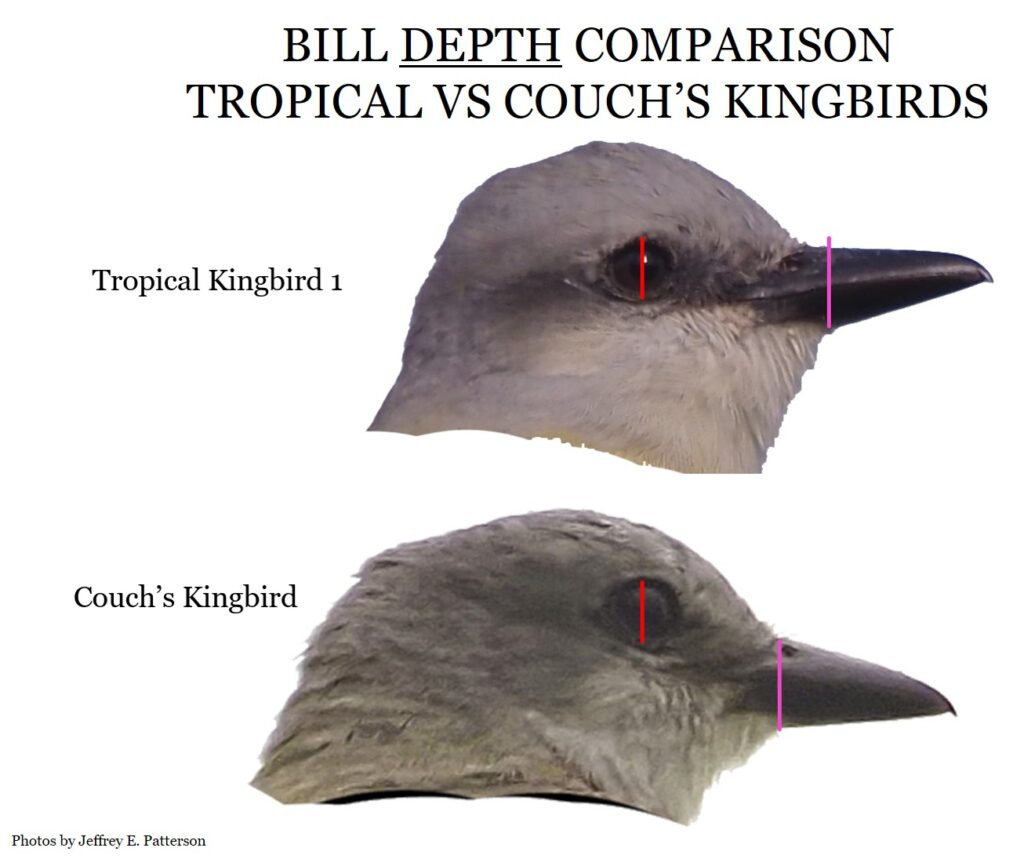
Finally, Lee & Birch state that the “Couch’s has a “shorter, broad-based bill than Tropical”. This field mark was also difficult to evaluate because most of the readily available photos in the MaCaulay Library are in profile. My only appropriate photo of the Couch’s is facing diagonal to the camera, but it does seem to be broader at the base in comparison to my Tropical photos.

Lee & Birch also state that the Tropical has a “grayer throat than Couch’s”, and that the Couch’s has a “shallower tail fork than Tropical”. I found these field marks difficult to discern in the photos in the MaCaulay Library. This is due in part to the fact that most of these photos are in profile. Additionally, the tail appears to be highly worn or is spread/closed in varying amounts in many photos.
Types of Photos Needed
Based on the statements in Lee & Birch discussed above, bird photographers should take many photos of known Tropical and Couch’s (ideally based on vocalizations) which include:
1) the tail fork,
2) the breast color compared to the throat color,
3) the bill and head in profile;
4) the bill from below; and
5) spread wings.
Scissor-tailed Flycatcher
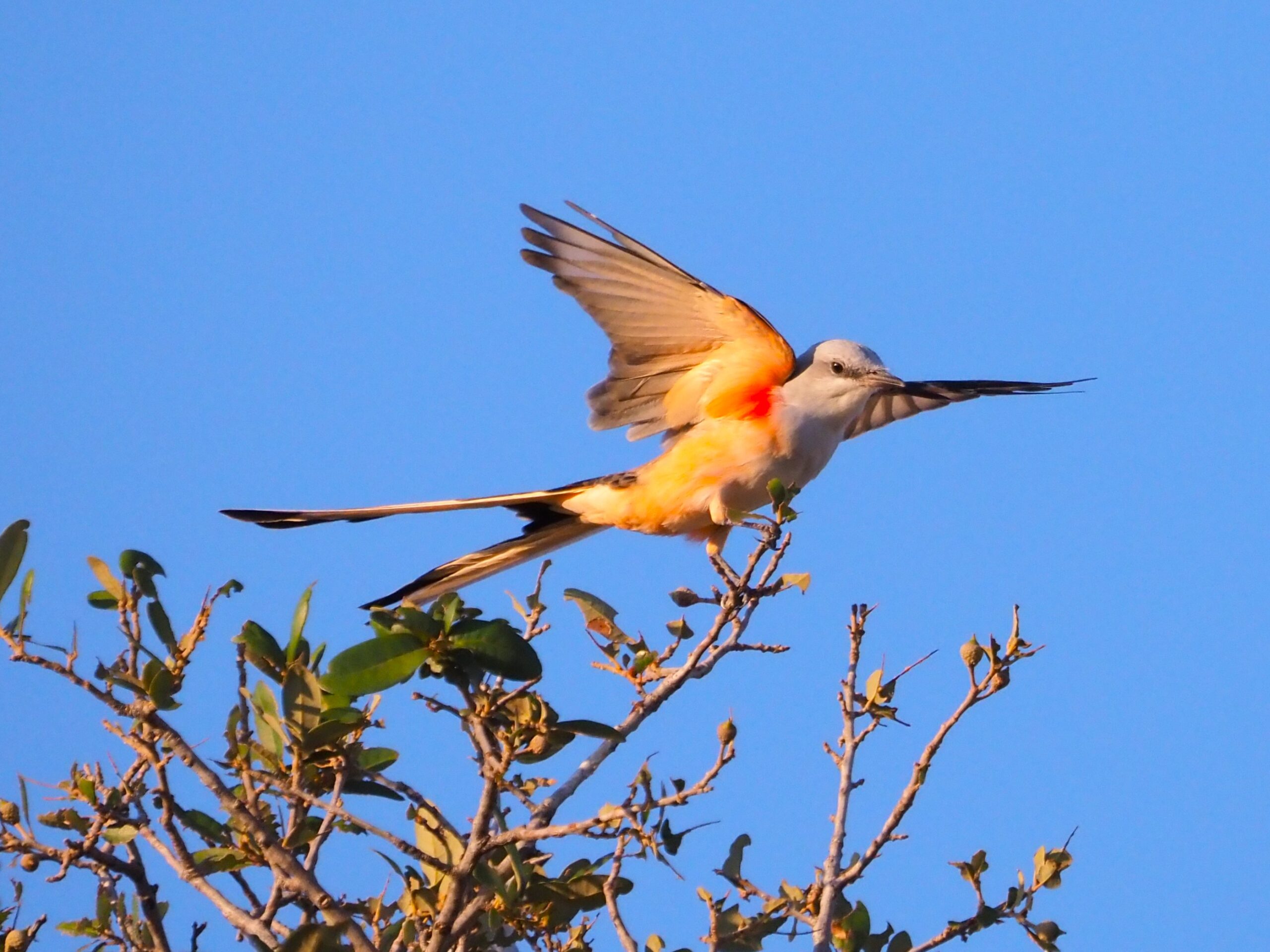
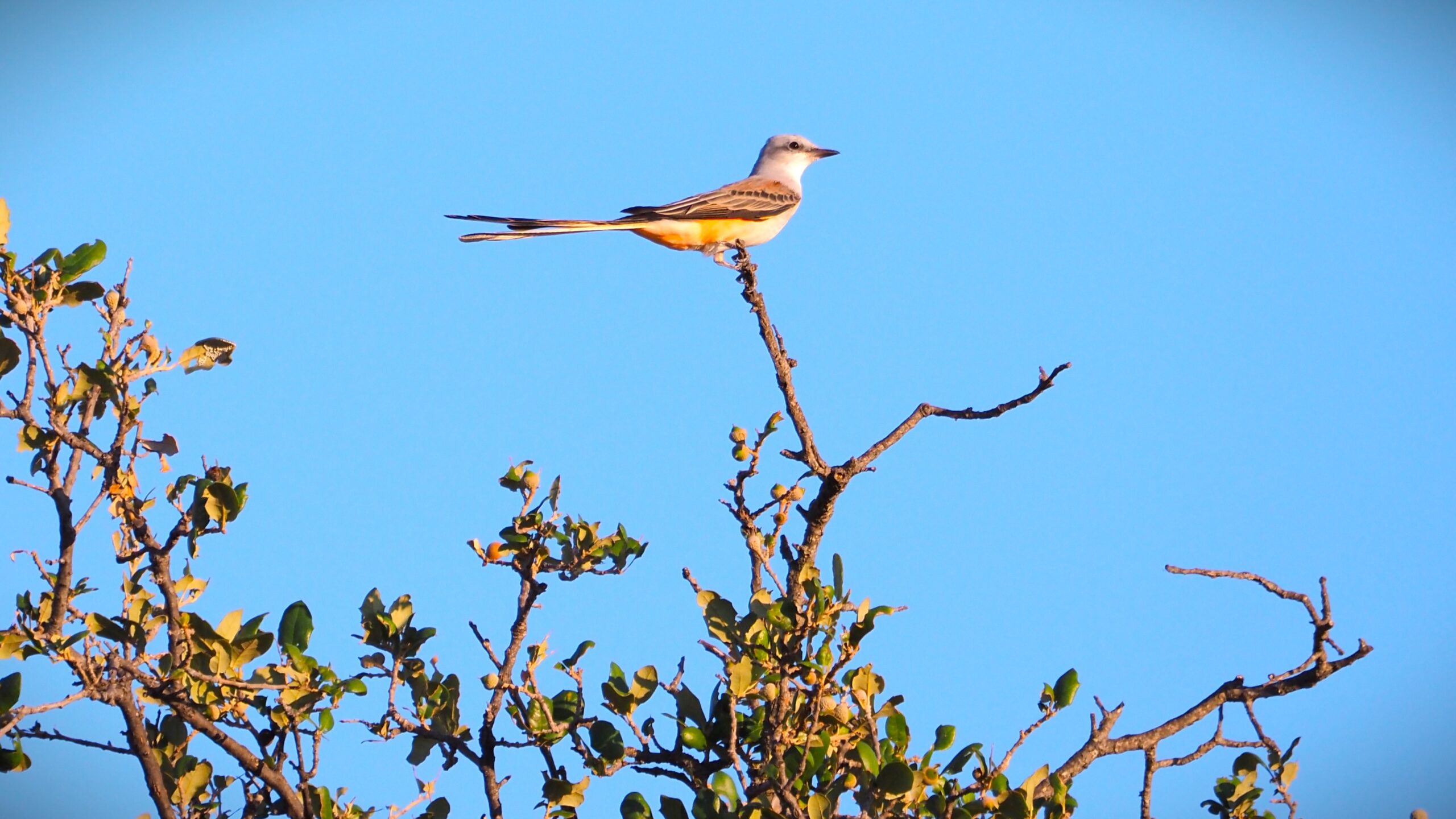
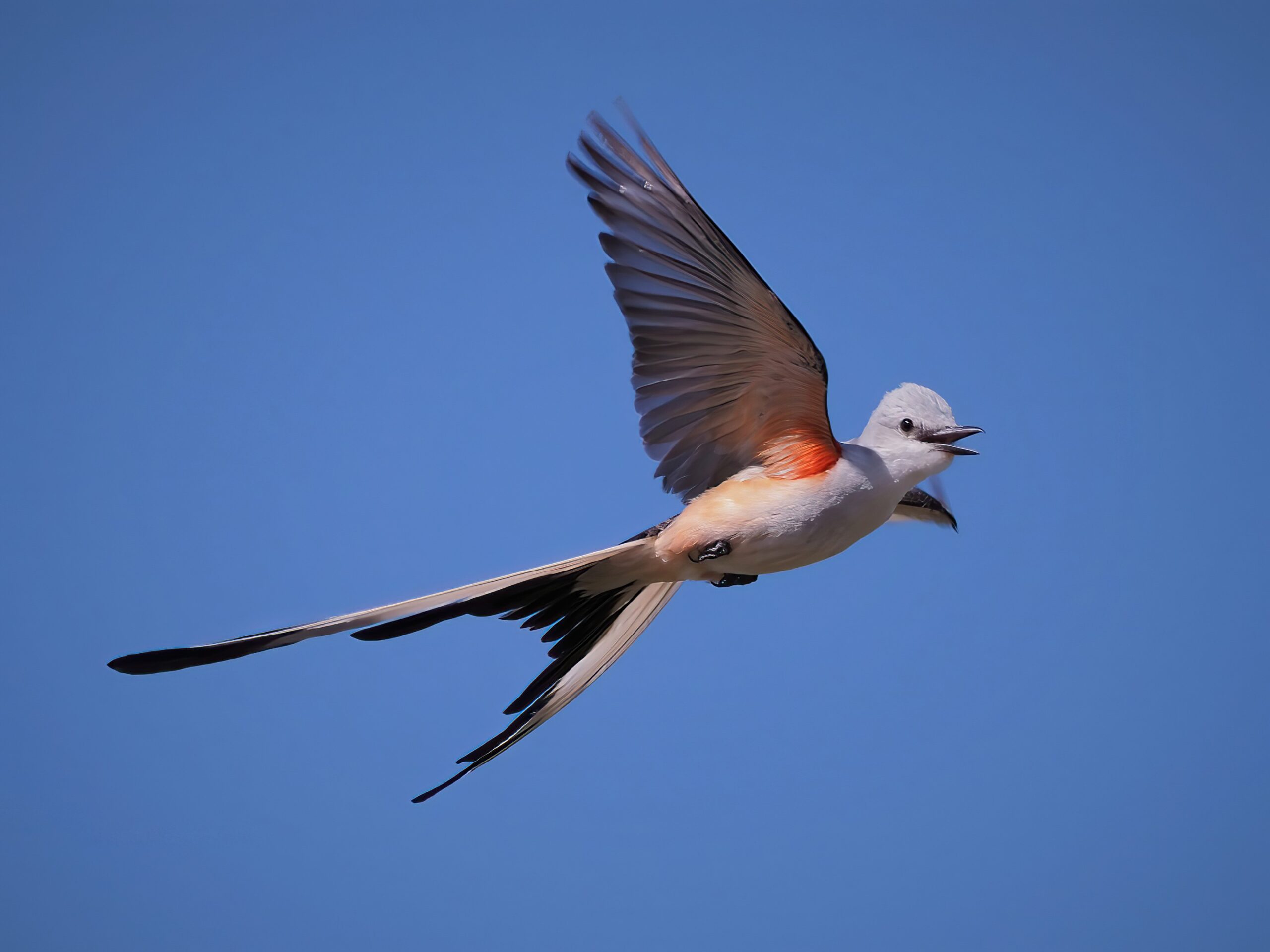
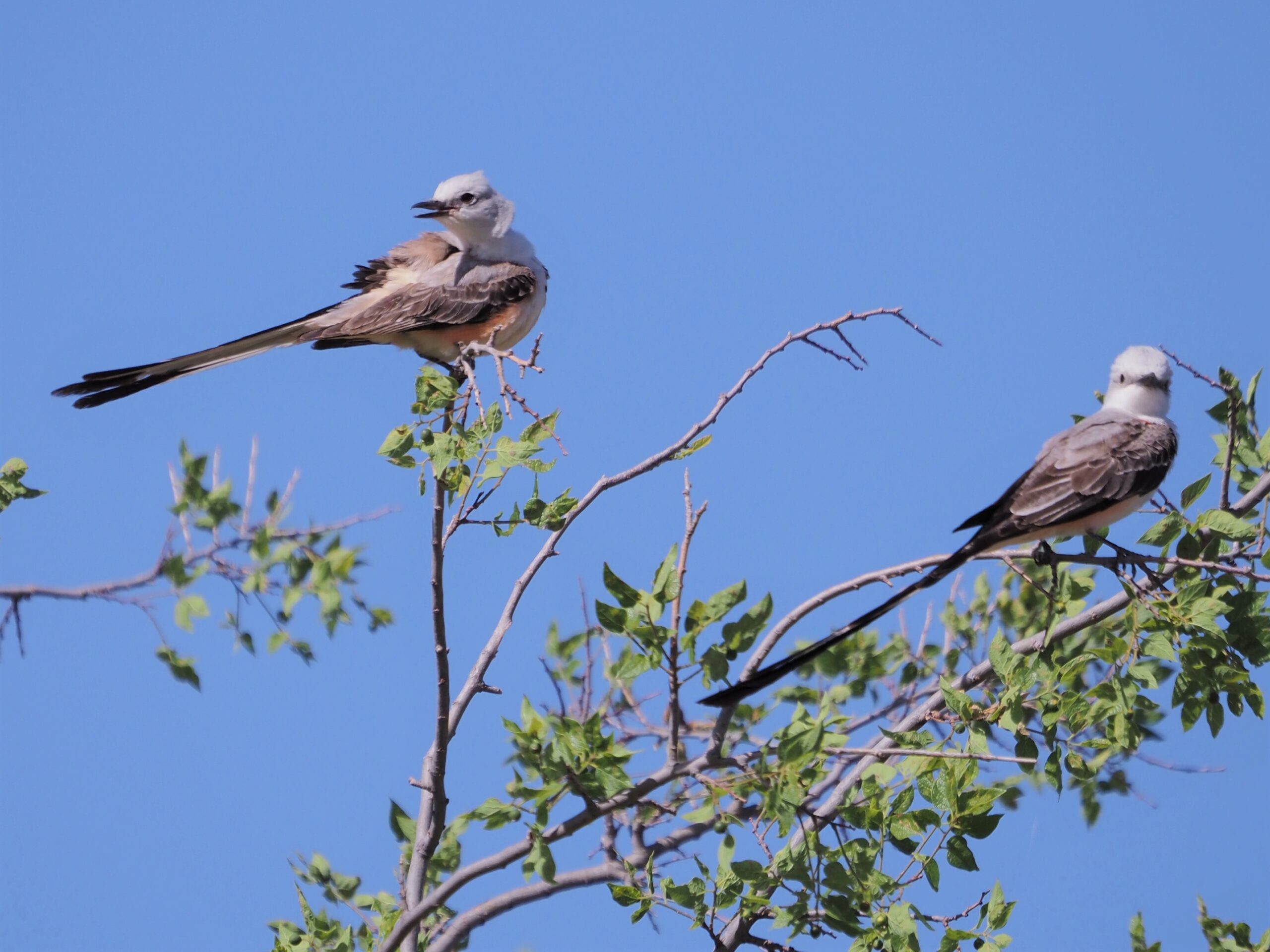
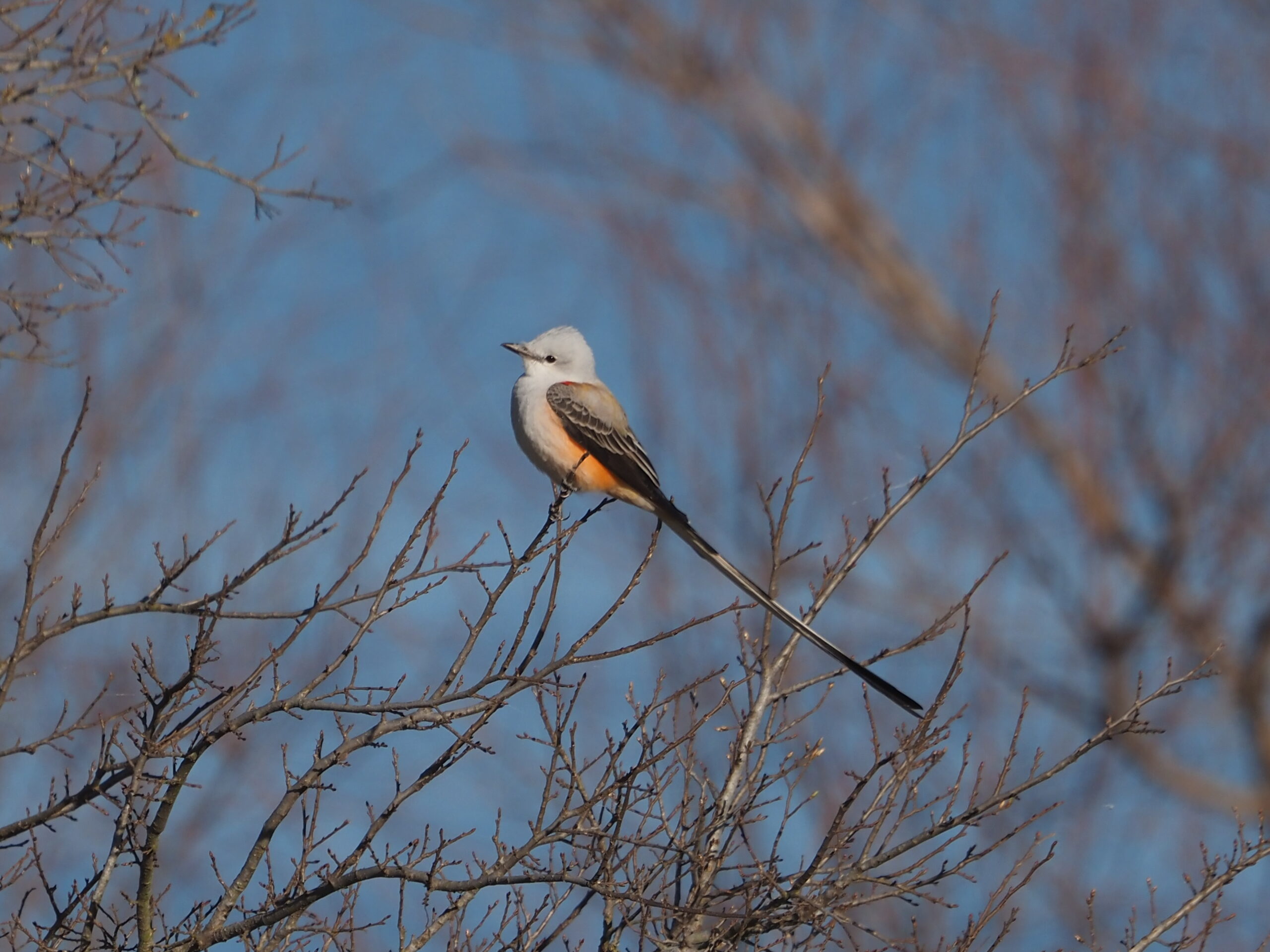
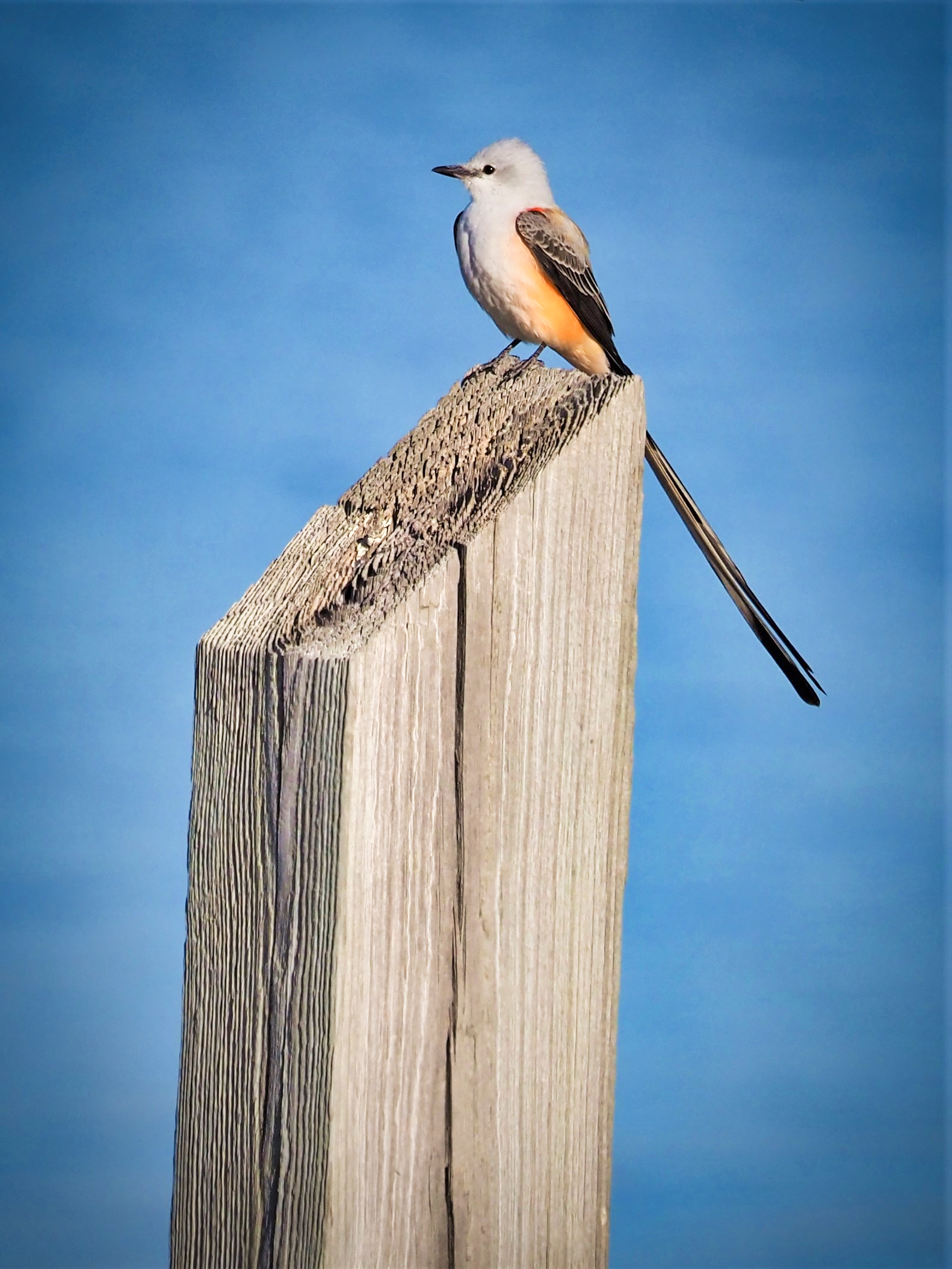
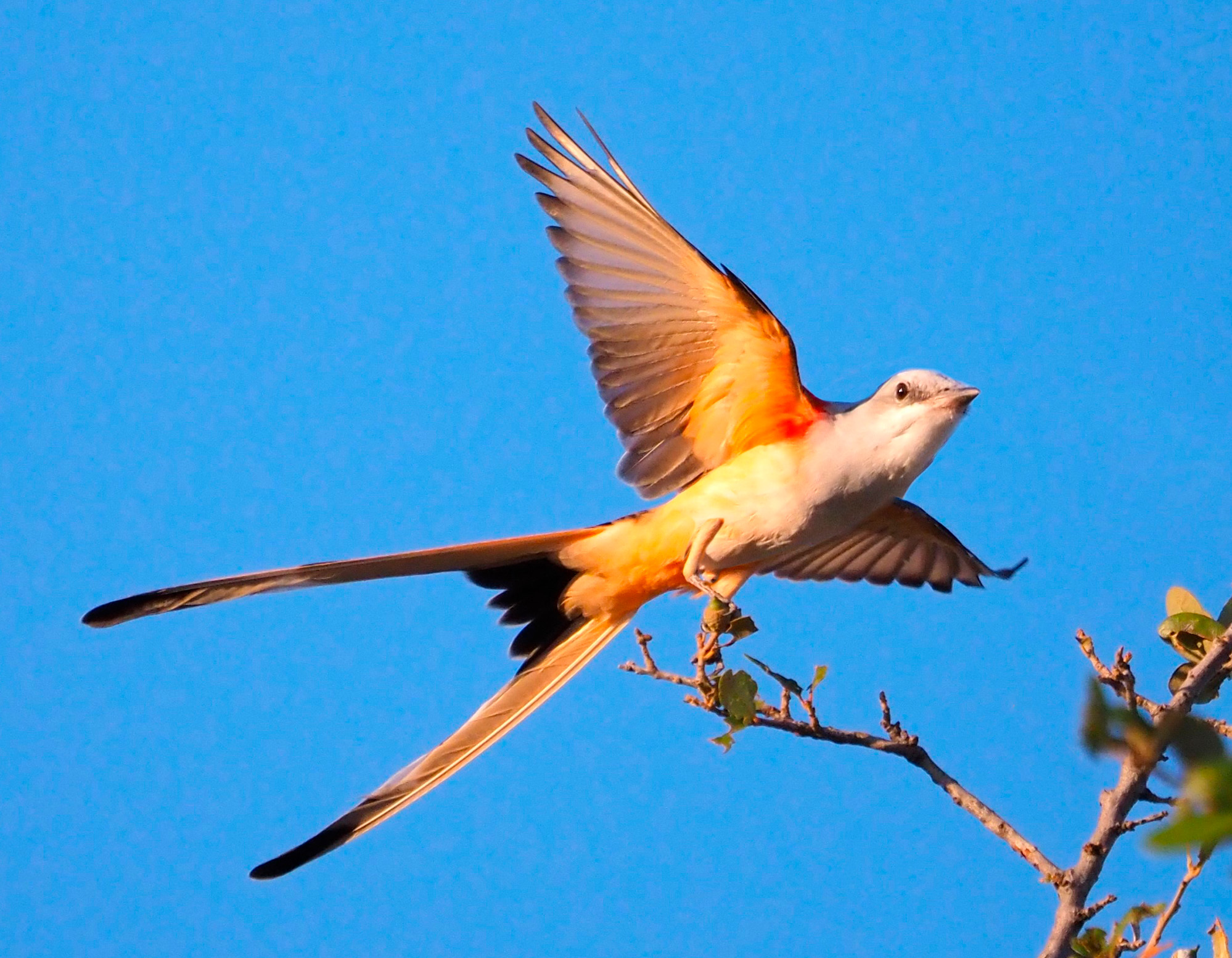
The Scissor-tailed Flycatcher is a well known and easy to identify kingbird of Texas and Oklahoma. A flycatcher with a very light gray head and a long tail is a Scissor-tailed.

Fork-tailed Flycatcher
Birders should keep their eyes open for a flycatcher with a long scissor-like tail and a black head which could be a Fork-tailed Flycatcher which stray into Texas rarely but regularly — like this individual seen in Austin in 2012. There are 58 TBRC accepted records in Texas https://www.texasbirdrecordscommittee.org/texas-review-list/texas-review-list-species.

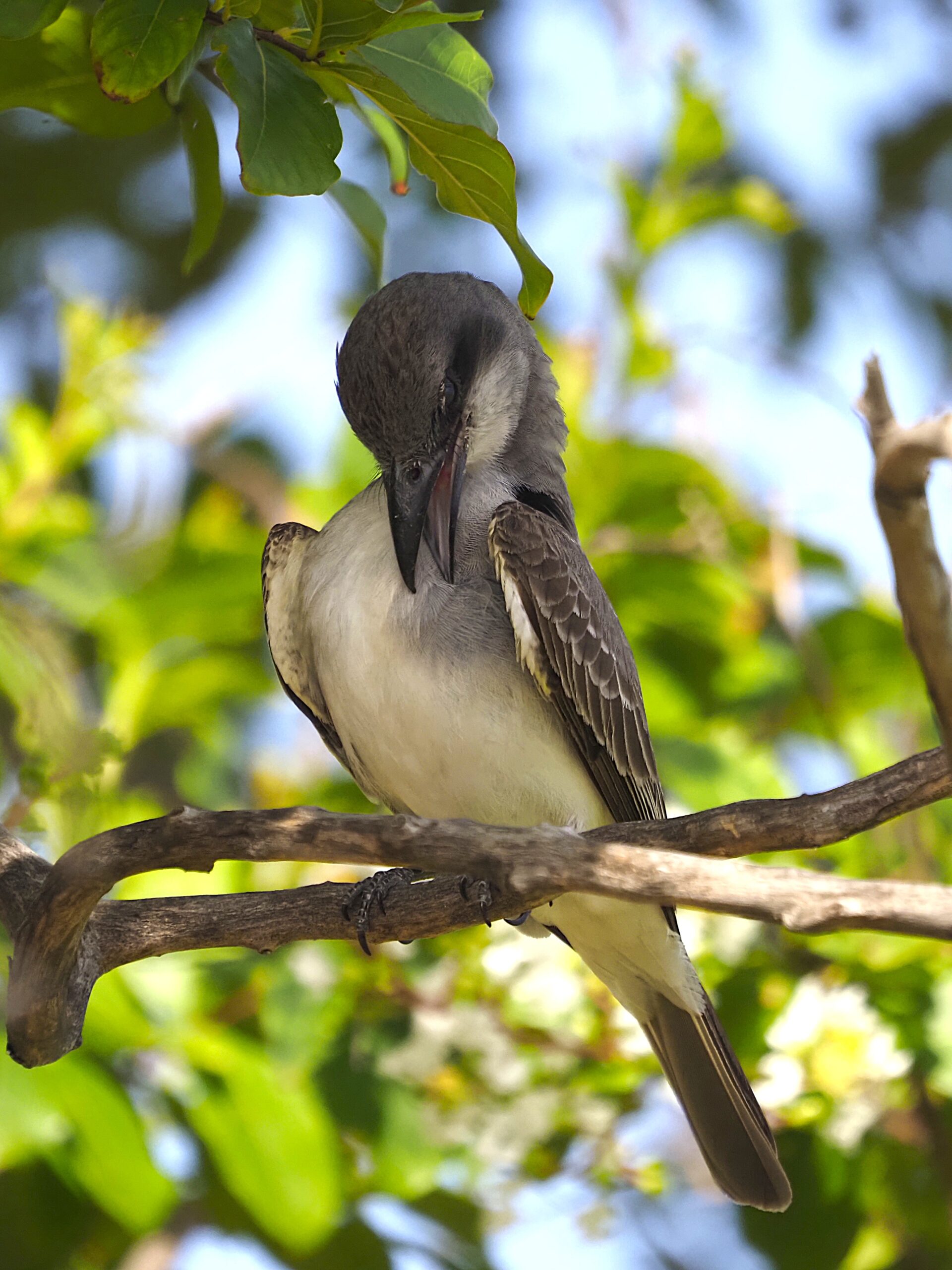
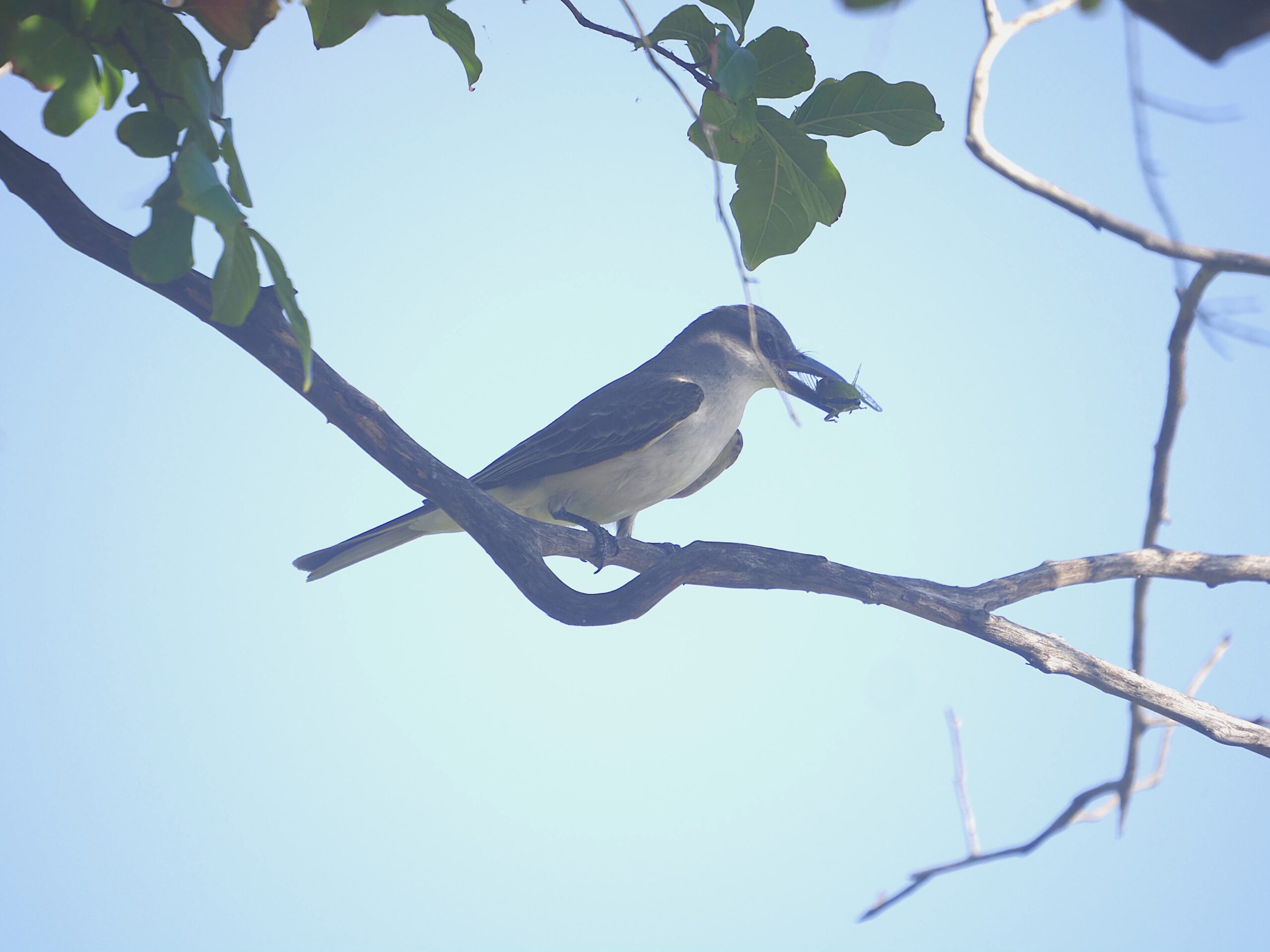
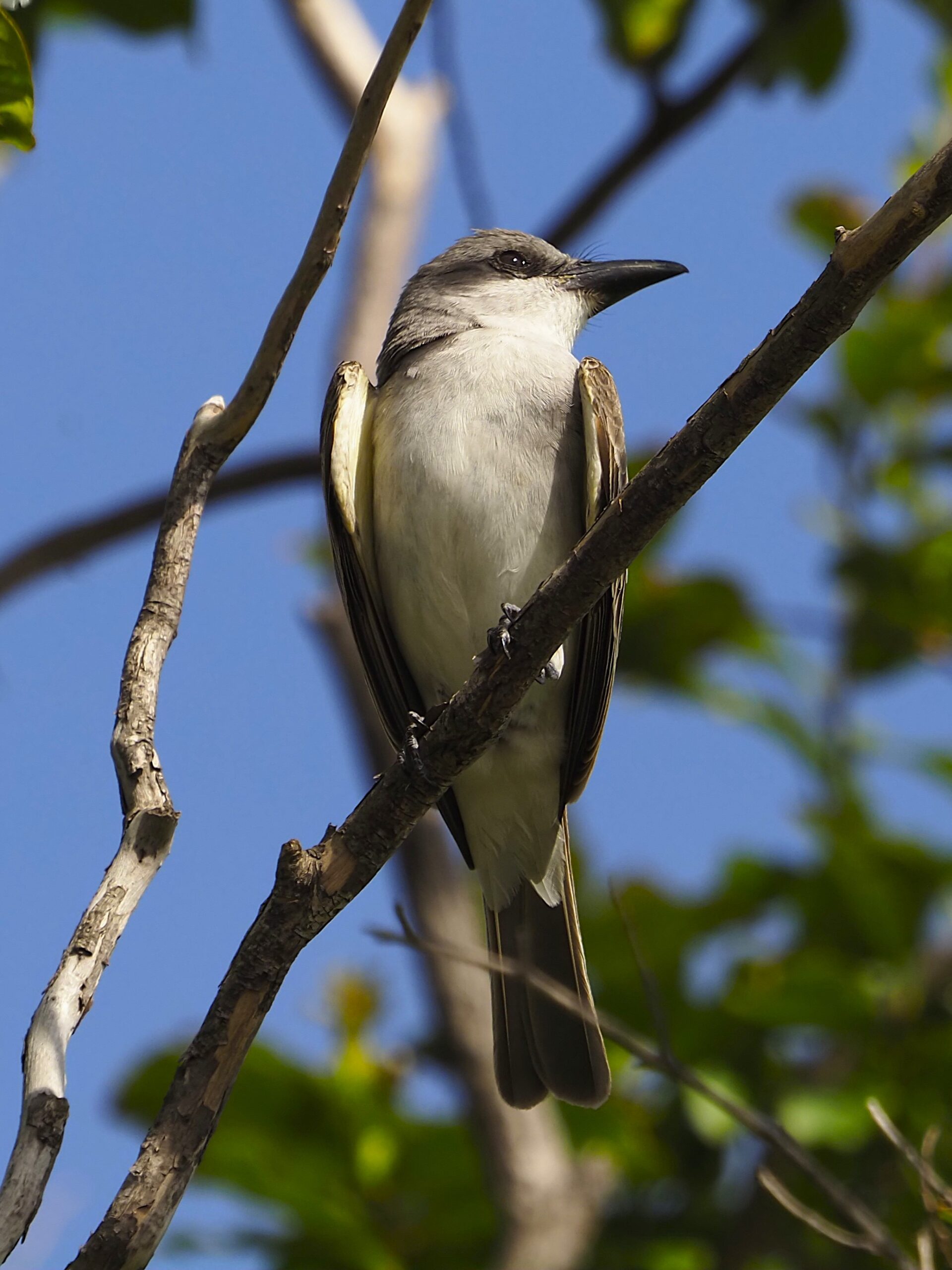
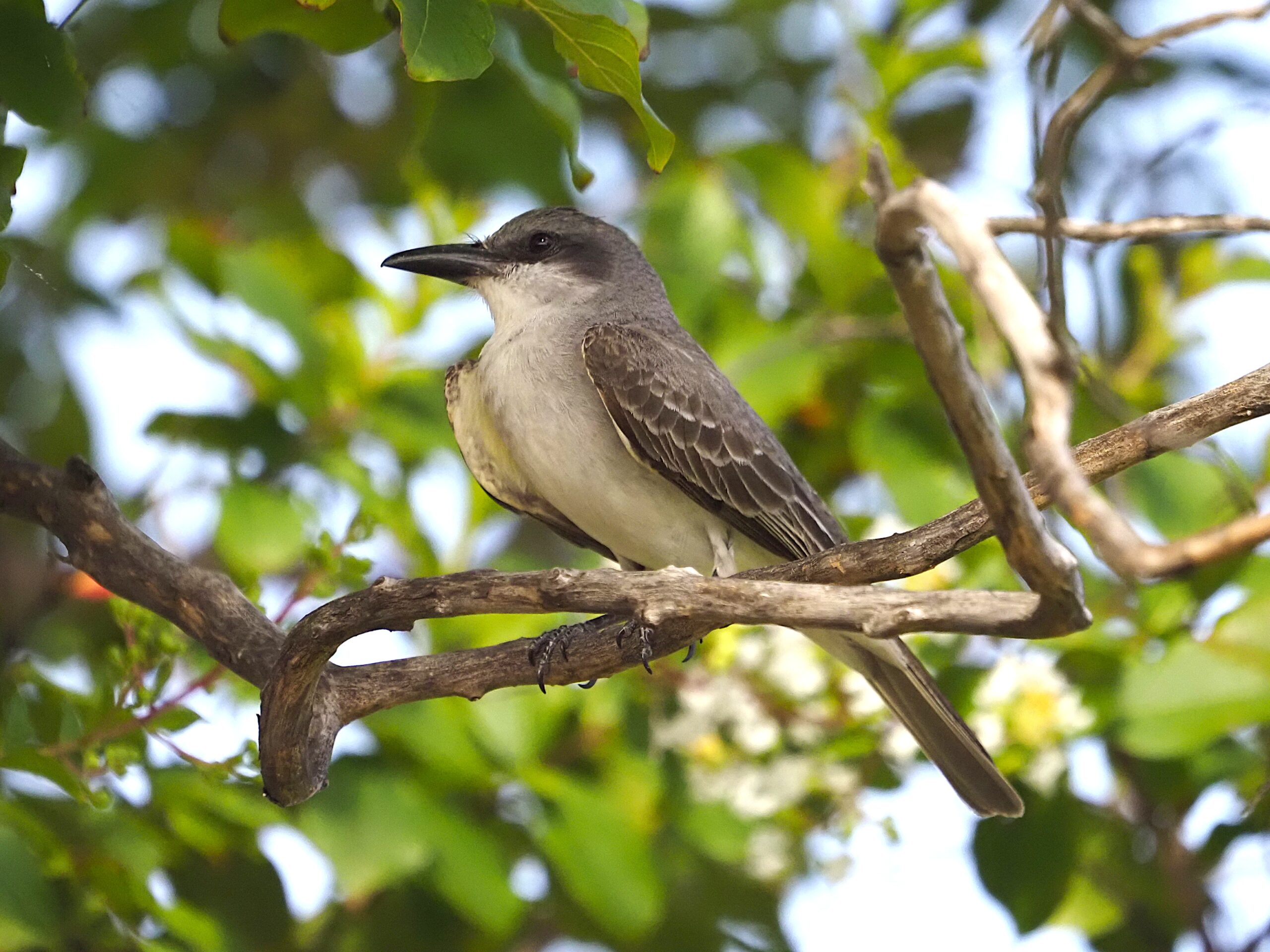
Gray Kingbird
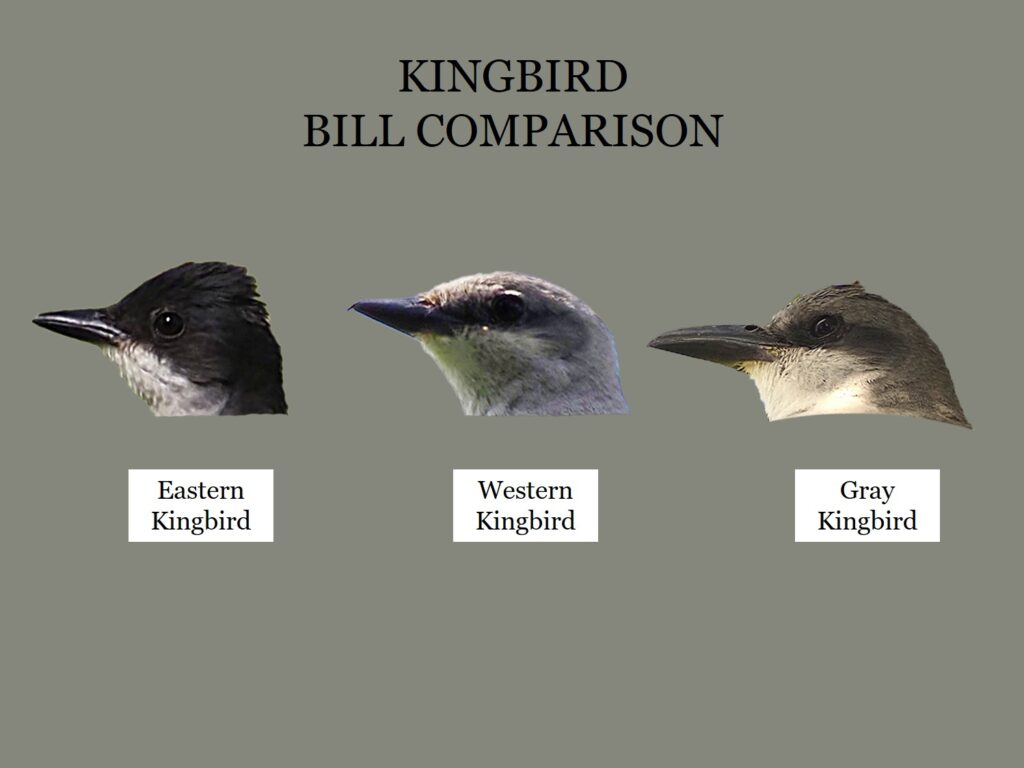
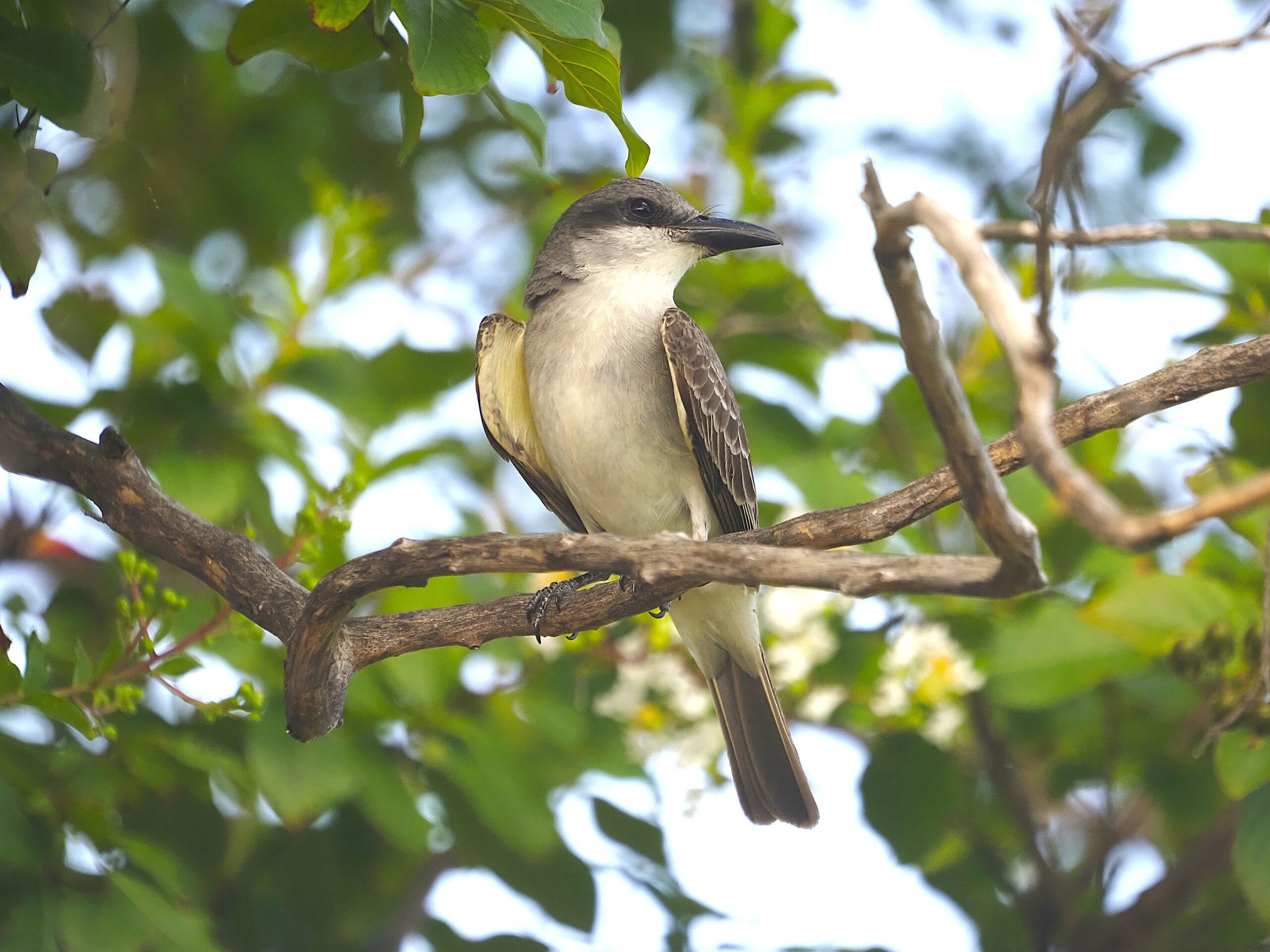
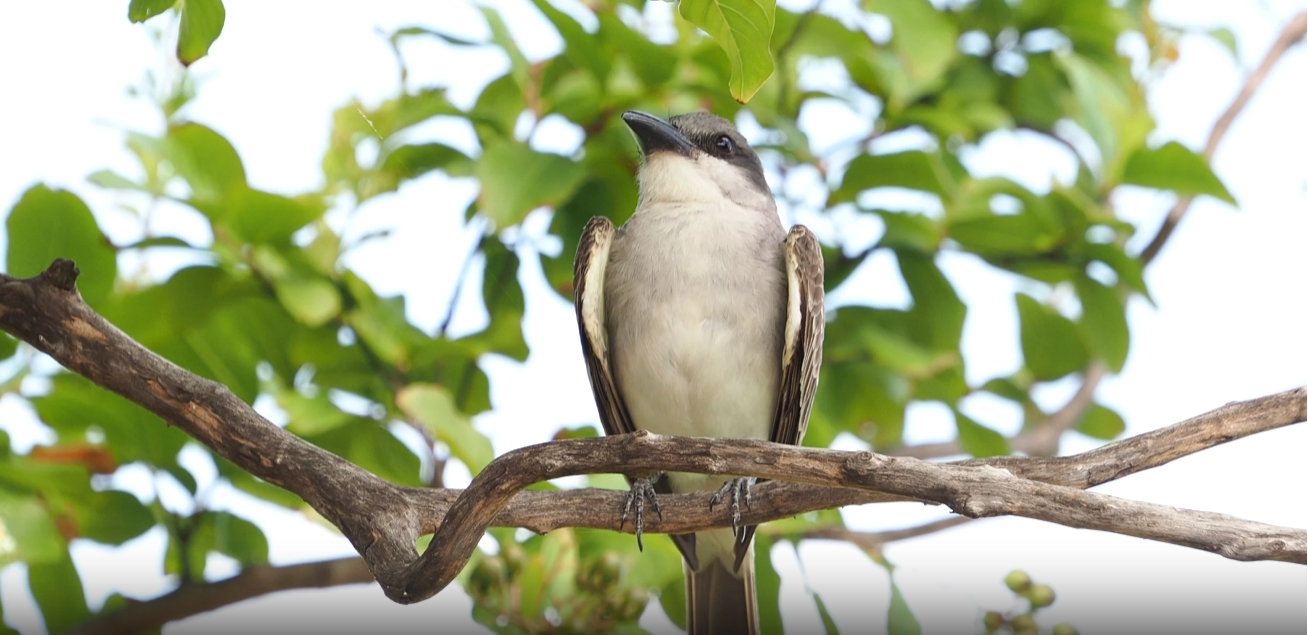
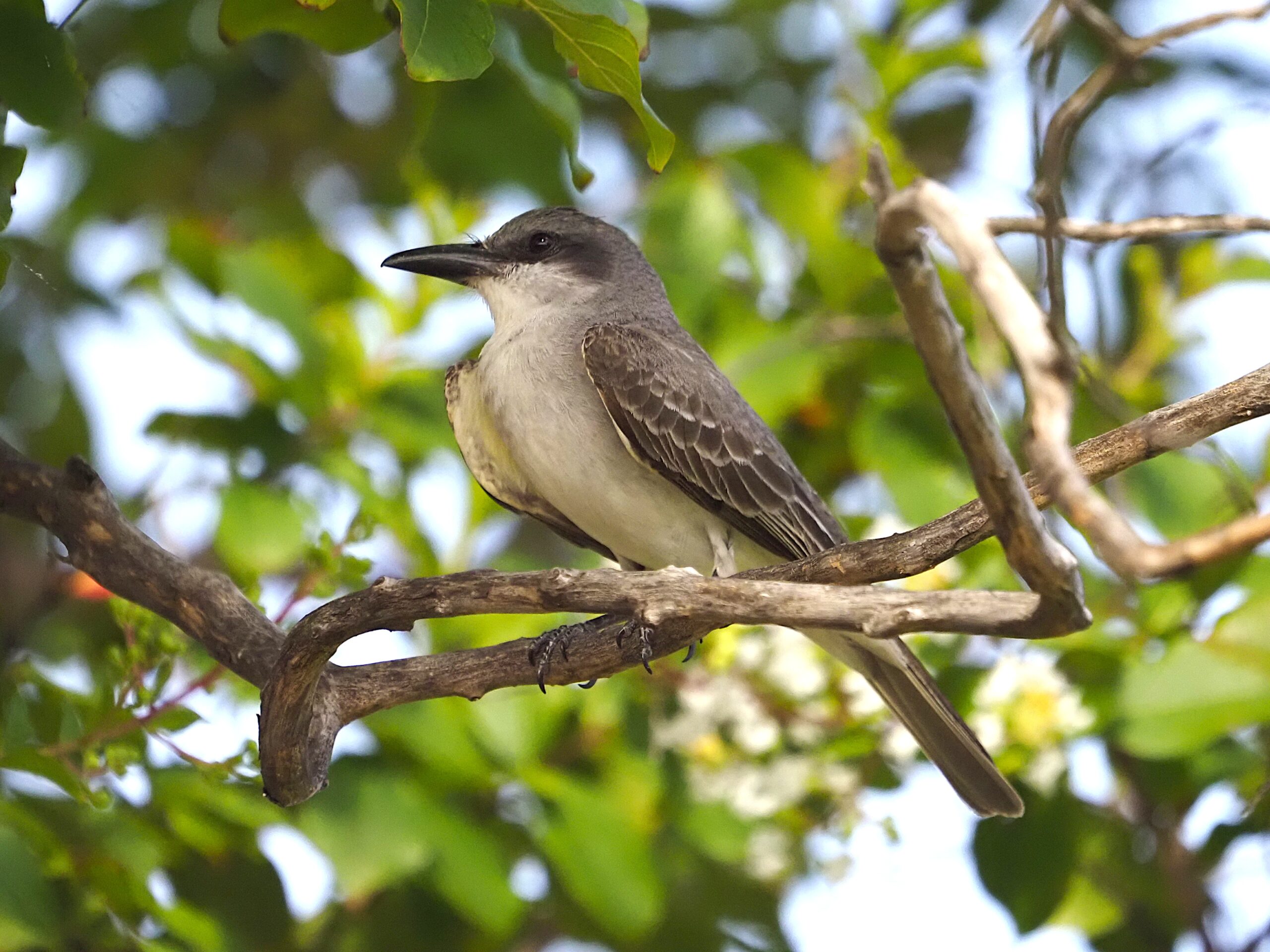
This accommodating Gray Kingbird was present at a Houston golf course during the summer of 2025. It built a nest nest to the practice putting green and was visited by many birders. As shown below, there were 2 other species of Kingbirds in the vicinity, but once the Gray Kingbird showed up it was immediately noticeable by its large, black bill. There are 21 TBRC accepted records in Texas https://www.texasbirdrecordscommittee.org/texas-review-list/texas-review-list-species.
To Flycatchers Overview & Feather Groups