Yellow-bellied Flycatcher
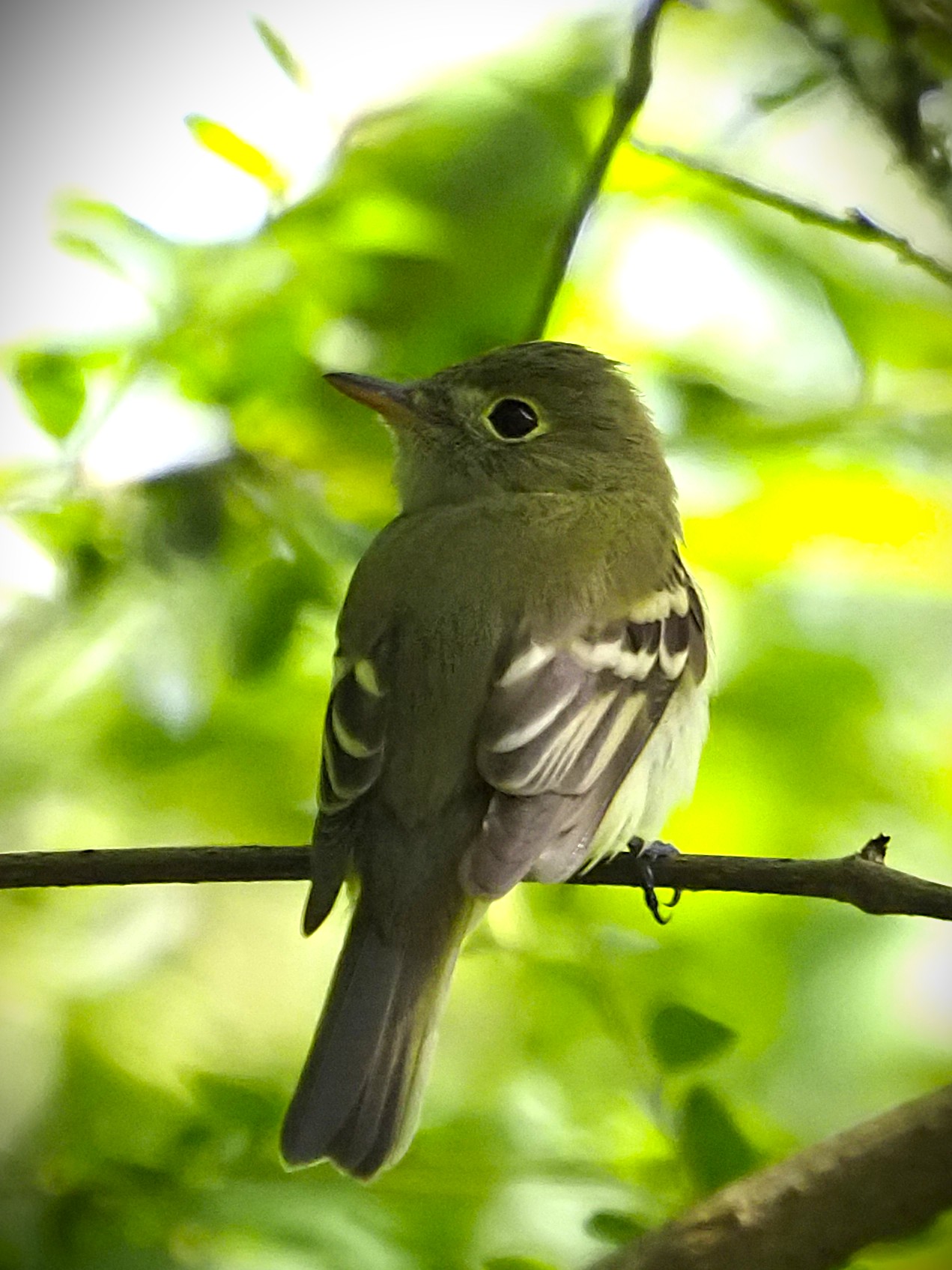
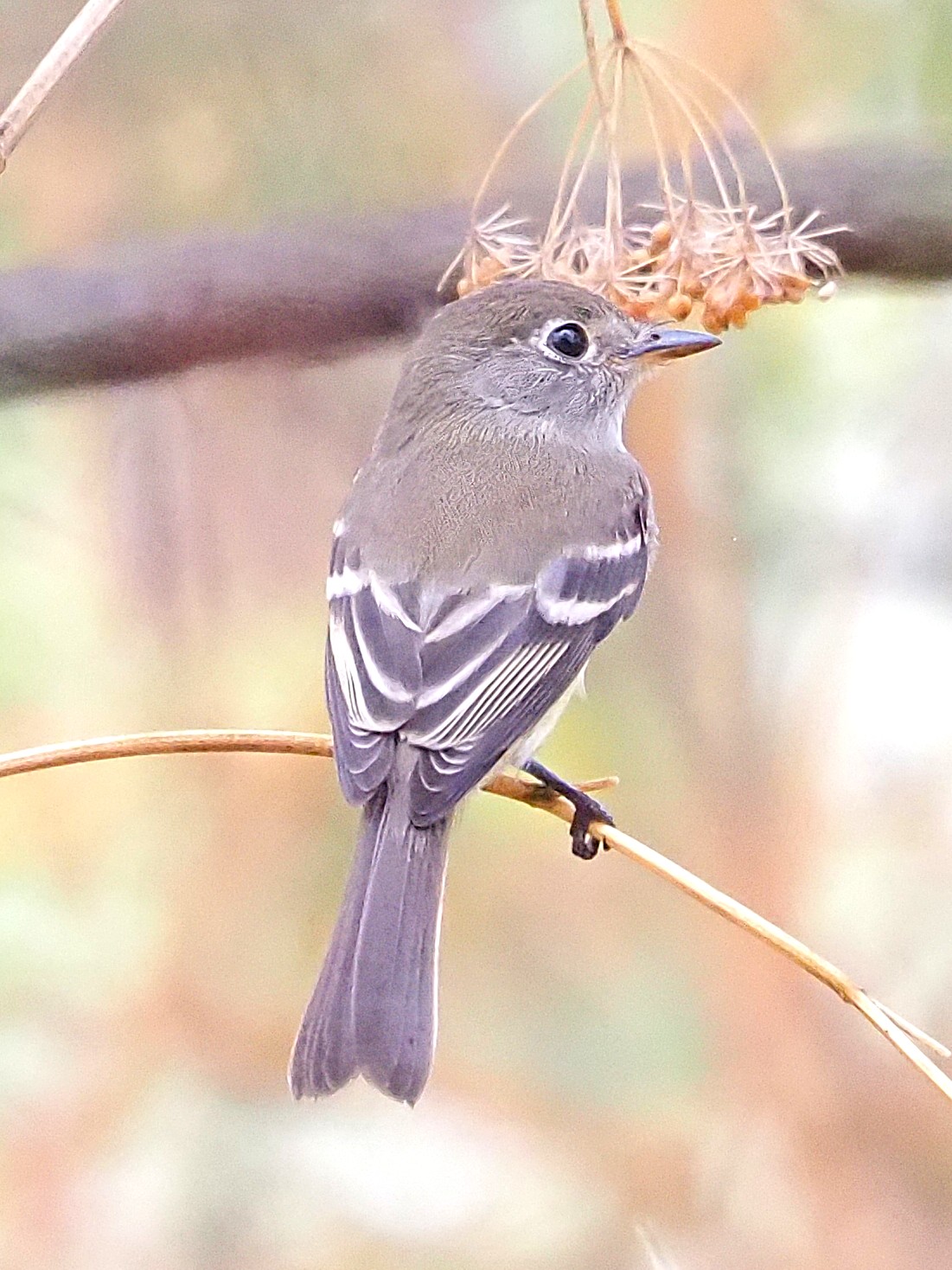
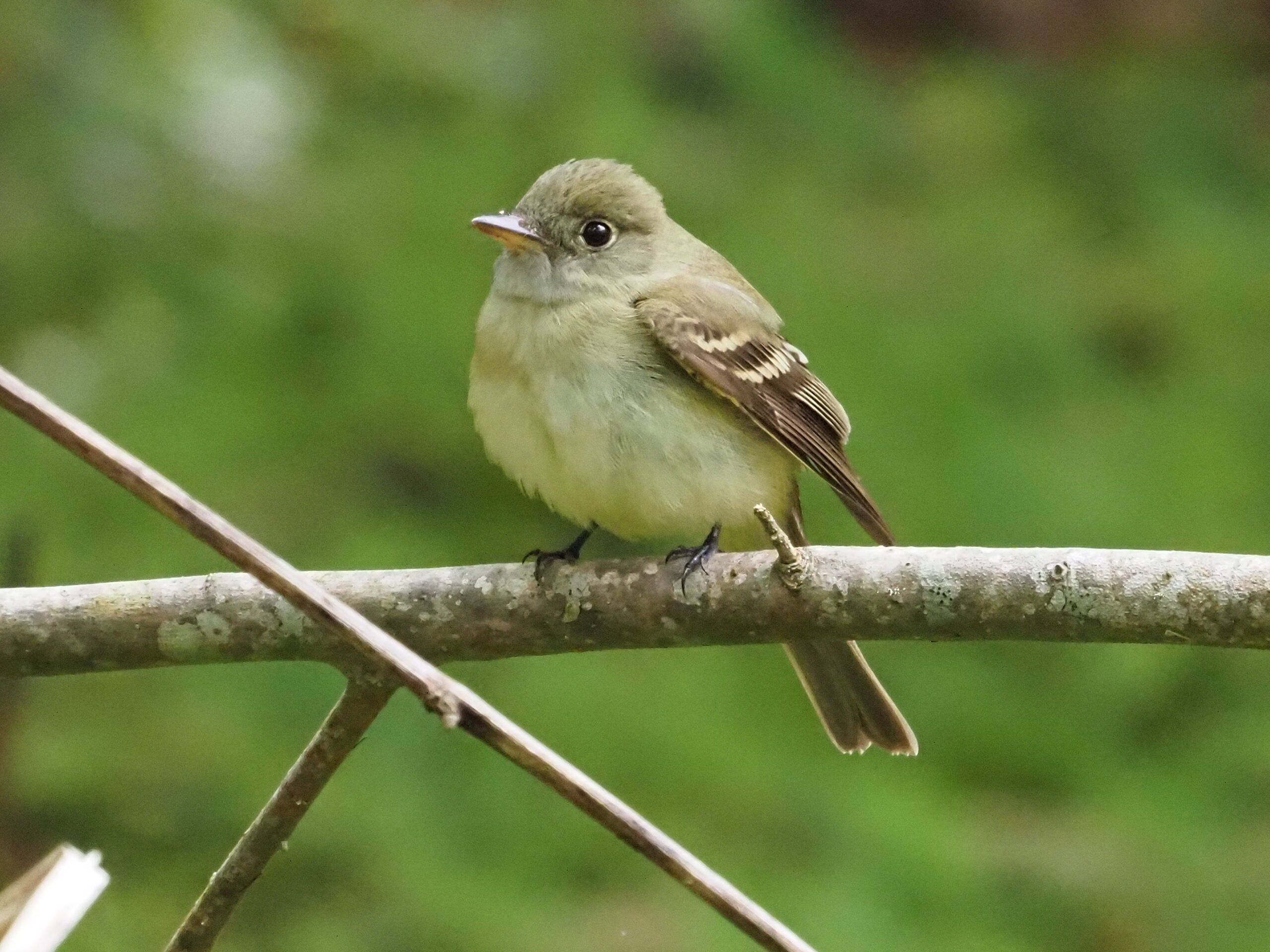
An early fall migrant, the Yellow-bellied’s most distinctive characteristic among Eastern Empids is its yellowish/olive malar & throat, with little contrast between the throat/malar and the cheek. (See the throat comparisons of the 4 Eastern Empids under the Acadian Page). With its compact structure and small head it is often regarded as “the cute one” (along with the Least). (Note: the Yellow-bellied is one of the Empids for which I have few photos).
Structural Characteristics
Body Size & Shape
The Yellow-bellied is usually small, rounded and compact — similar to the Least. It often appears large headed & short-tailed, as well as pudgy.
Bill
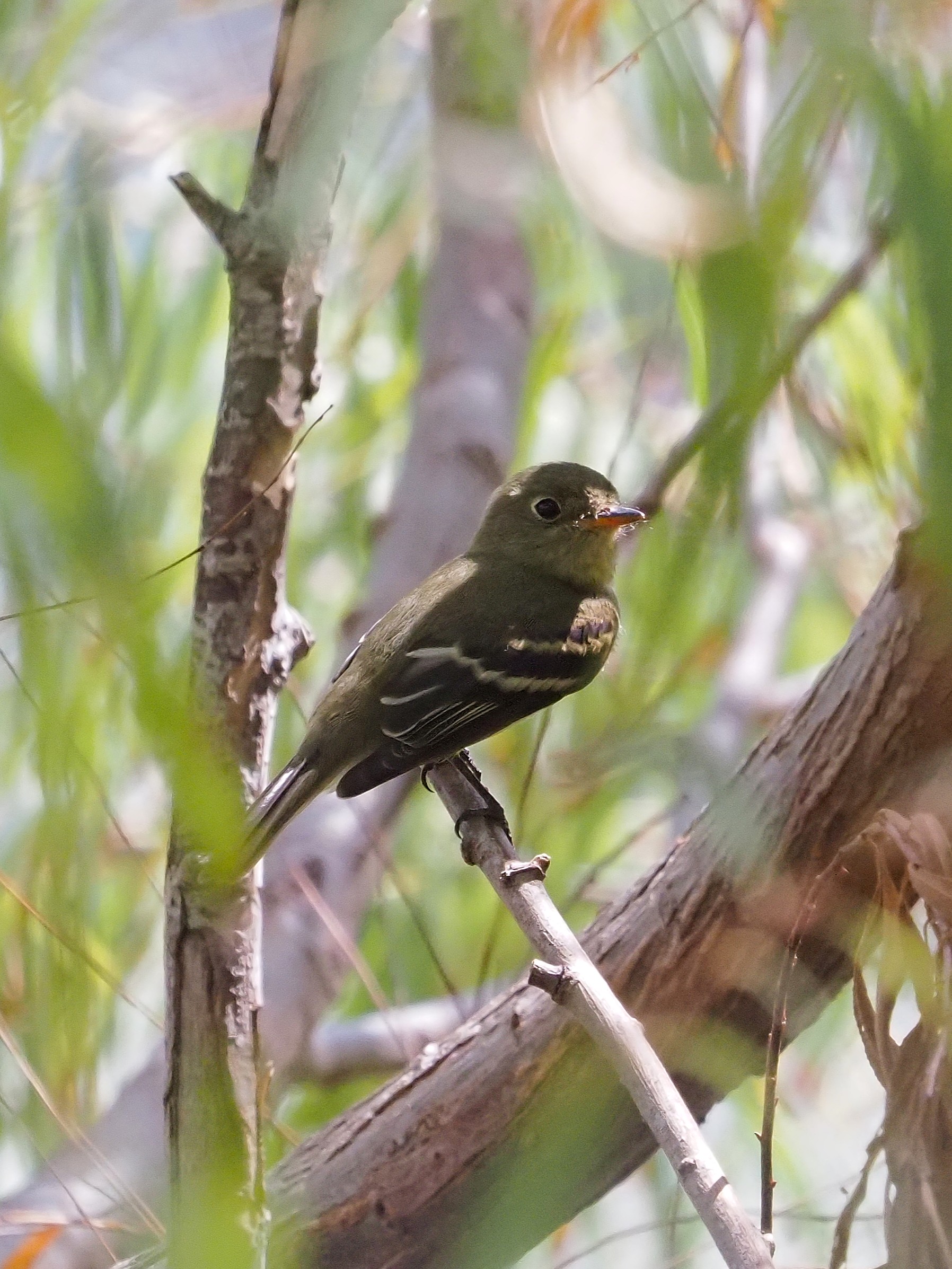
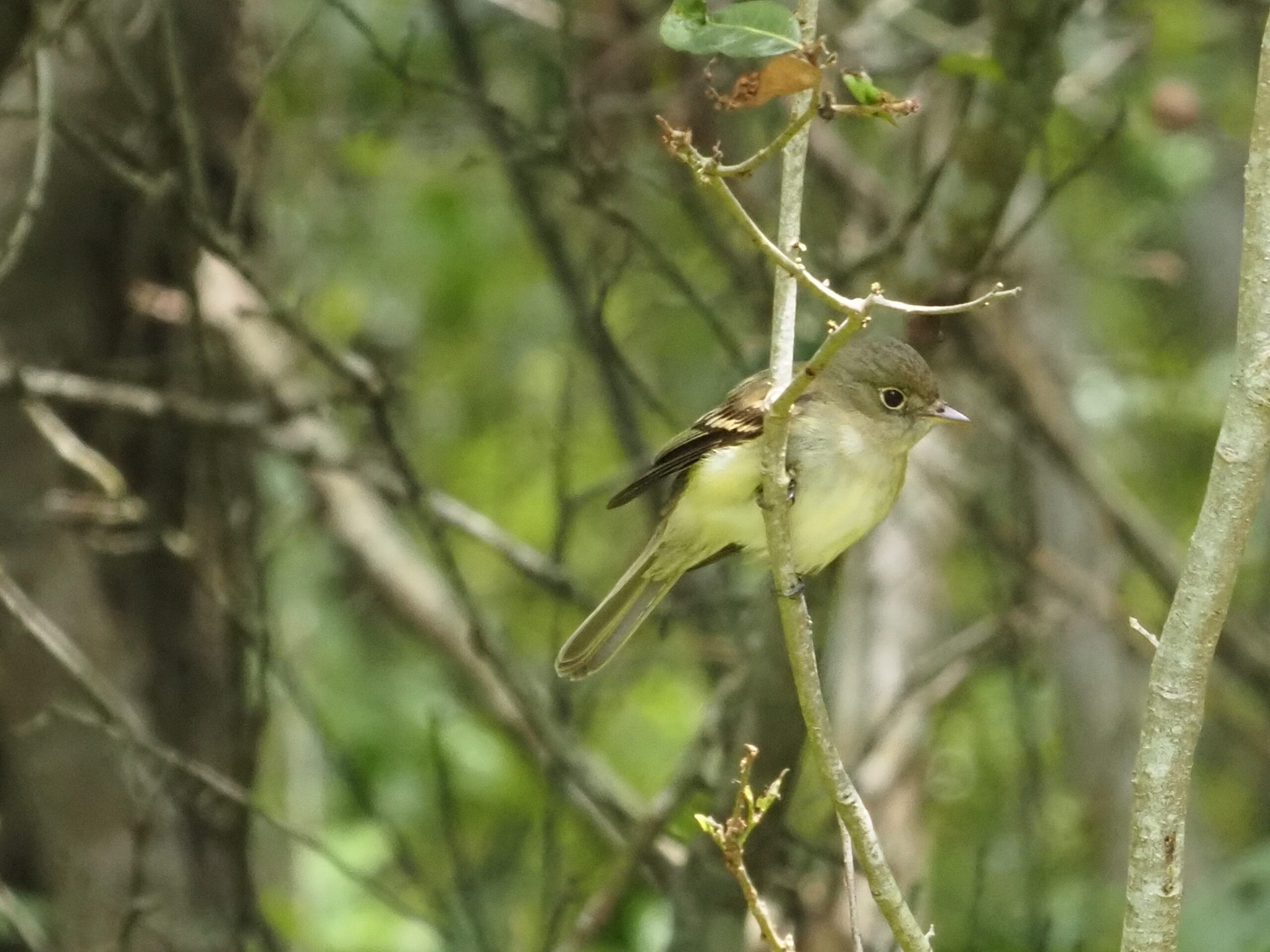
The bill of the Yellow-bellied is rather large for the size of the bird, looking broad at the base and with slightly convex outer edges. The lower mandible is entirely orange-yellow. The bill of the Yellow-bellied is compared with the other Eastern Empids below.
Wings & Primary Projection
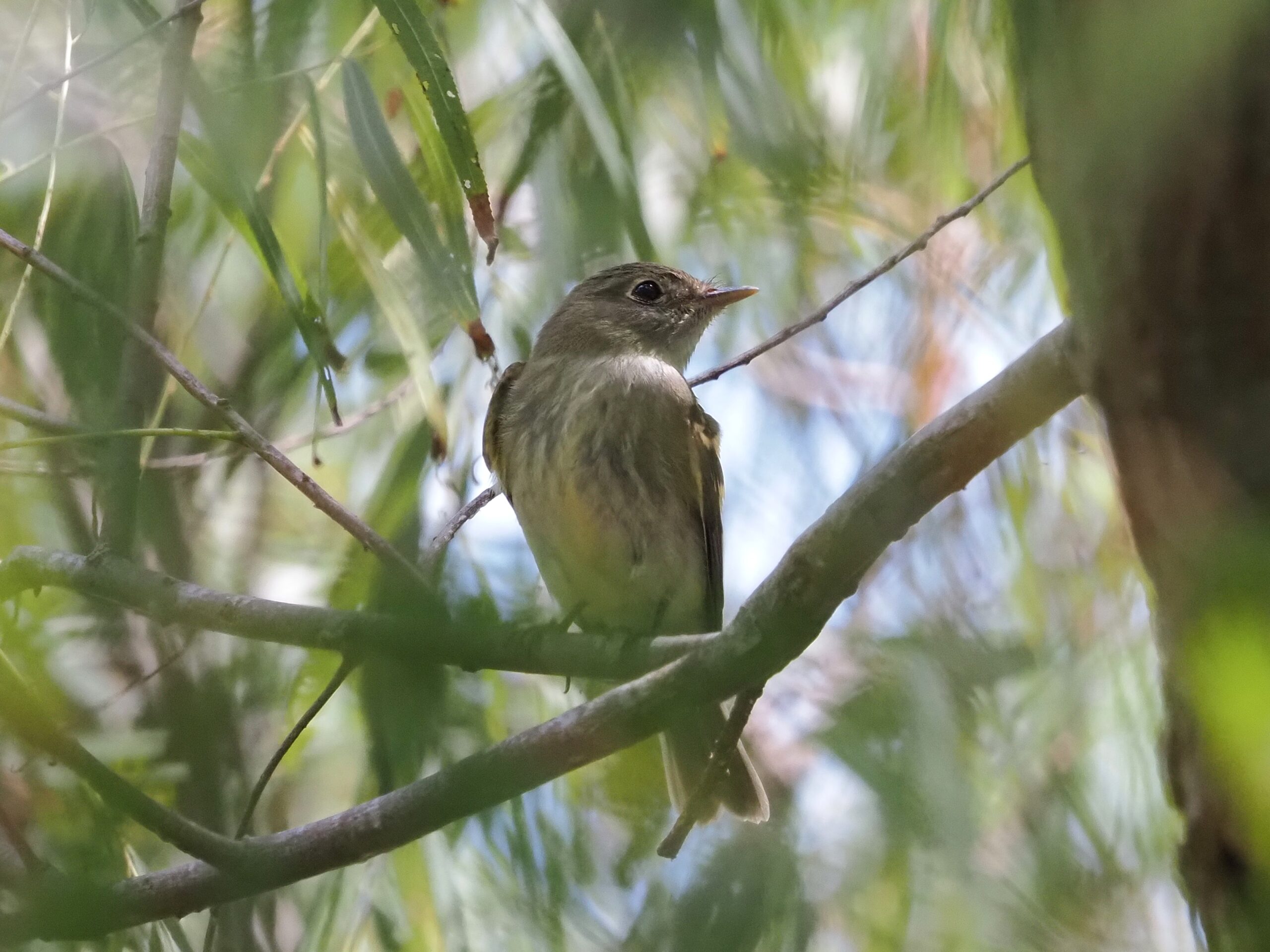
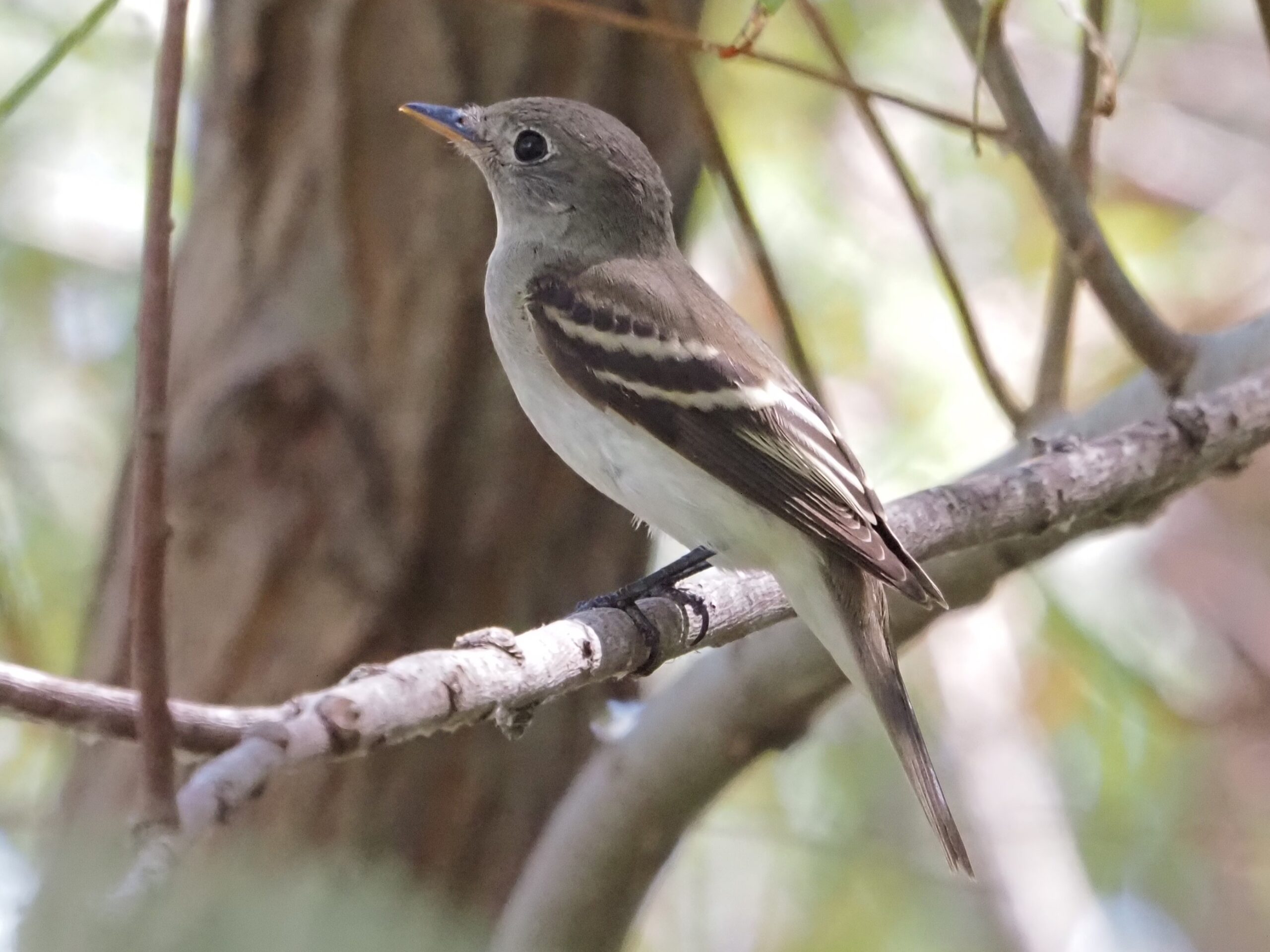
The Yellow-bellied has relatively long wings, but a moderate primary projection.
Tail Proportions & Shape
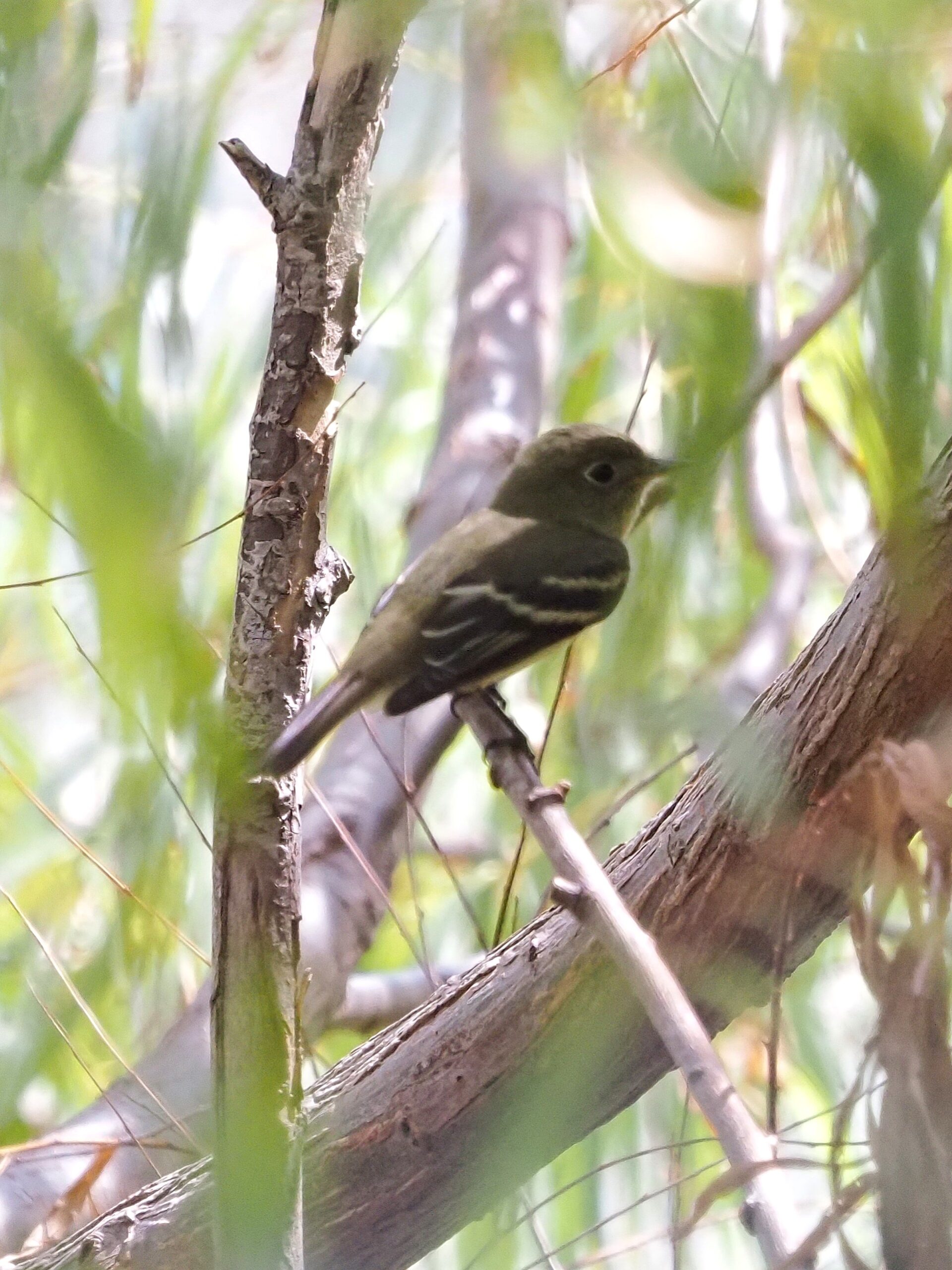
The tail of the Yellow-bellied is short and narrow and constricted at the base, rather than parallel sided.
Head Shape & Proportion to Body & Crown of Head
The large, round head and shorter tail accentuates the front-heavy, big-headed look of the Yellow-bellied. The crown is usually smoothly rounded, occasionally with a slight crest.
Plumage Characteristics
Eye-ring
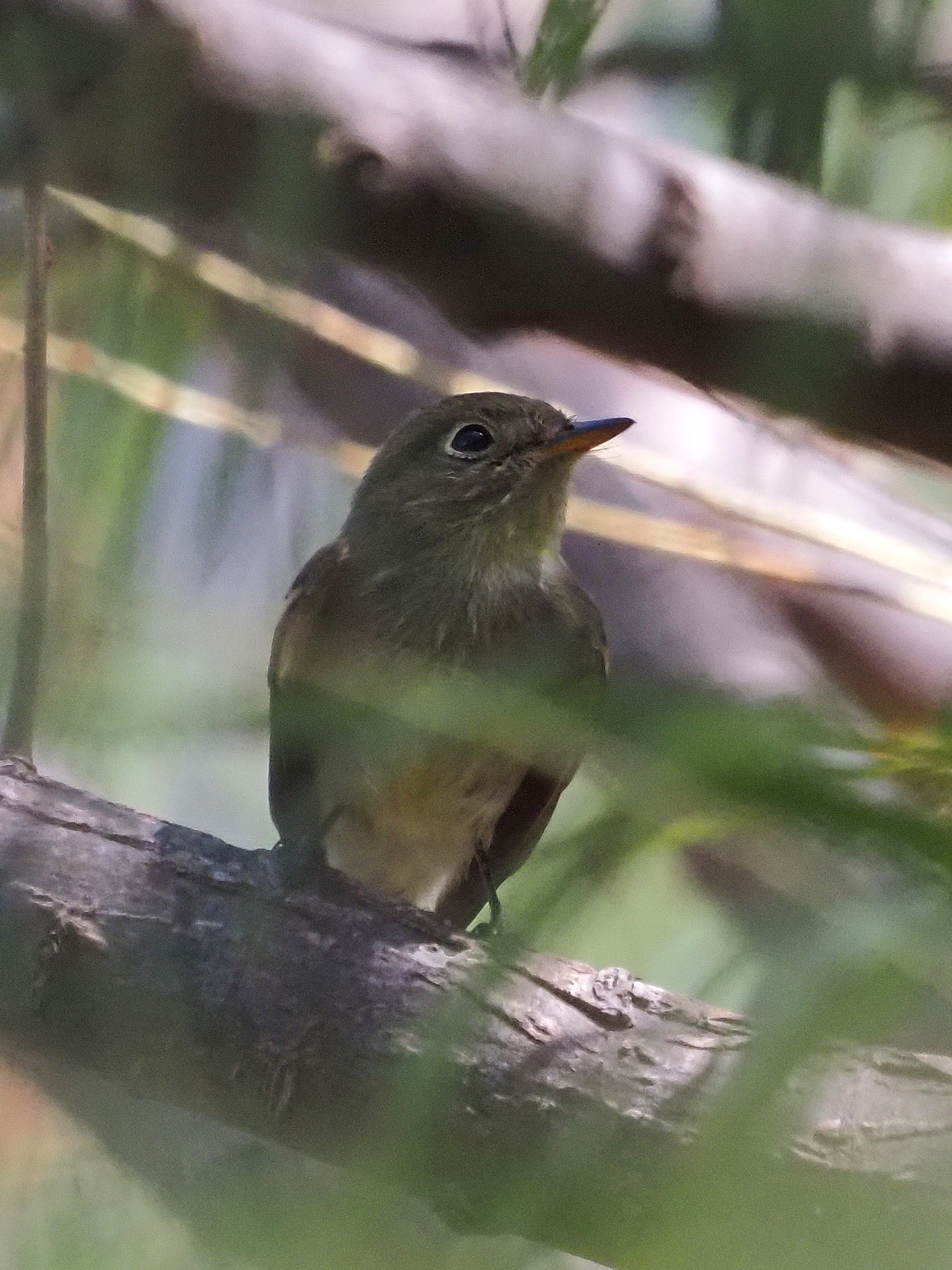
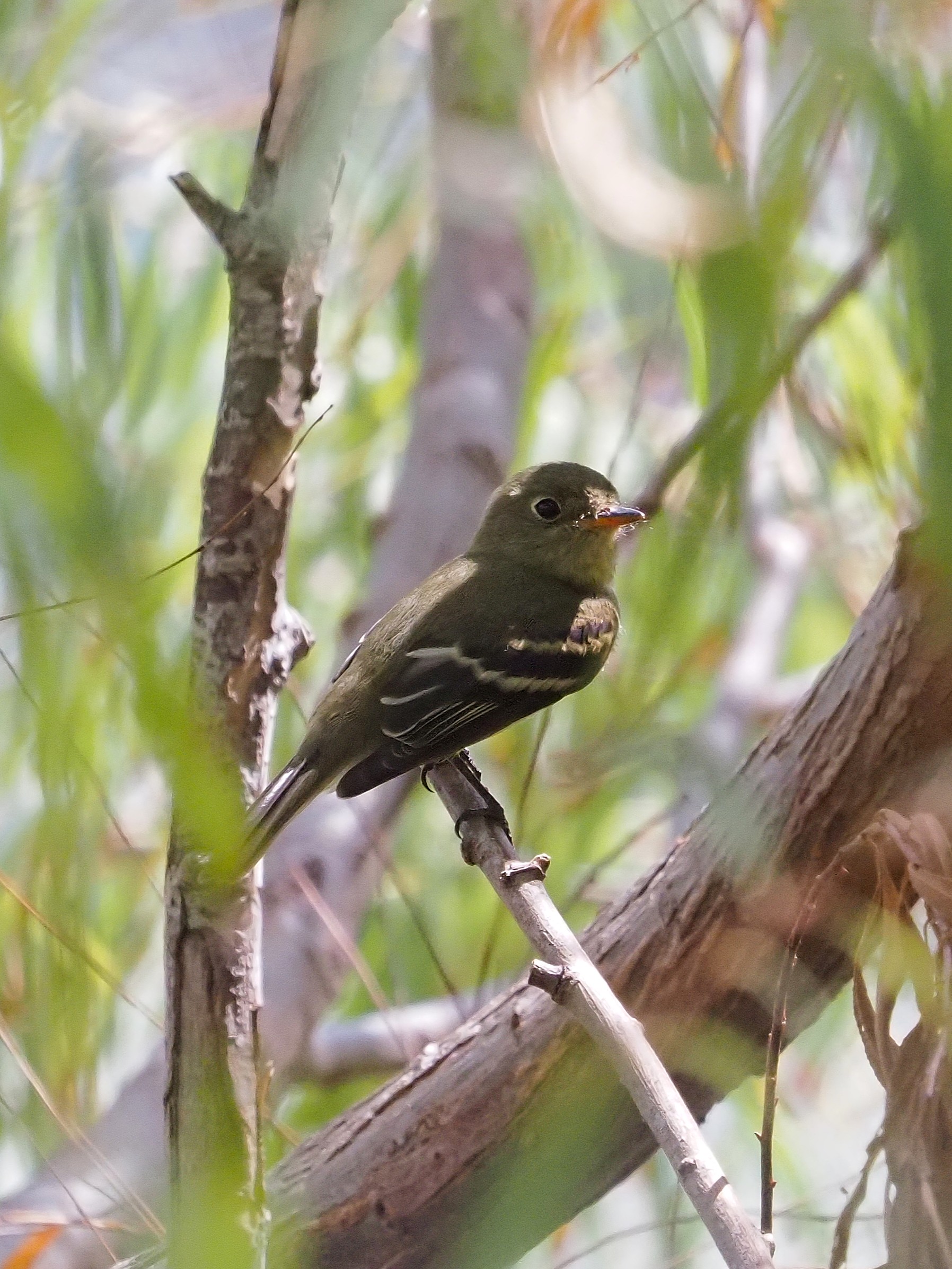
The Yellow-bellied’s eye-ring is complete, of nearly uniform width, conspicuous & sometimes yellow-ish.
Throat Color & Contrast
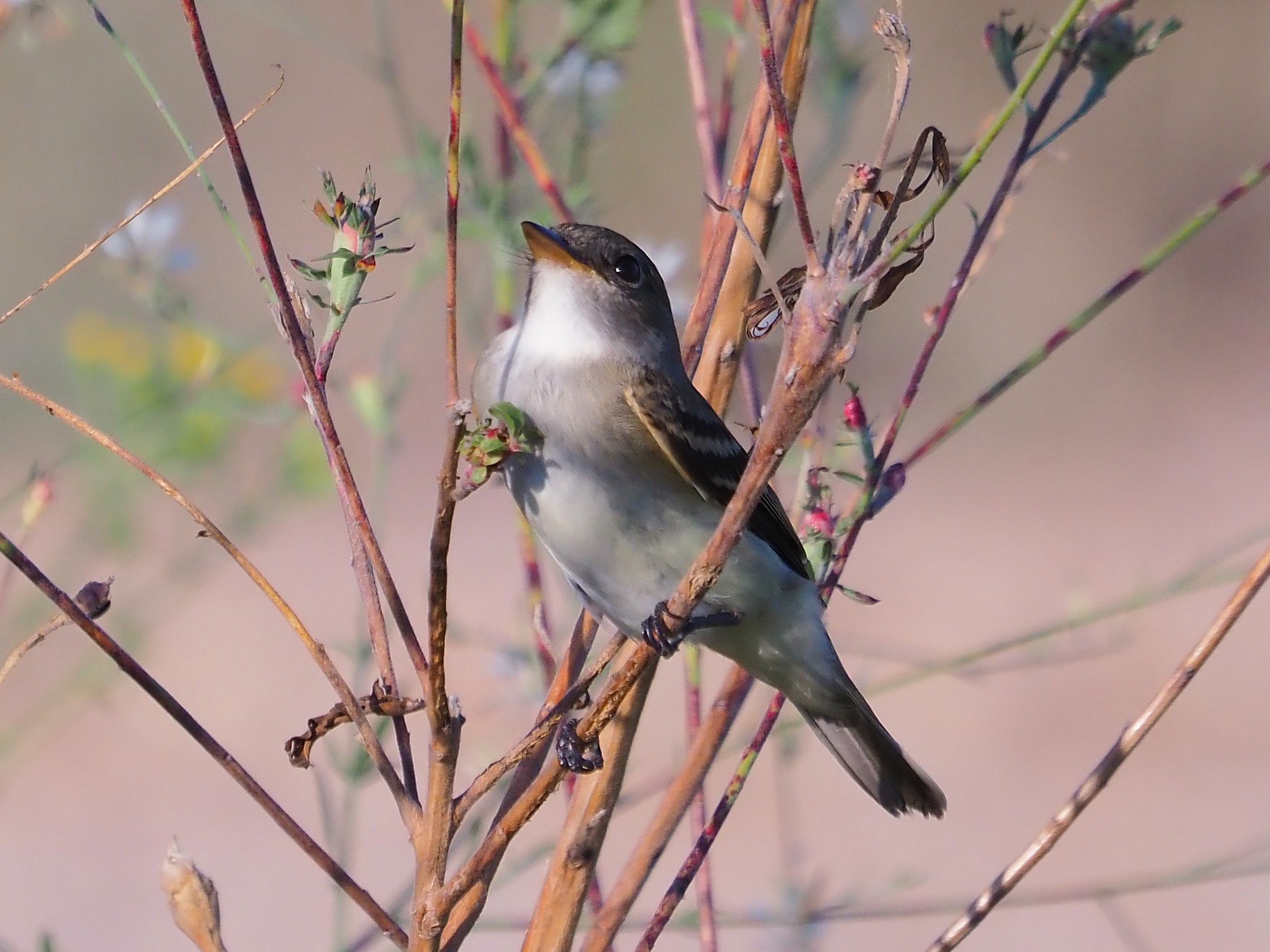
Along with the structural attributes, the lack of contrast between the throat, malar and cheek is the best field mark for the Yellow-bellied. This feature is compared with the other Eastern Empids in the photos below.
Additional Key Points of ID
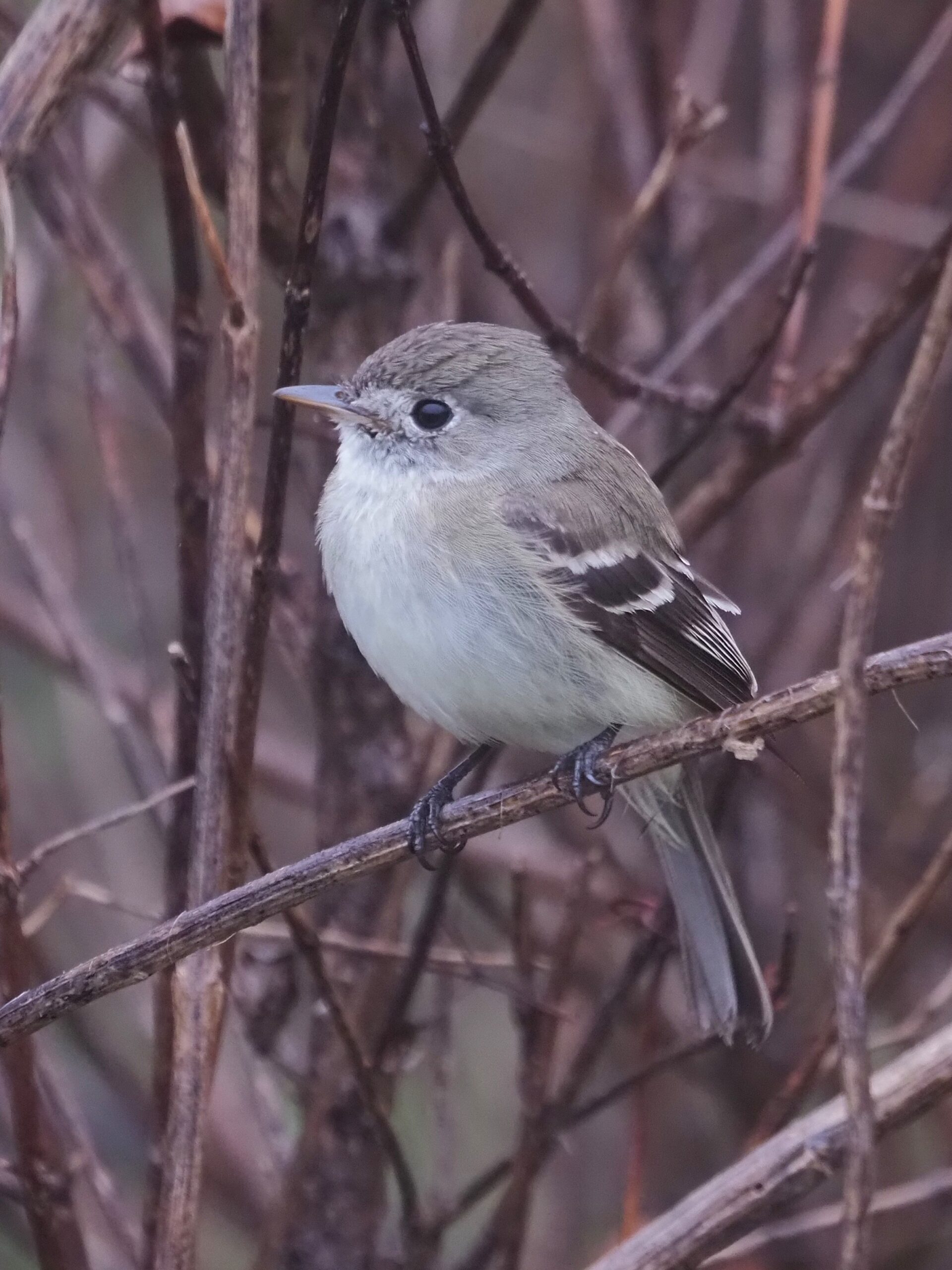
Though the Yellow-bellied is often the most colorful of the Eastern Empids with hues of yellow, olive and gray, the yellow belly should not be relied upon as the only point of ID.
To Flycatchers Overview & Feather Groups