For identification purposes the common thrushes of Texas can be divided into several groups:
- 2 reddish-brown thrushes– Wood Thrush & Veery,
- 2 grayish thrushes —Swainson’s Thrush & Gray-cheeked Thrush,
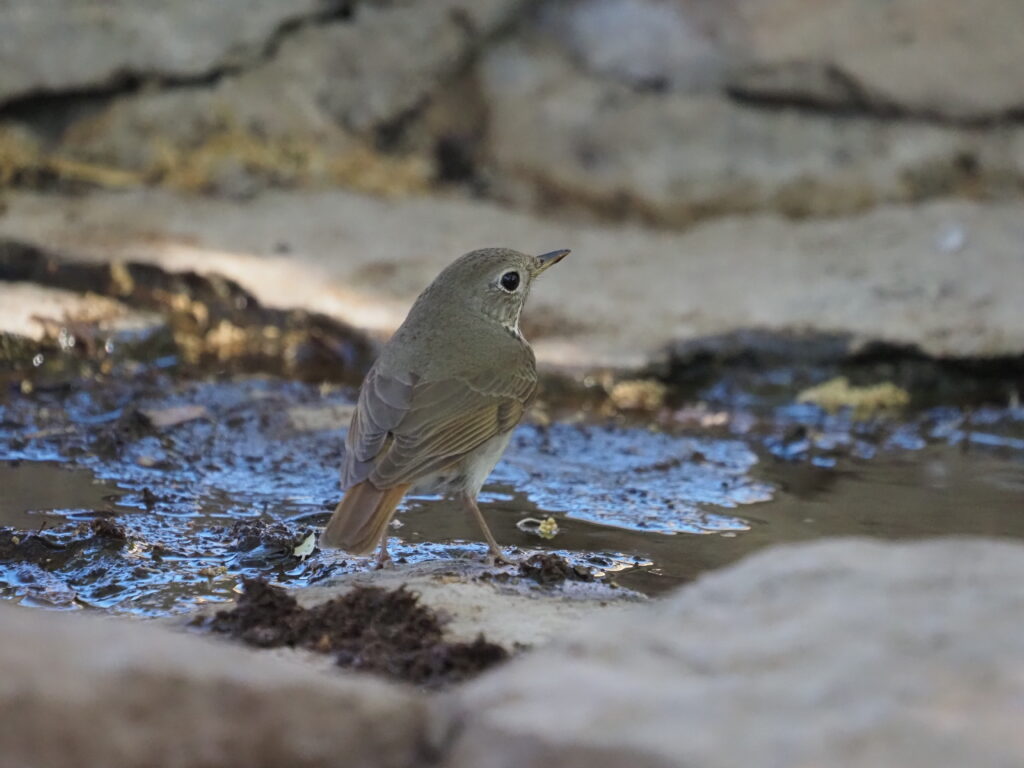
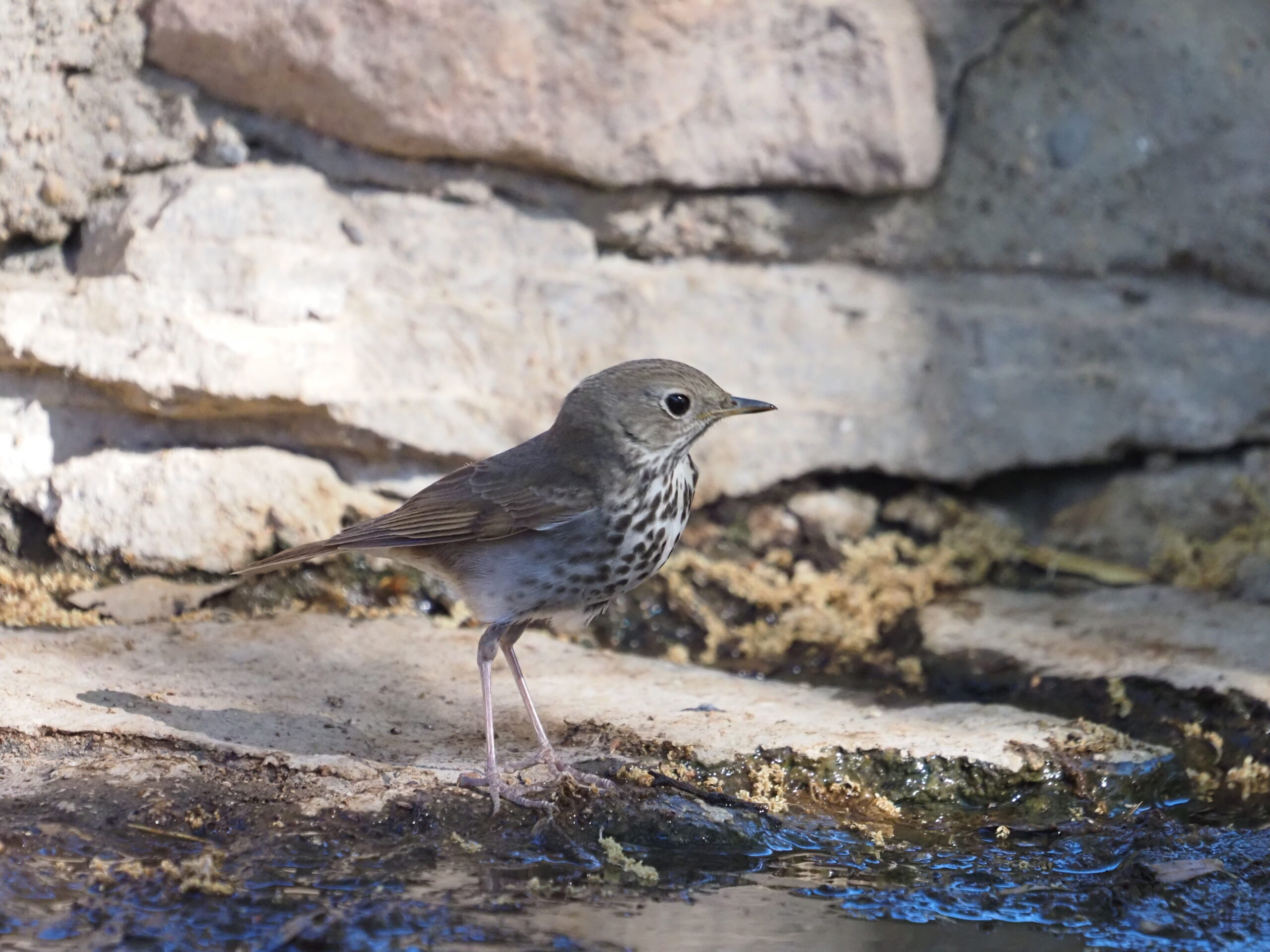
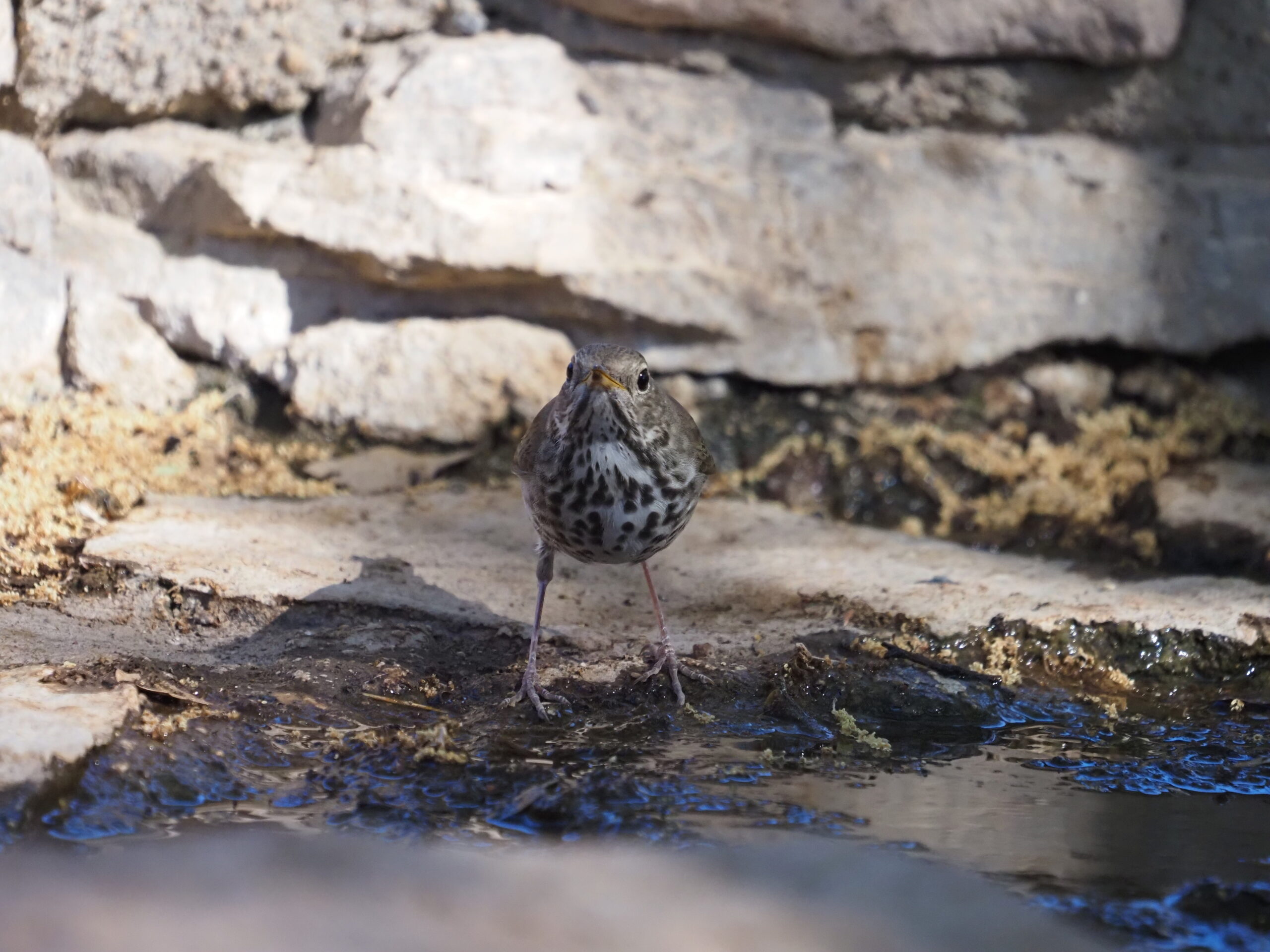
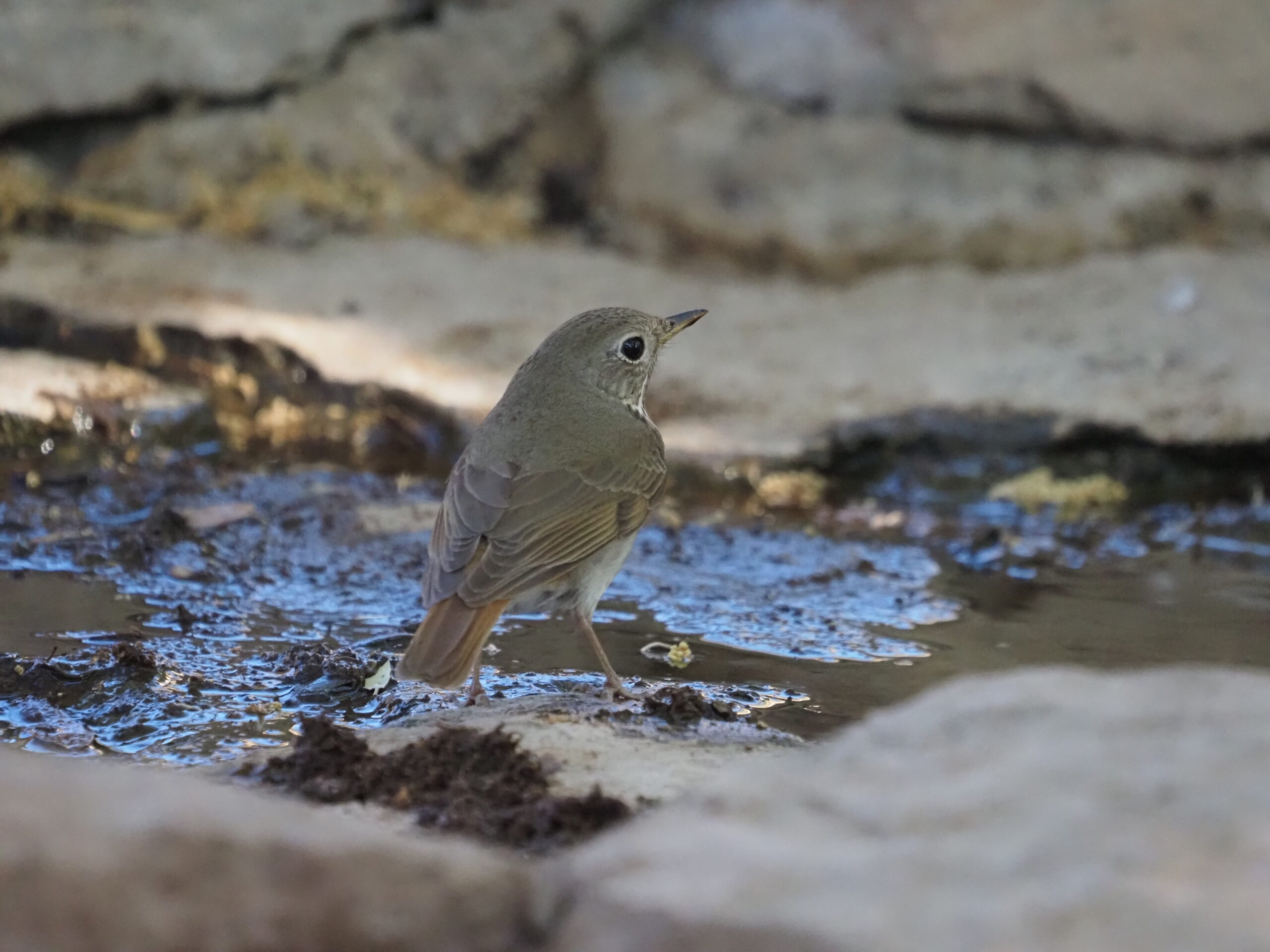
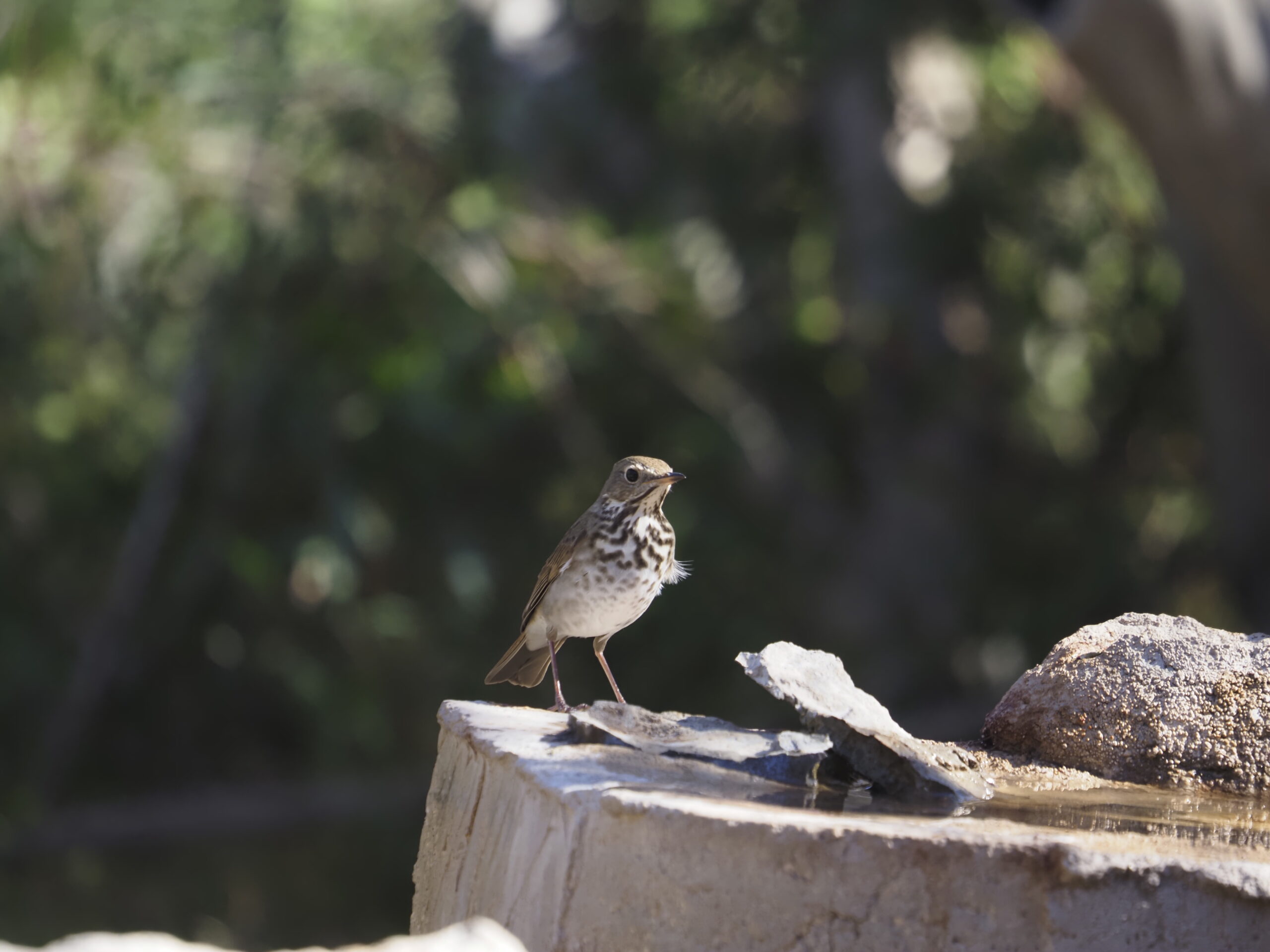
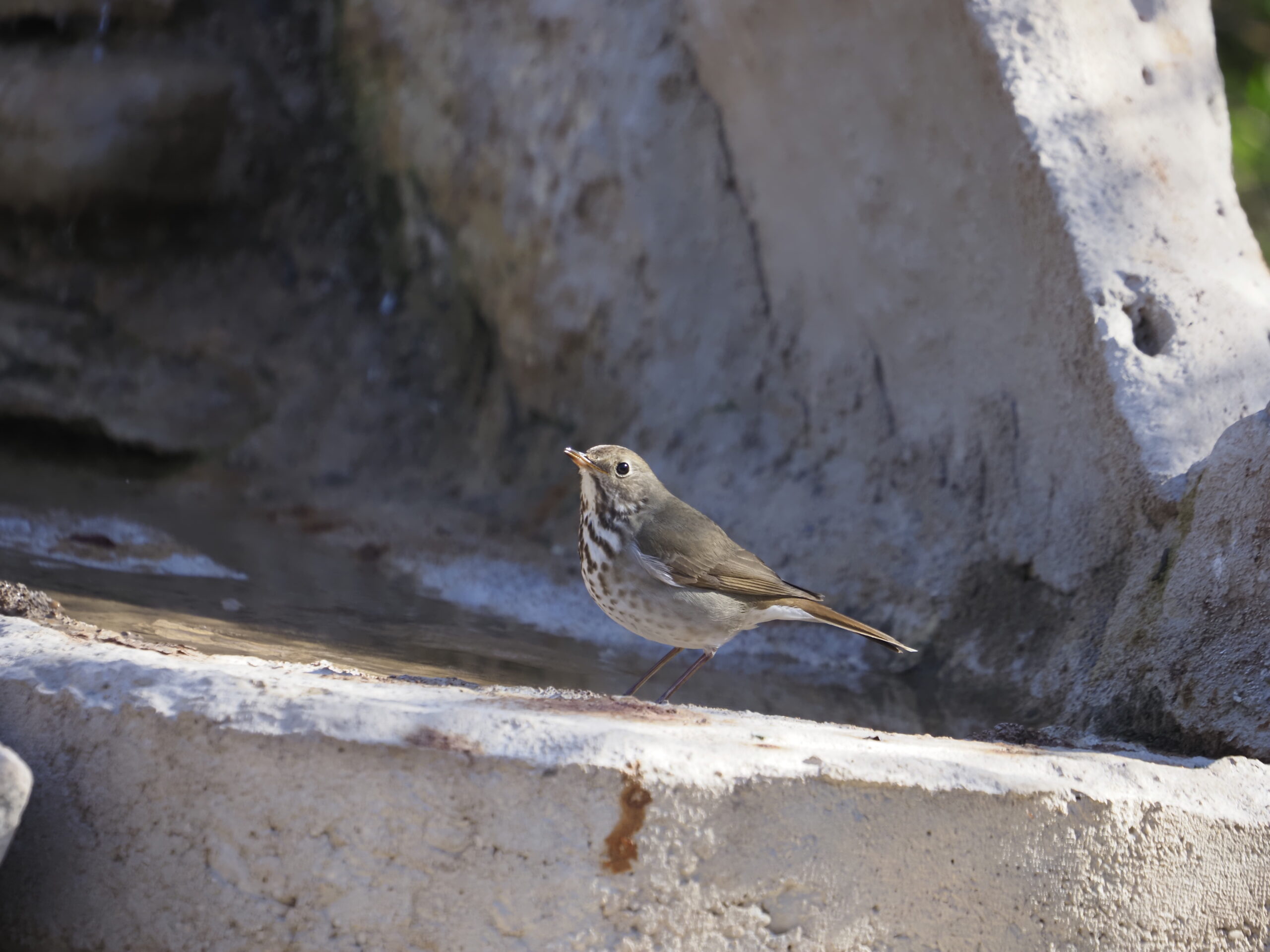
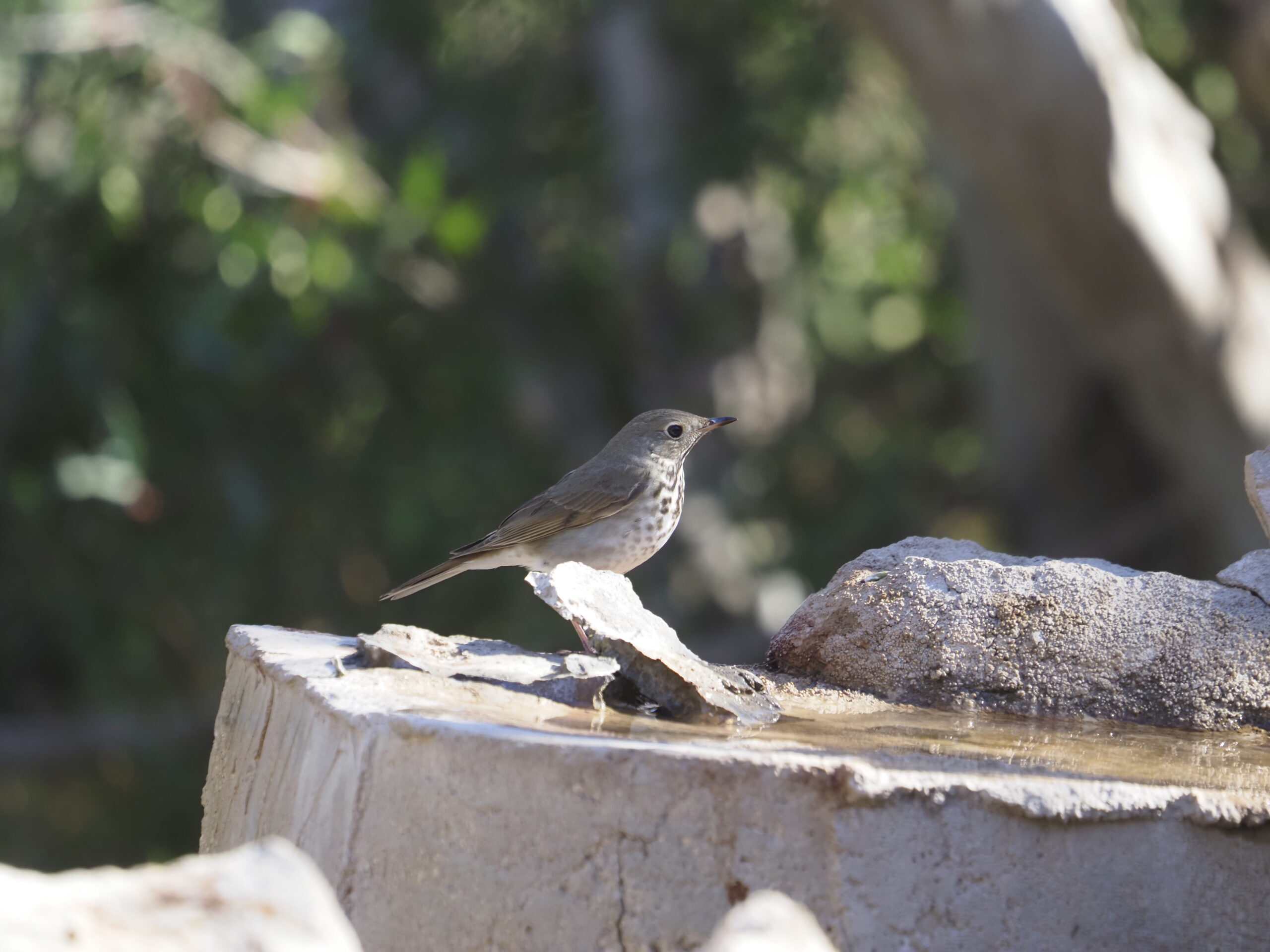
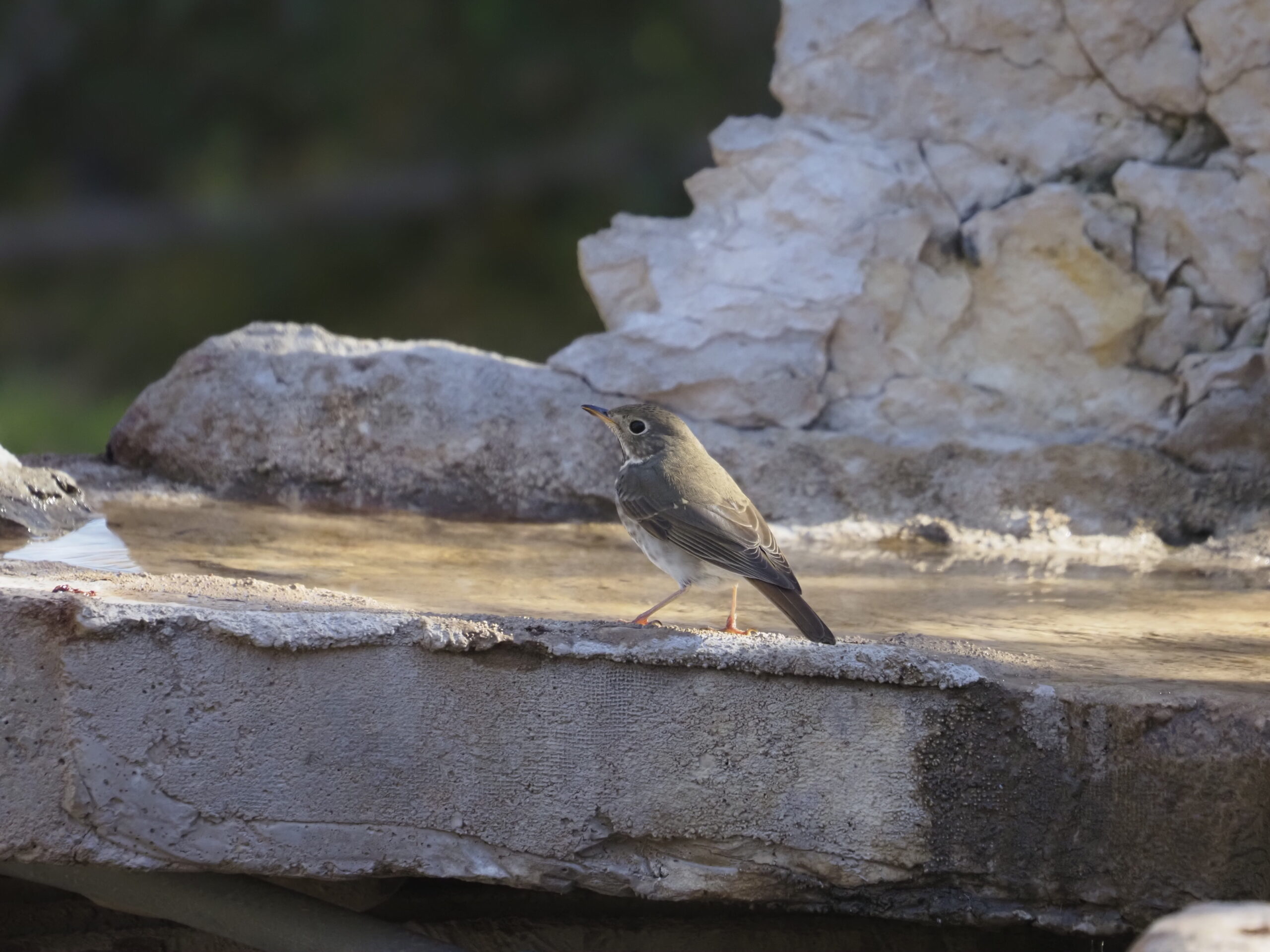
- 1 winter Texan, a reddish & gray thrush–Hermit Thrush,
- 1 red-breasted thrush — American Robin, and
- 1 (aptly named) clay-colored thrush — Clay-colored Thrush.
Distinguishing Gray-cheeked from Swainson’s and Gray-cheeked from Hermit are the primary identification challenges with thrushes. The eye-ring, breast spotting, and flank color are key’s to identifying these species.
The Swainson’s, Gray-cheeked and Veery winter in South America, migrate through Texas and nest in the north of North America. The Wood Thrush also winters in South America, but nests in the Eastern US including East Texas. The Hermit Thrush is the only thrush likely to be seen in winter in Mexico and the Southern US, including Texas.
First recorded in Texas in 1959, the Clay-colored Thrush has steadily increased since that time until it is a regular and increasing resident of Southern Texas. The Clay-colored was removed from the Texas Bird Records Committee (TBRC) Review List in 1998 and sightings as far north as Nueces and Uvalde counties are now not uncommon.
Thrushes are amongst the most renown singers in the bird world. Their ethereal songs can often be heard more easily than the birds can be seen. So its a good idea to learn the songs of the common thrushes. I suggest that you listen to the songs of these 5 common thrushes on your favorite birding app or on Xeno-Canto, an excellent source of bird and other animal sounds. Below are a few tips on what to listen for when learning and listening for each species:
- Swainson’s — notes spiraling upwards,
- Gray-cheeked — higher pitches spiraling downward,
- Wood — starts on low notes, then increases in pitch, ends on rich trill,
- Veery — somewhat low notes spiraling downward,
- Hermit — starts with a single low note, then rising and multiplying,
- American Robin — 3 or so phrases then a pause, listen for the “hissily”, and
- Clay-colored — tone of a American Robin, but phrasing similar to Northern Mockingbird but with fewer repititions.
The Orange-billed Nightingale-thrush (2), Black-headed Nightingale-thrush (1), White-throated Thrush (19), Rufous-backed Robin (32), Varied Thrush (60) and Aztec Thrush (7) have also been recorded in Texas and are on the TBRC Review List (numbers in parentheses above show number of accepted records on the TBRC Review List).
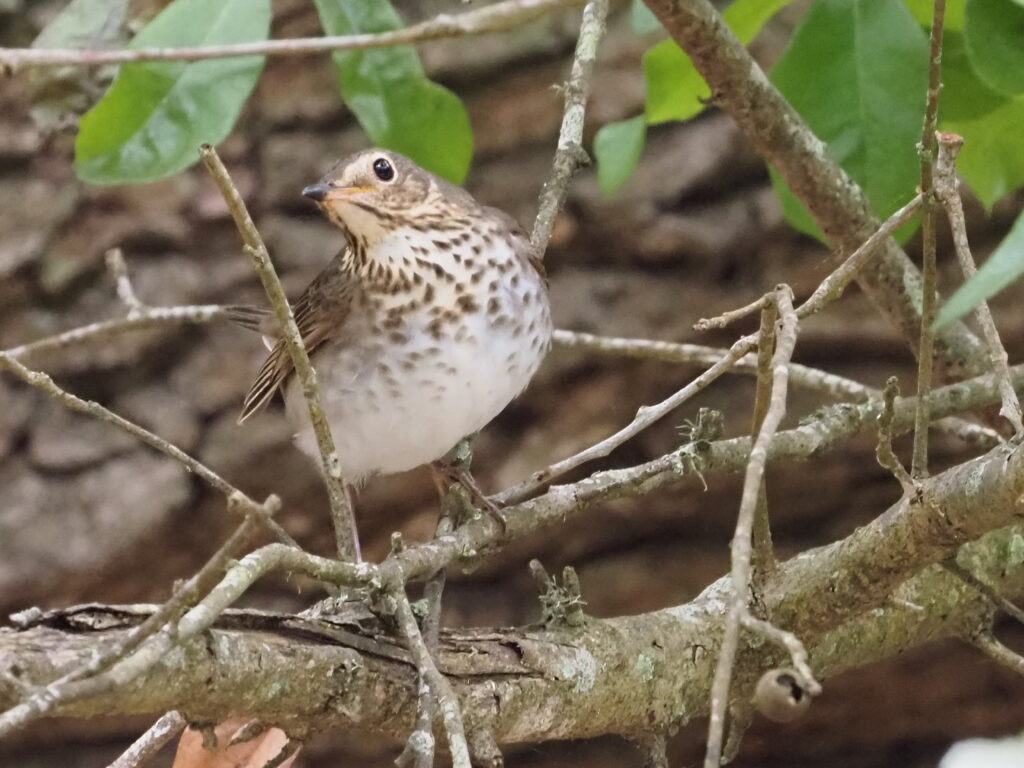
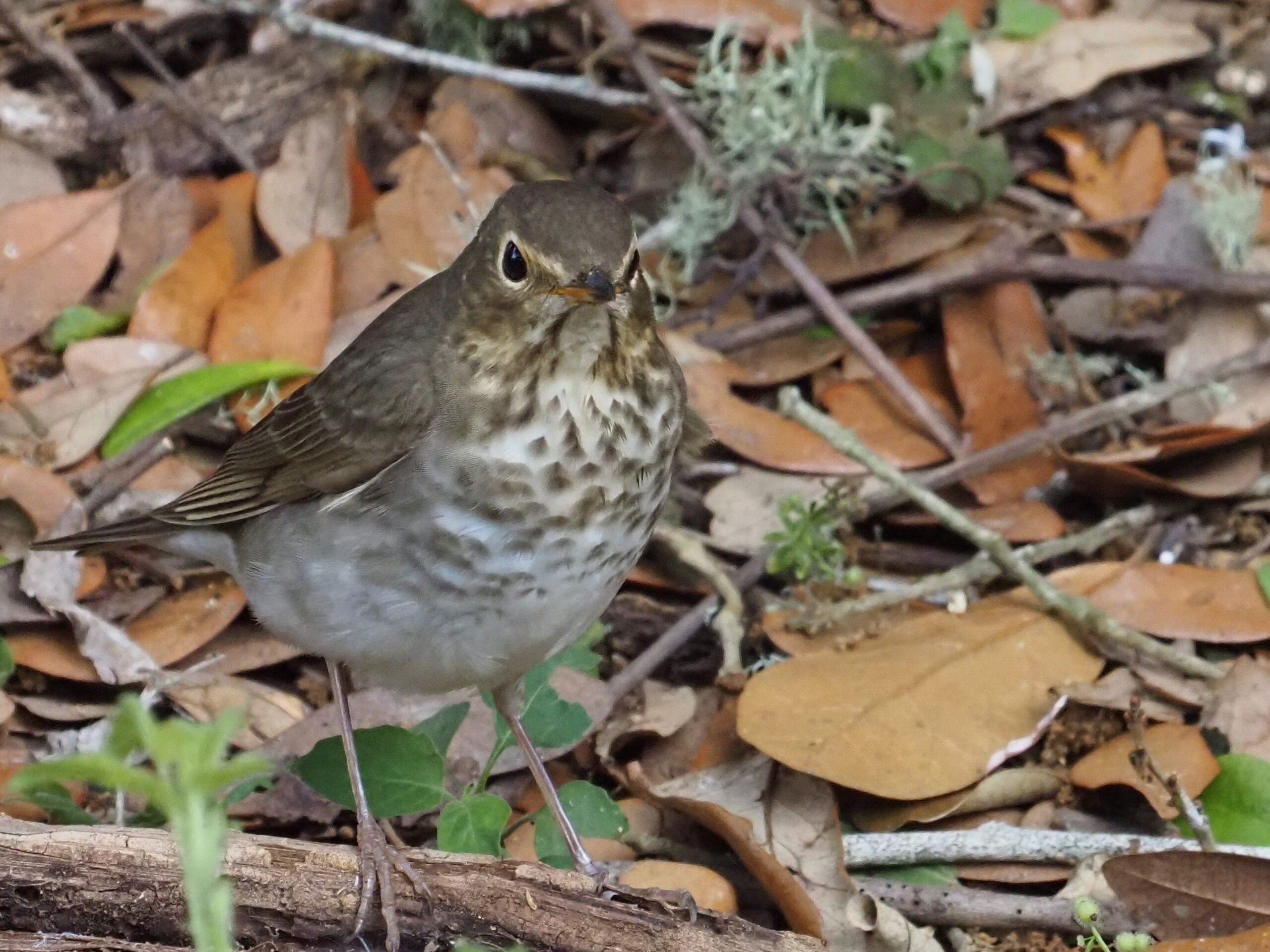
Swainson’s Thrush
Although it can be encountered throughout the state during migration, the Swainson’s Thrush is more abundant in east Texas and in coastal woods at that time. It is a fairly common spring migrant in Central Texas.
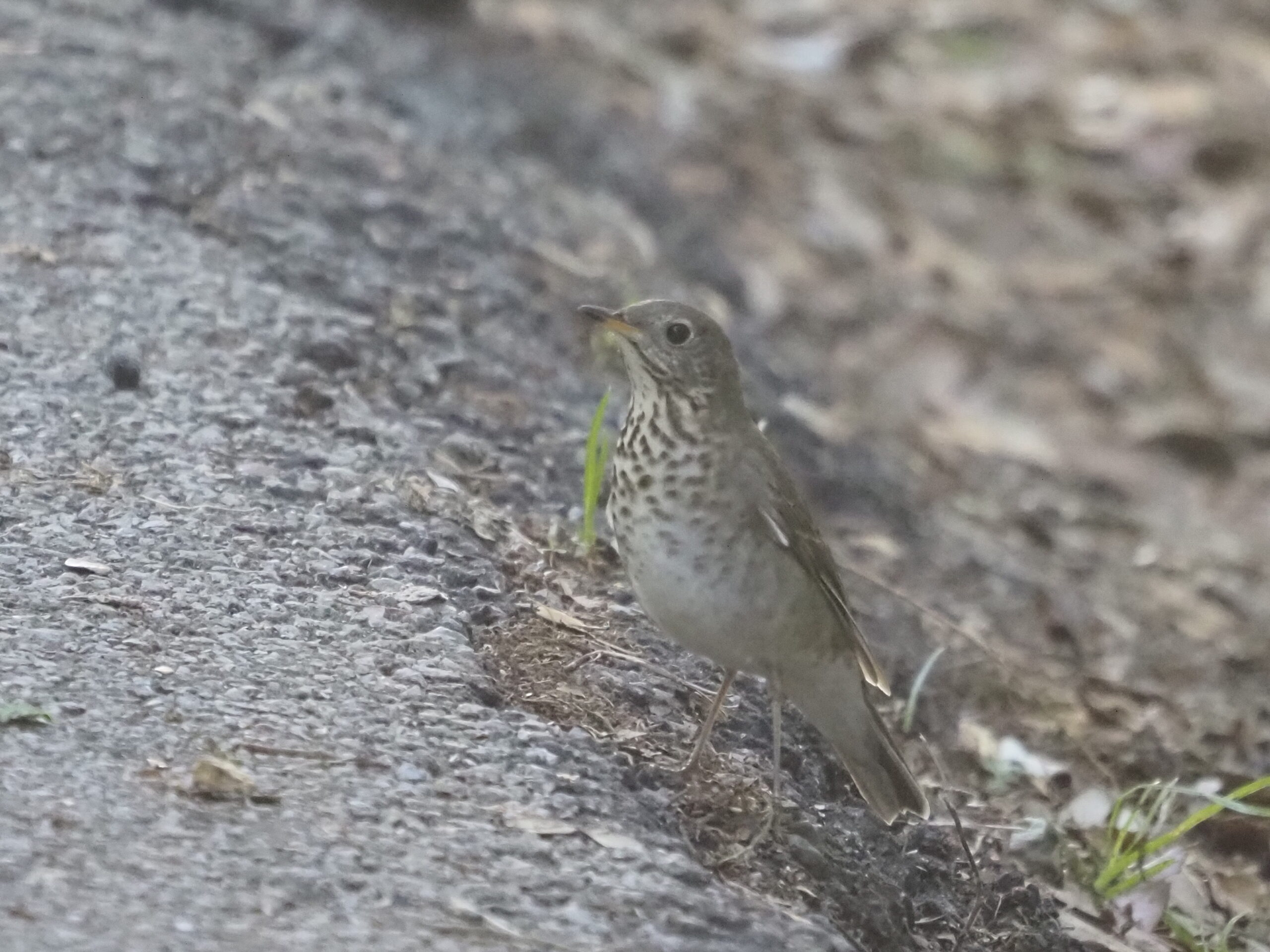
The upper breast is heavily spotted and the Swainson’s is known for its buffy “spectacles” (eye-rings connected by a buffy line above the lores). It is most frequently confused with the Gray-cheeked Thrush (compared below), but the Swainson’s is generally “warmer” toned with an olive-gray back and grayish cheek.
Gray-cheeked Thrush
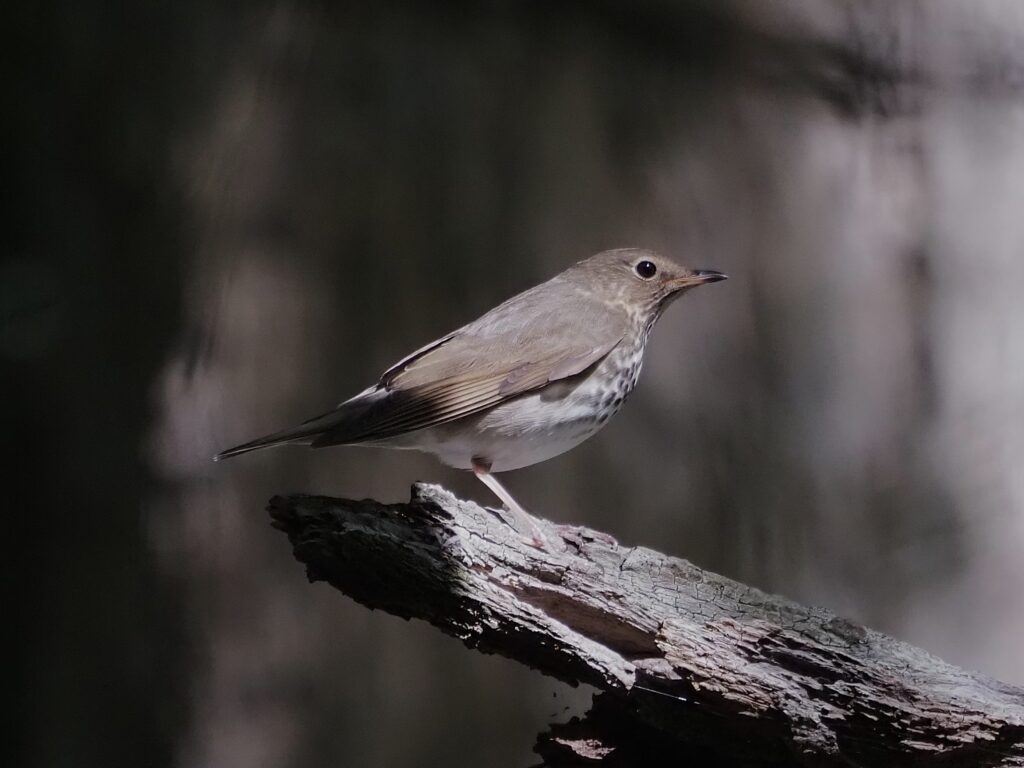
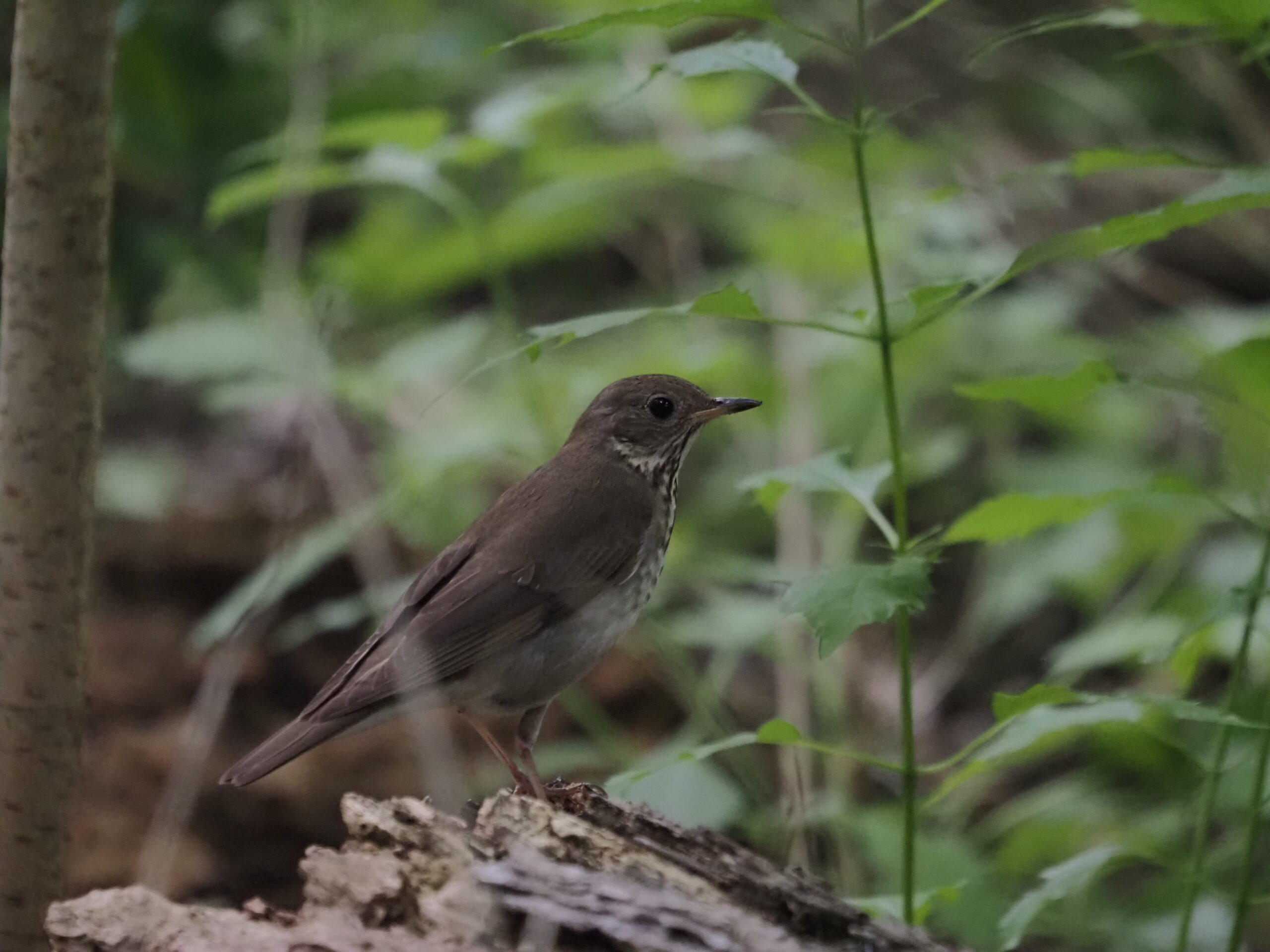
The Gray-cheeked Thrush is usually less common than the Swainson’s in migration and is a somewhat rare sighting in central Texas during spring migration.
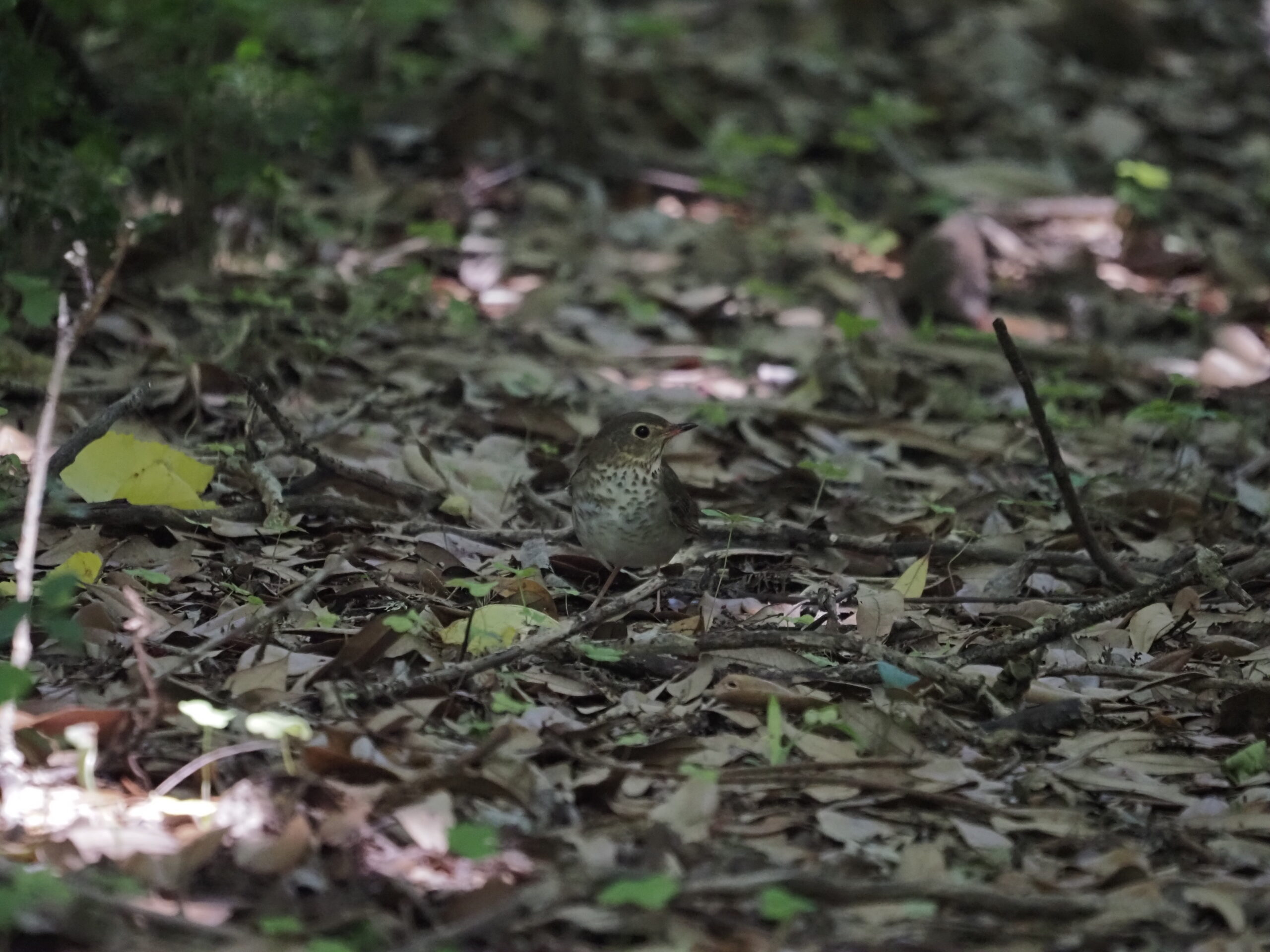
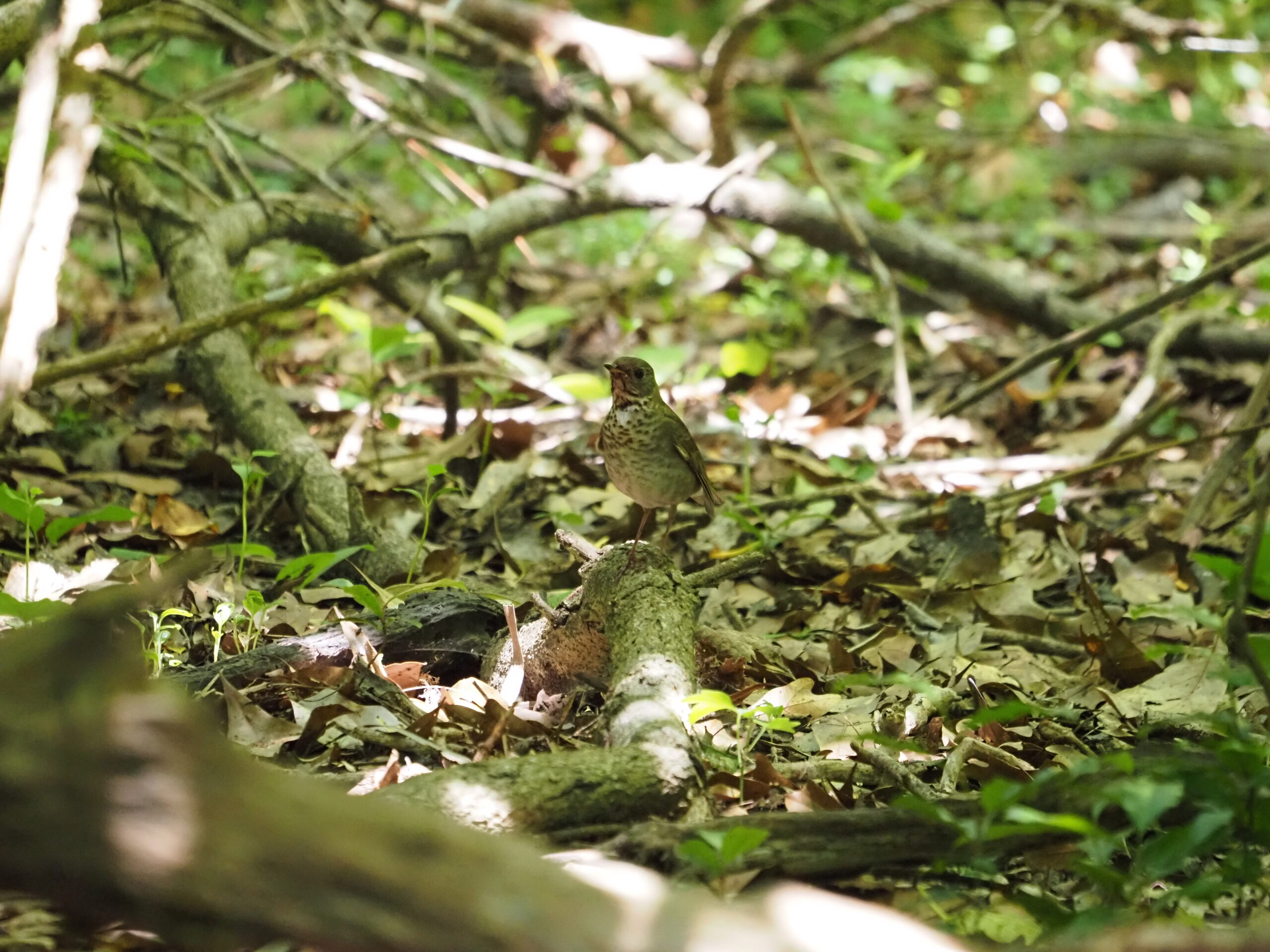
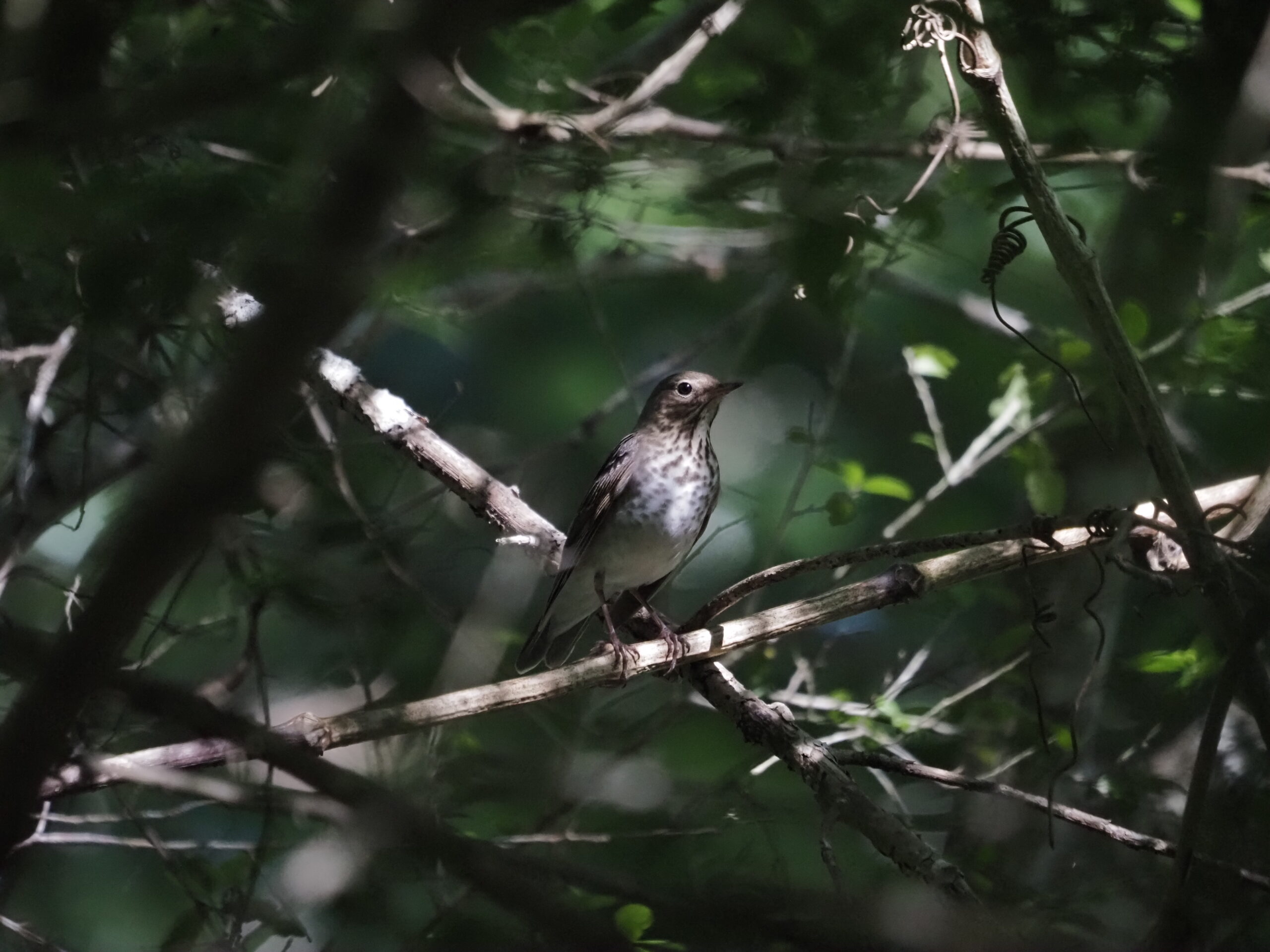
As seen in the photos below, the Gray-cheeked often has a thin eye-ring. So the presence or absence of an eye-ring is not diagnostic. However, that of the Swainson’s is buffy, thicker and usually much more noticeable.
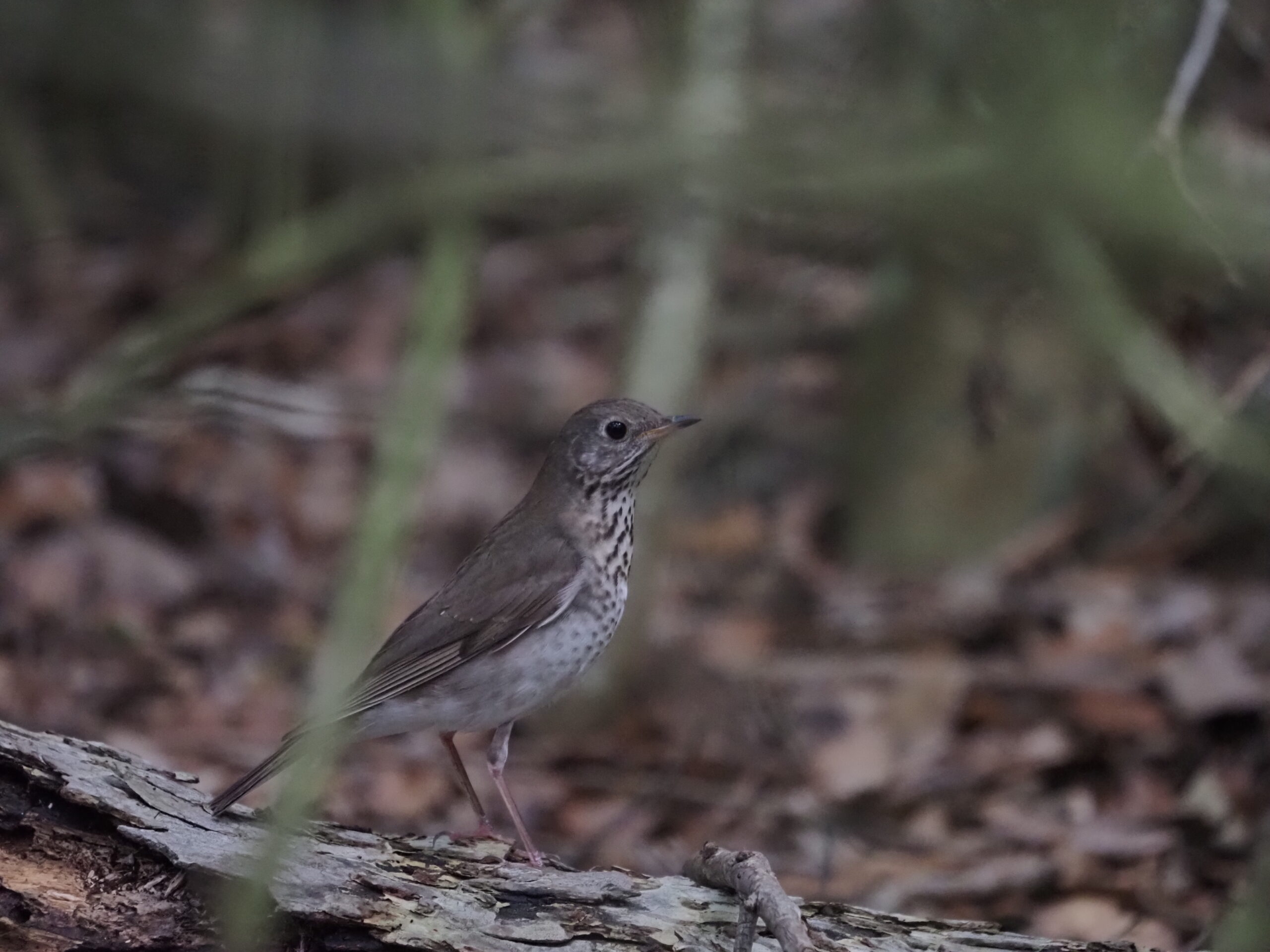
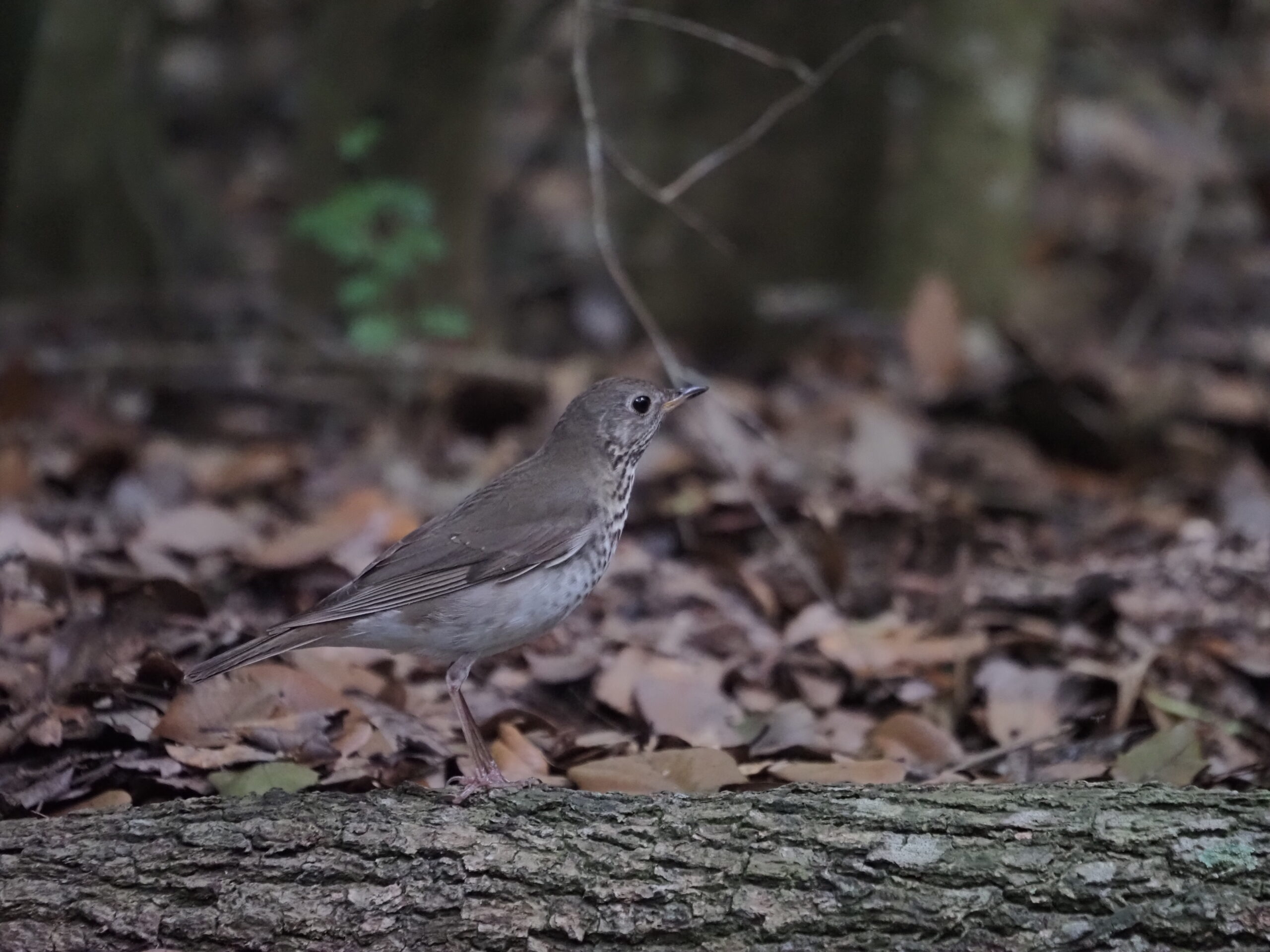
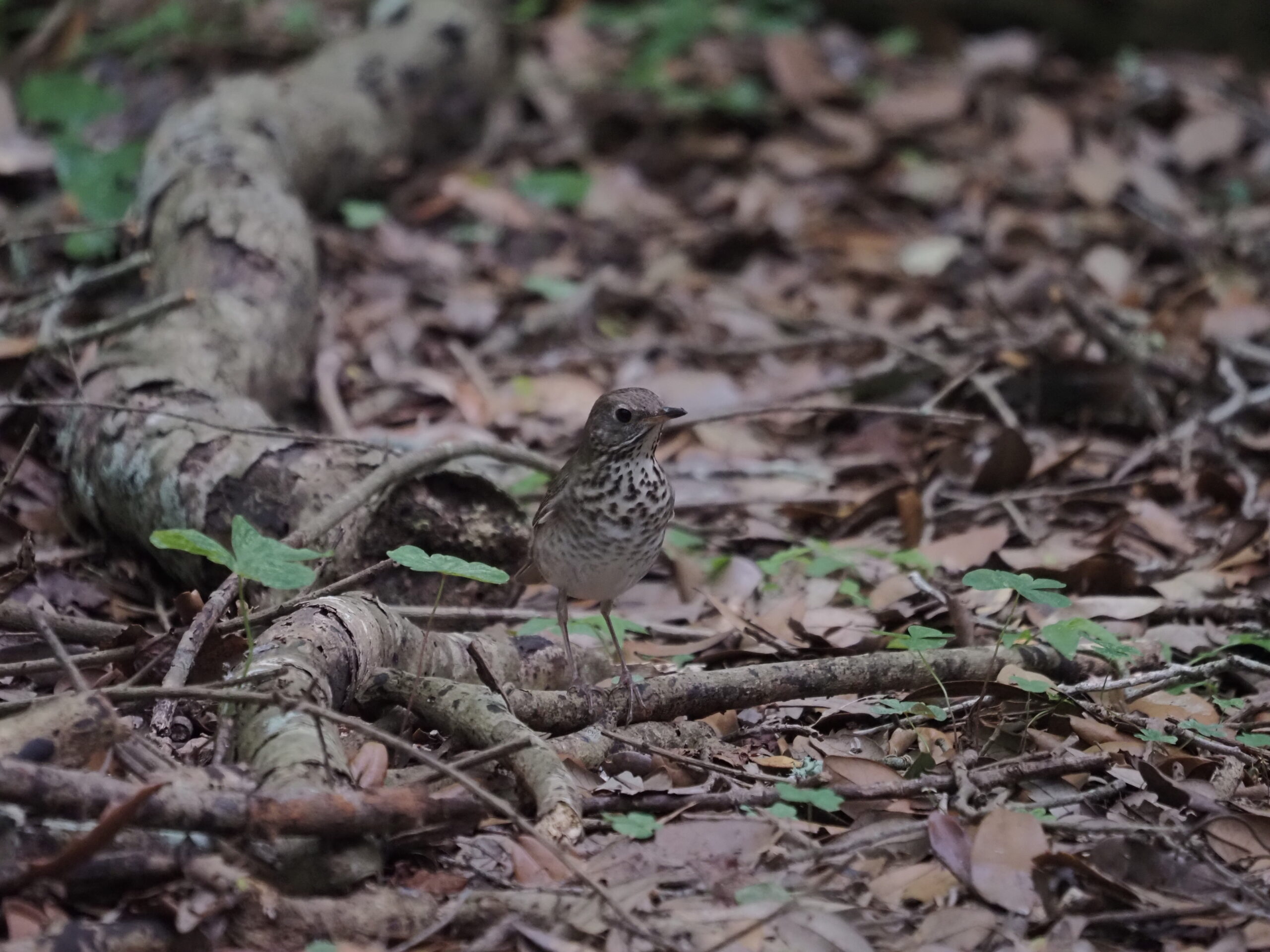
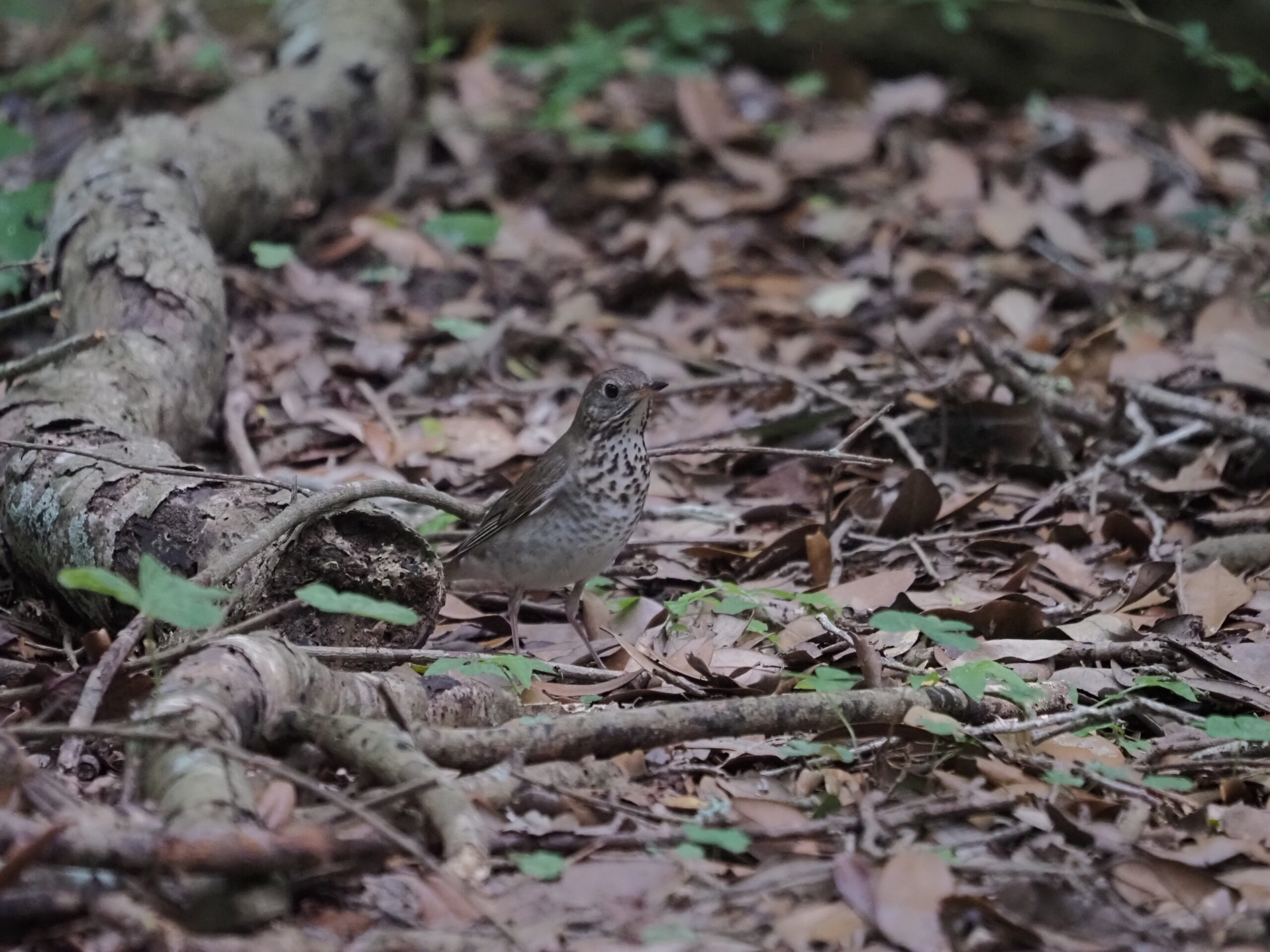
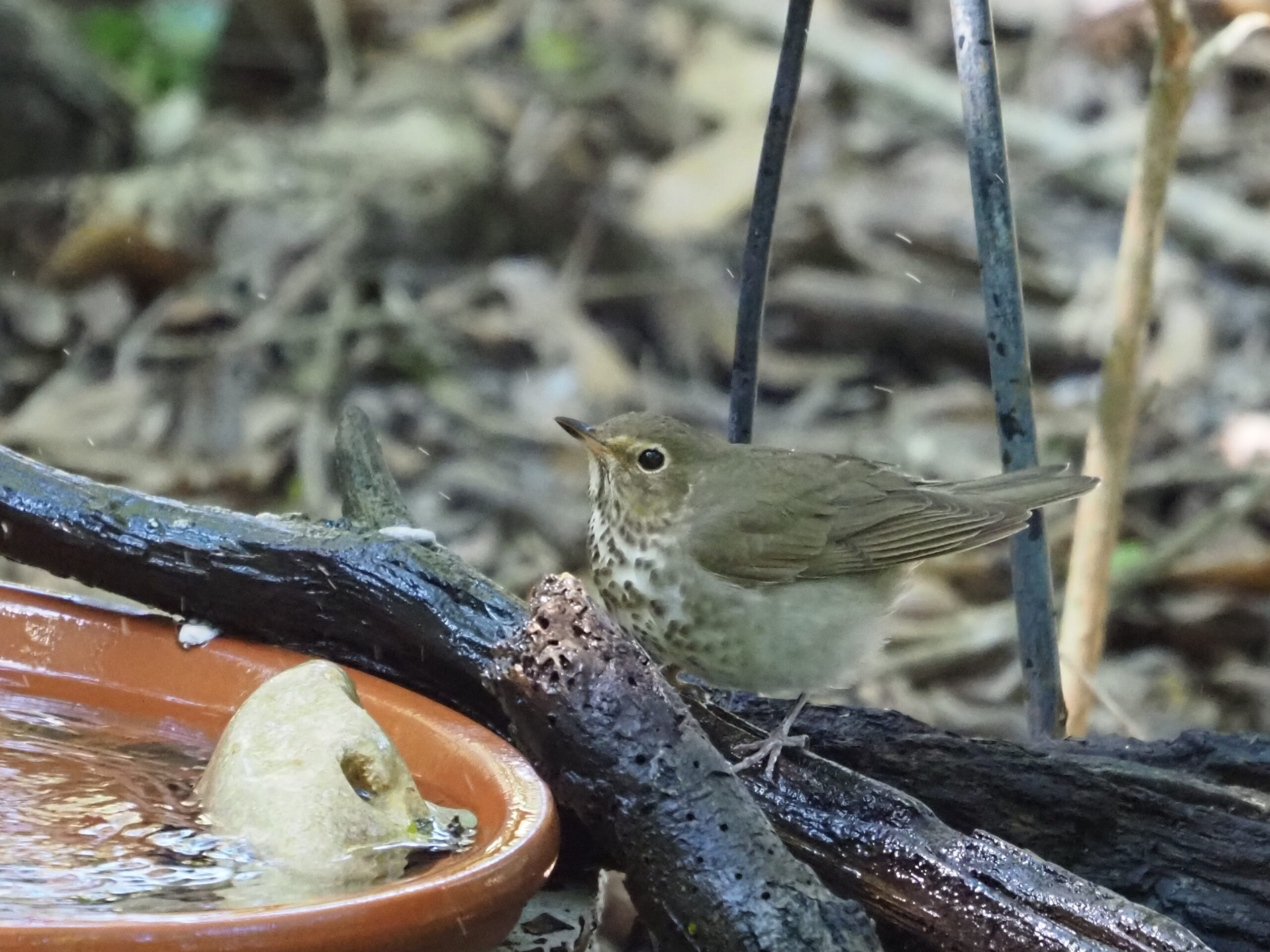
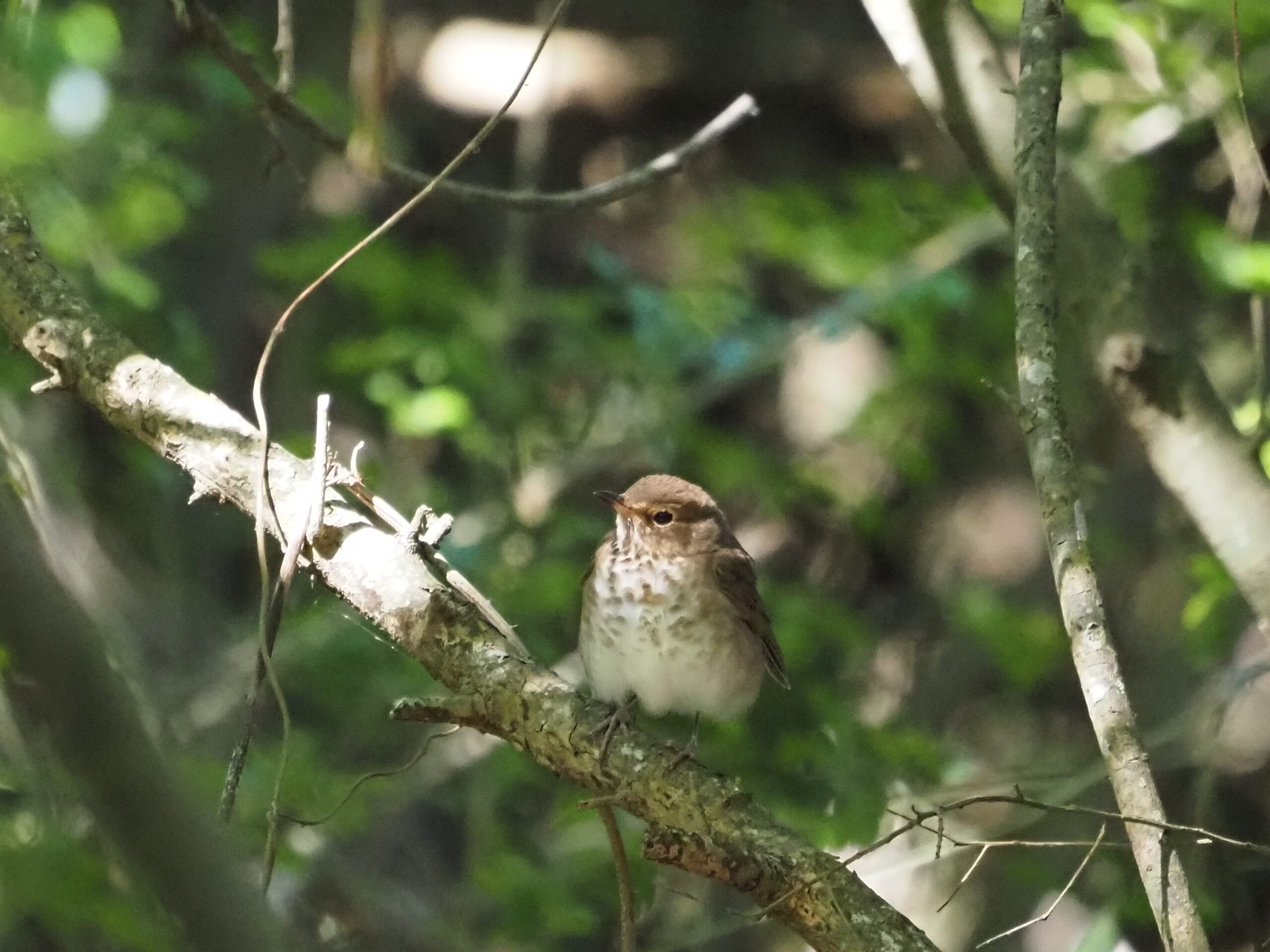
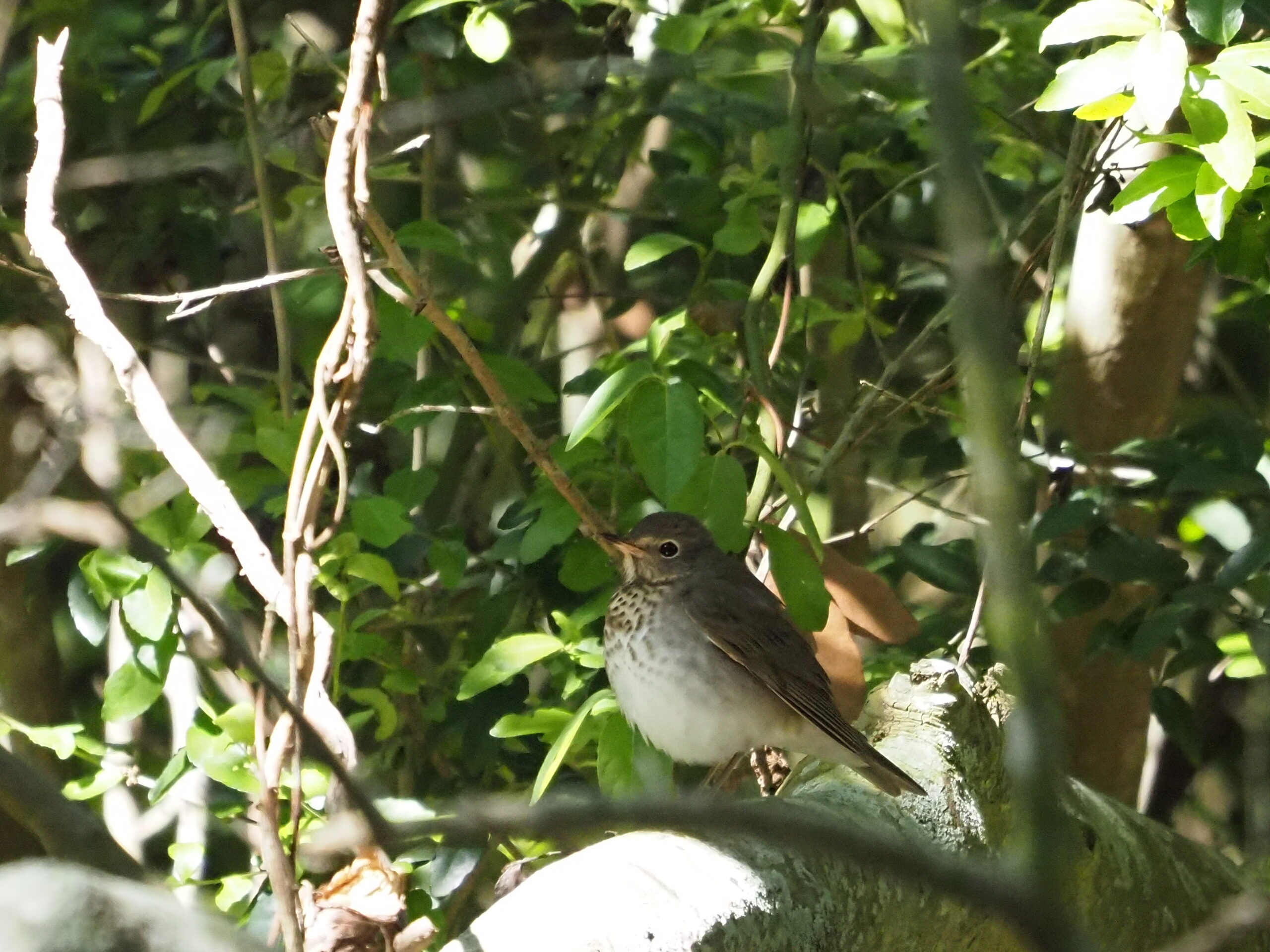
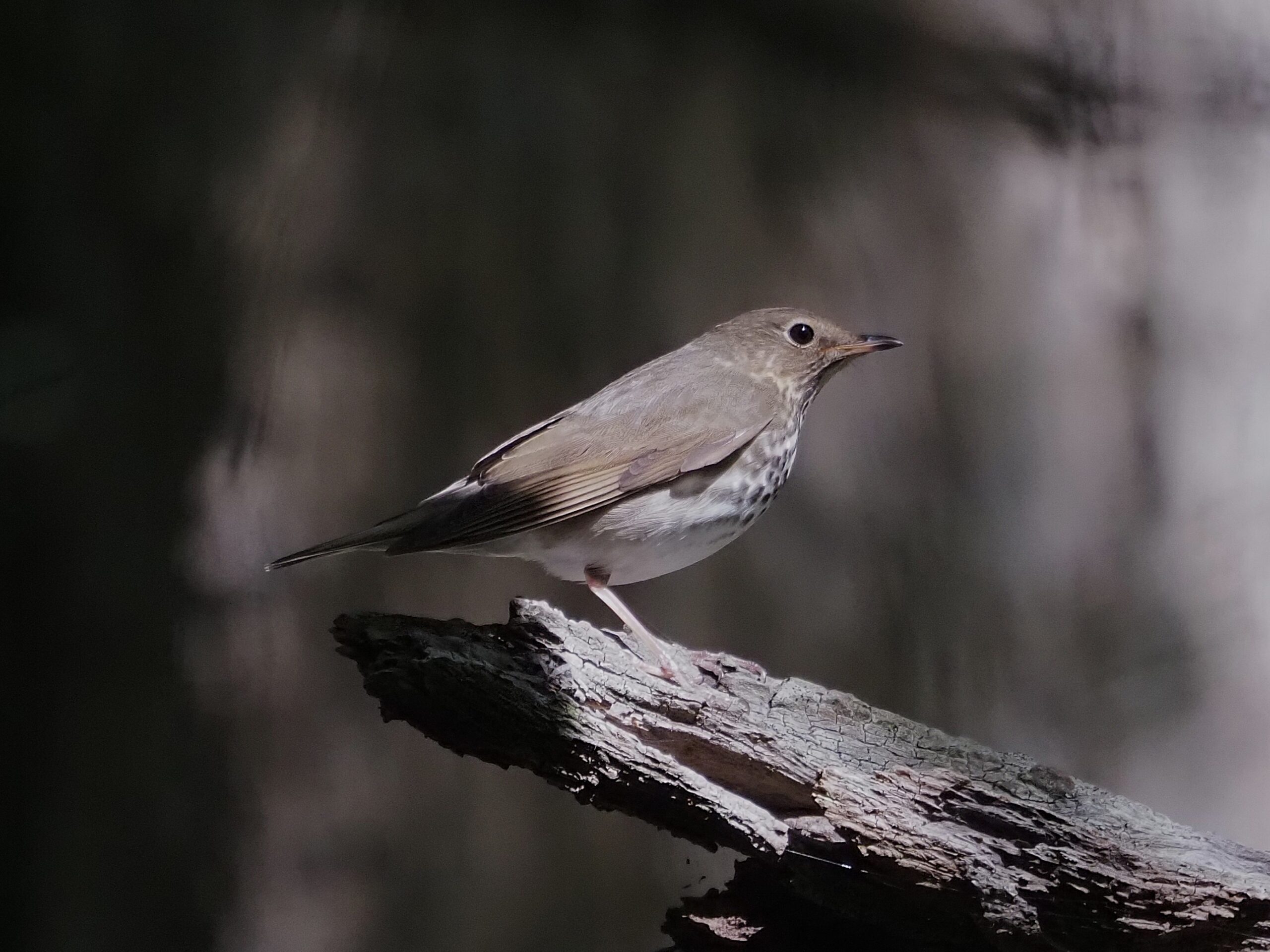
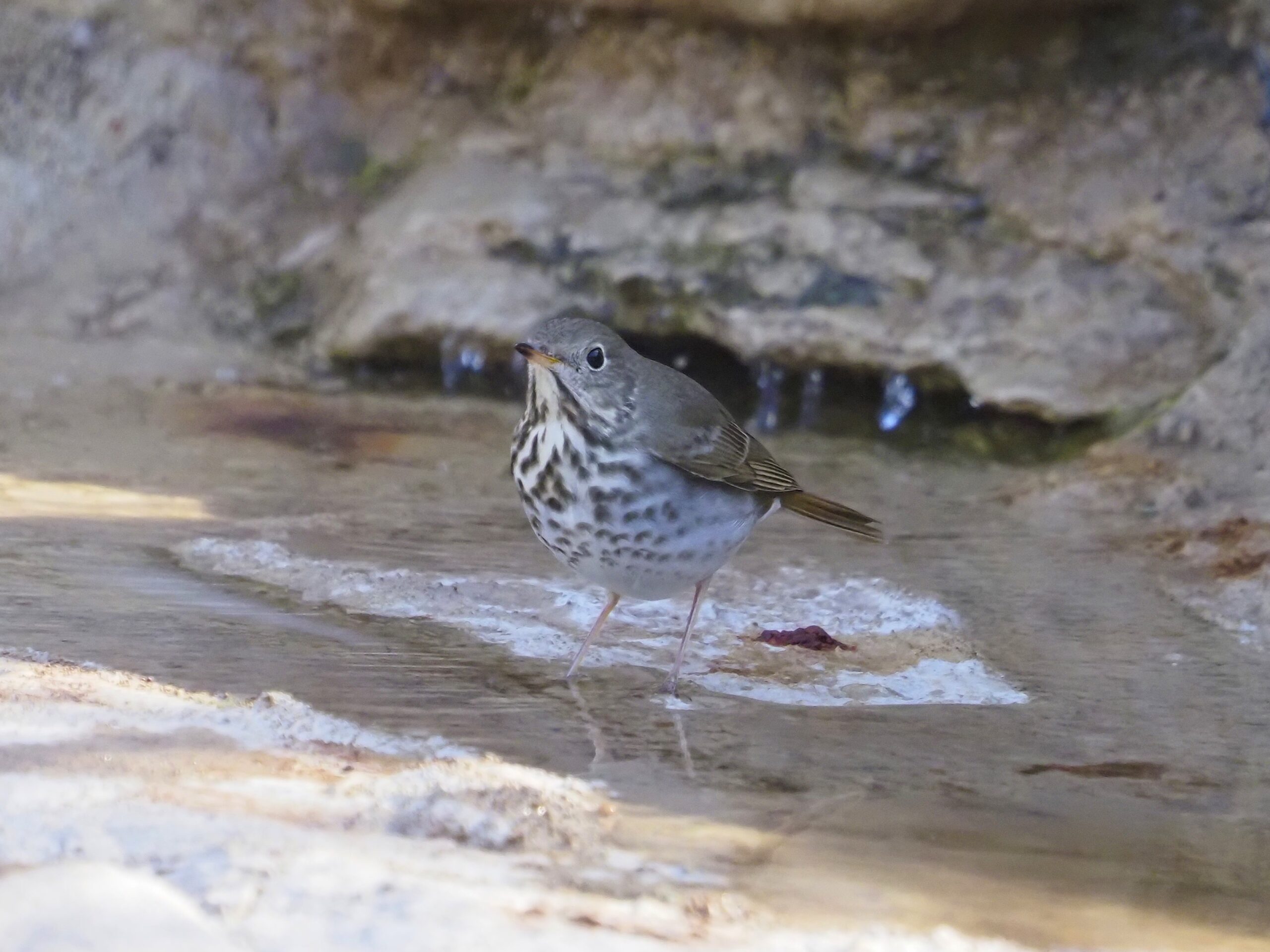
Hermit Thrush
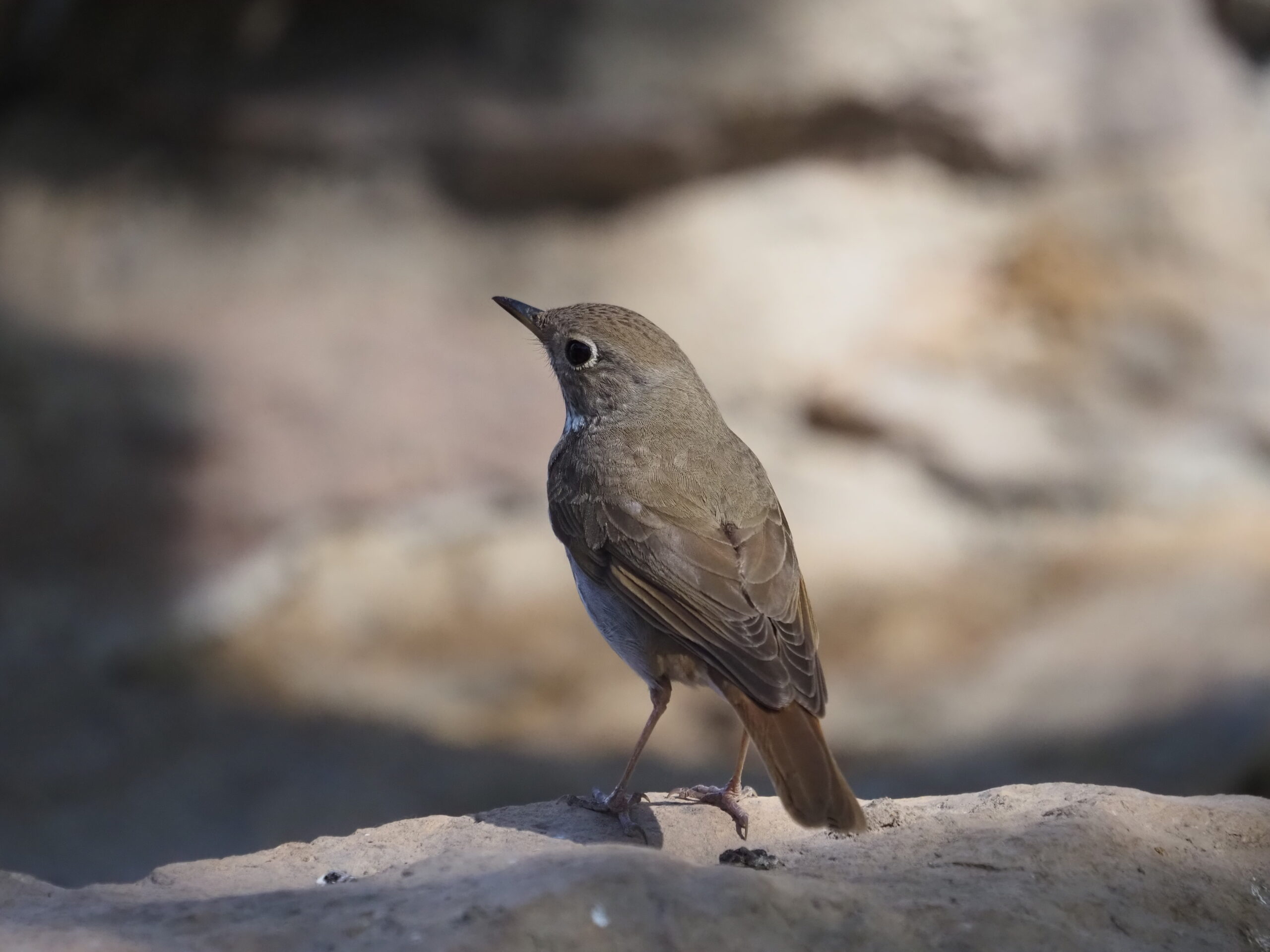
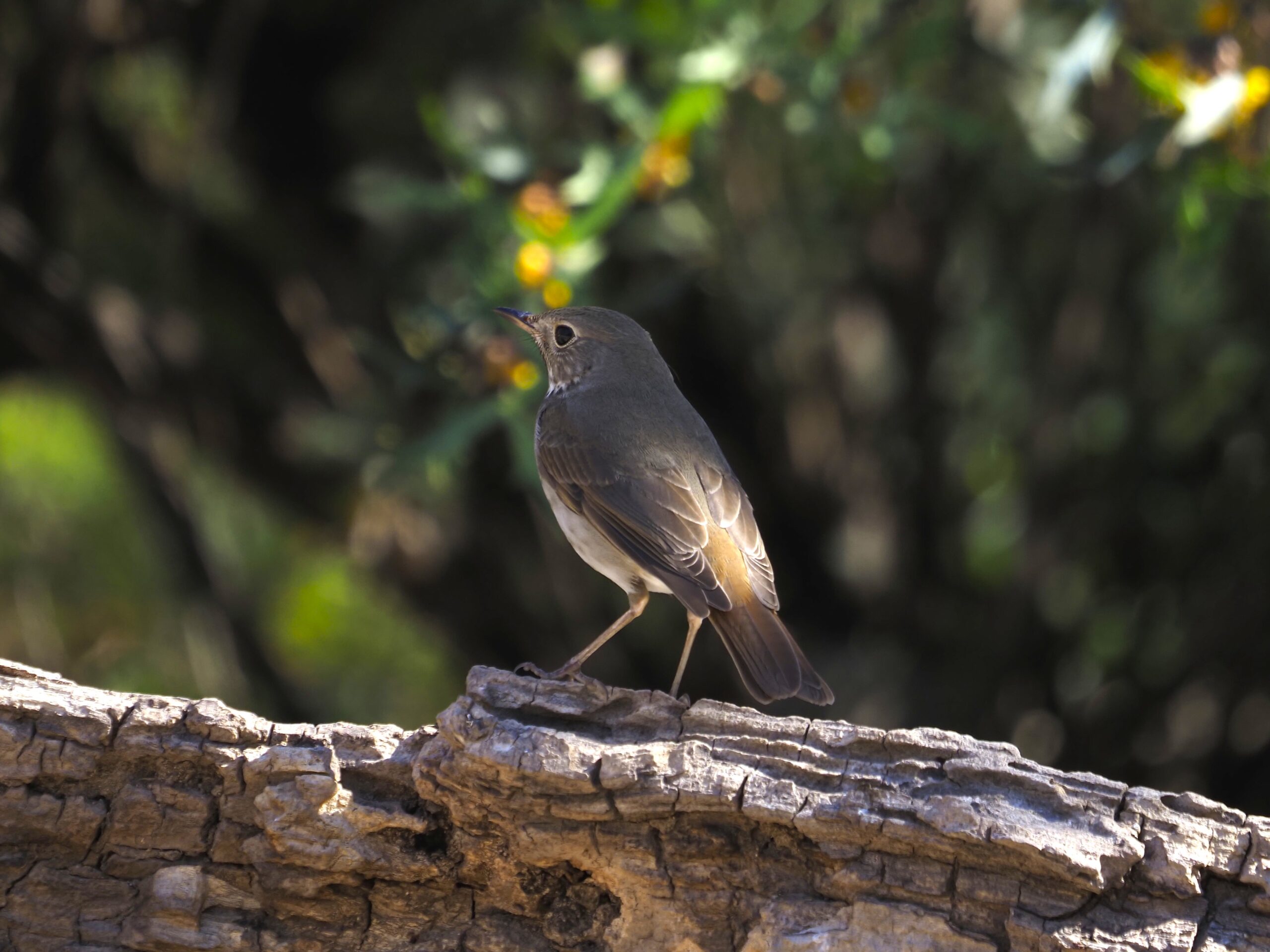
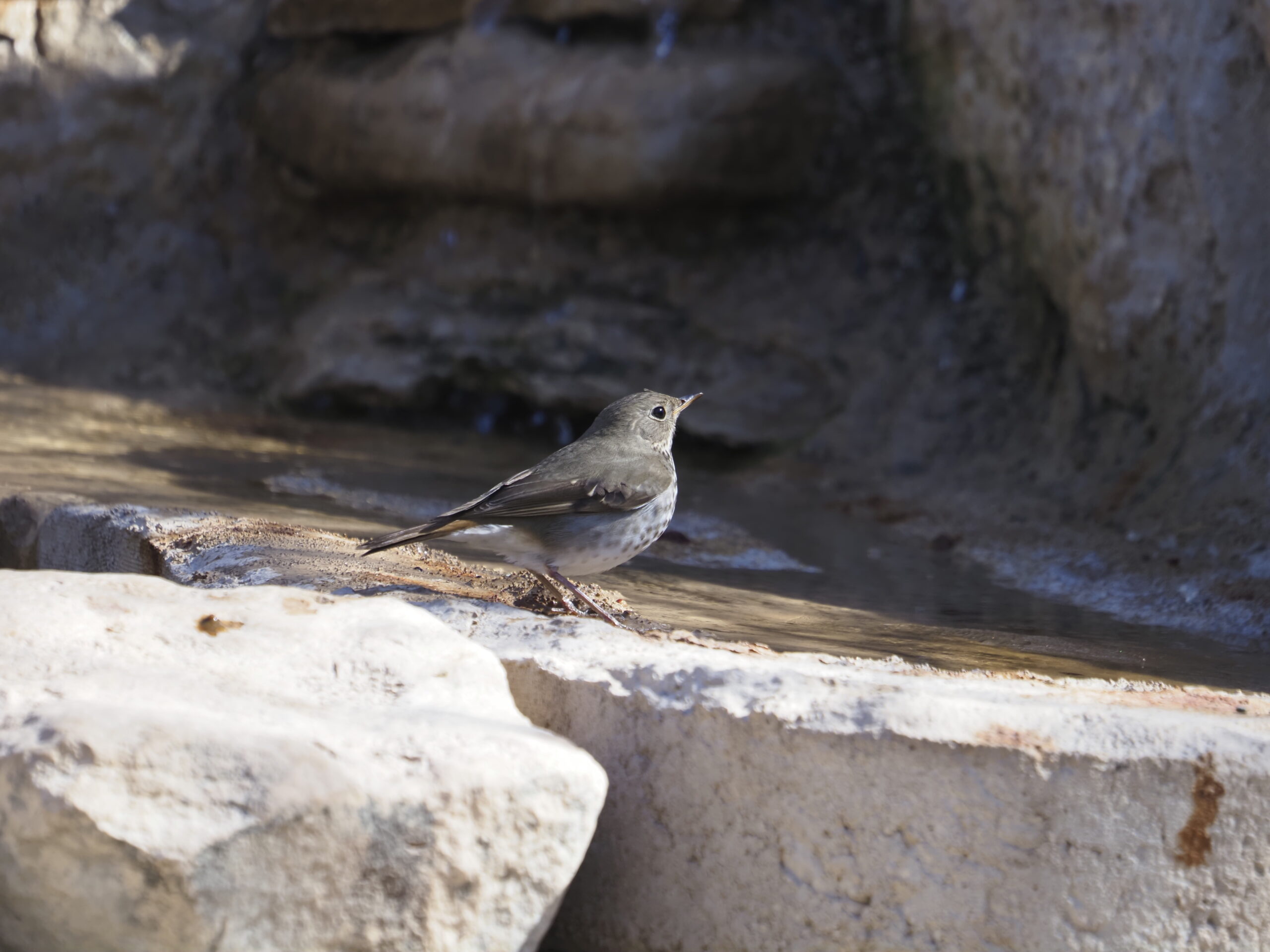
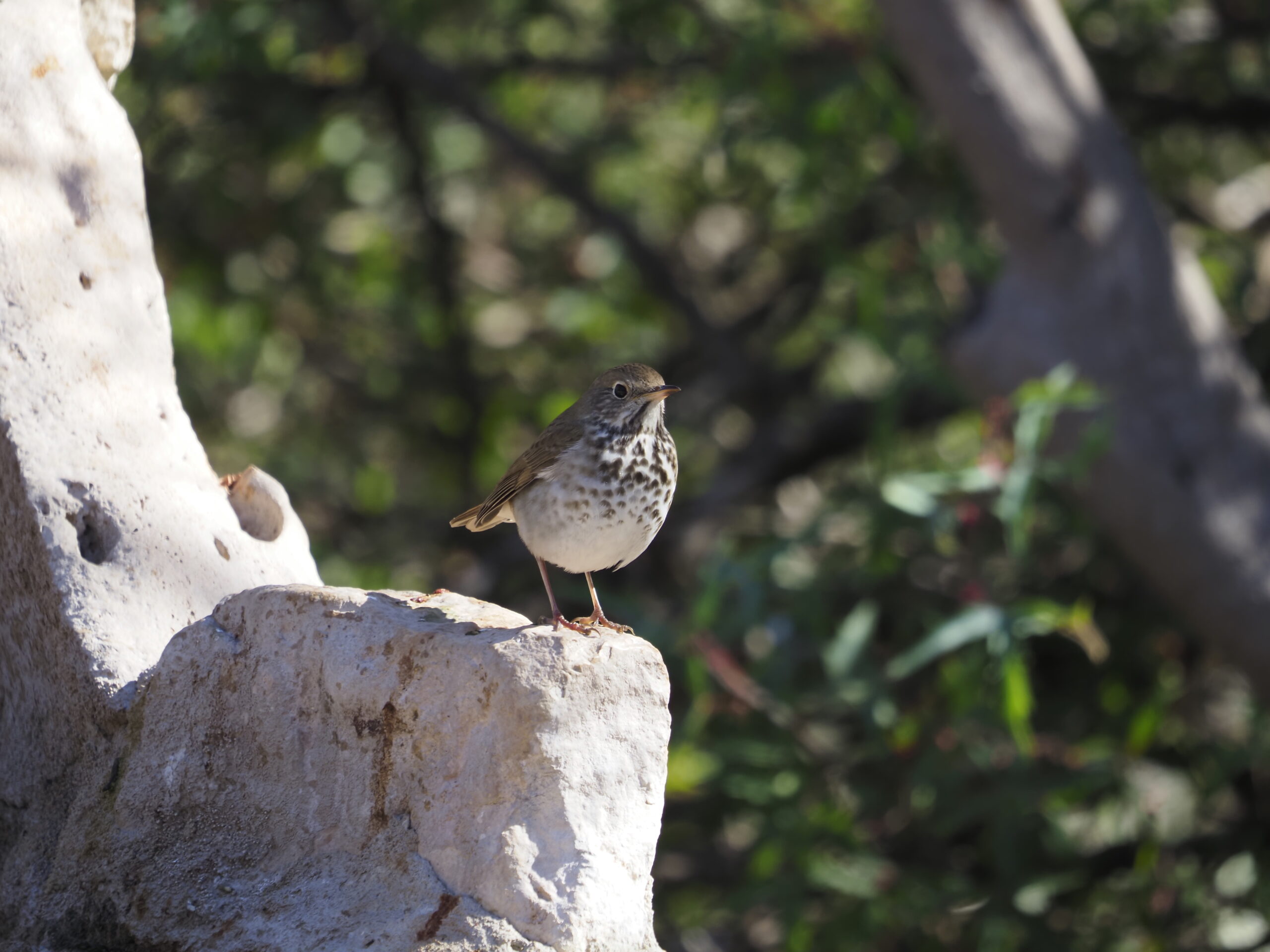
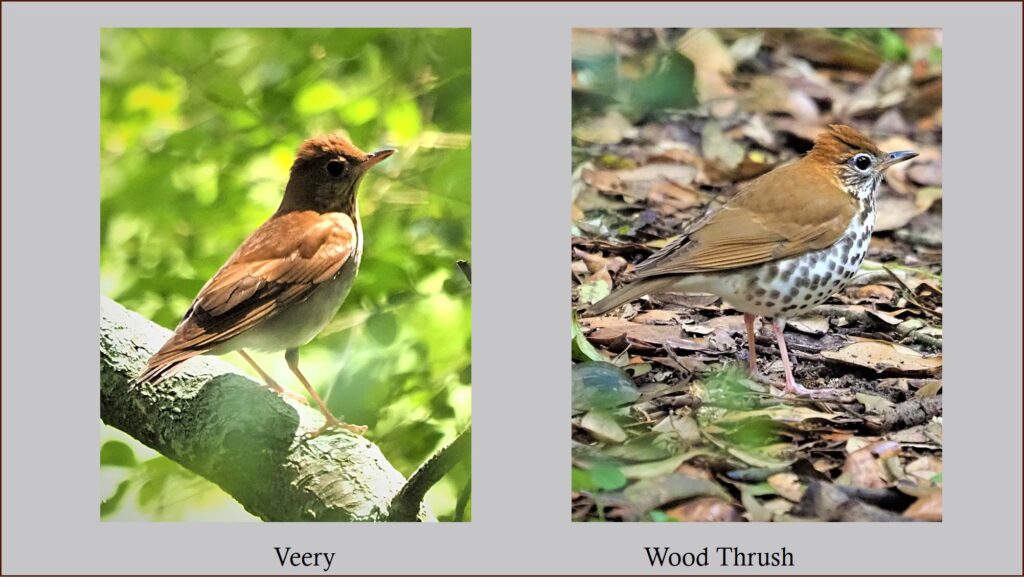
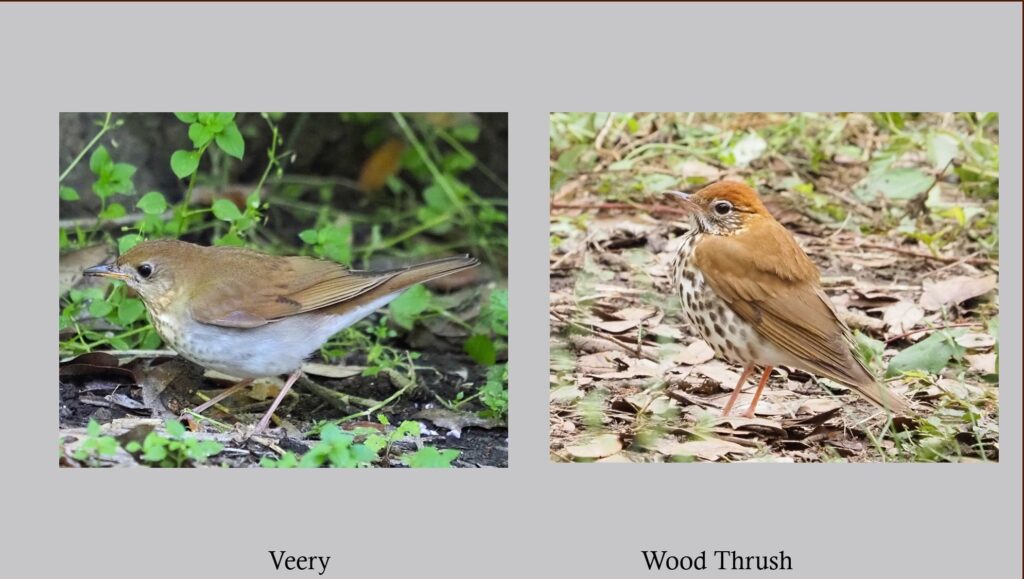
Wood Thrush vs Veery
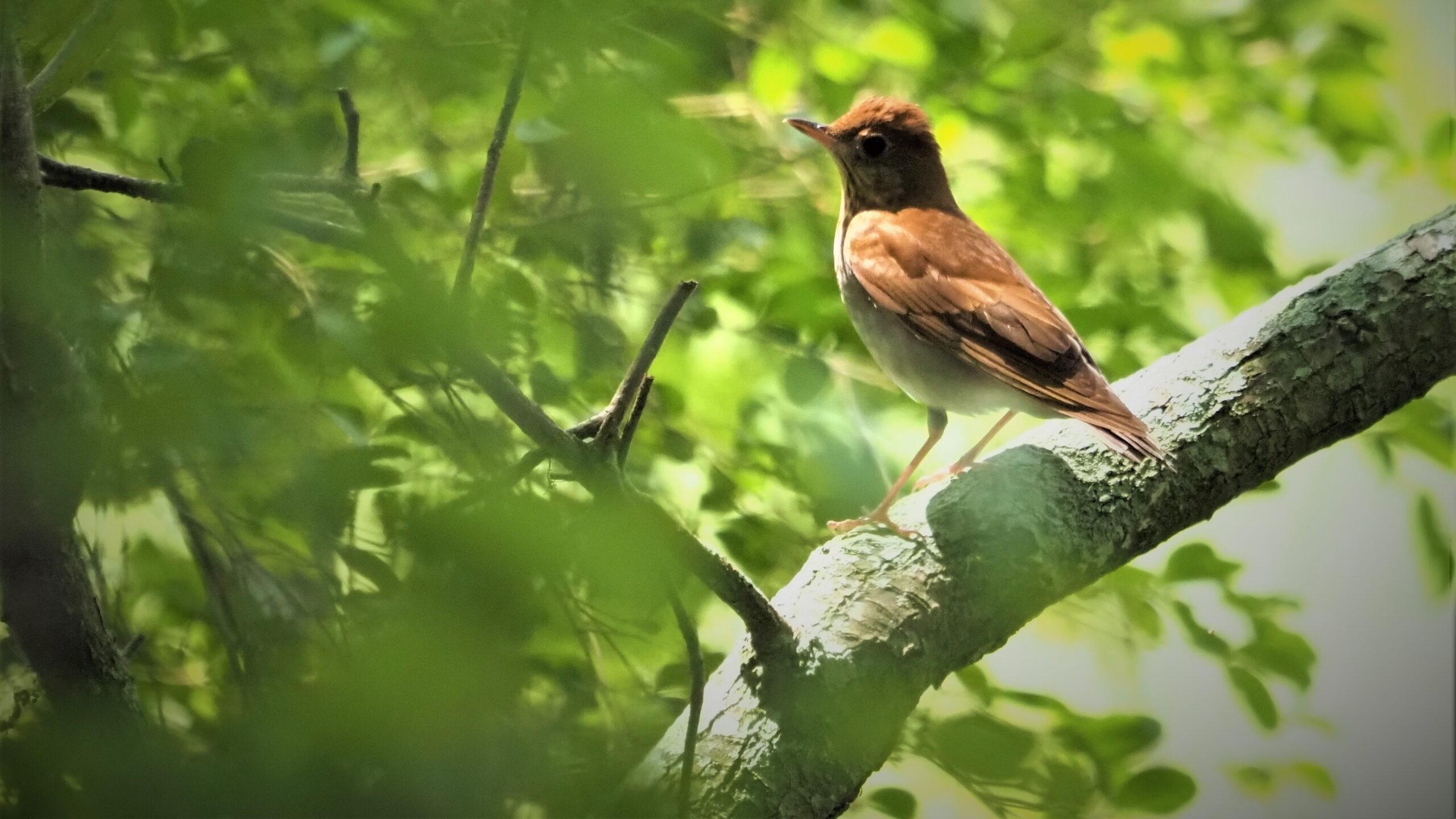
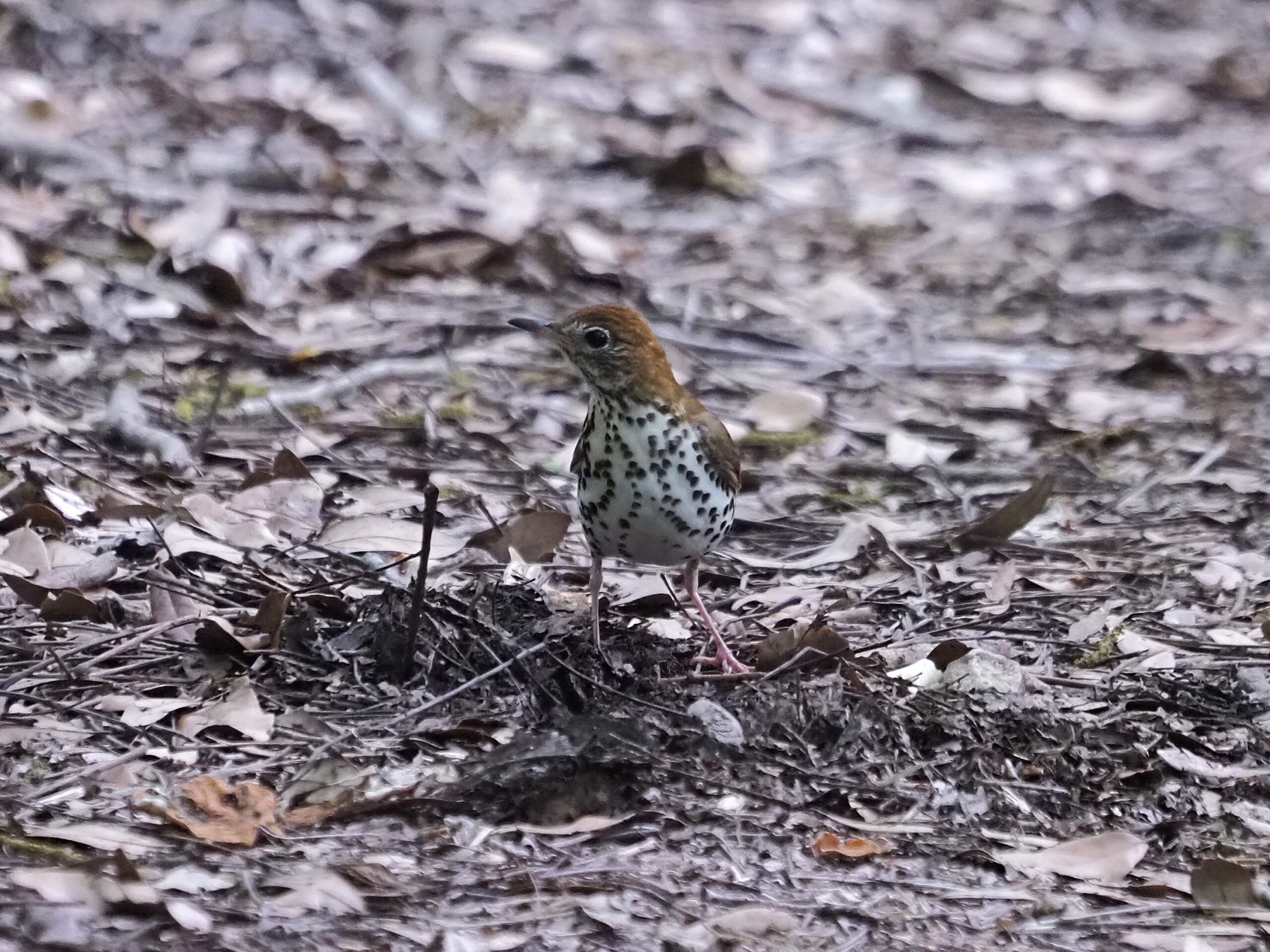
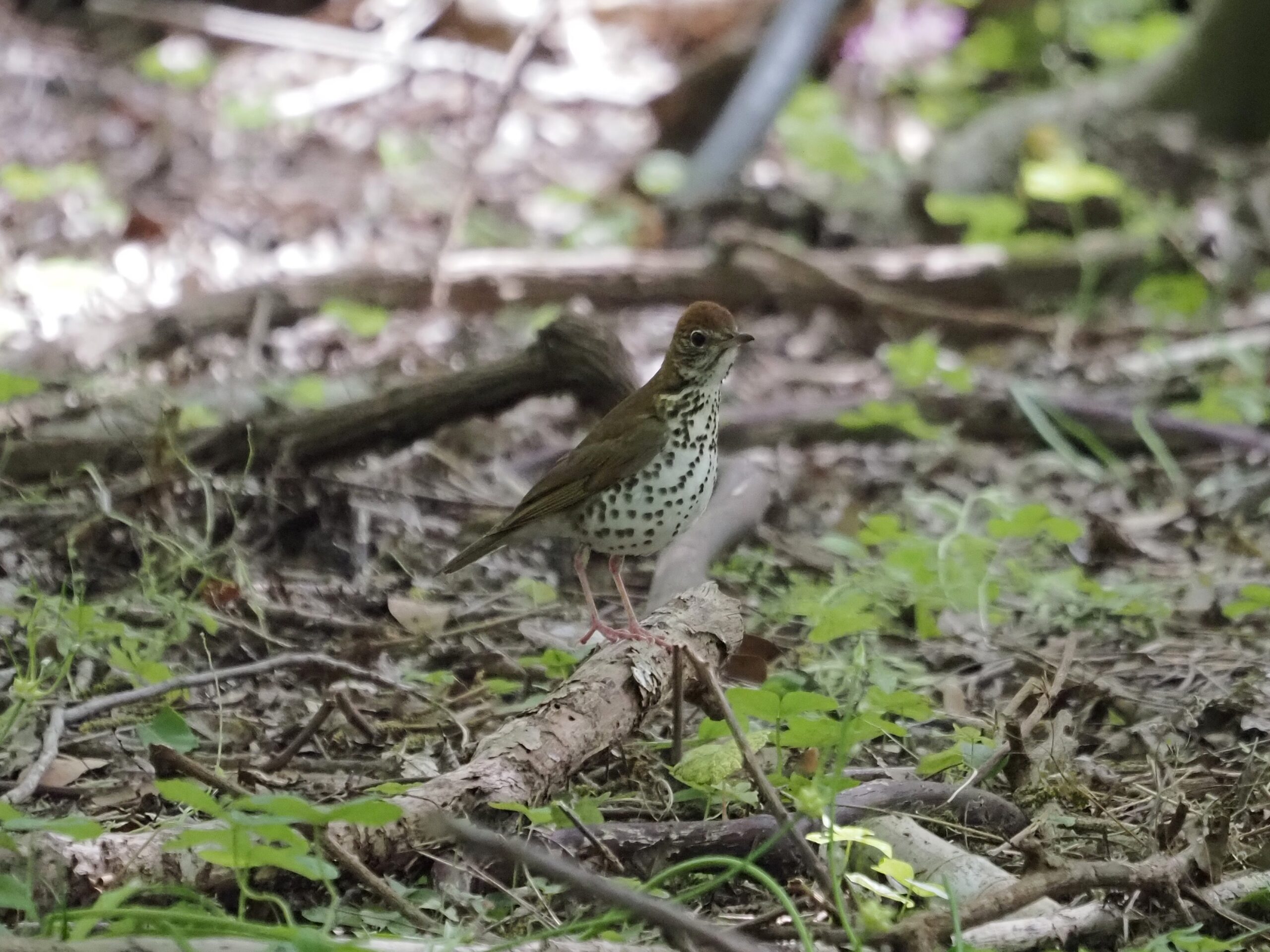
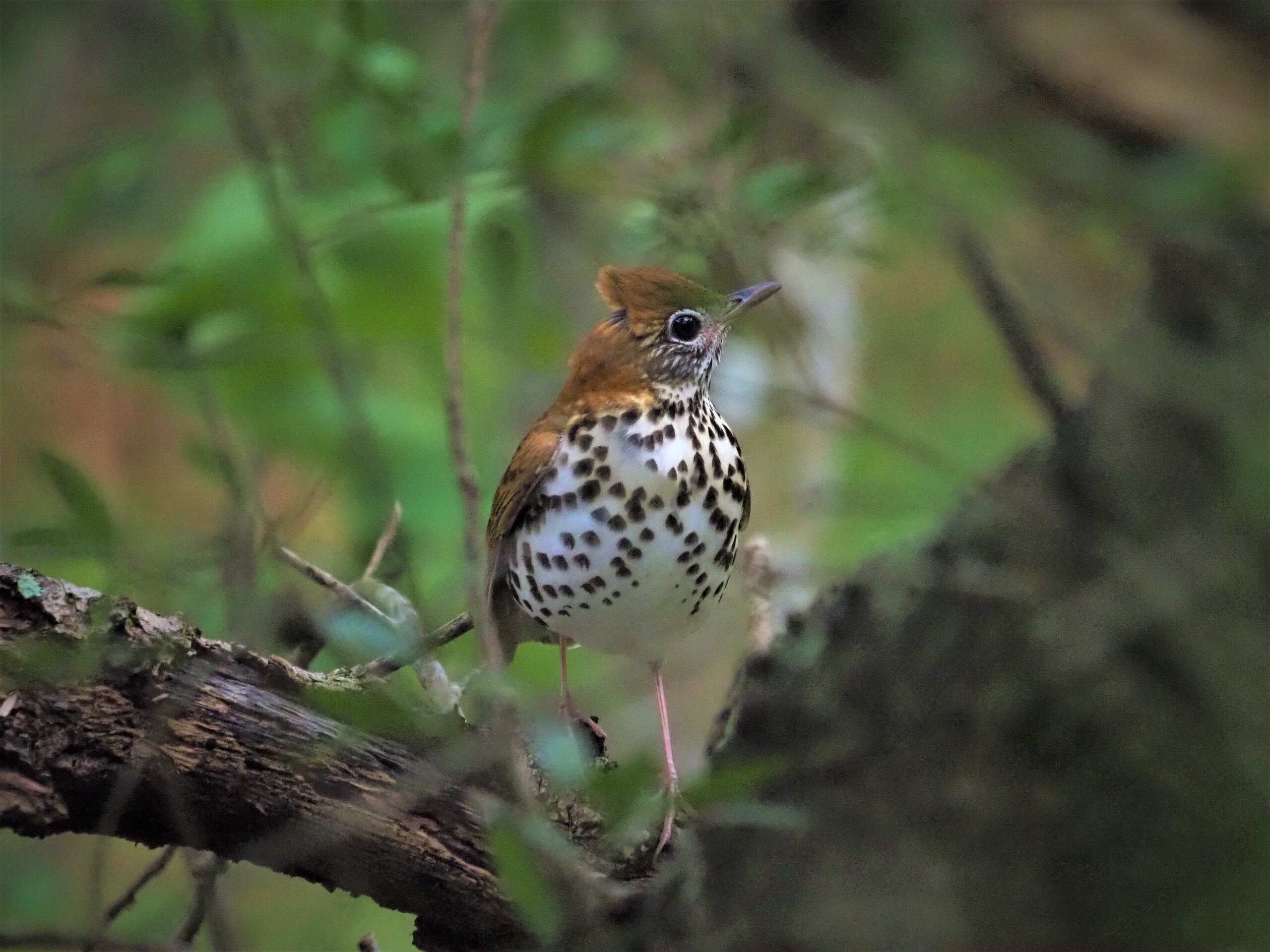
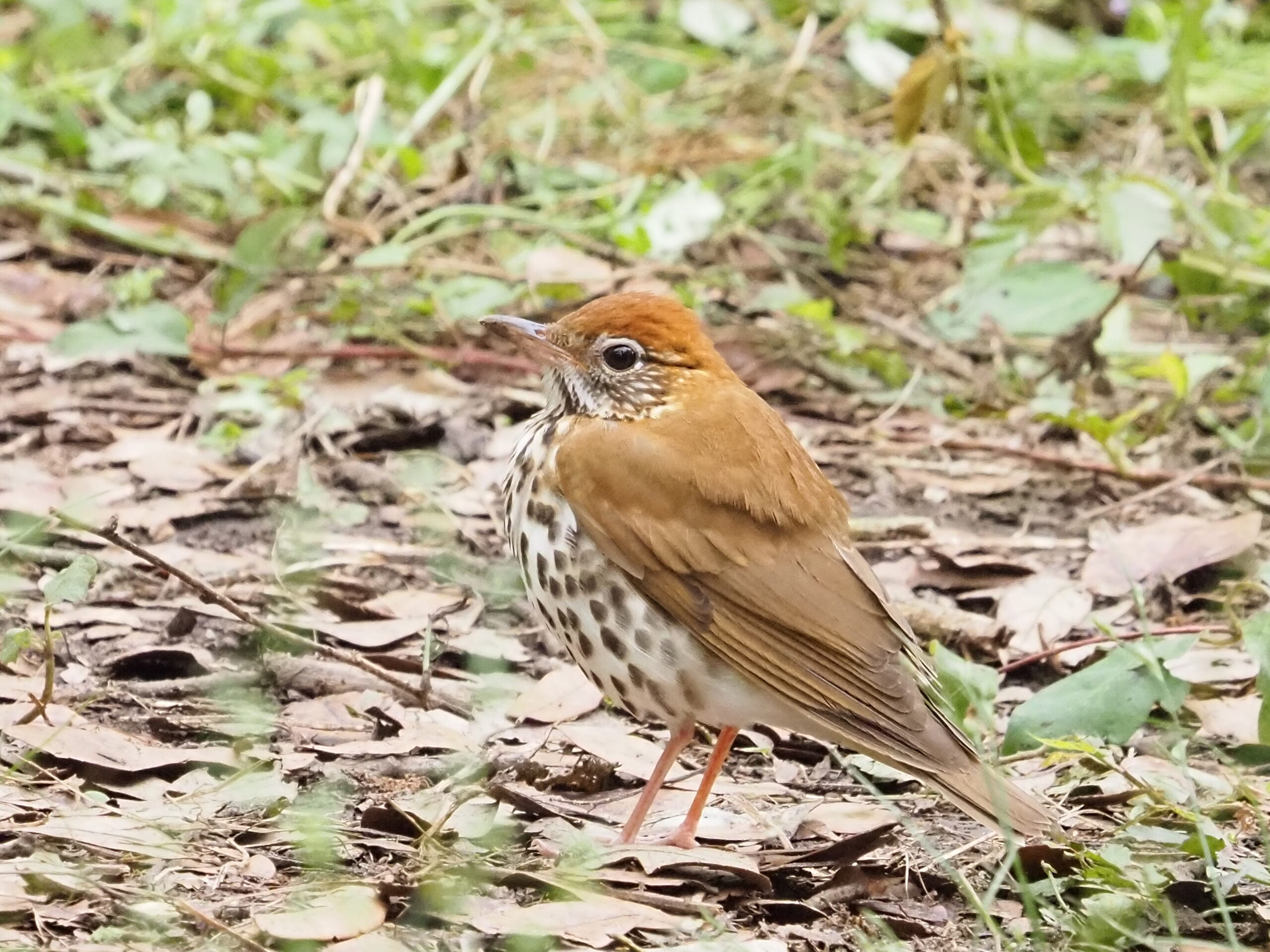
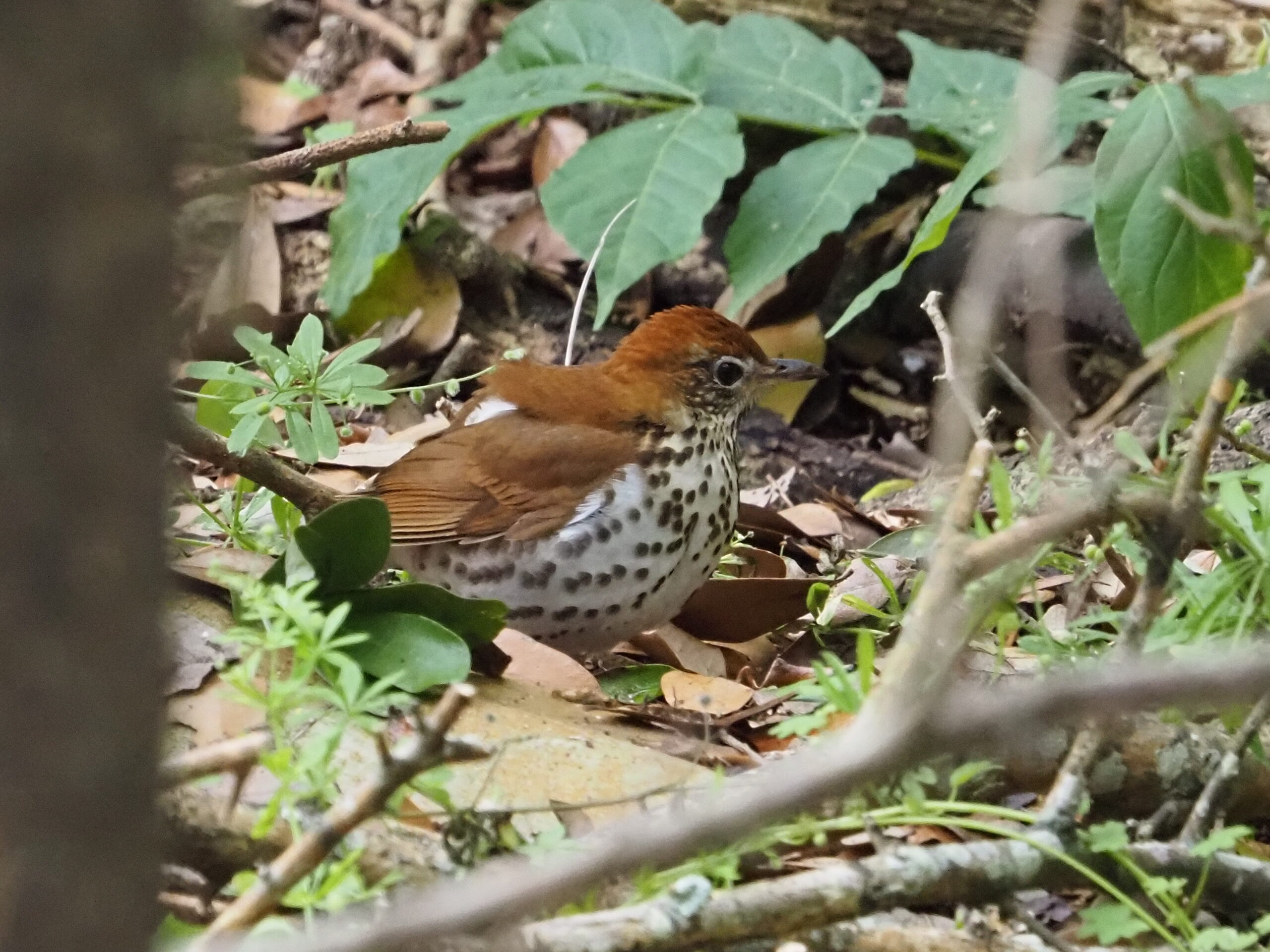
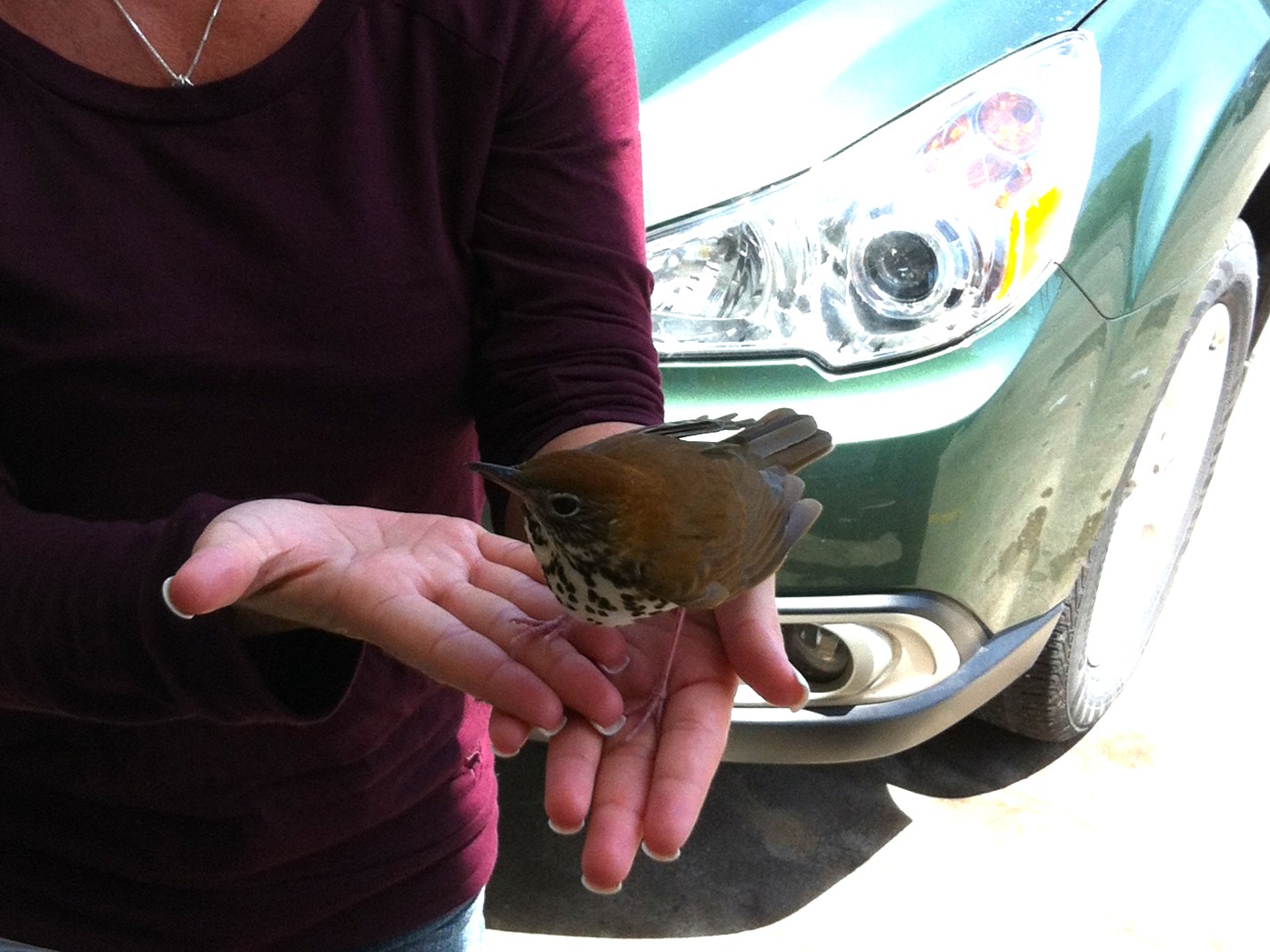
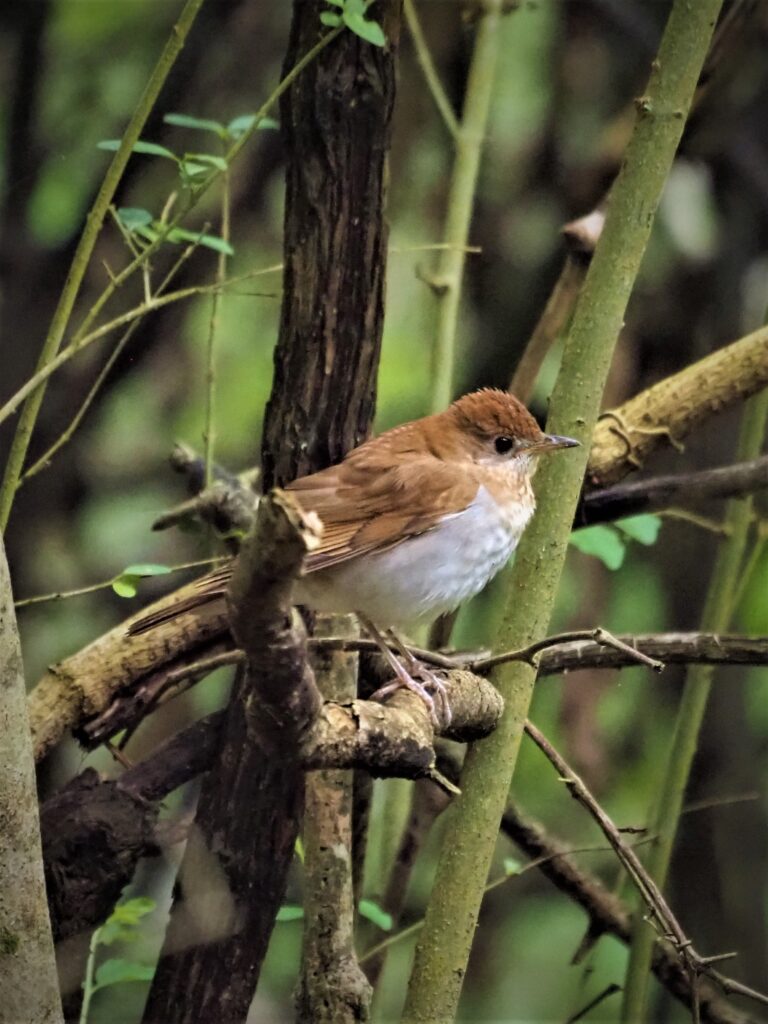
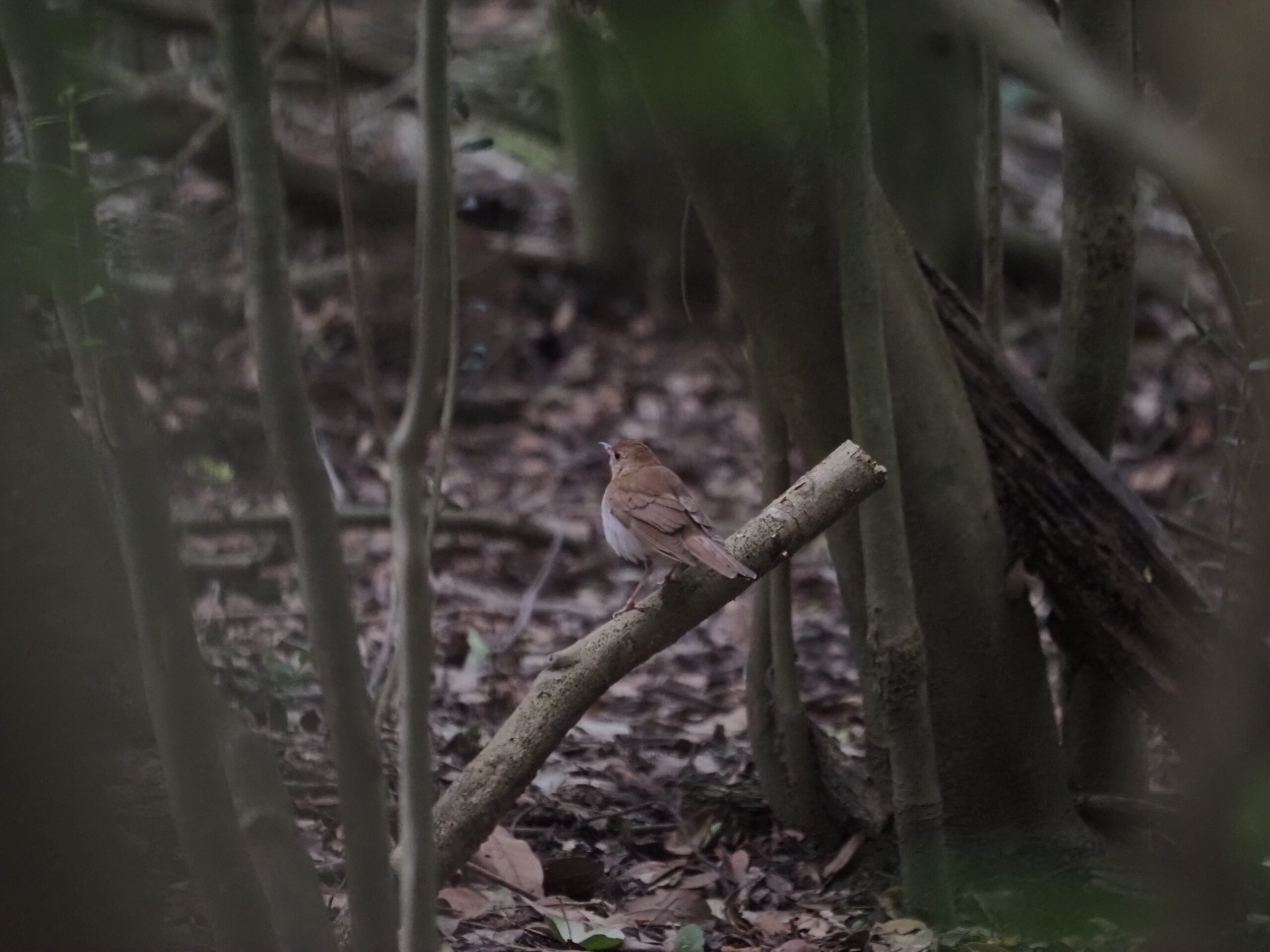
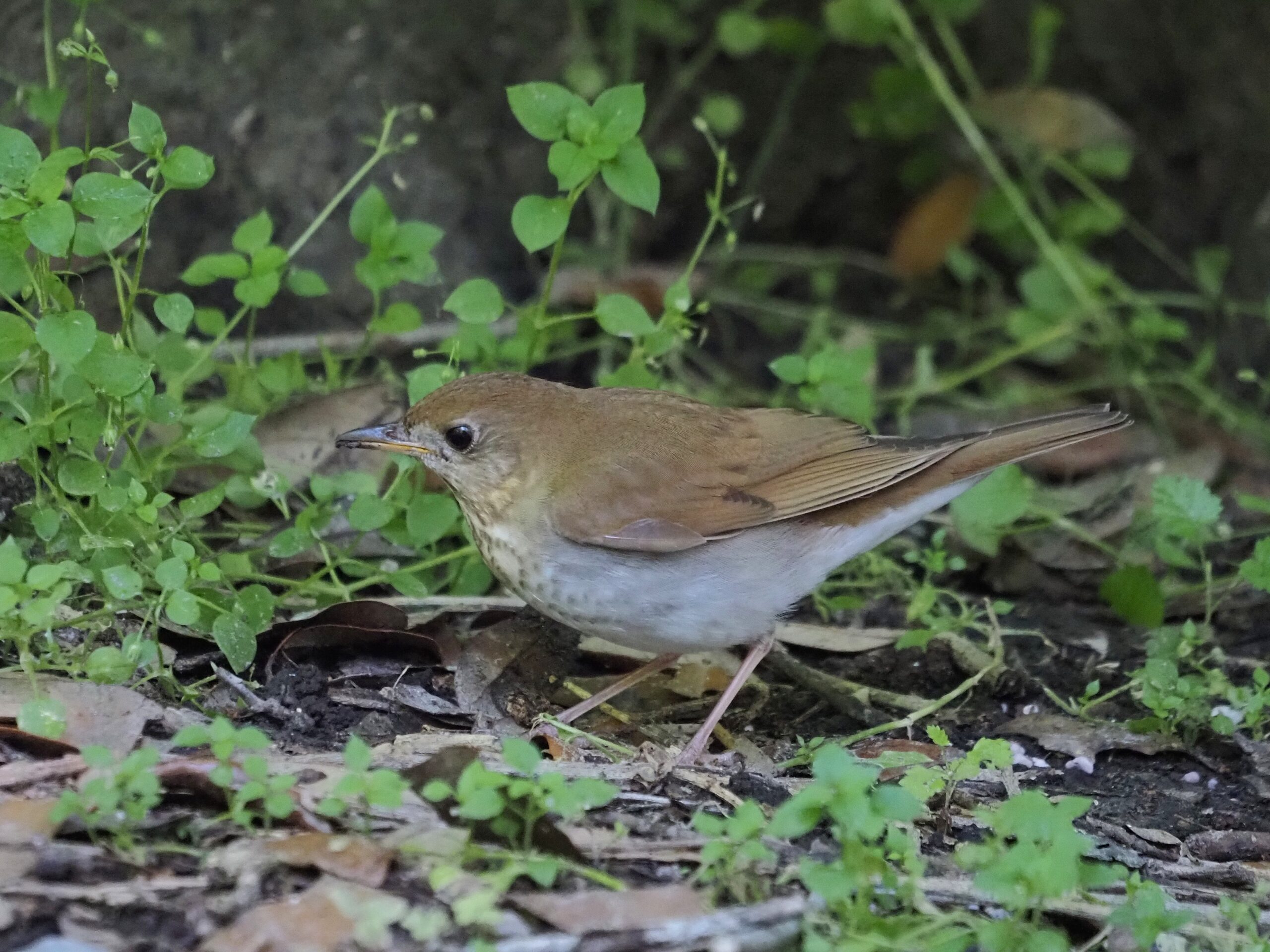
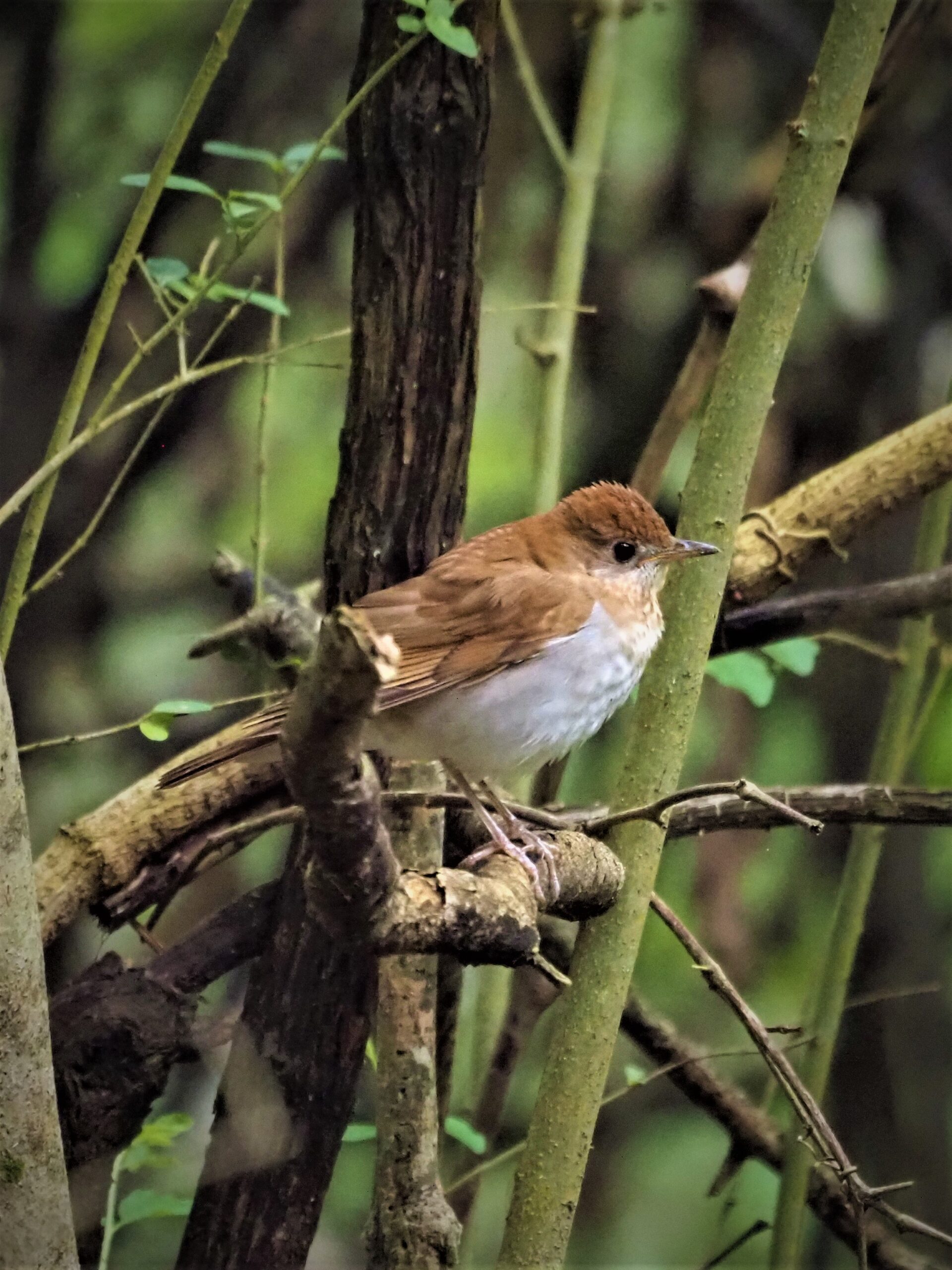
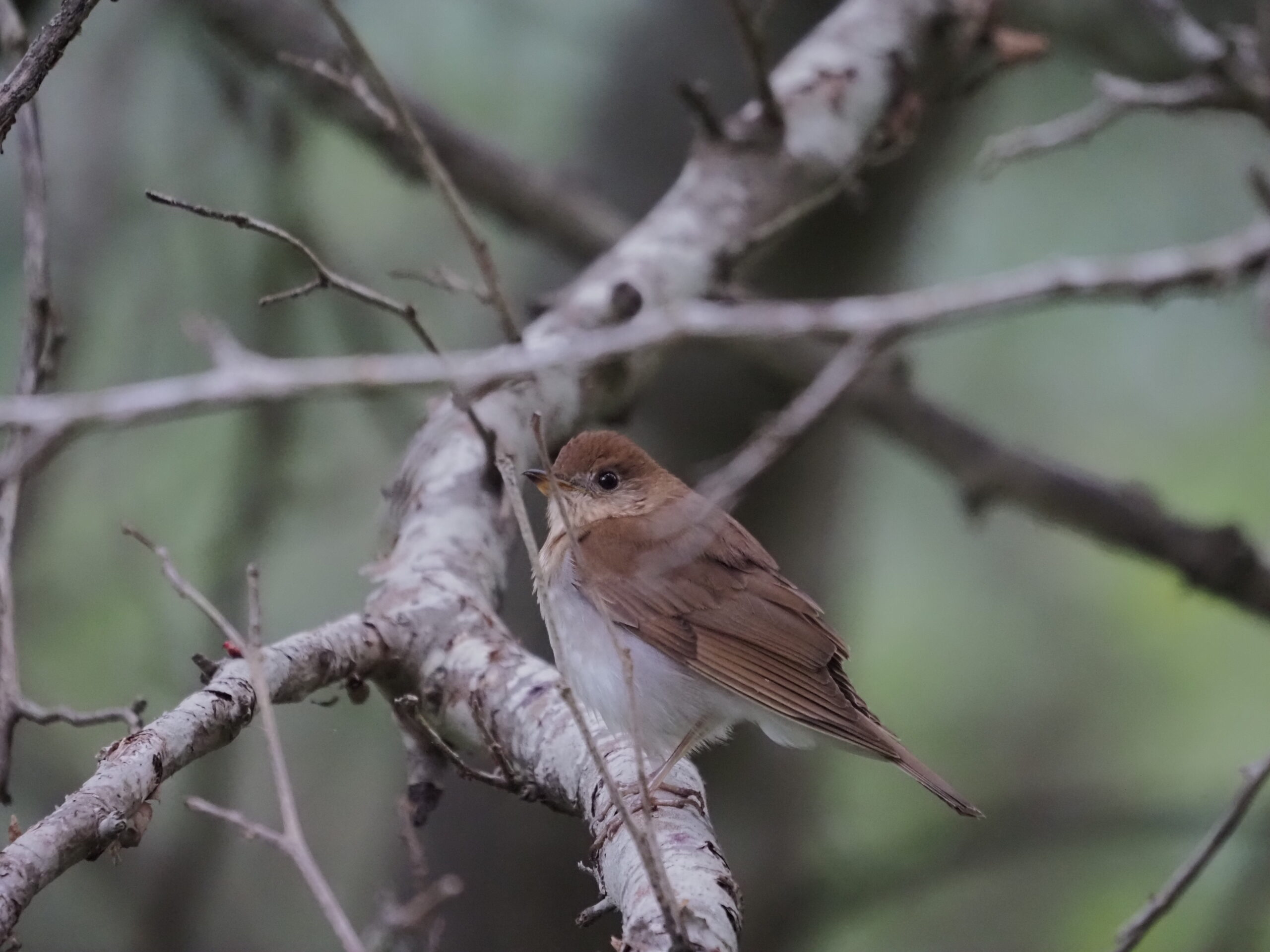
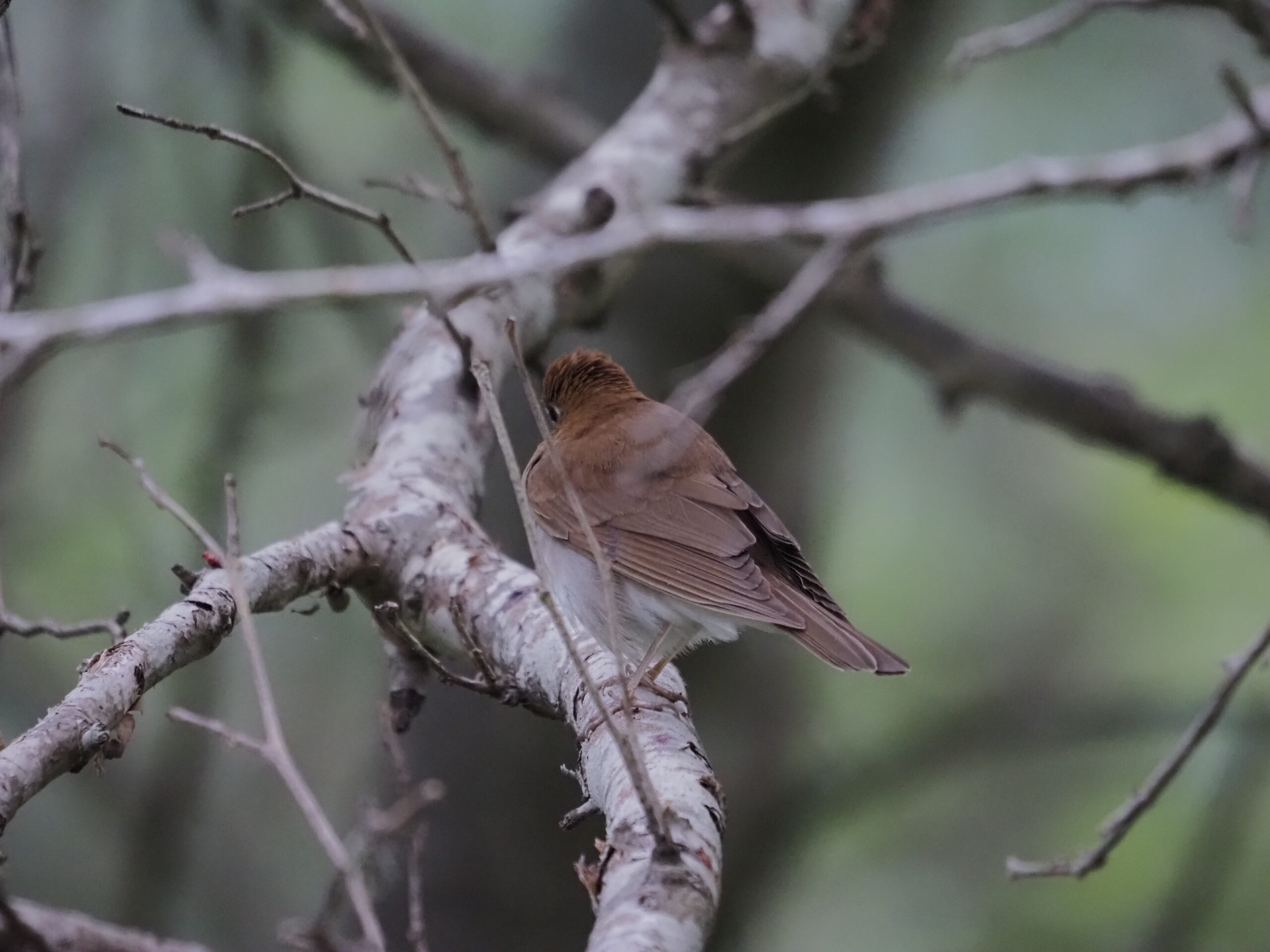
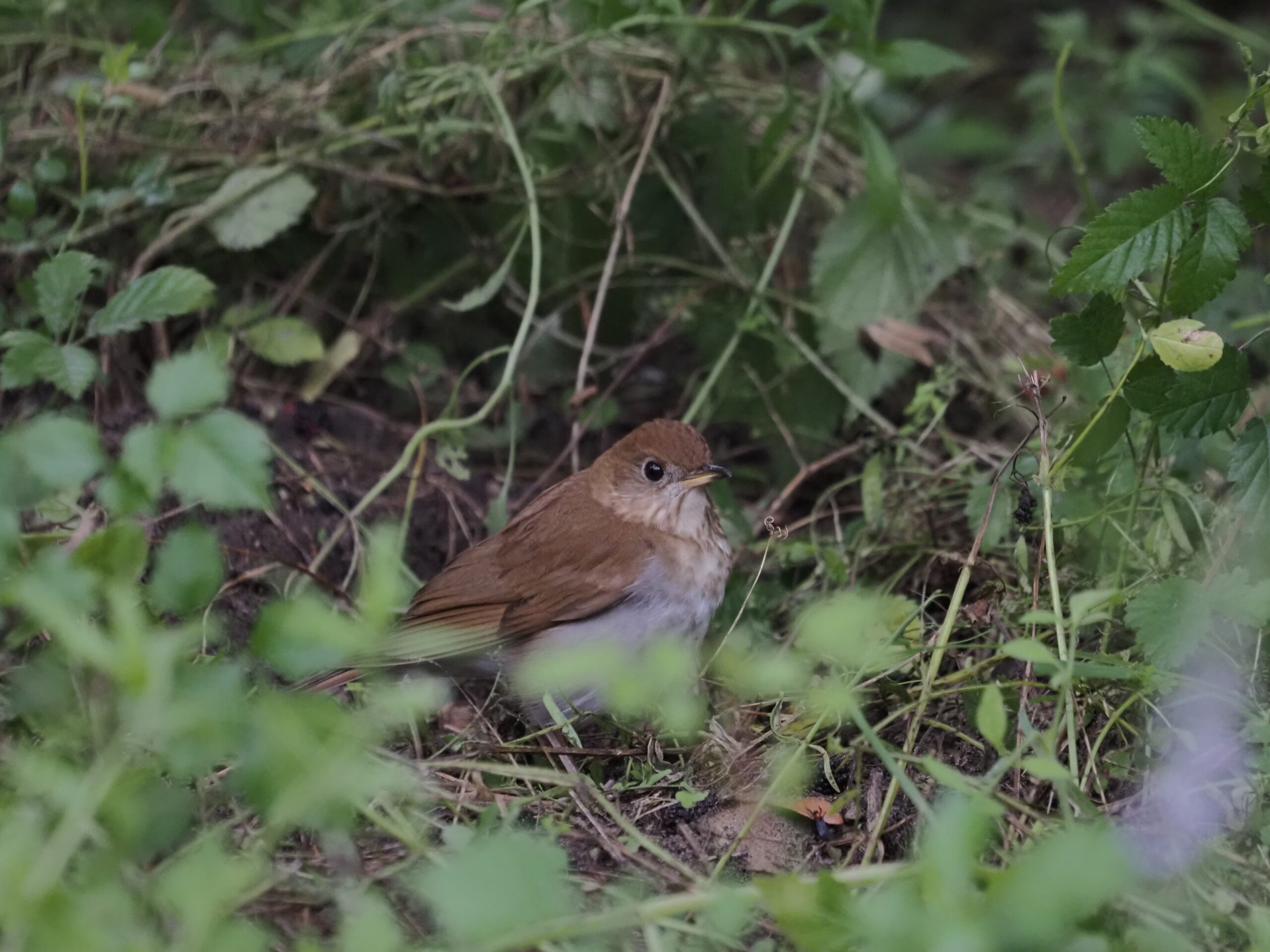
The 2 reddish-brown thrushes, the Wood and Veery, can be confused when seen from the back — they are both pleasing shades of reddish-brown. A noticeably ruddy thrush is likely to be one of these 2.
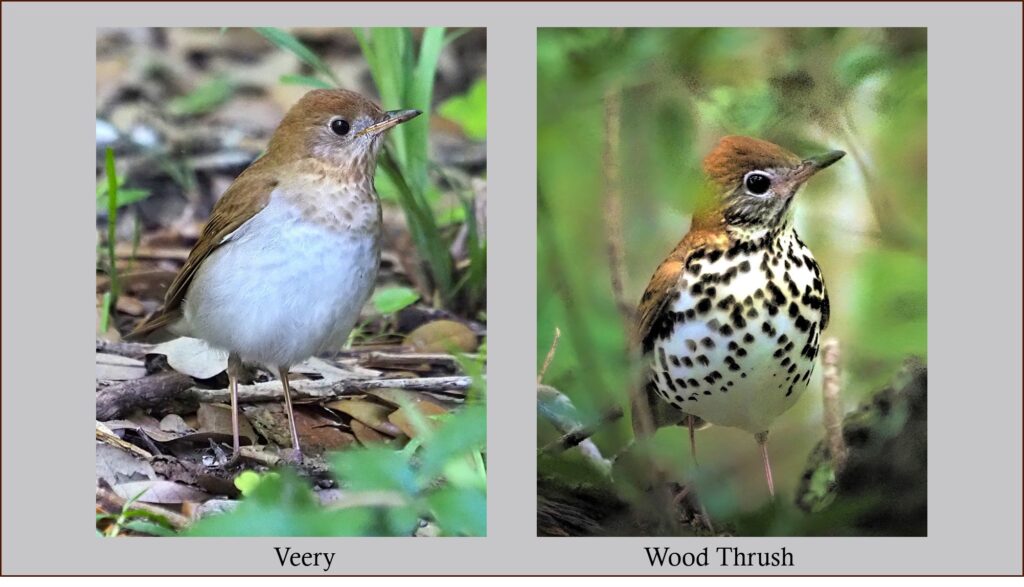
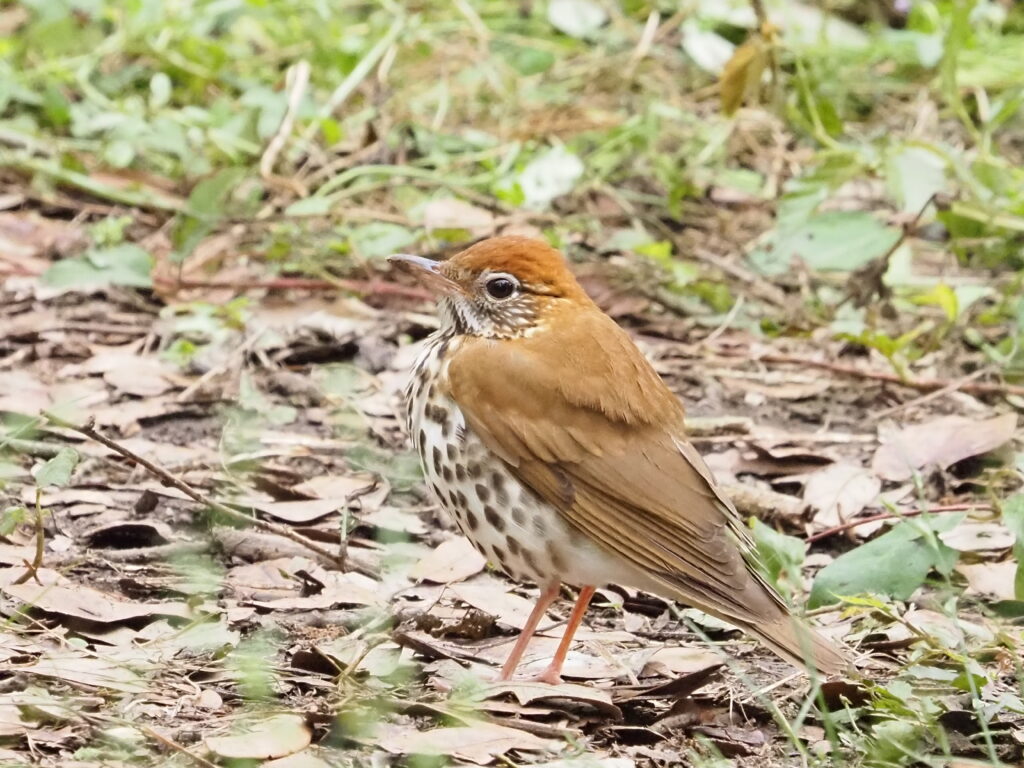
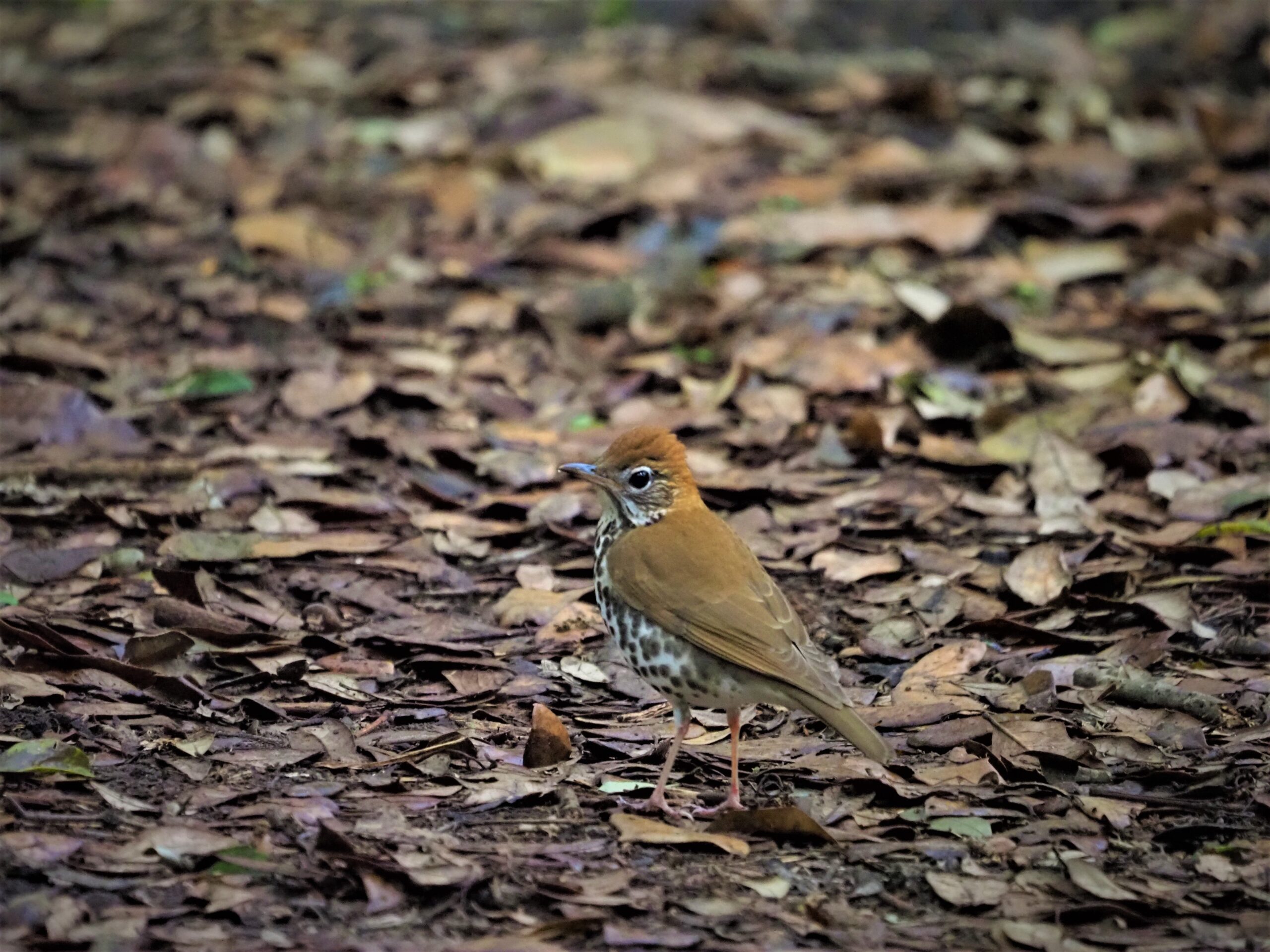
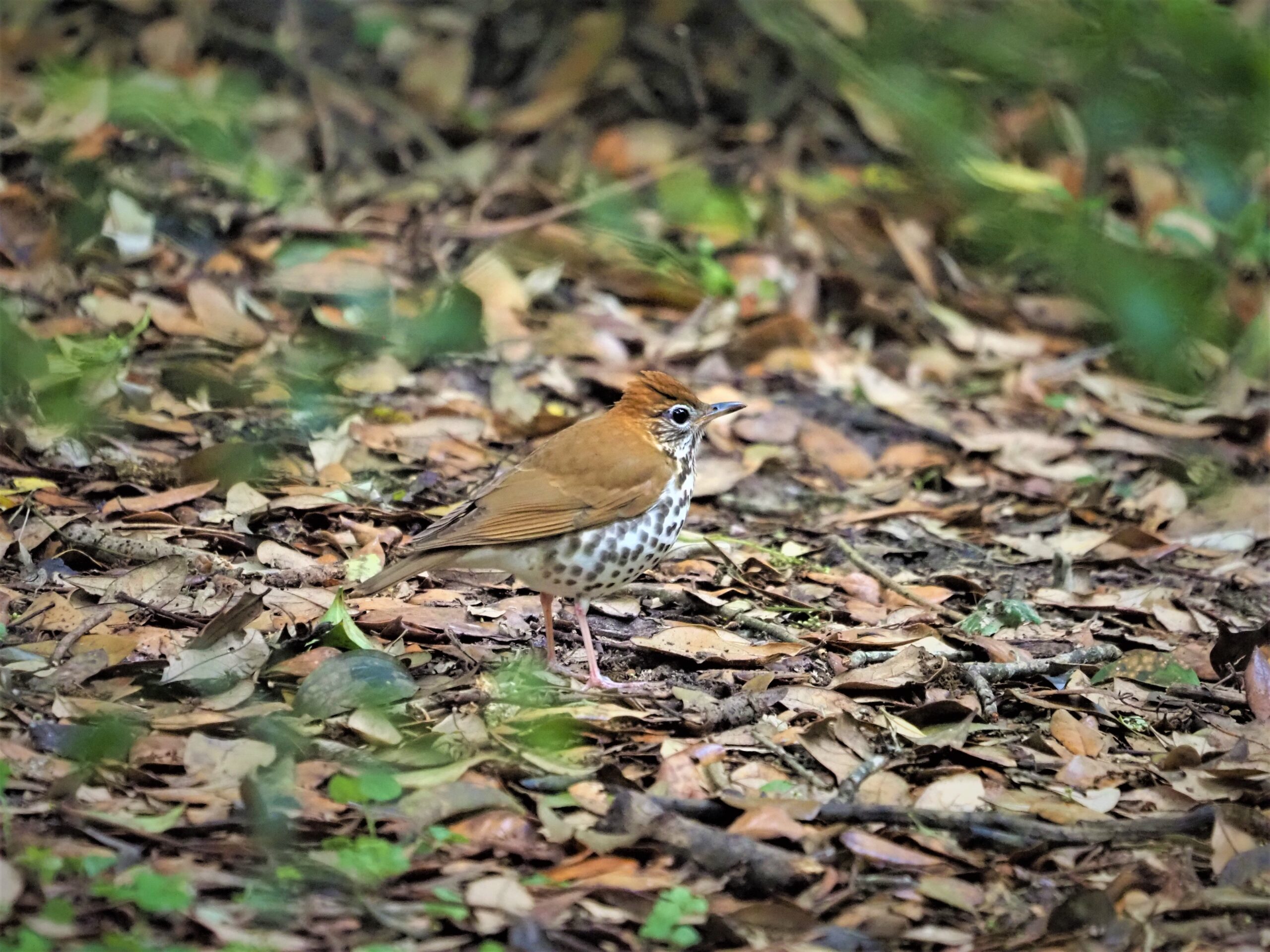
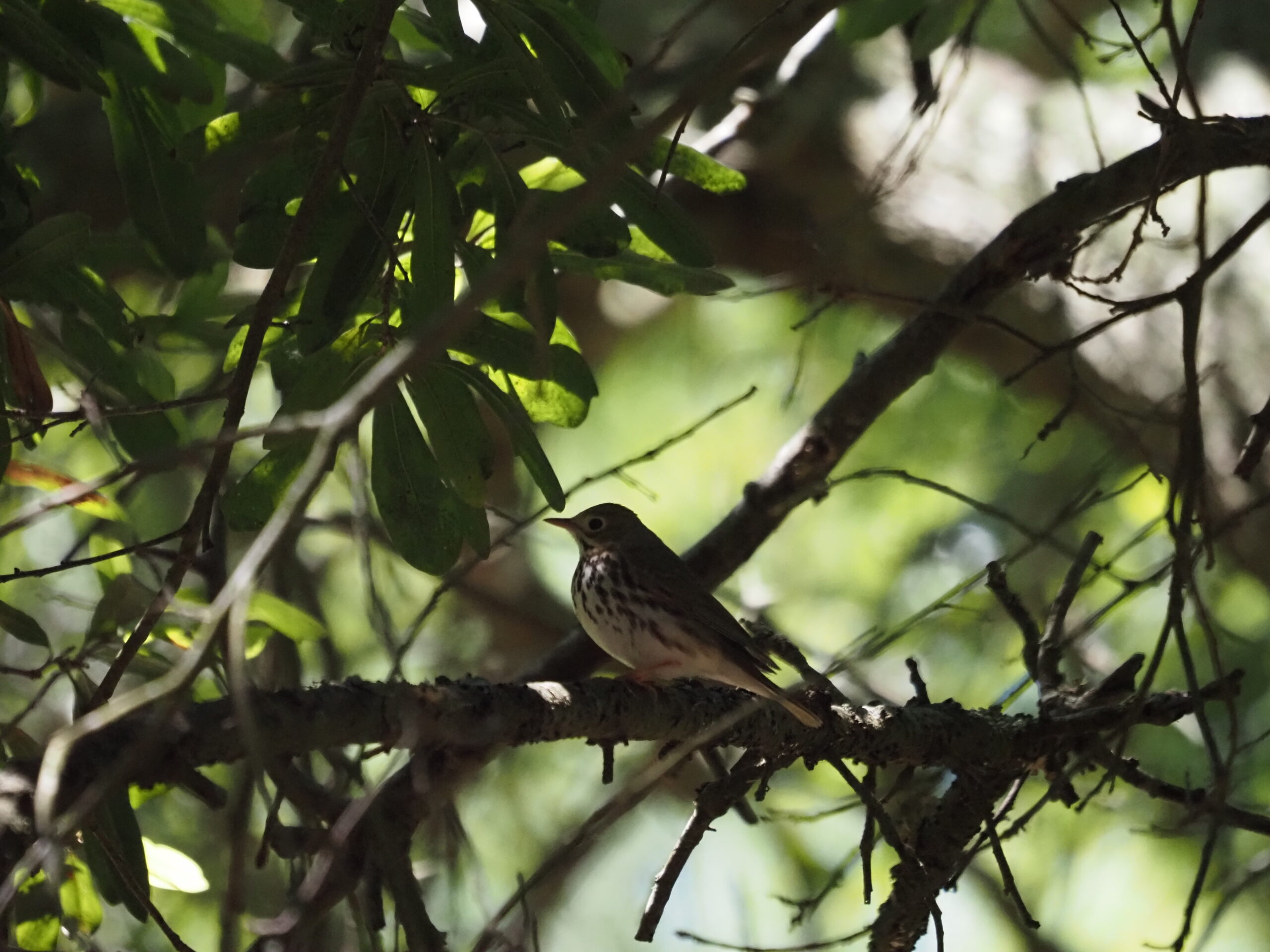
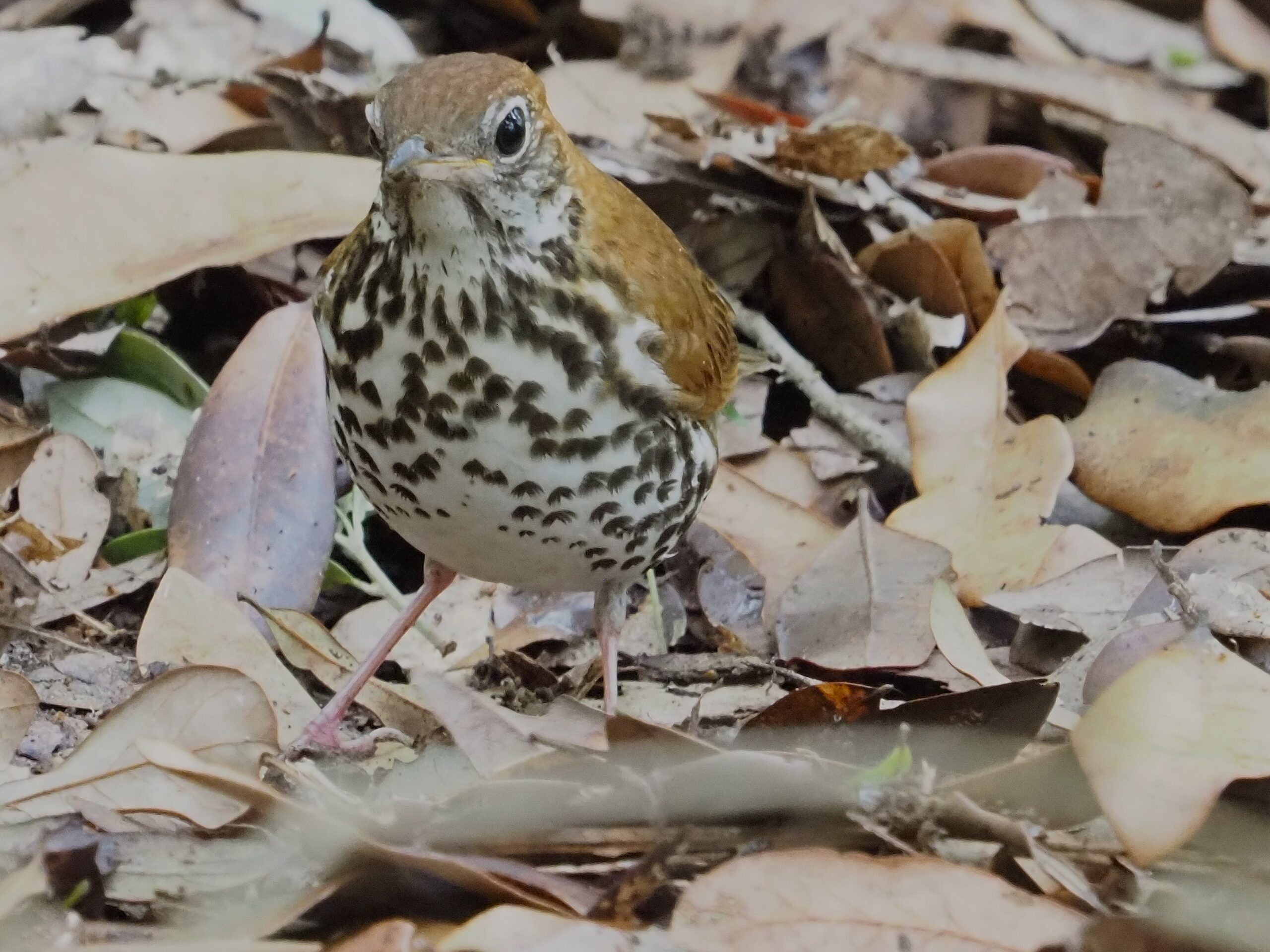
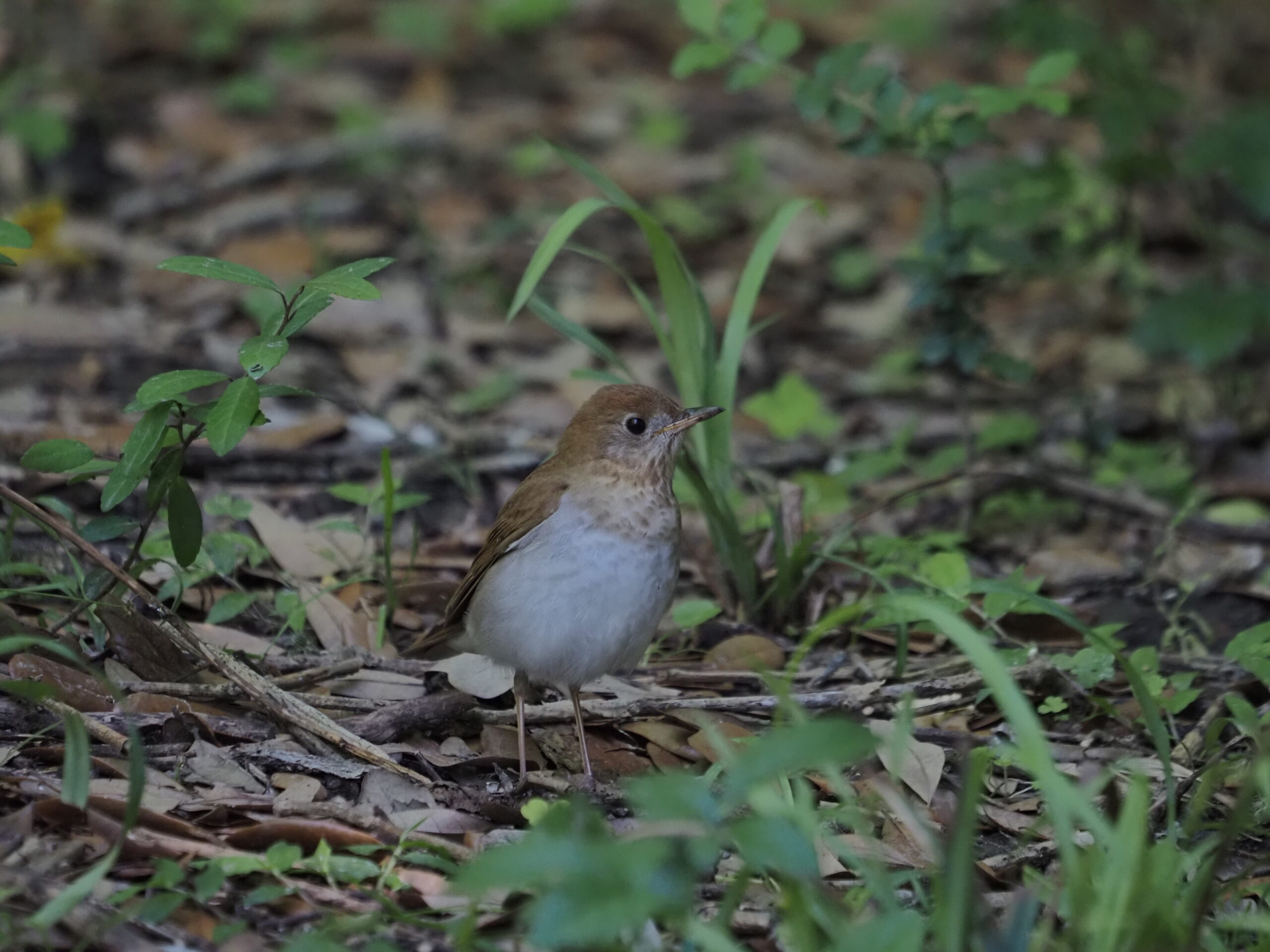
A front view shows how easily they are distinguished by their patterns of spots. The belly of both birds is a clean white, but the Wood has large, very obvious spots on the breast and belly, while the Veery has very few spots, which are indistinct and generally restricted to the throat and upper breast. The Veery simply has a white belly with grayish flanks.
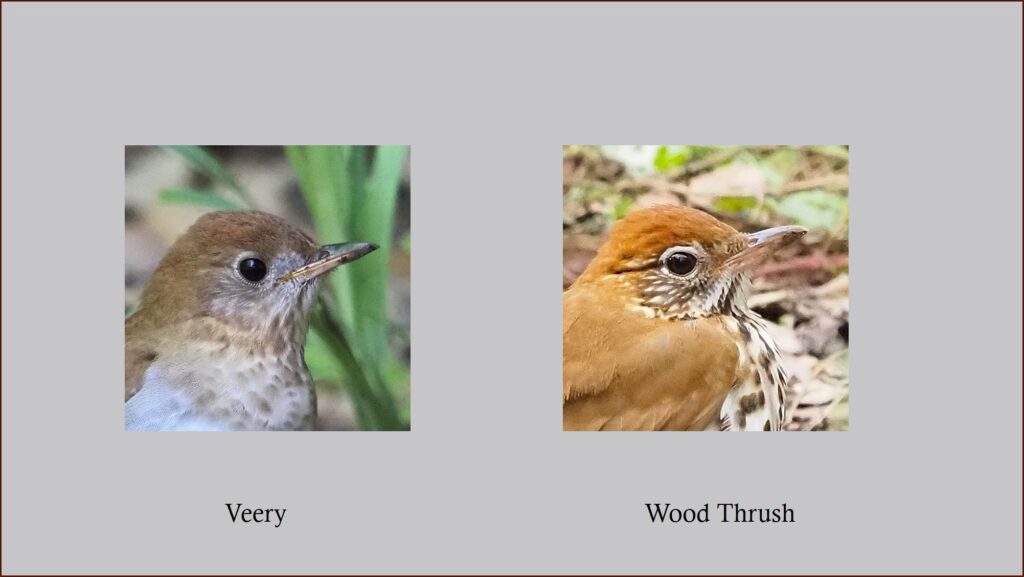
The eye-ring of the Wood is bright and white, while that of the Veery is vague and pale.
The Wood is larger, plumper and more robust than other thrushes, while the Veery is slimmer.
Wood Thrush
Veery
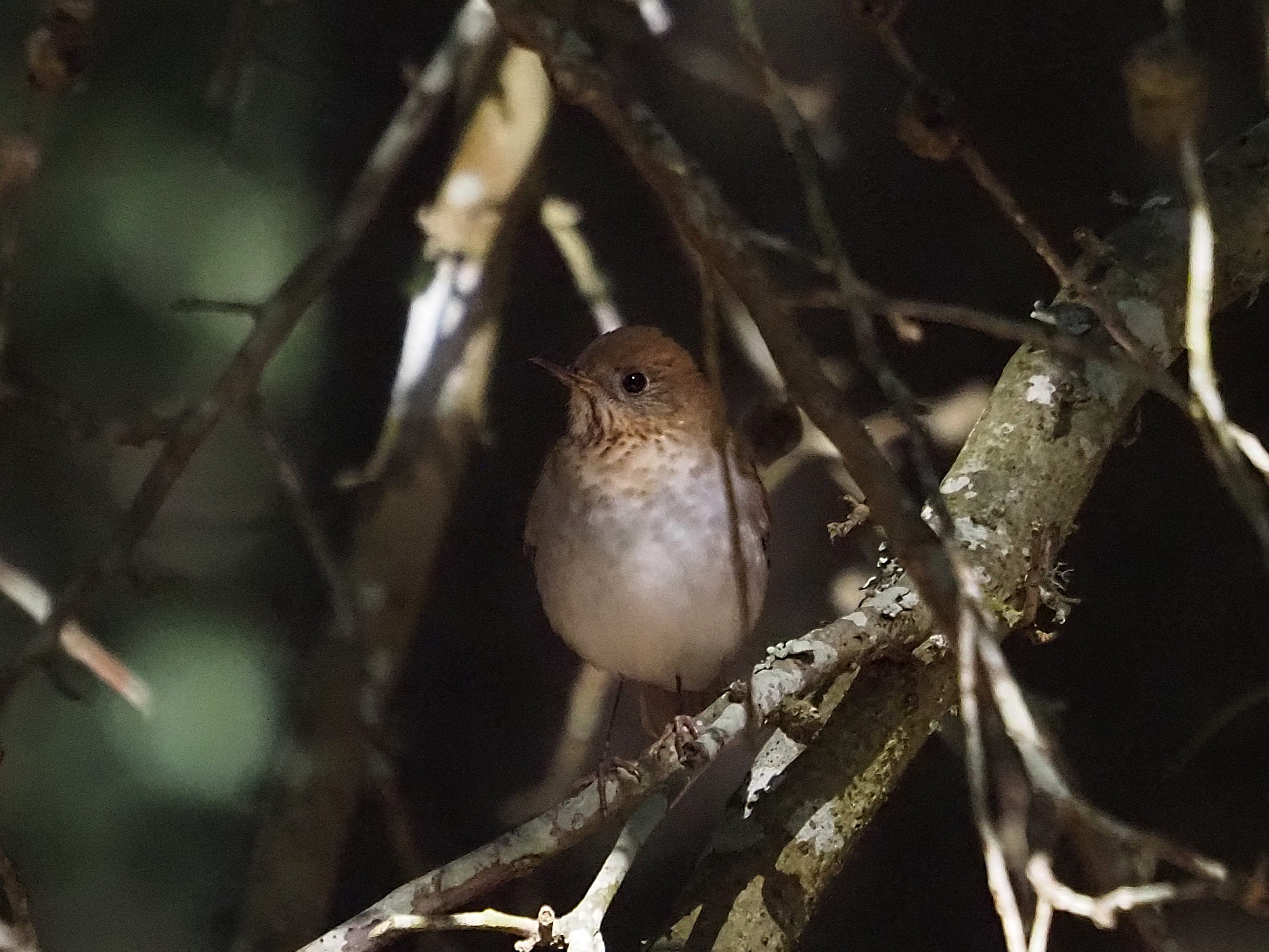
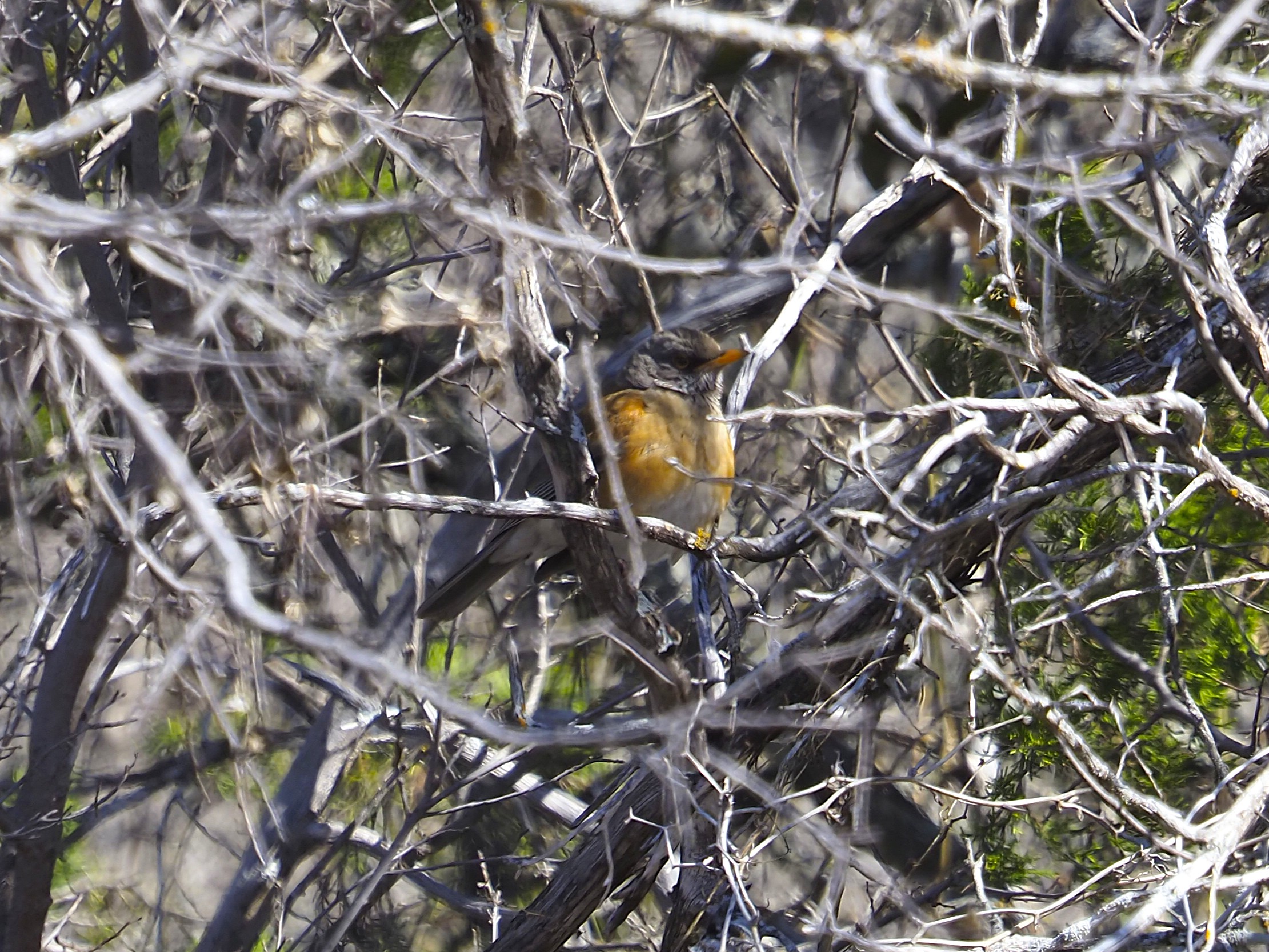
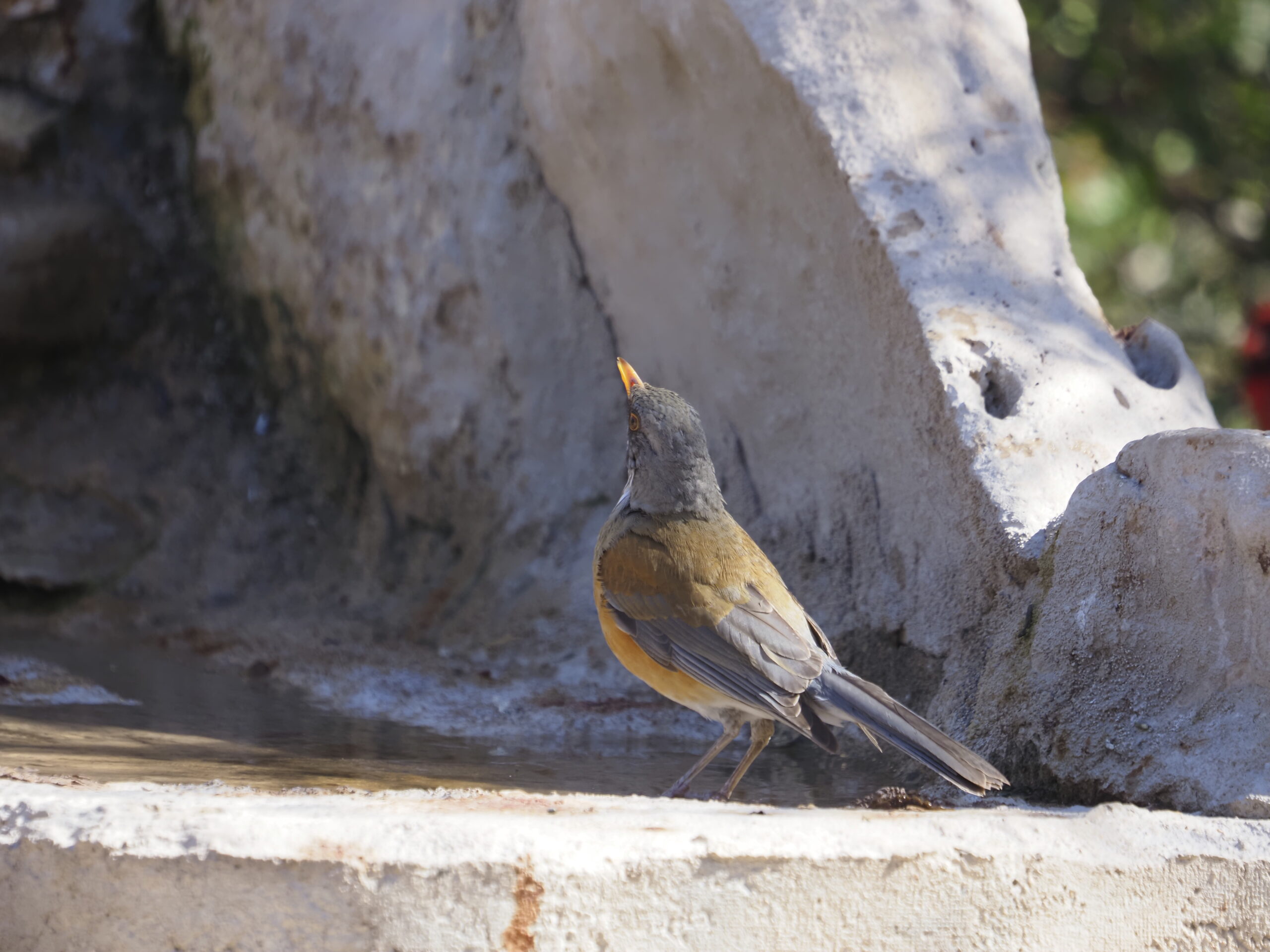
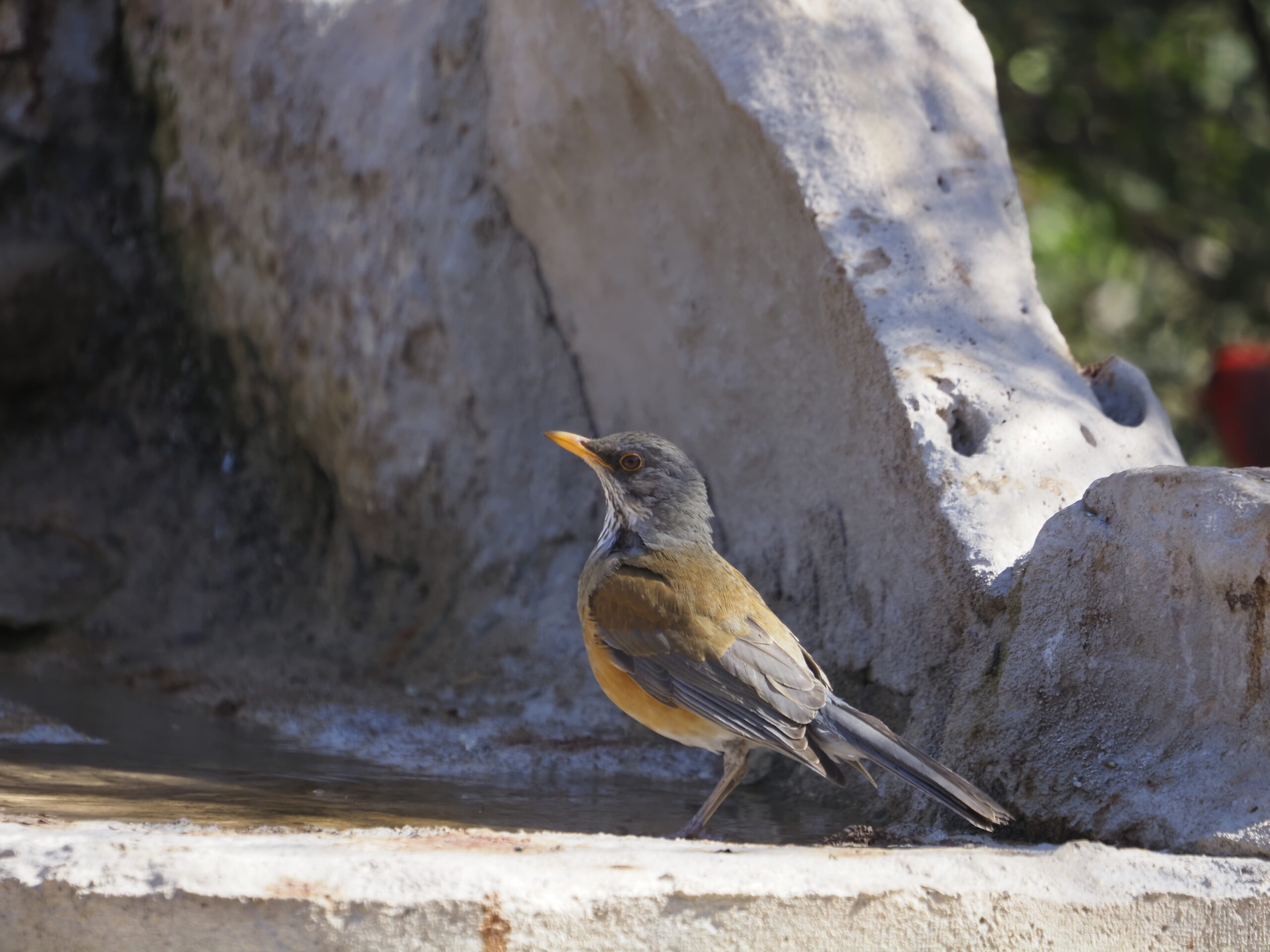
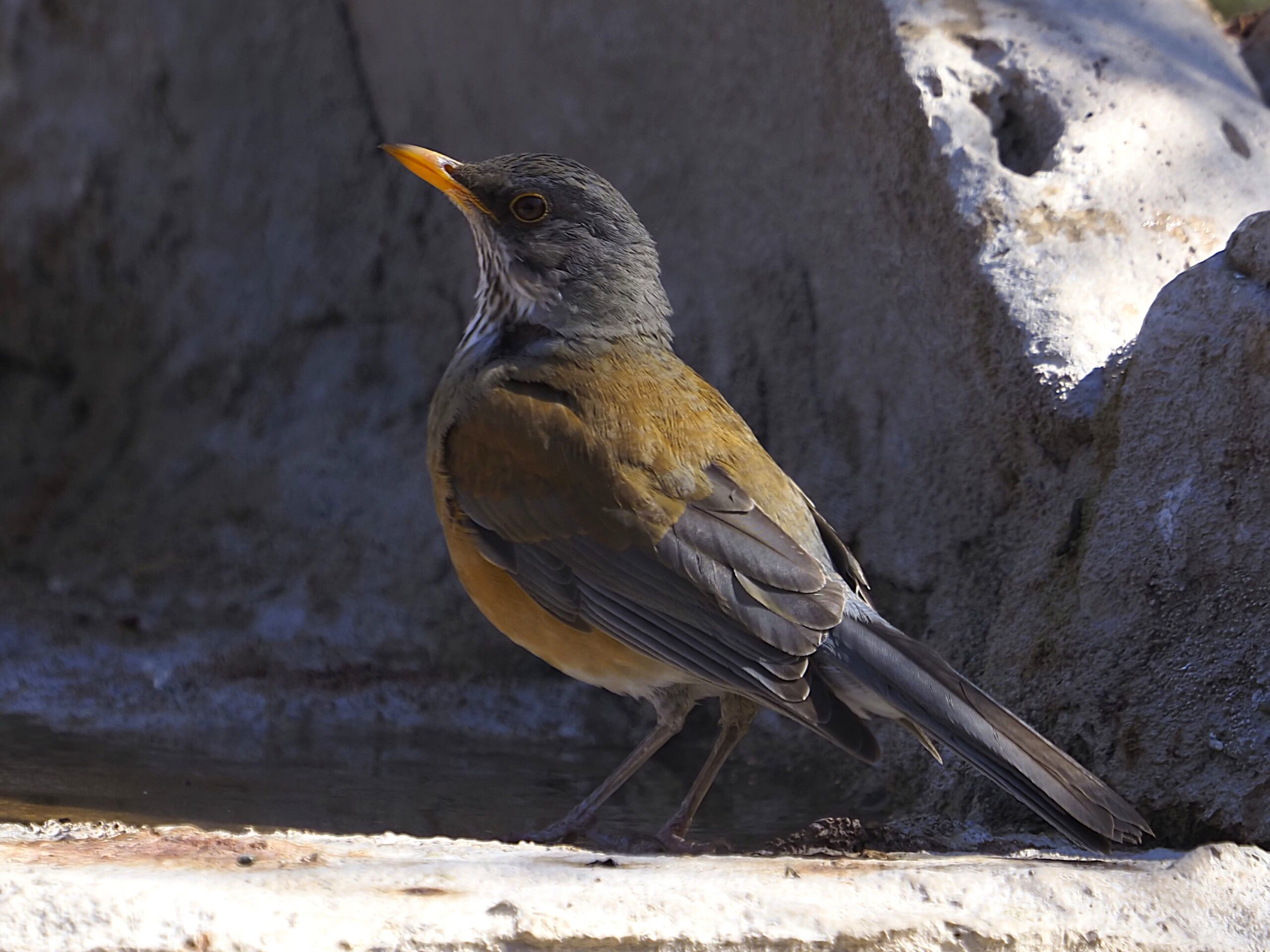
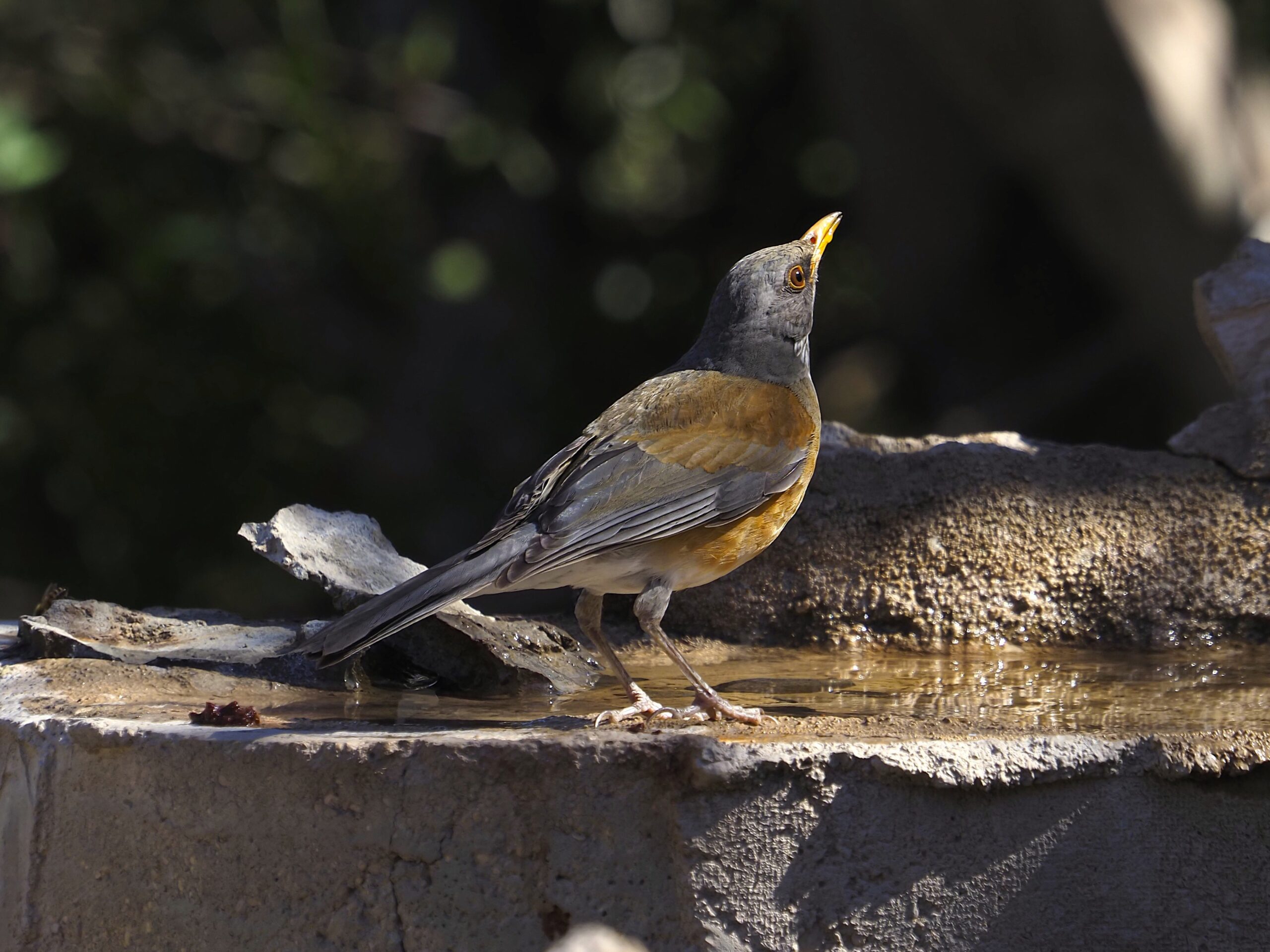
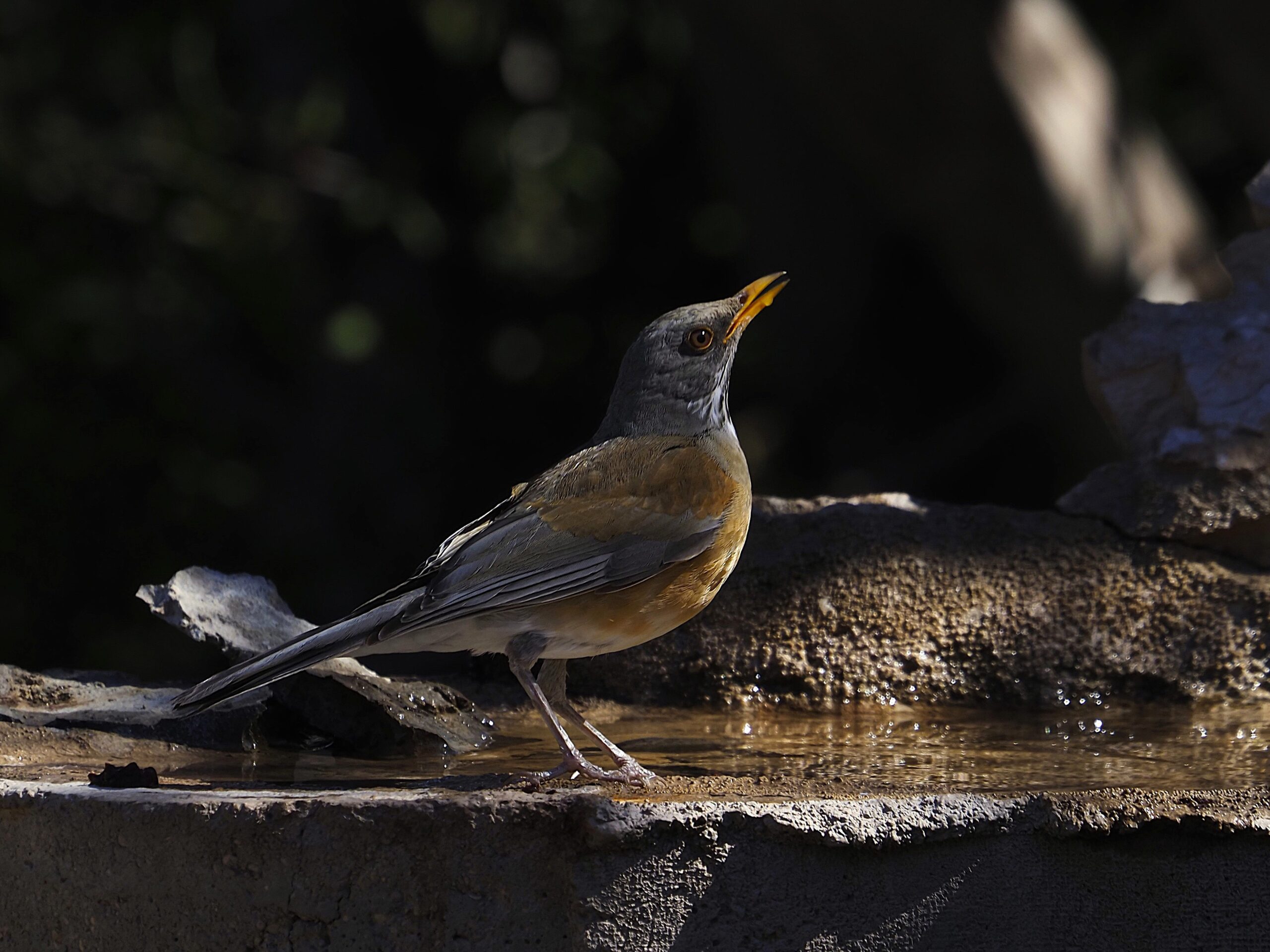
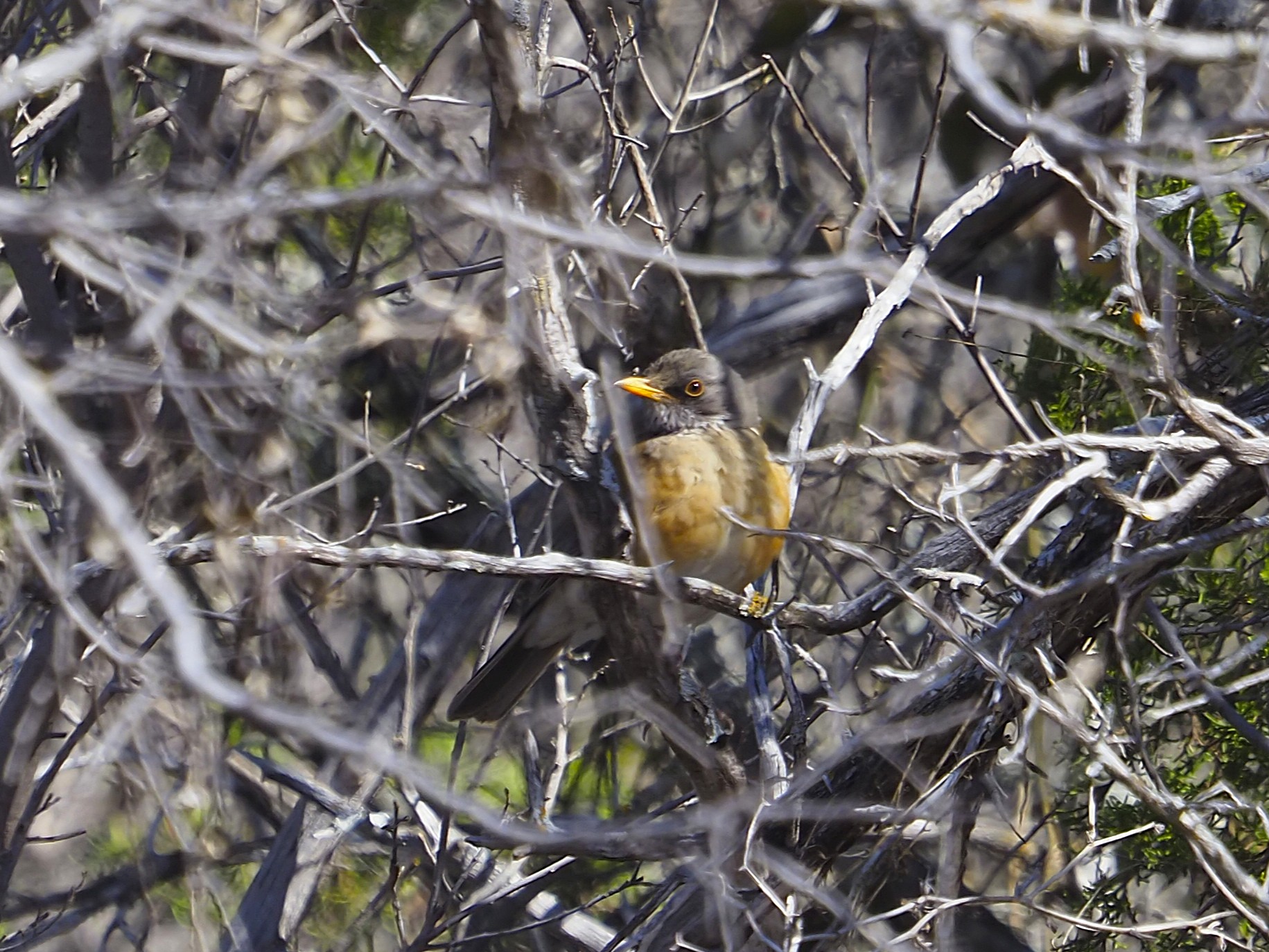
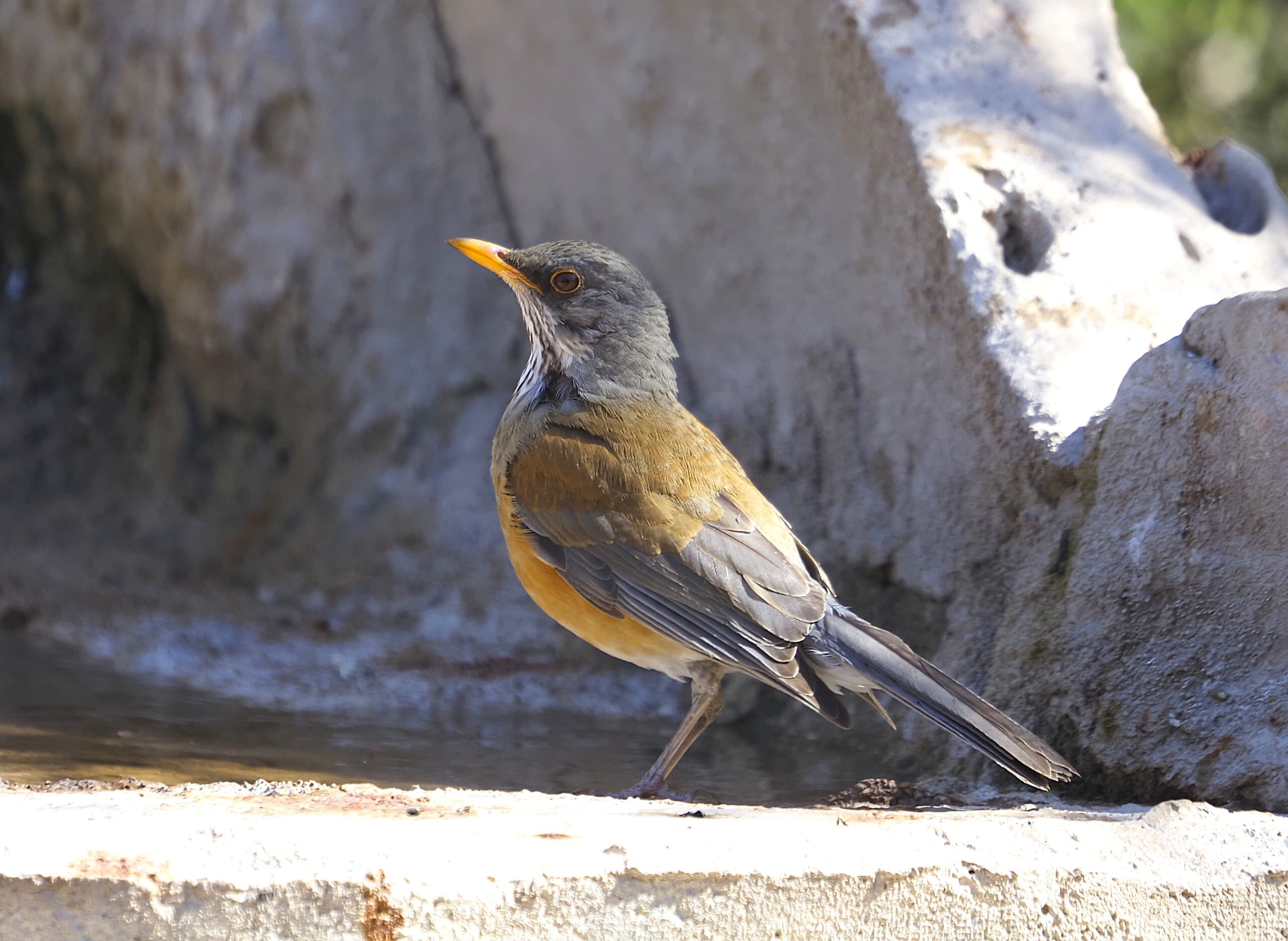
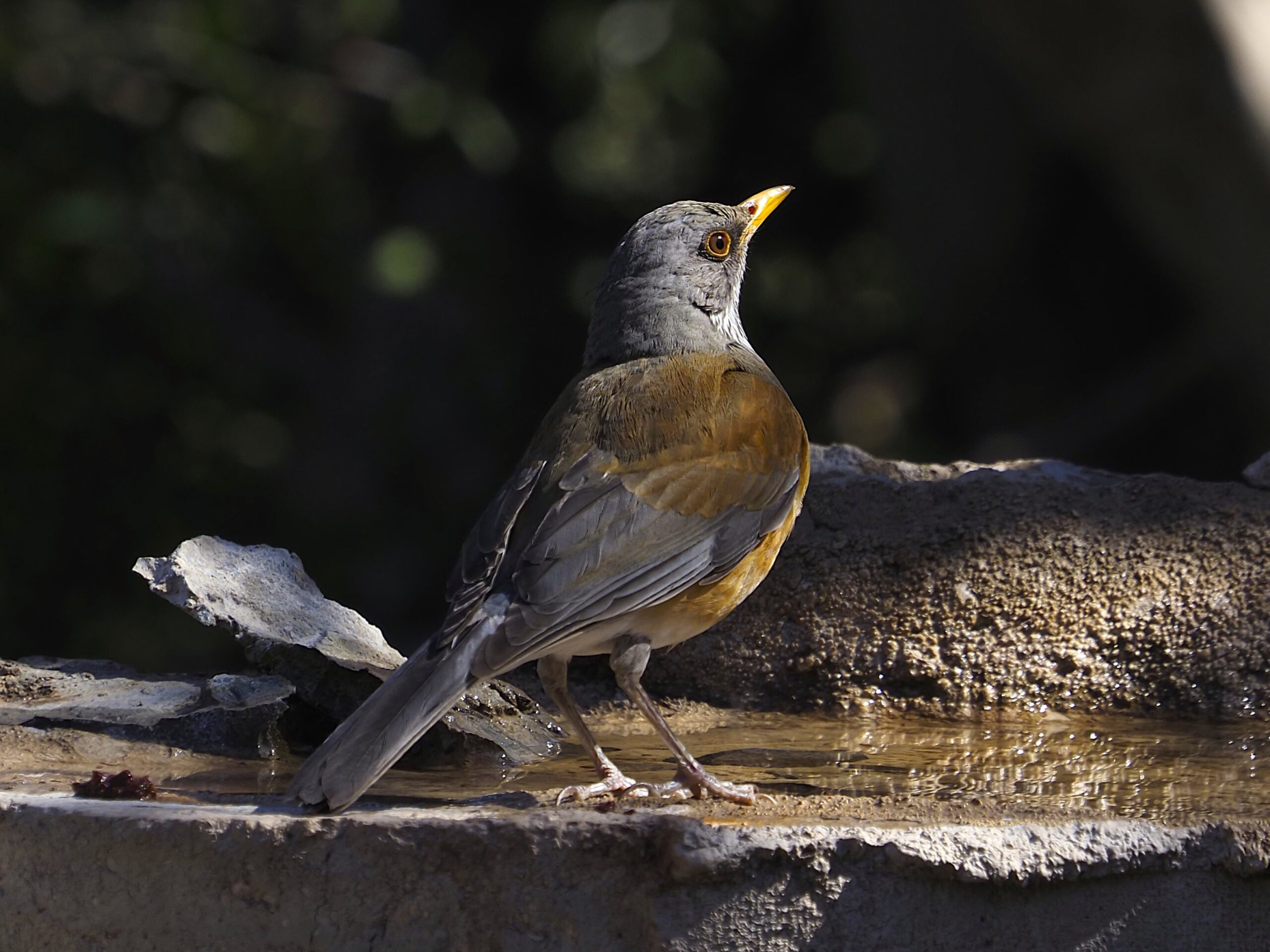
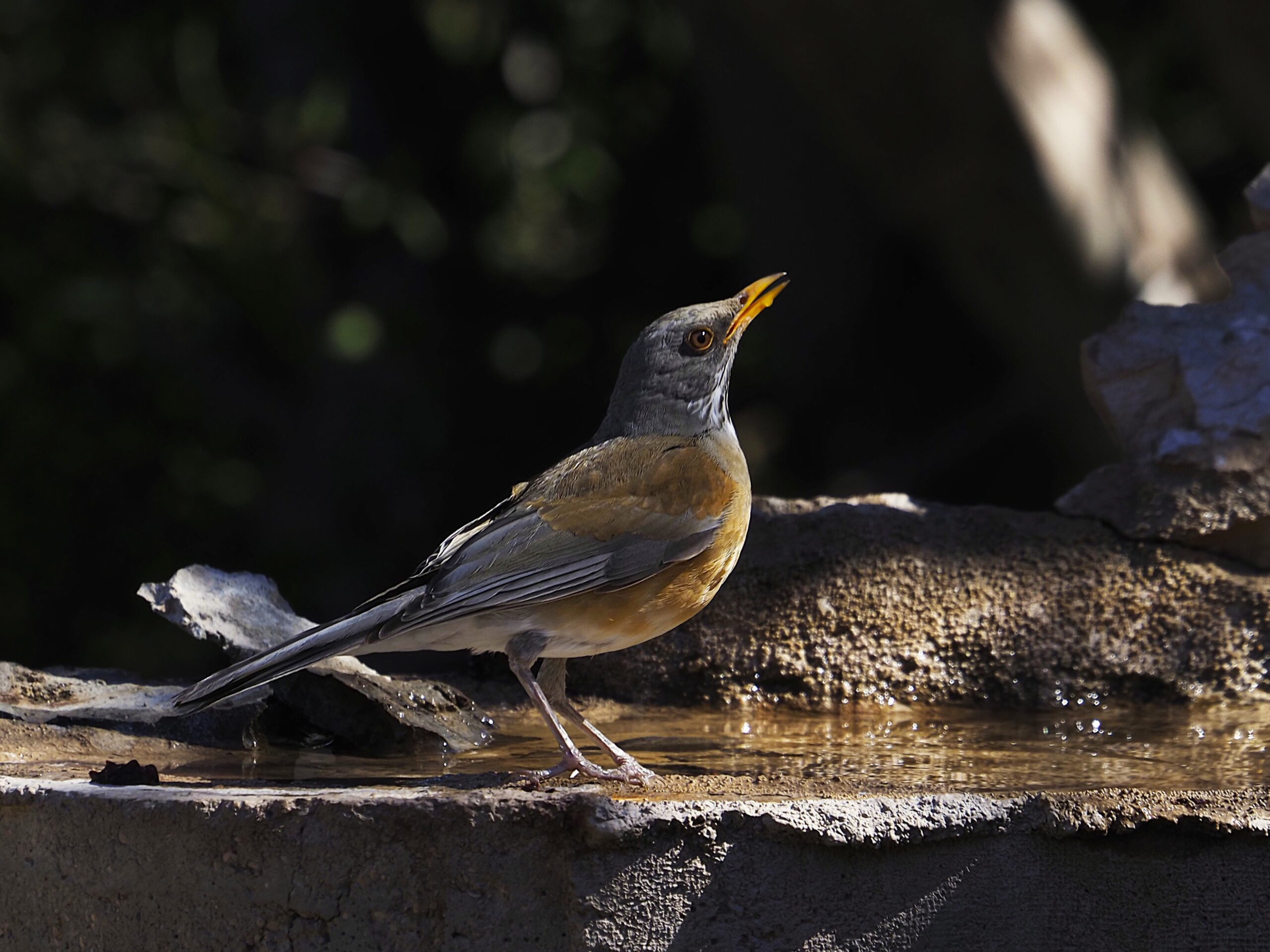
Rufous-backed Robin
This Rufous-backed Robin made regular appearances at South Llano River State Park during January and February of 2025. It took me two tries to see and photograph this beautiful bird. It is normally found in deciduous forests of southwestern Mexico and is a TBRC Review List (https://www.texasbirdrecordscommittee.org/texas-review-list/texas-review-list-species) species, which has 31 accepted records in Texas.