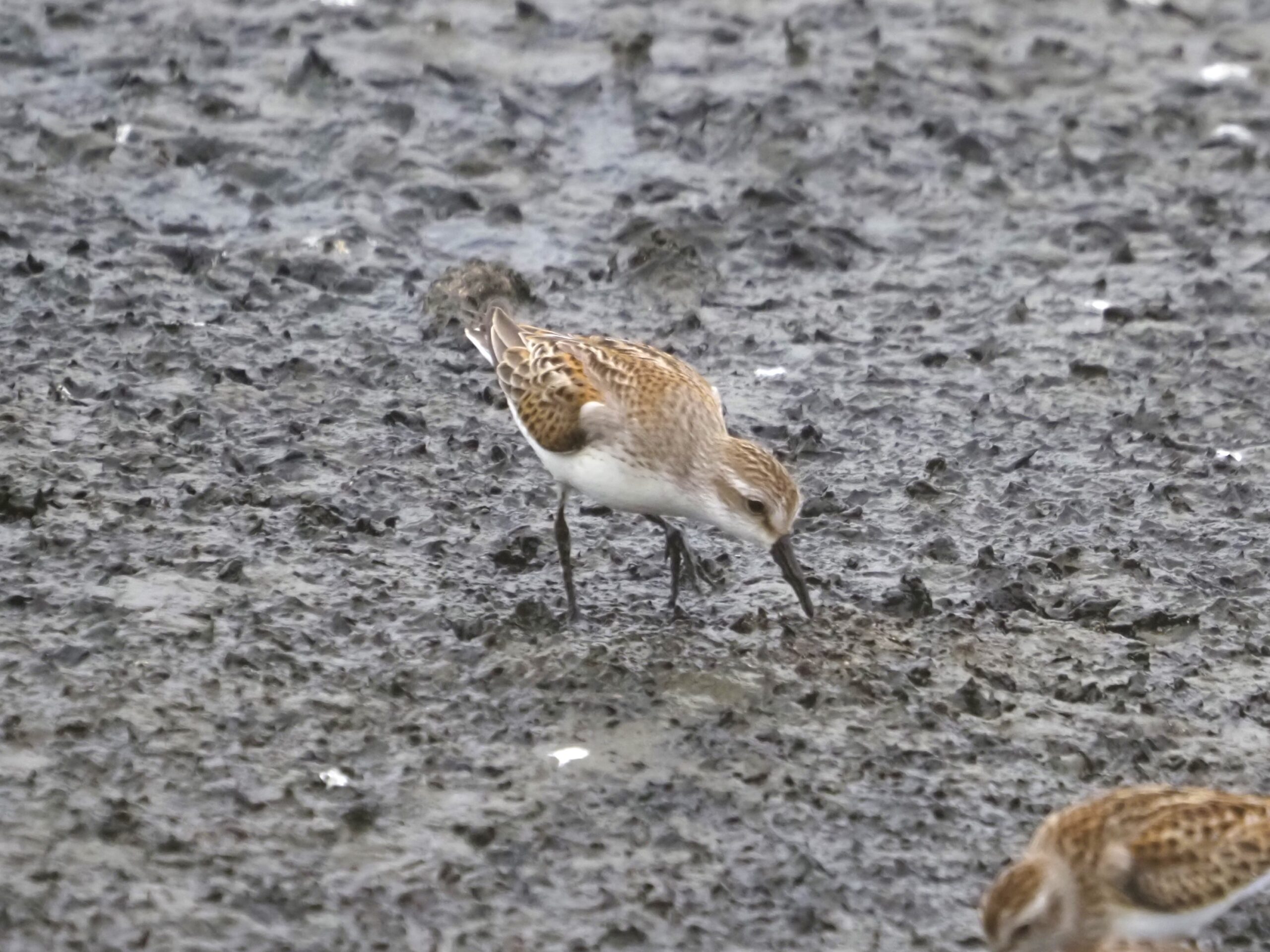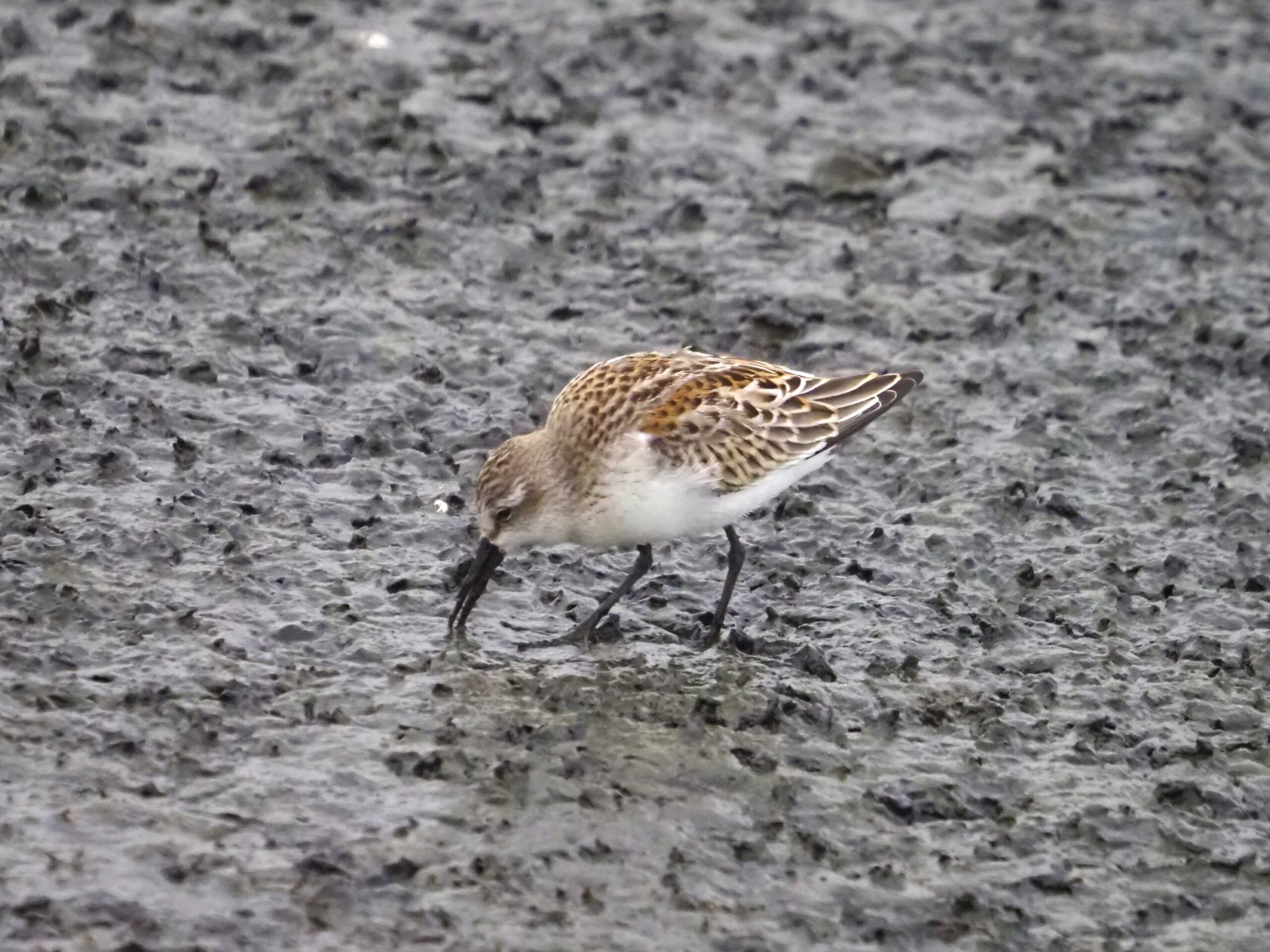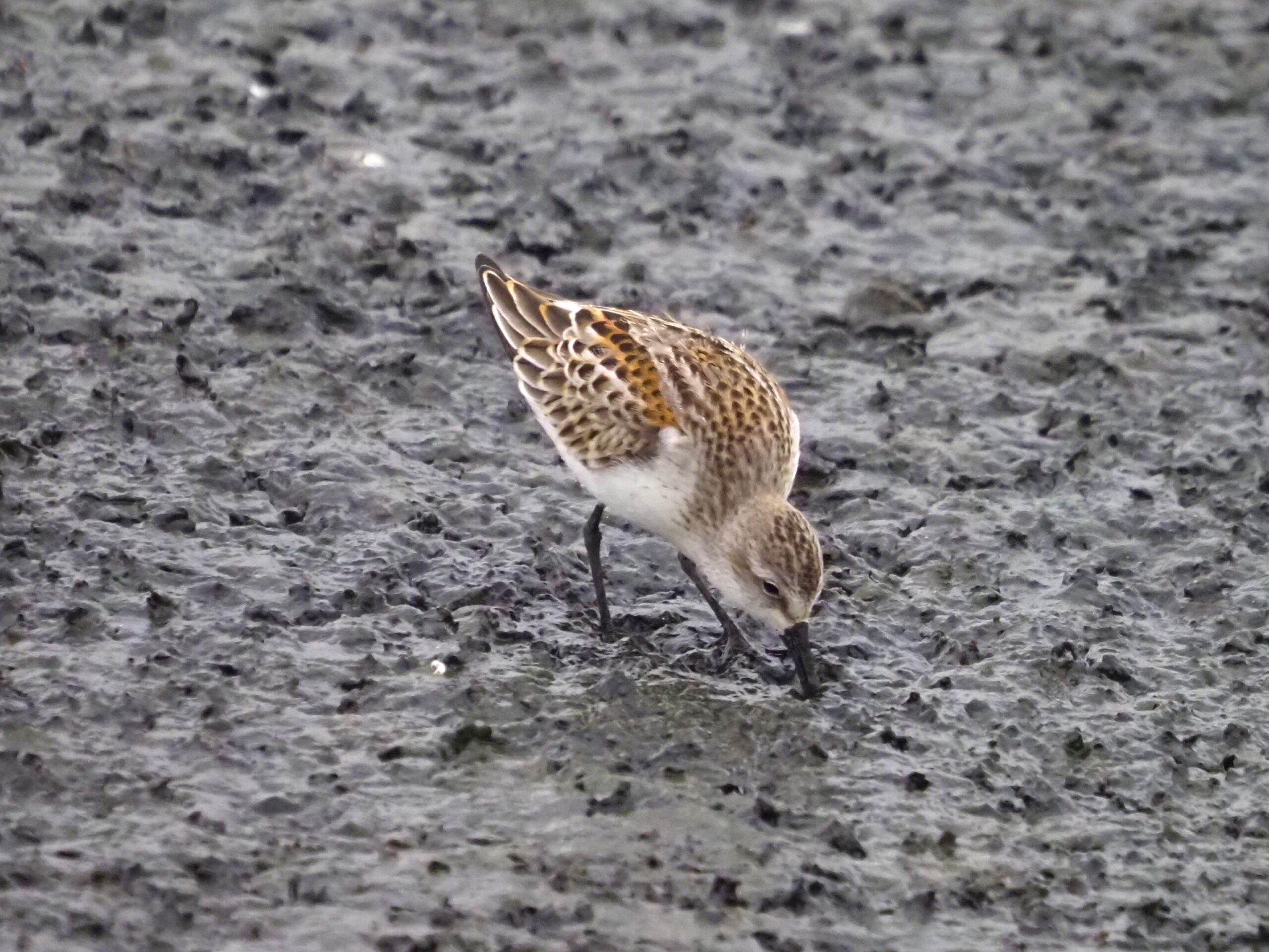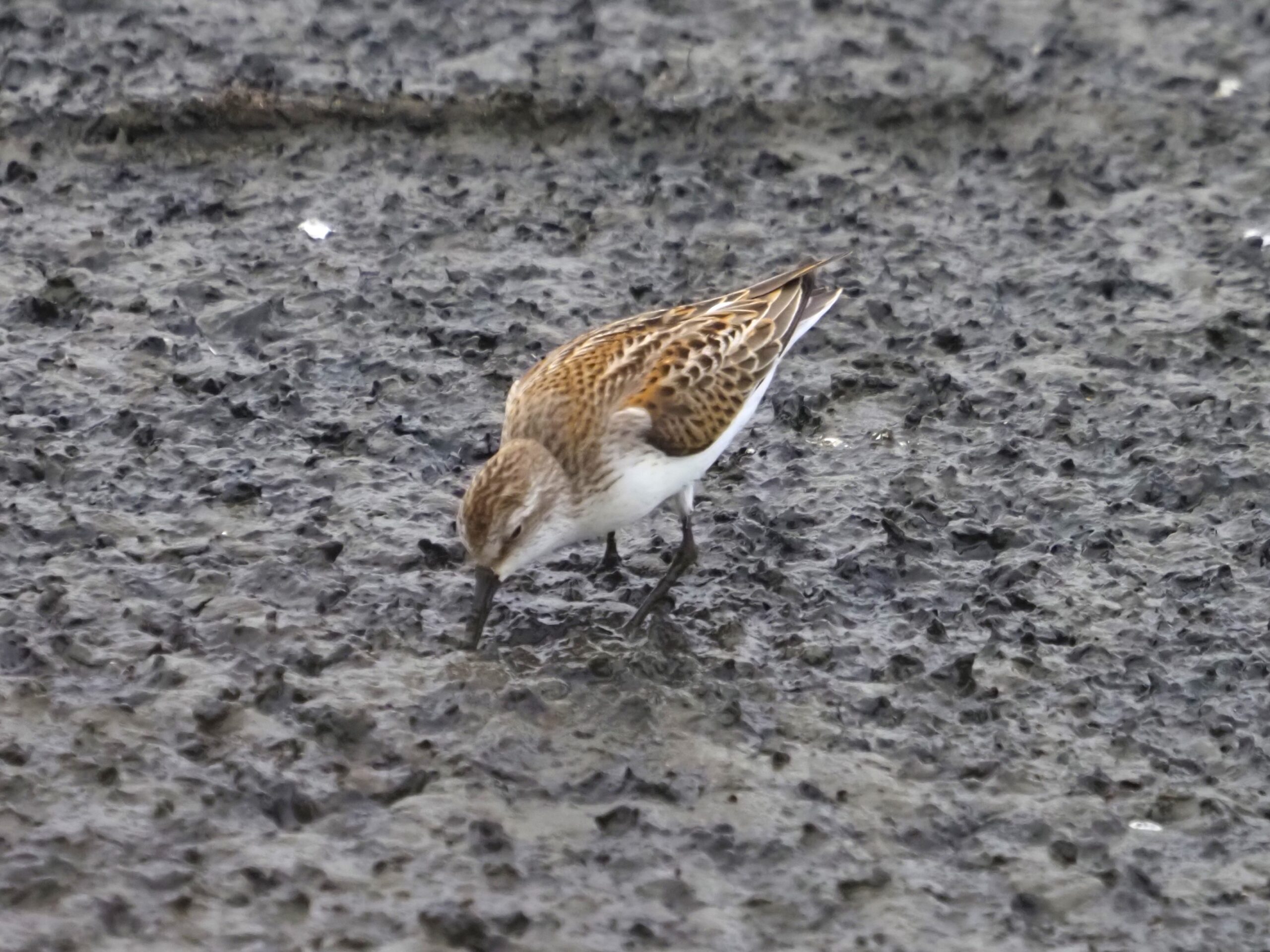
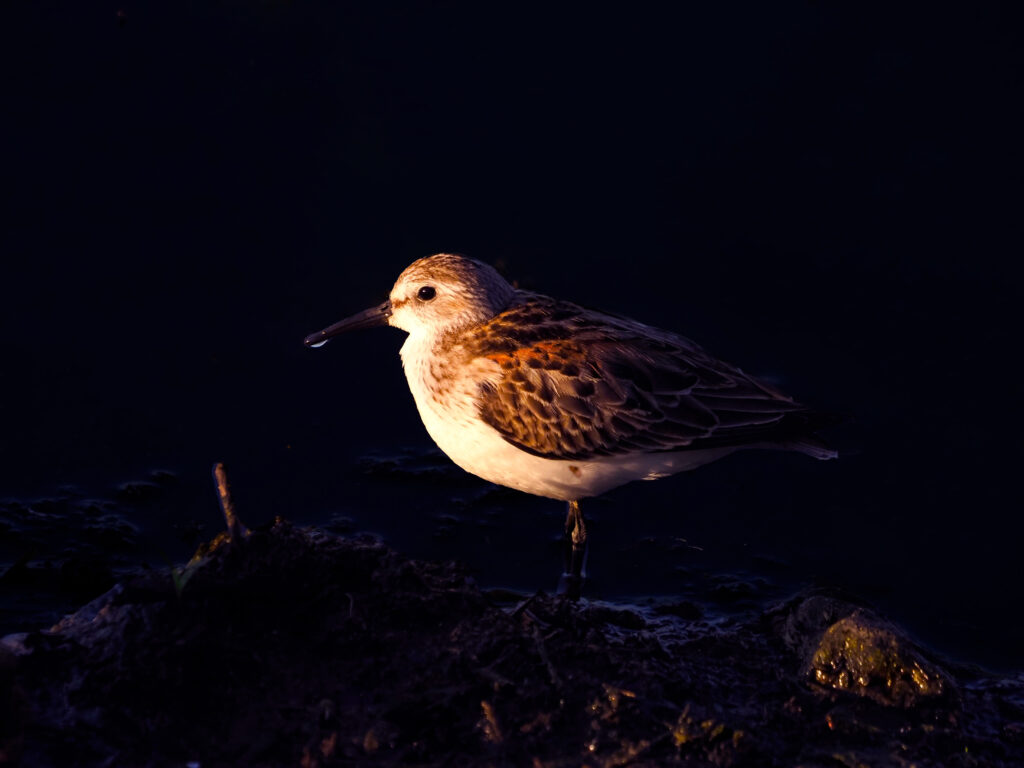
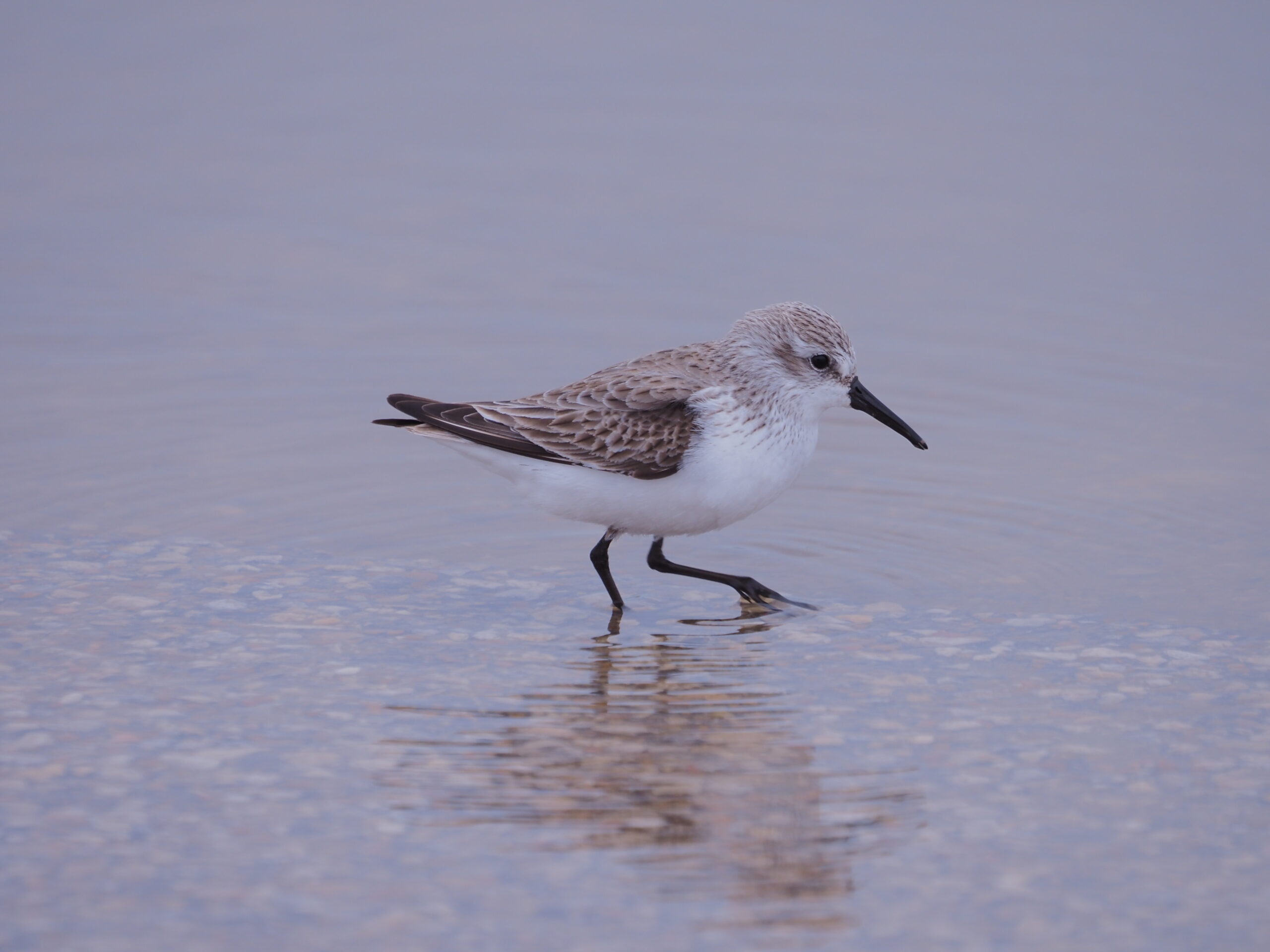
Western Sandpiper (basic)
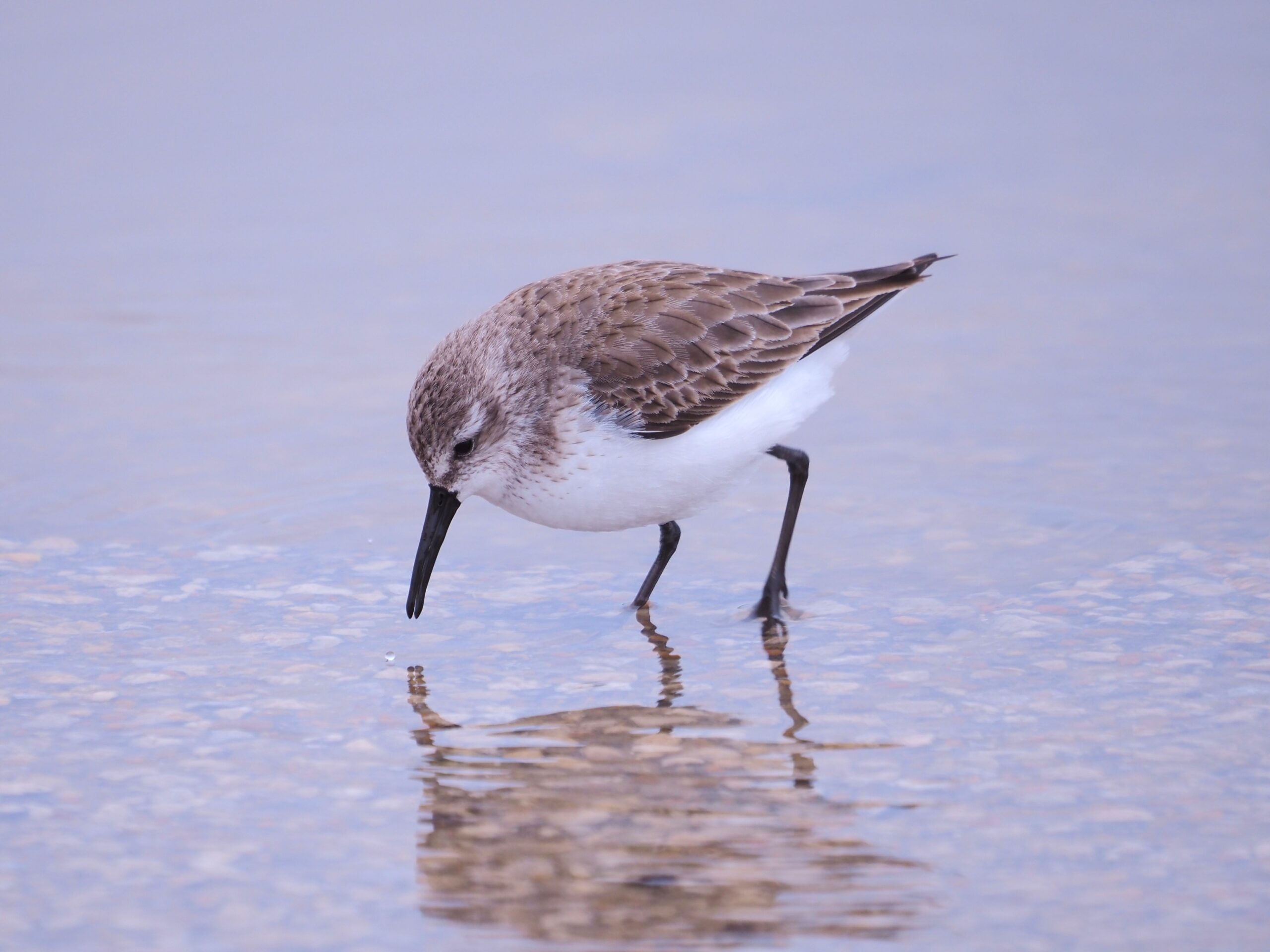
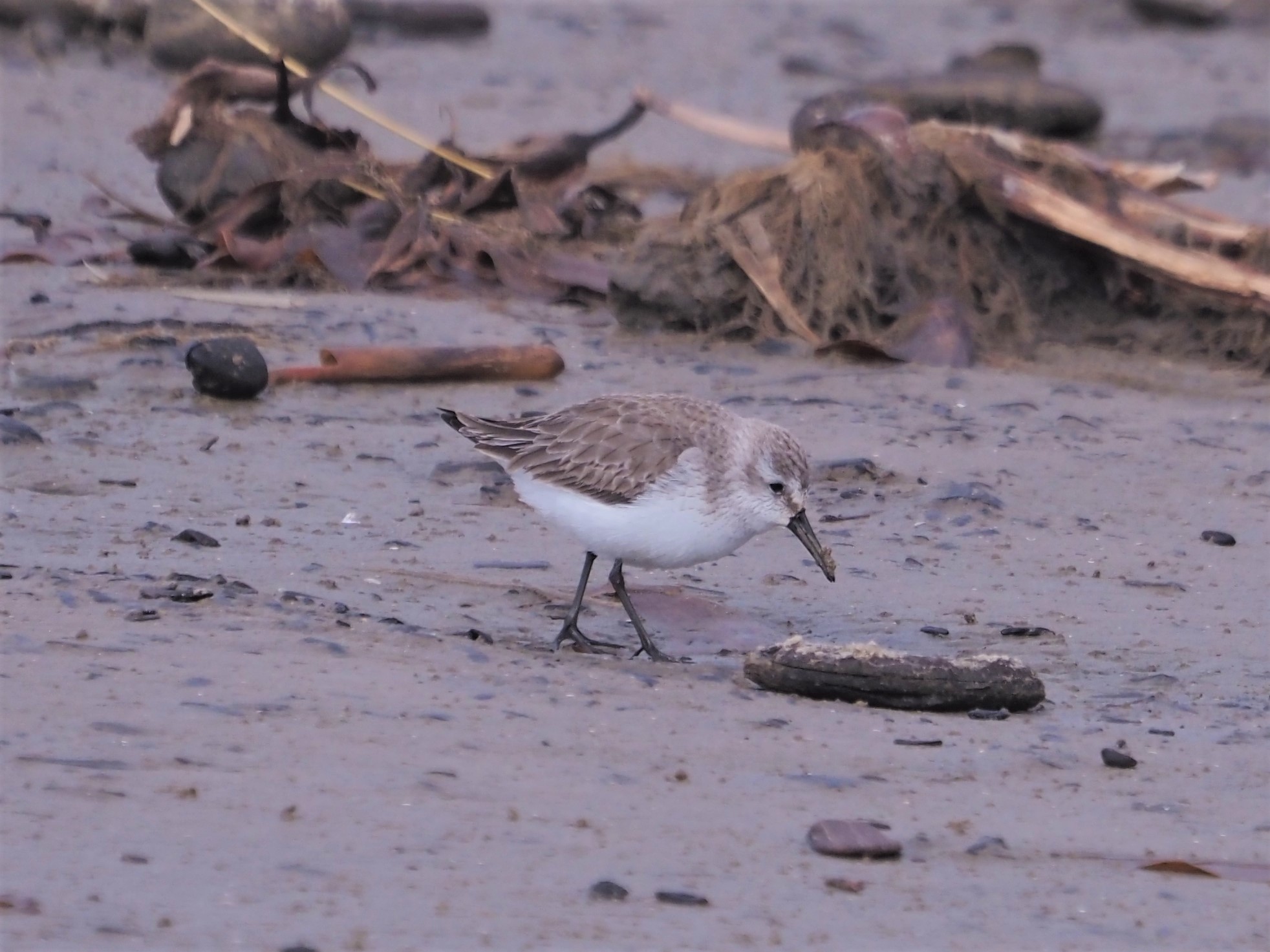
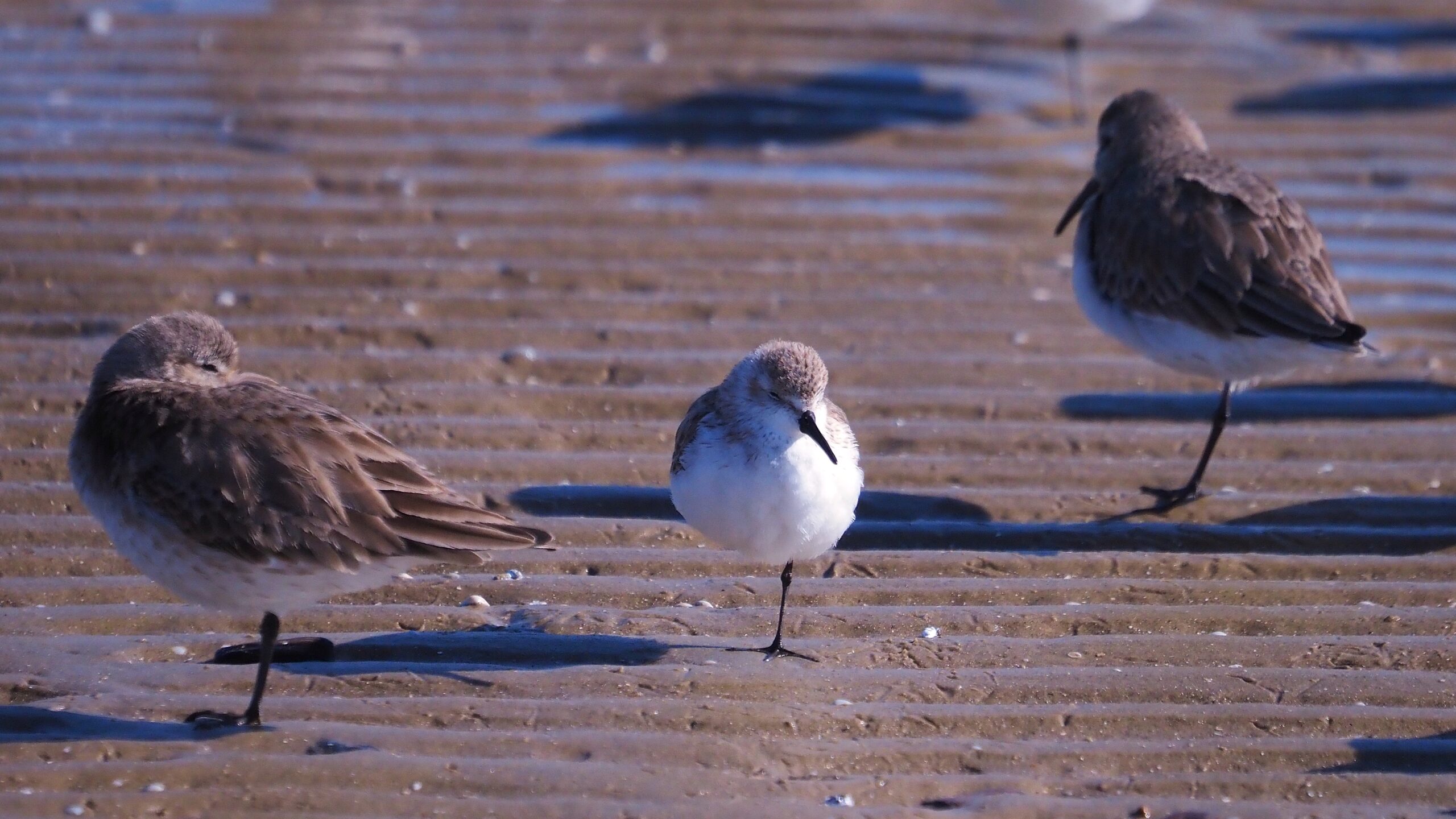
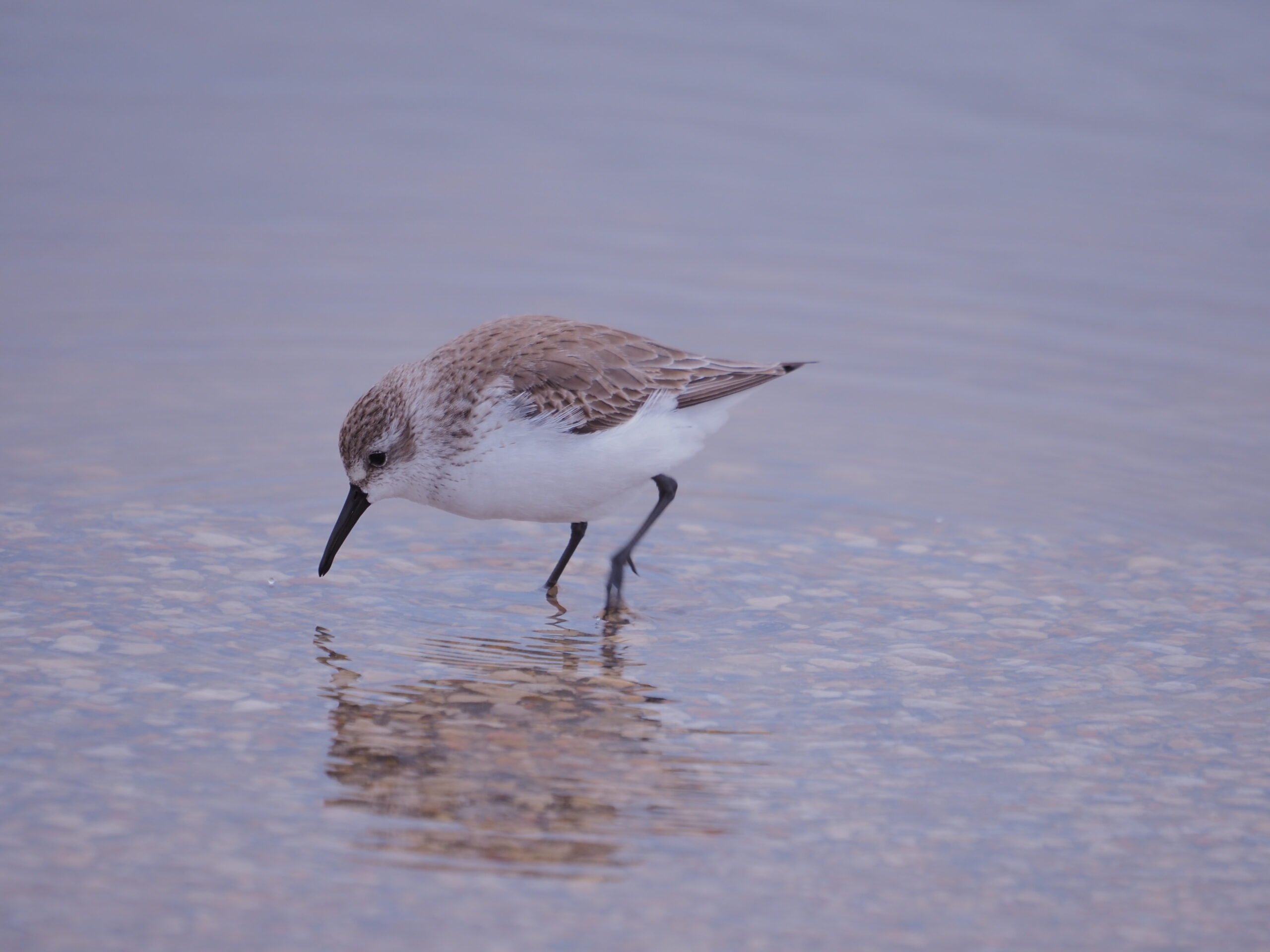
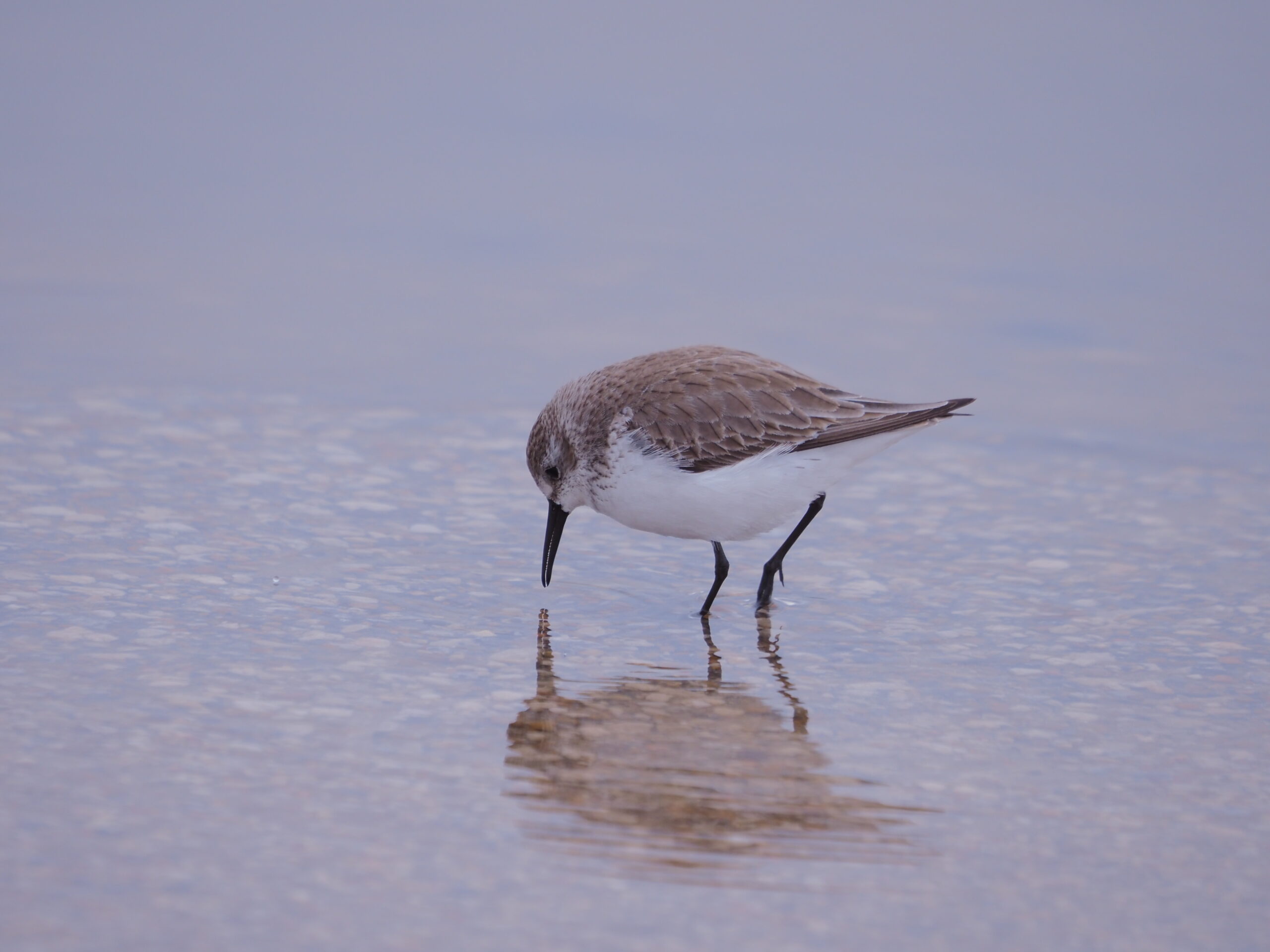
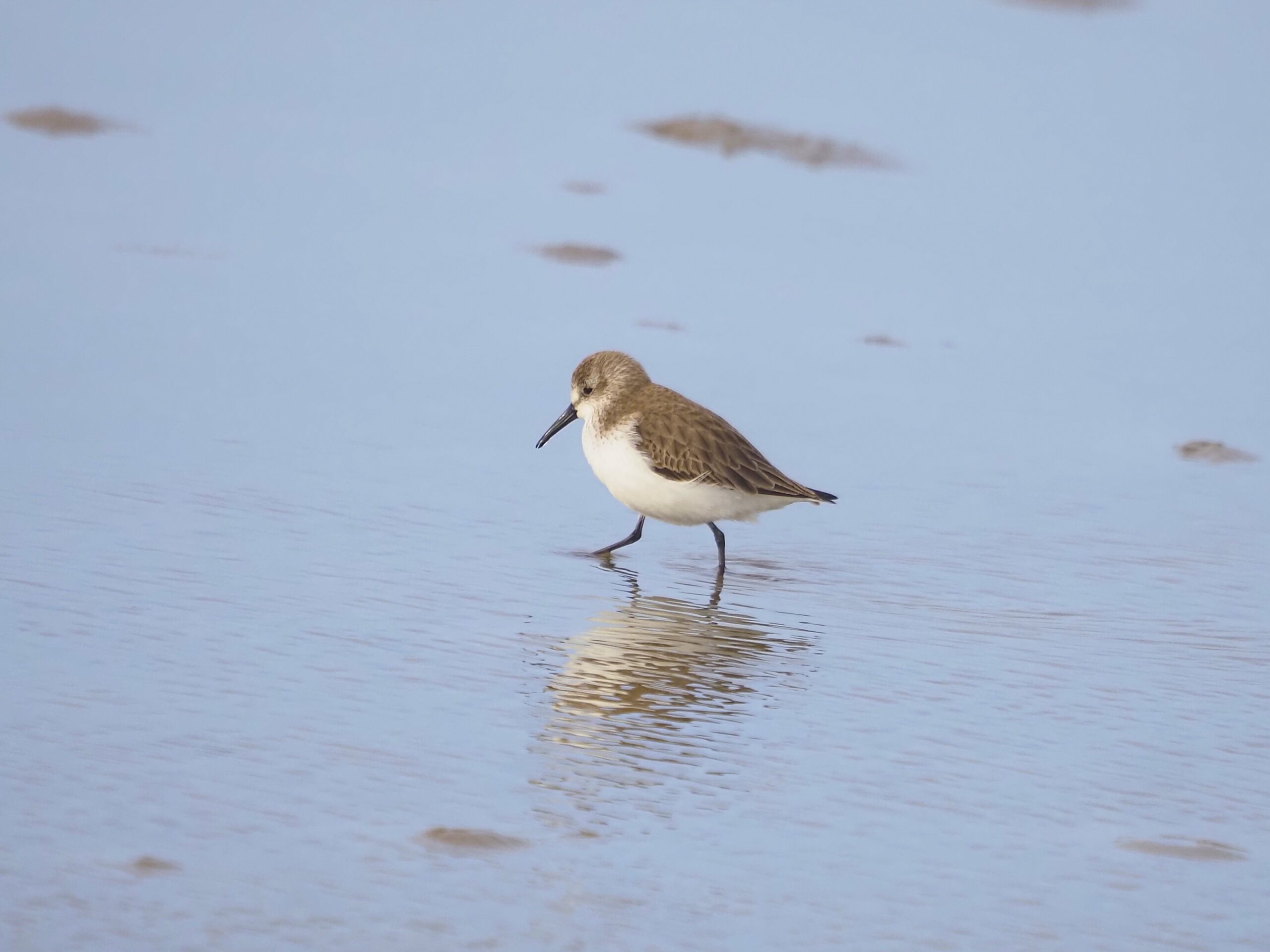
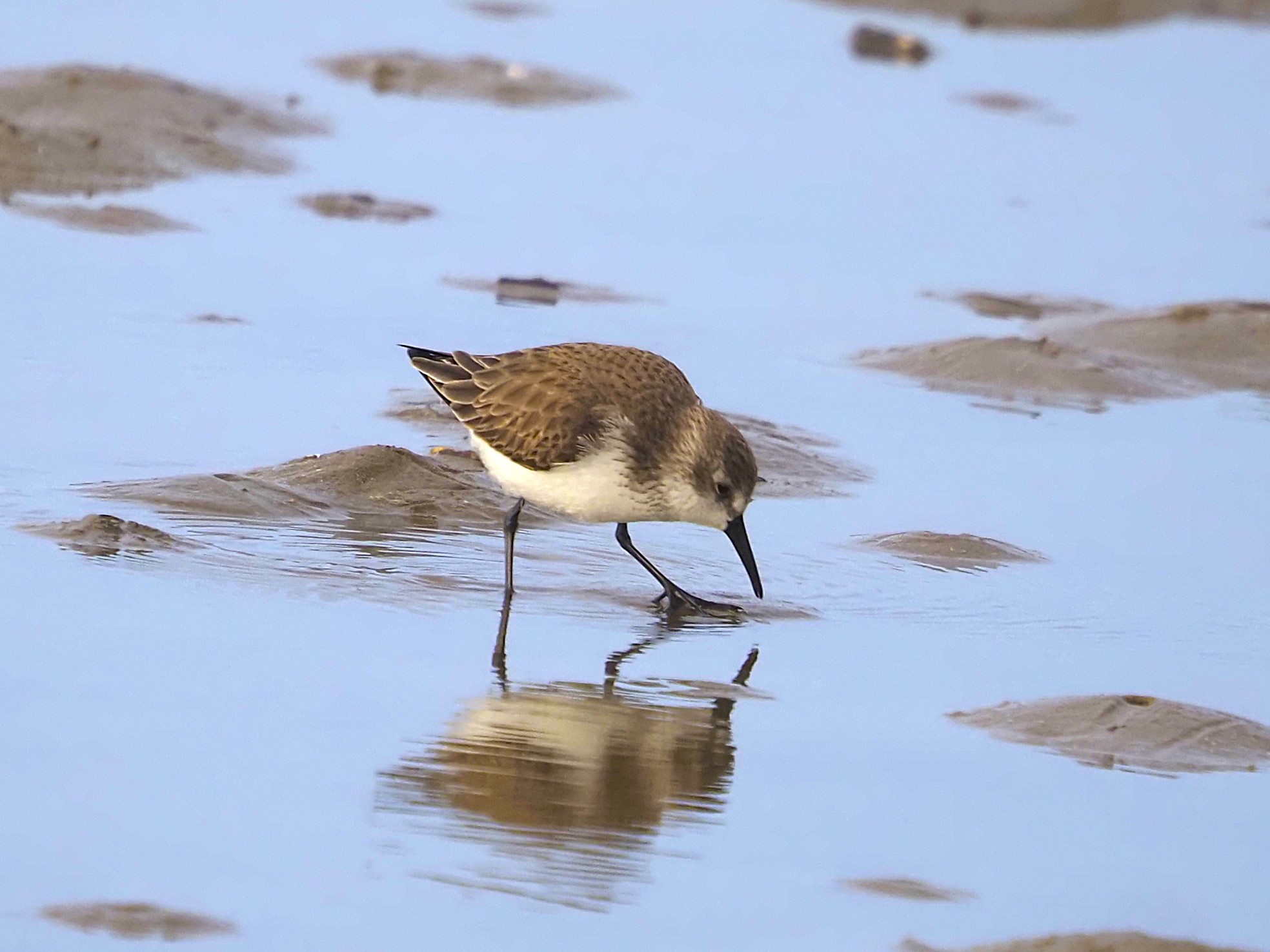
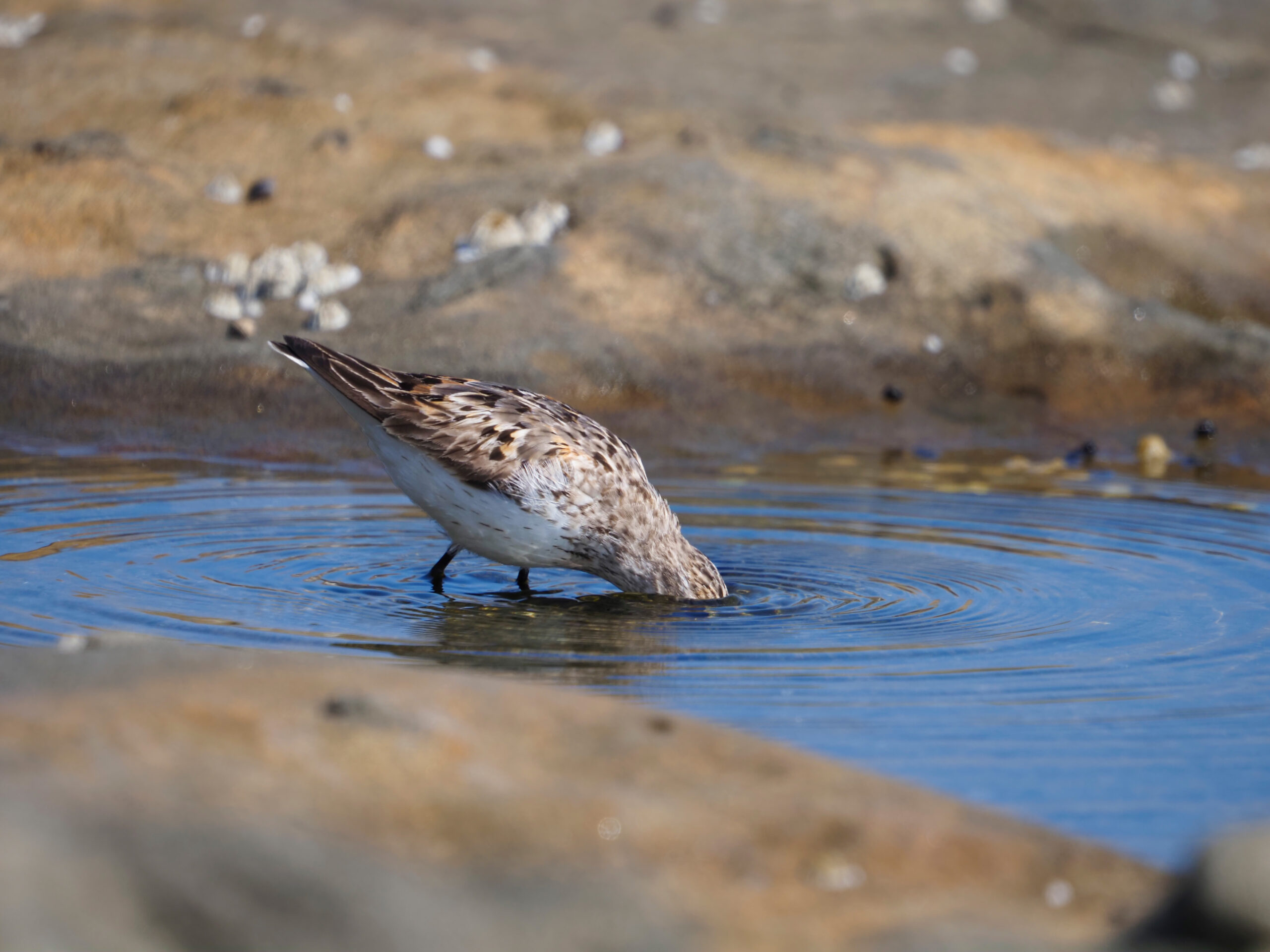
What used to be called “winter plumage” or “non-breeding plumage” is now more accurately called “basic plumage”. Here is the Western Sandpiper in basic plumage. For most shorebirds basic plumage is a drab plumage of grays and browns. The Western usually appears more gray in this plumage, whereas the Least is usually browner. These photos were taken in December and January.
Western Sandpiper (molting into alternate)
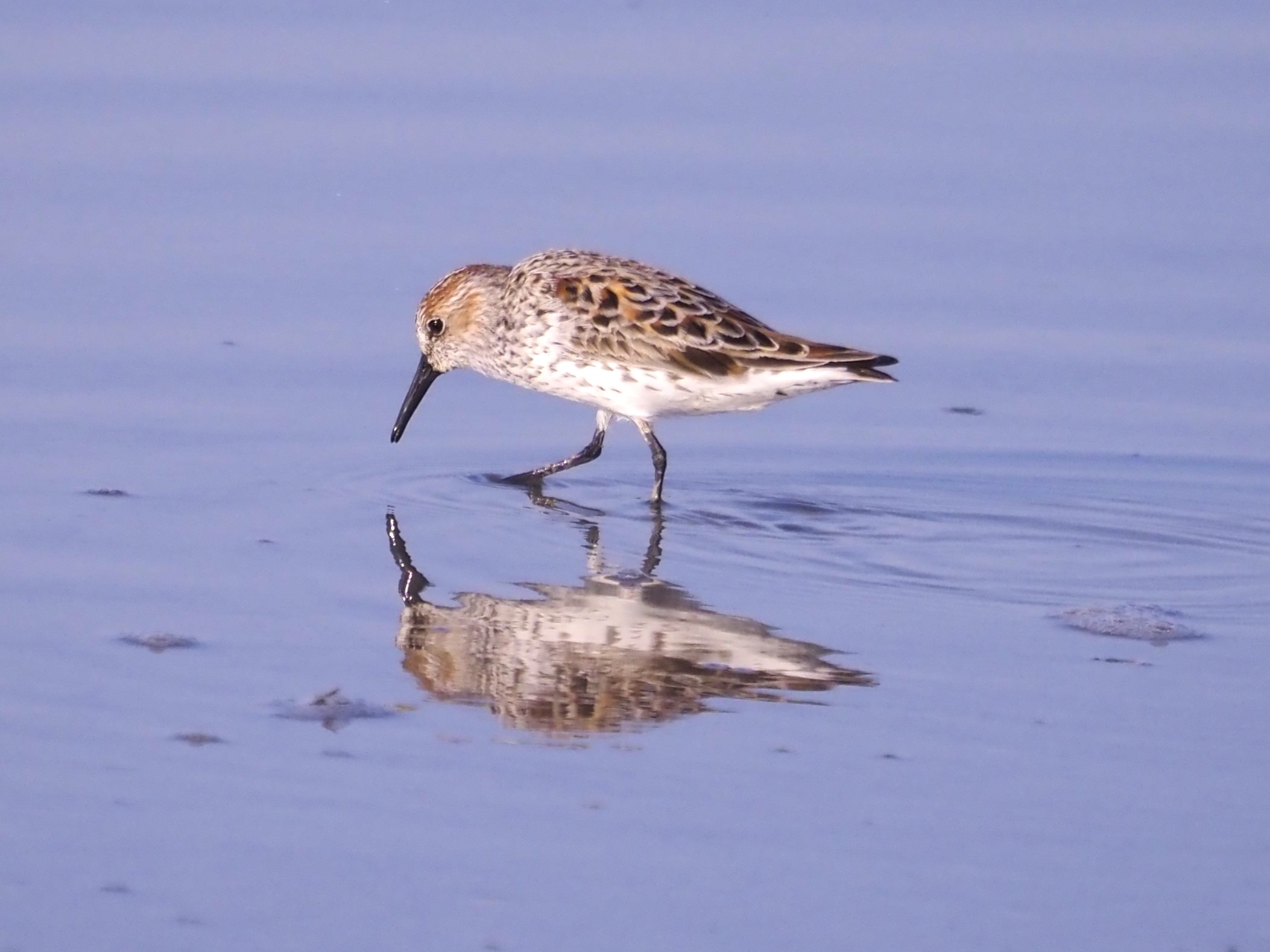
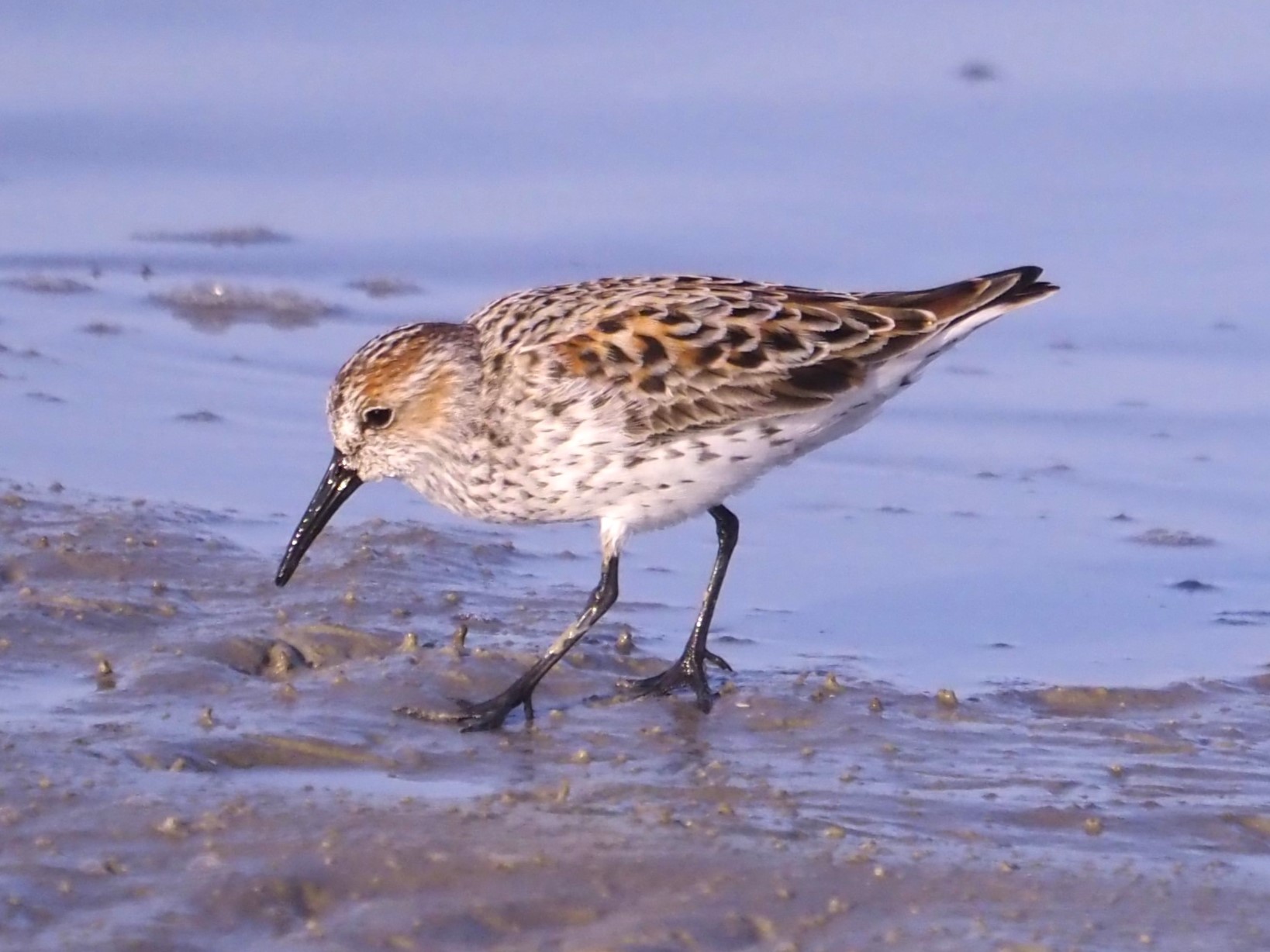
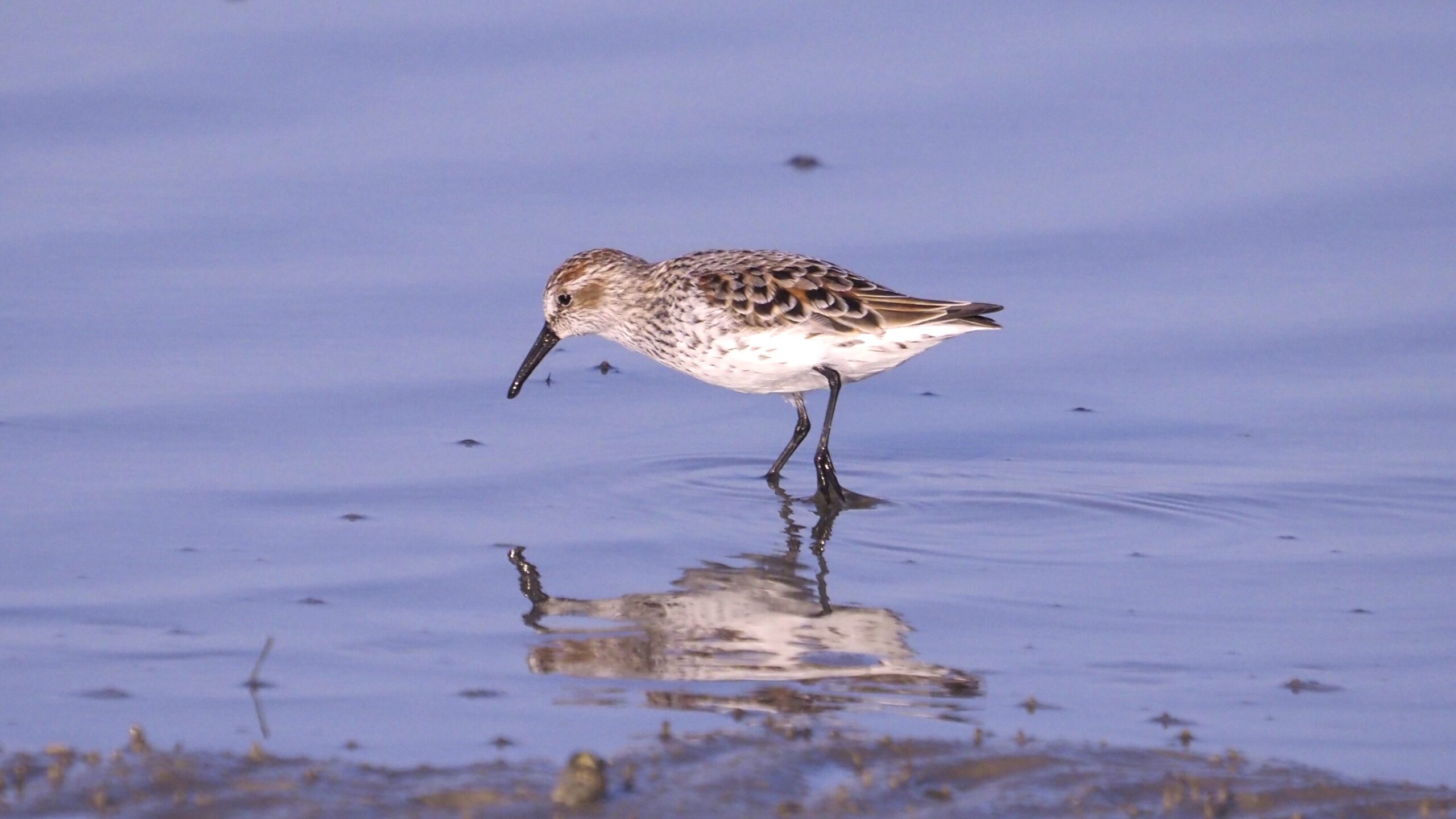
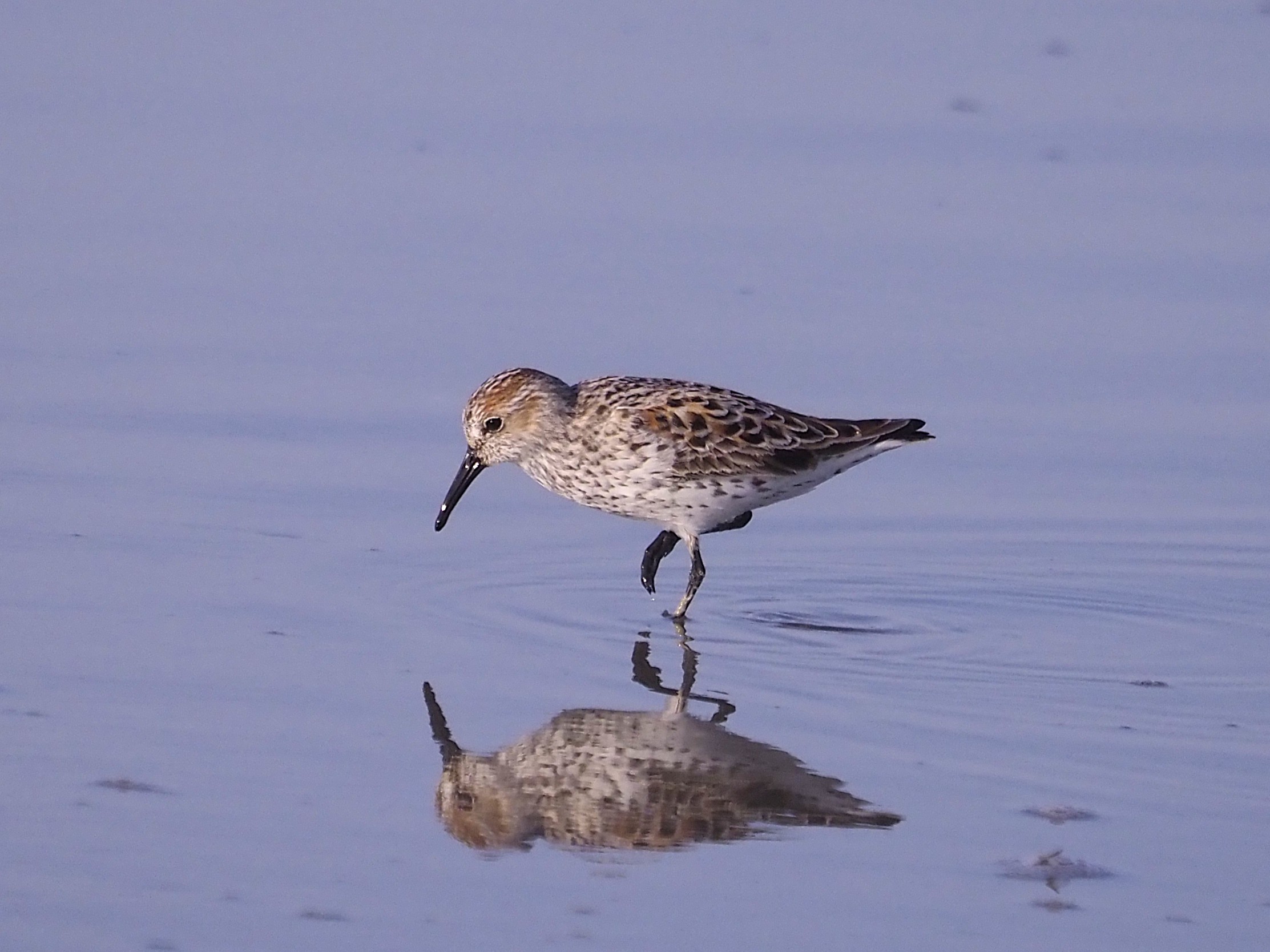
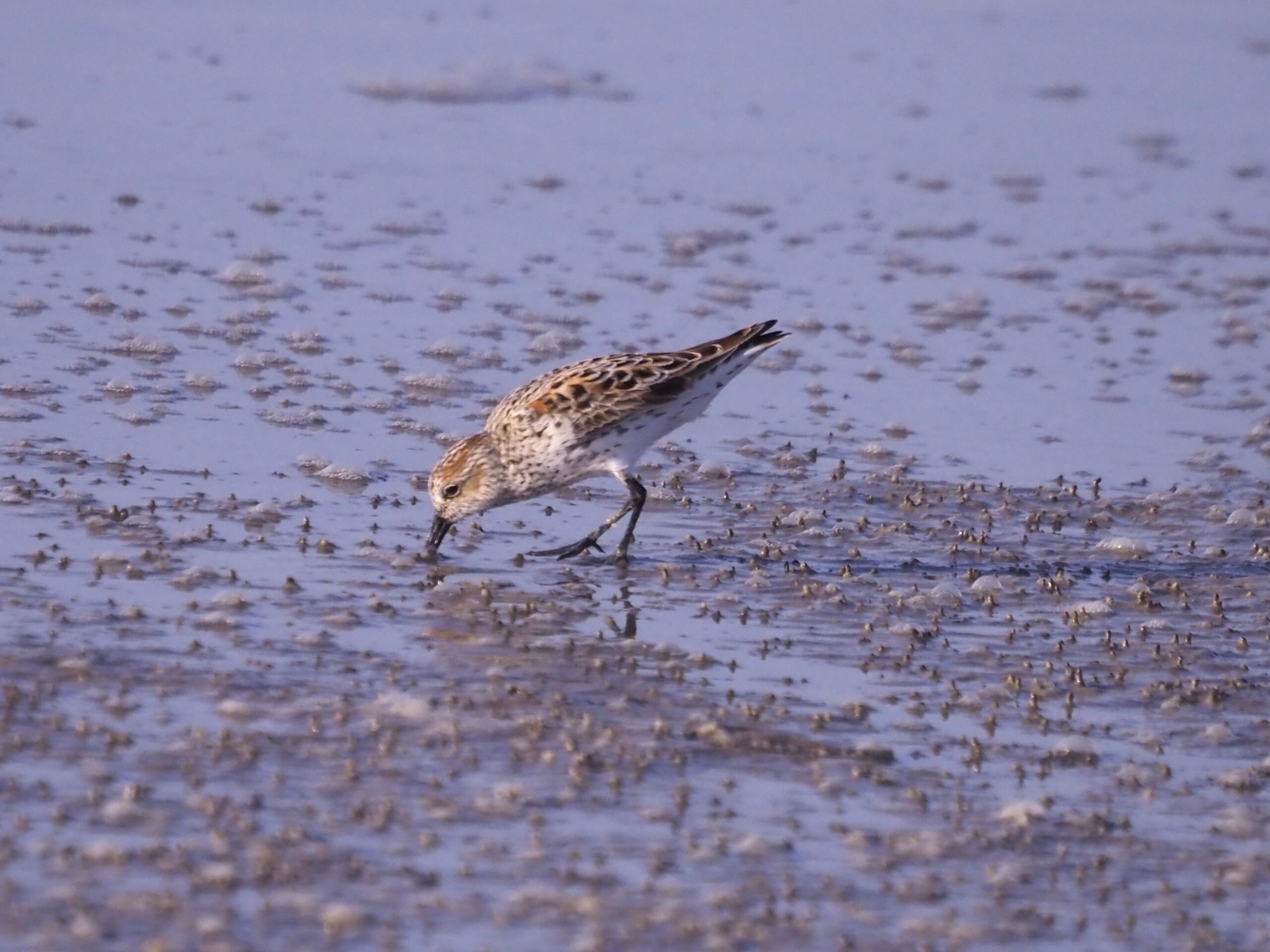
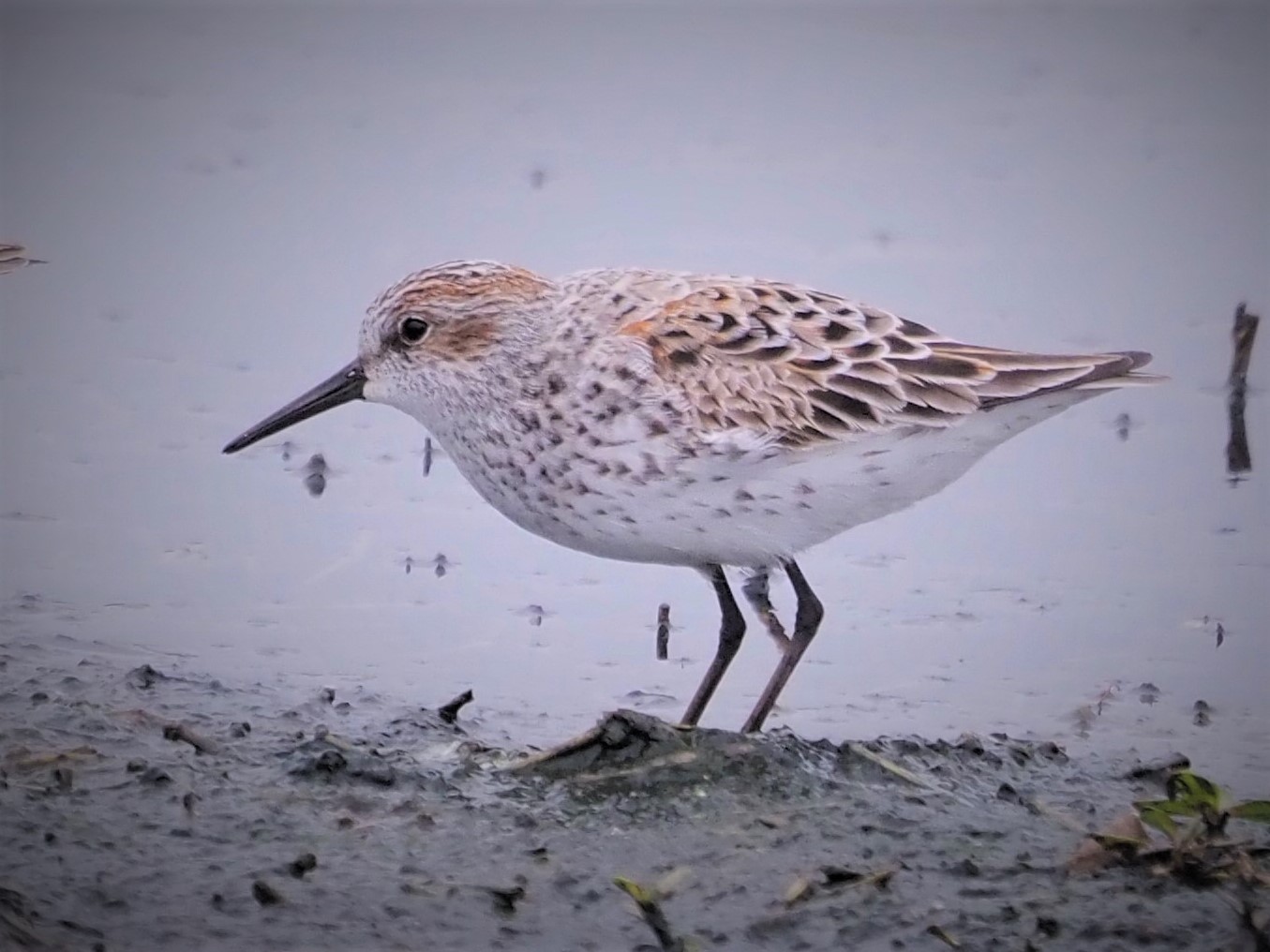
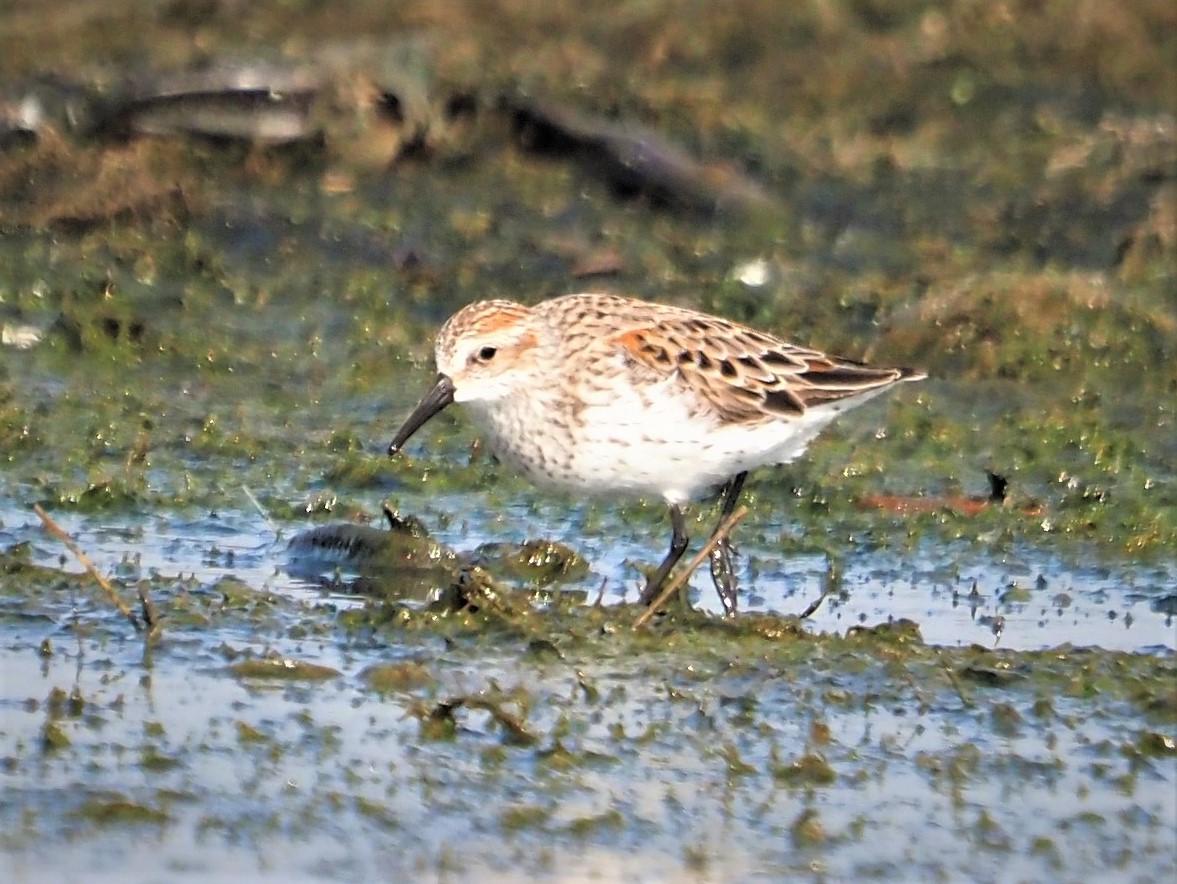
The photos below show the Western Sandpiper in early Spring (late March). The colorful feathers of alternate plumage have mostly come in, a few old feathers of basic plumage are still falling out. Note the triangle shapes on the breast and flanks — Least and Semipalmated do not exhibit these marks (for the most part), while Western can have many in alternate plumage.
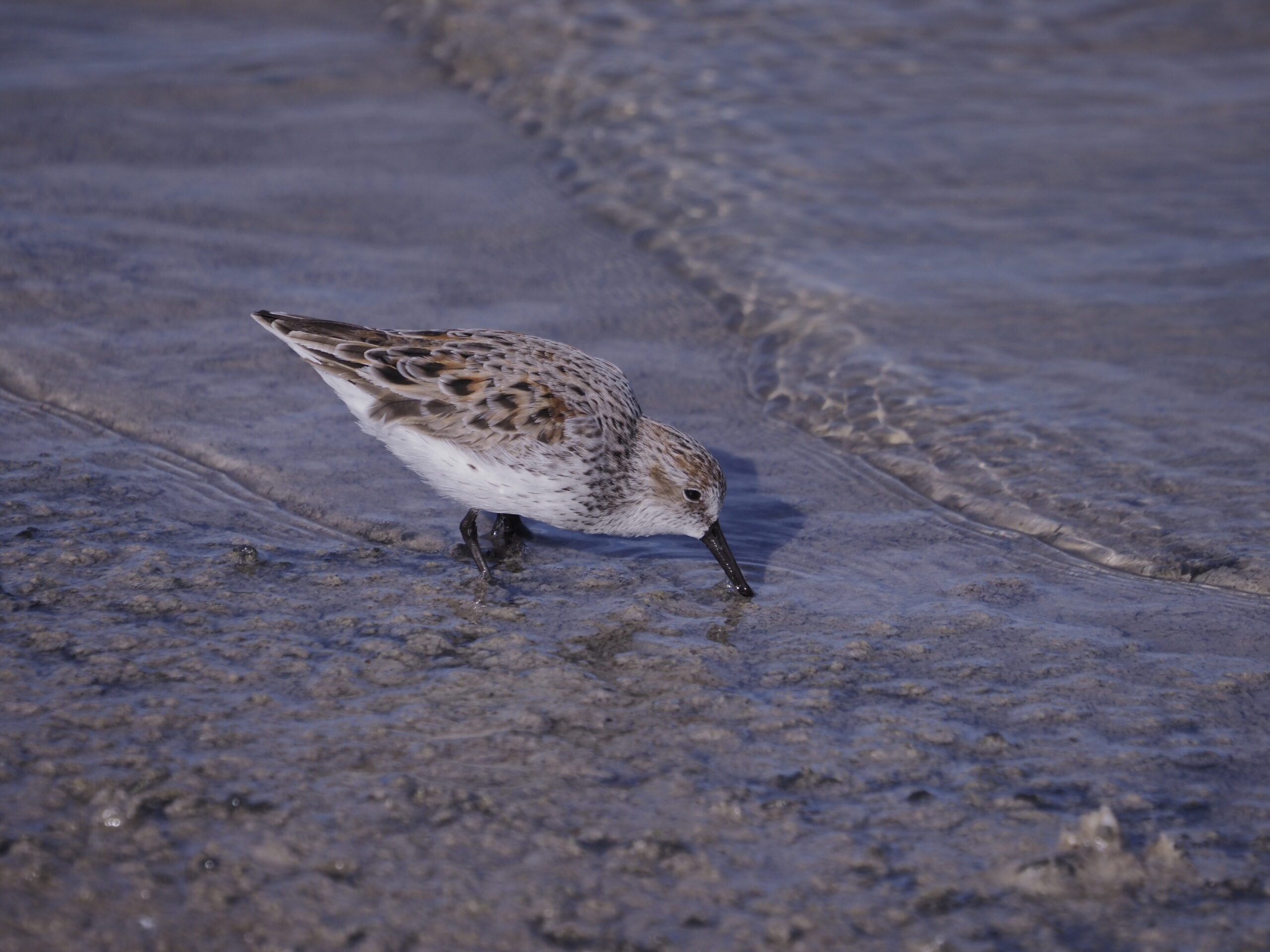
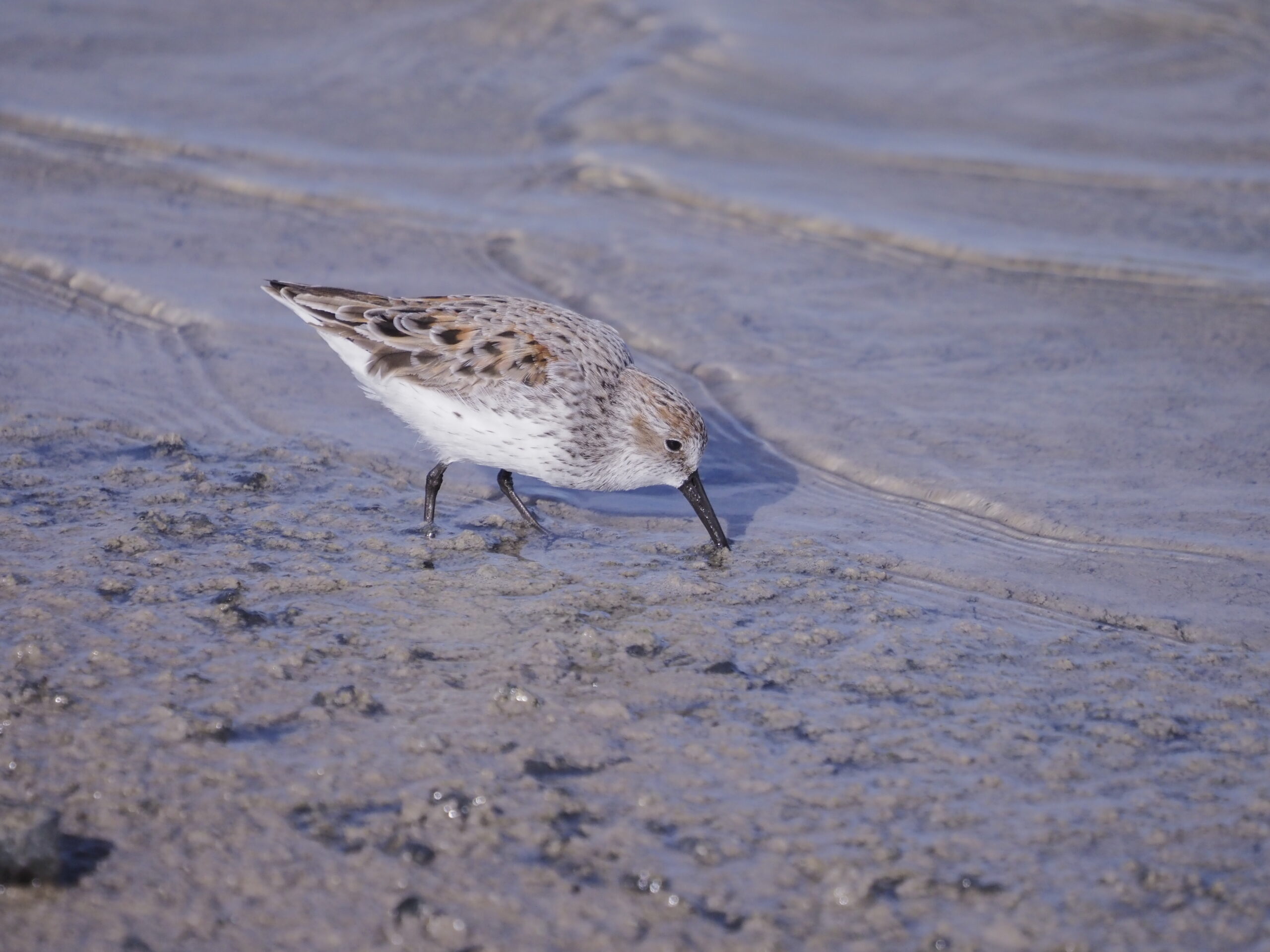
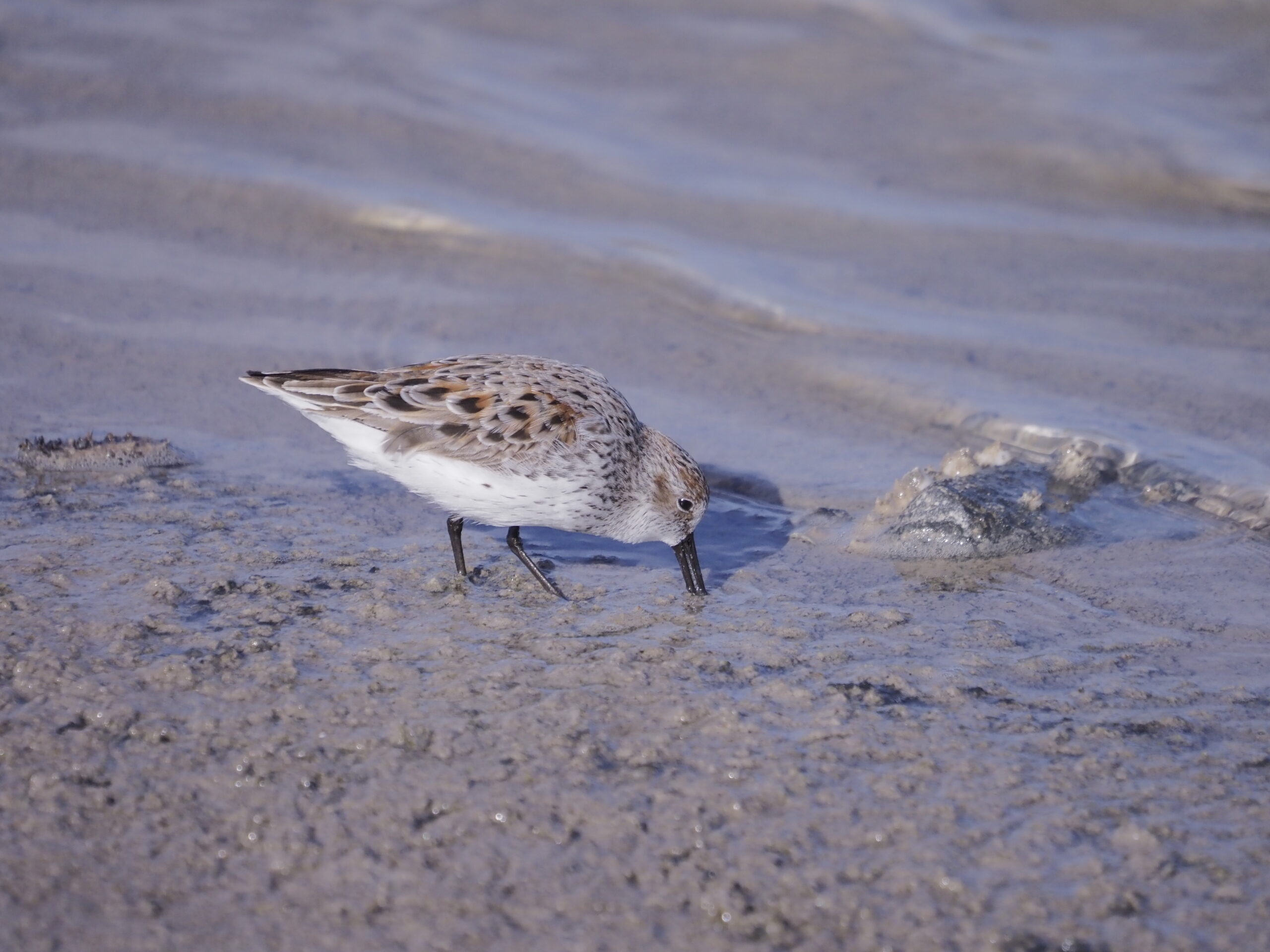
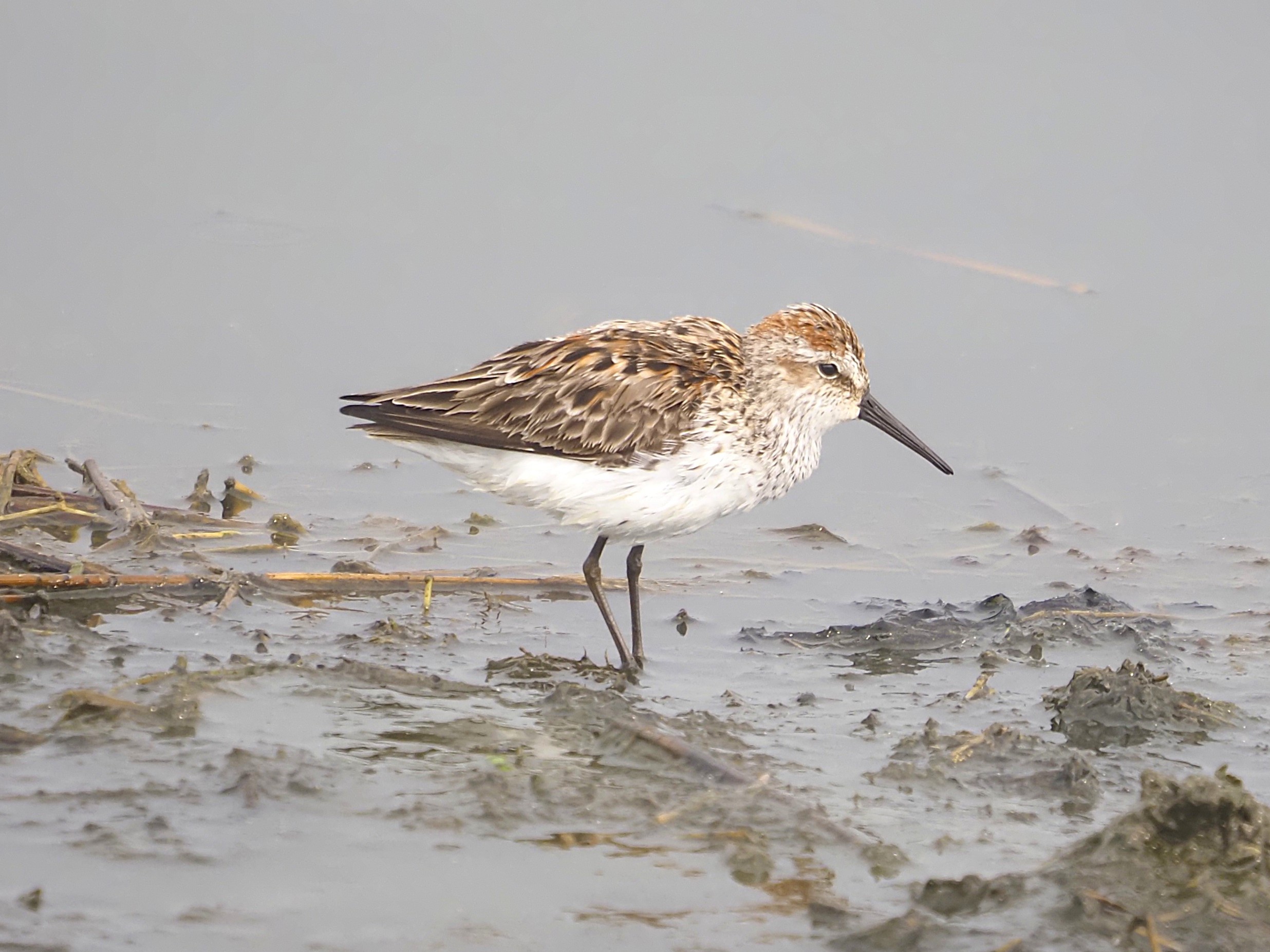
Western Sandpiper (alternate)
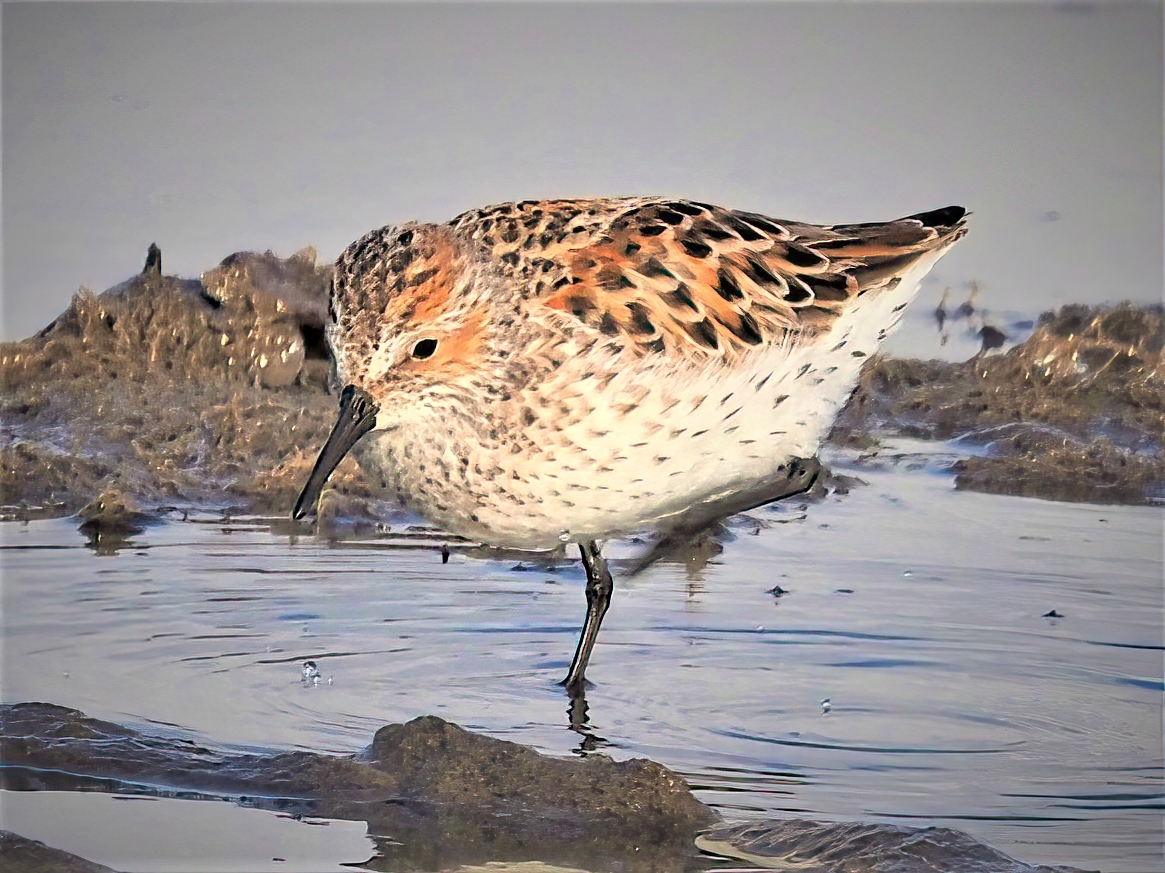
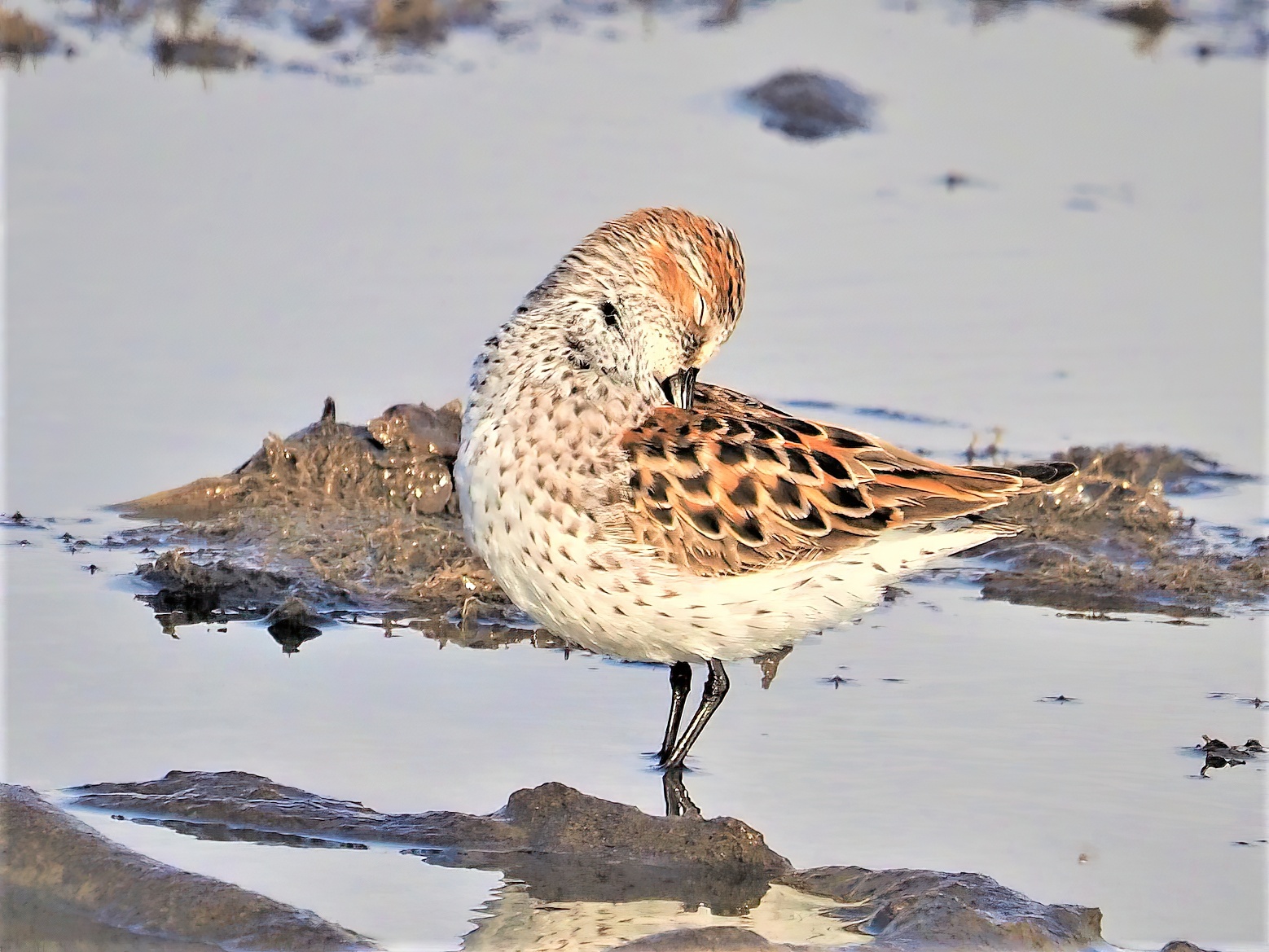
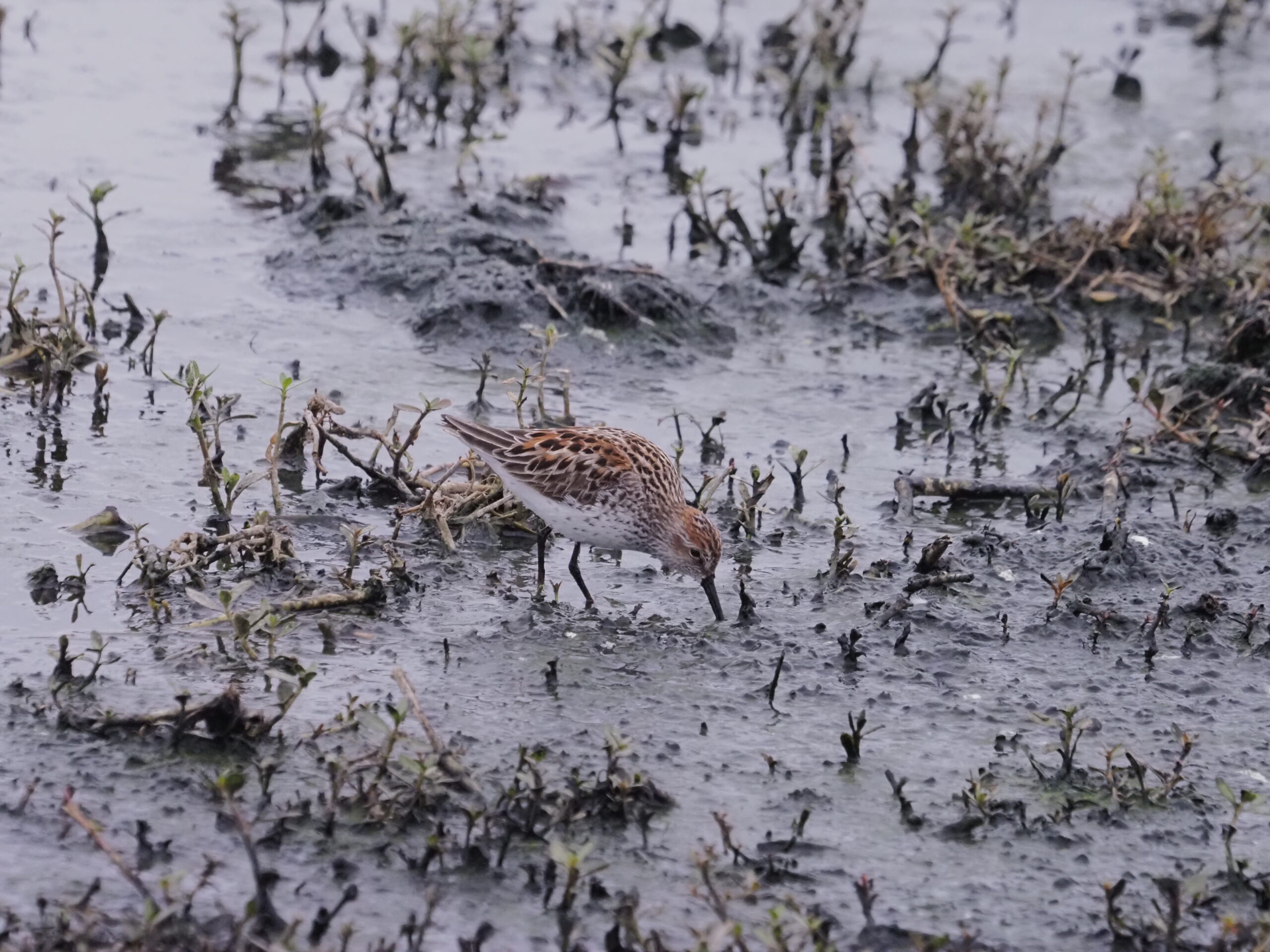
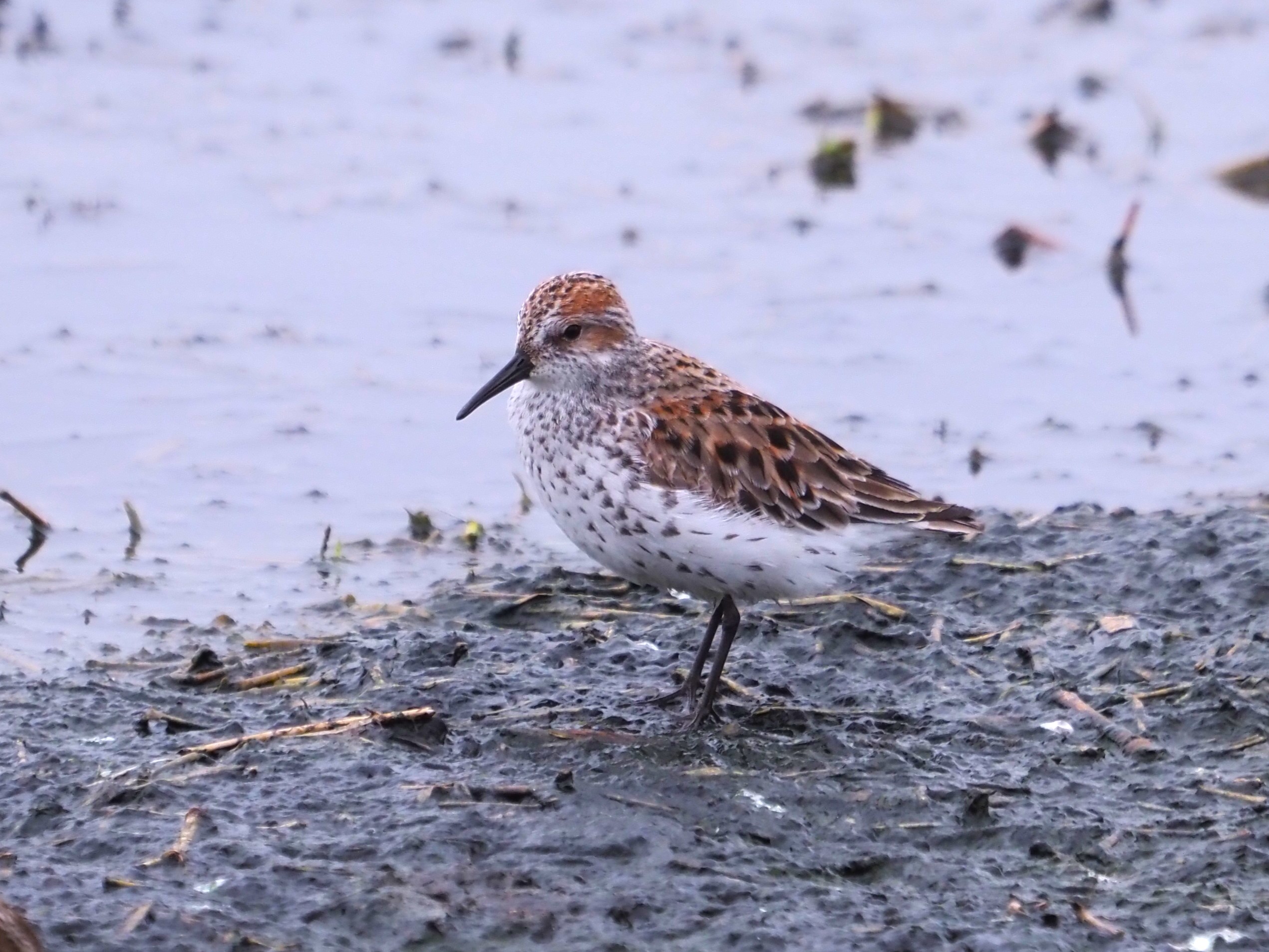
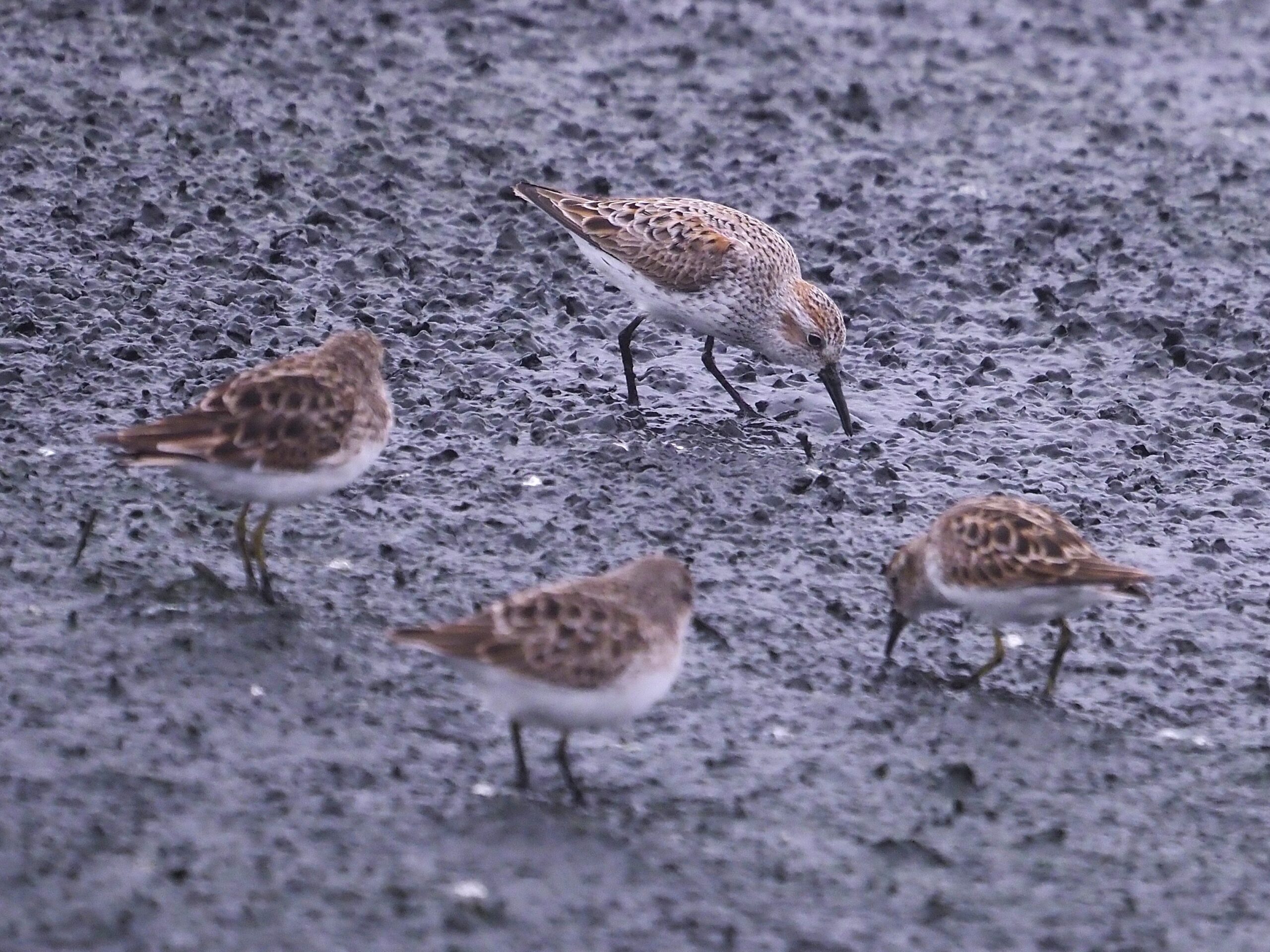
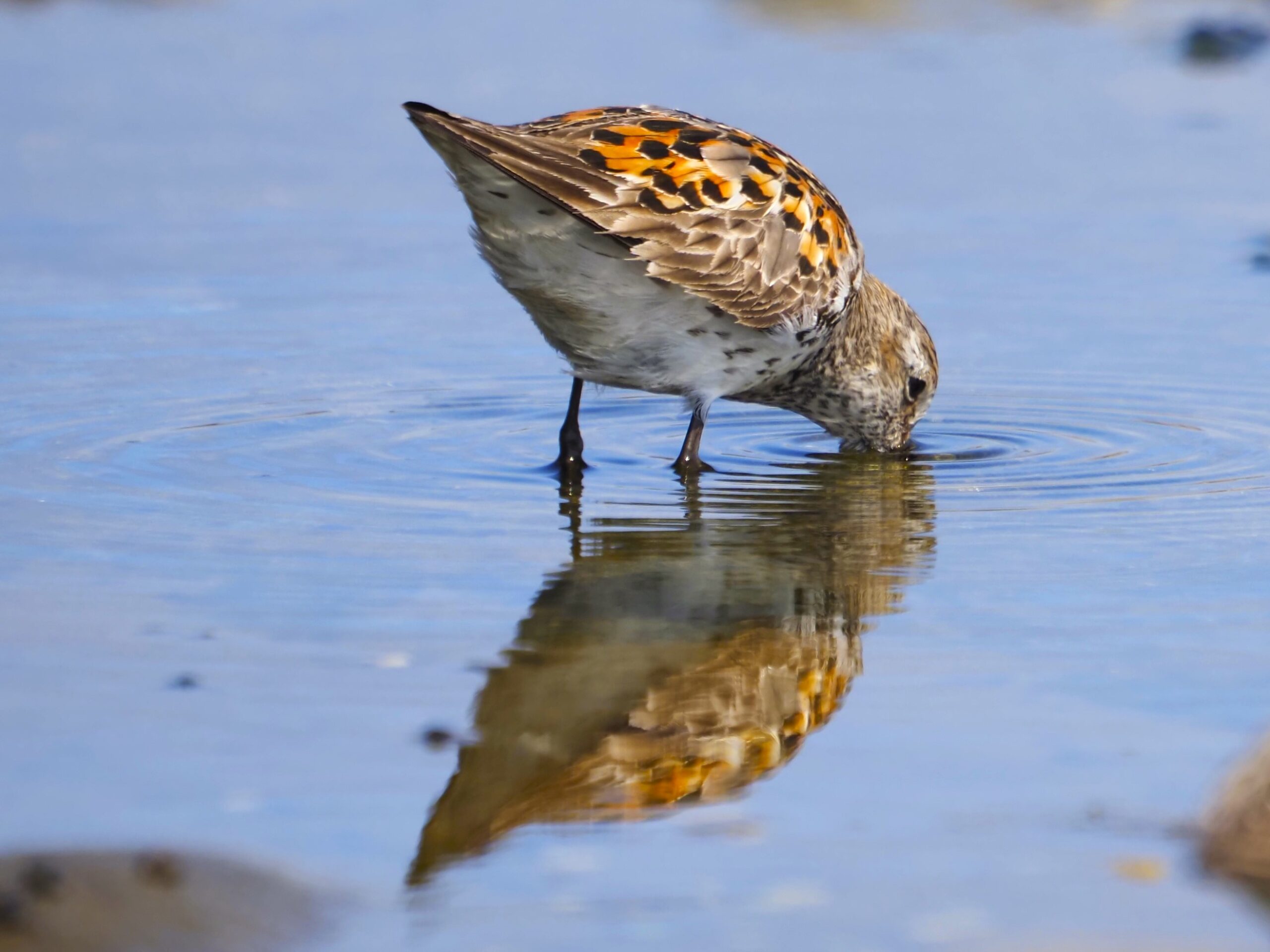
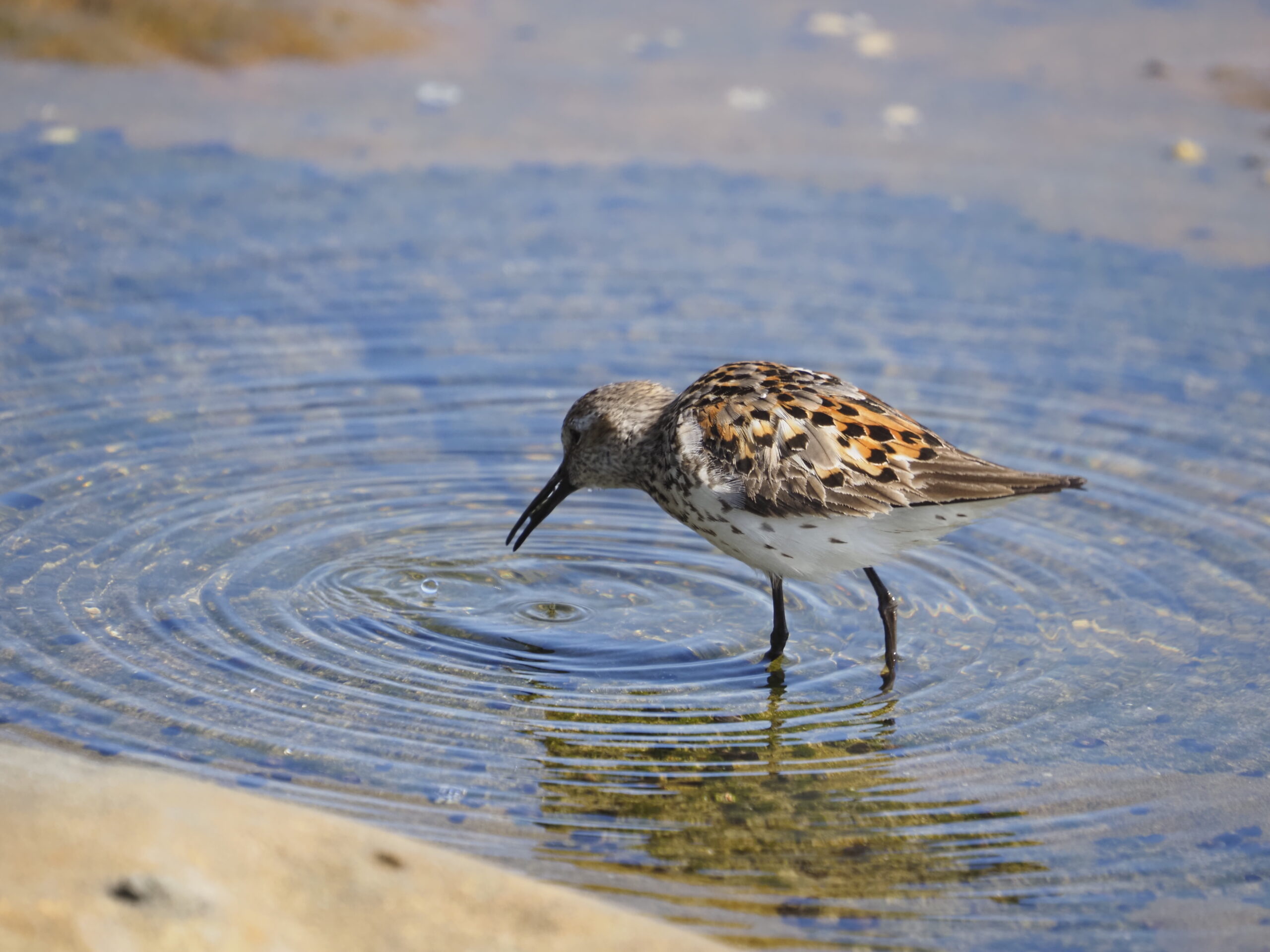
Taken in mid to late April, these photos show the Western Sandpiper in fresh alternate plumage during the race north to the breeding grounds. This is when the most colorful peep is at its most colorful with russet colors in the scapulars, auriculars (ear coverts), cap, supercilium (above the eye), and mantle. Also note the numerous triangular or chevron shapes on the flank and breast. Structural features, such as the length and droopiness of the bill and the blocky head do not change.
Western Sandpiper (worn alternate & molt into basic)
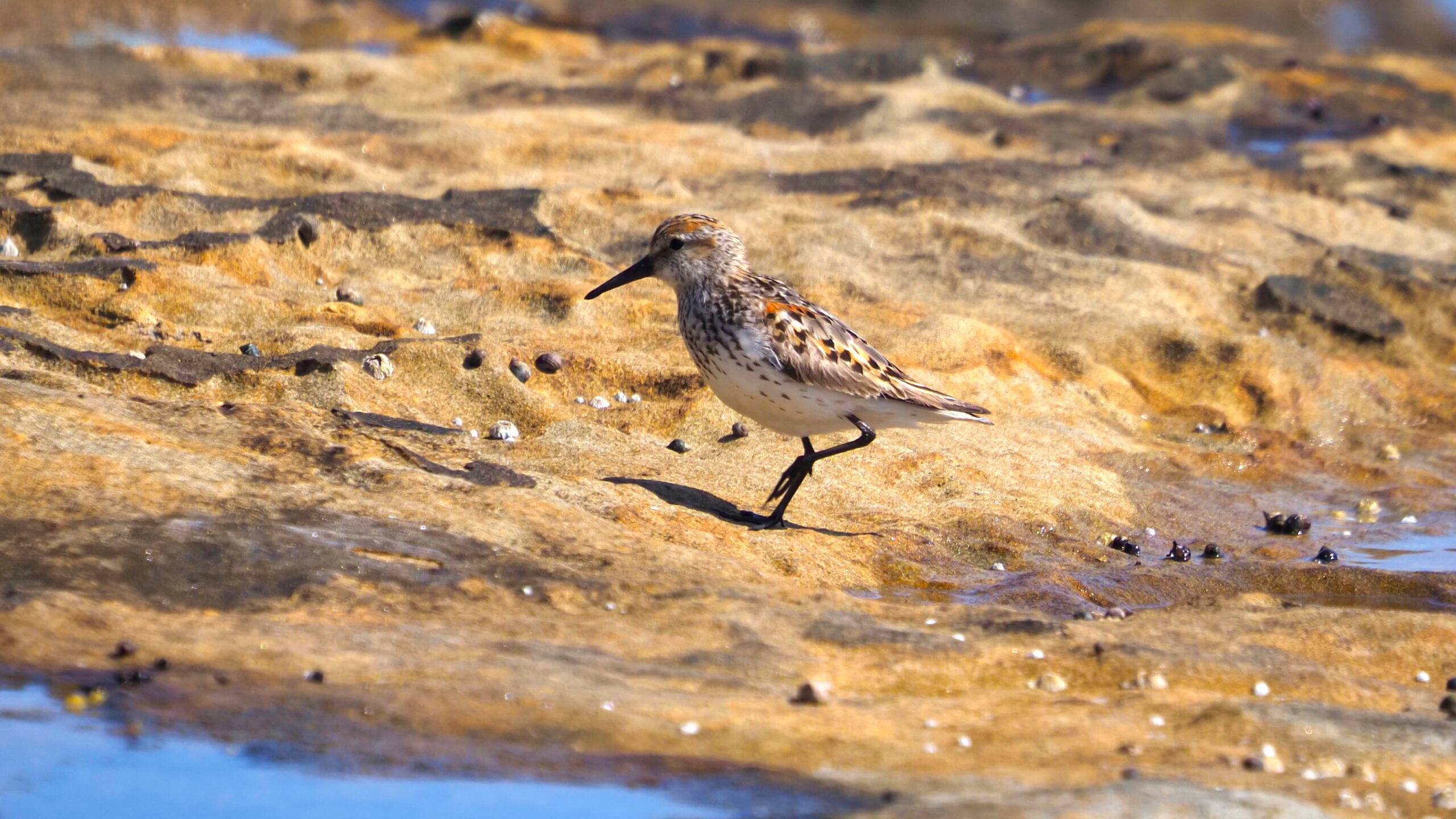
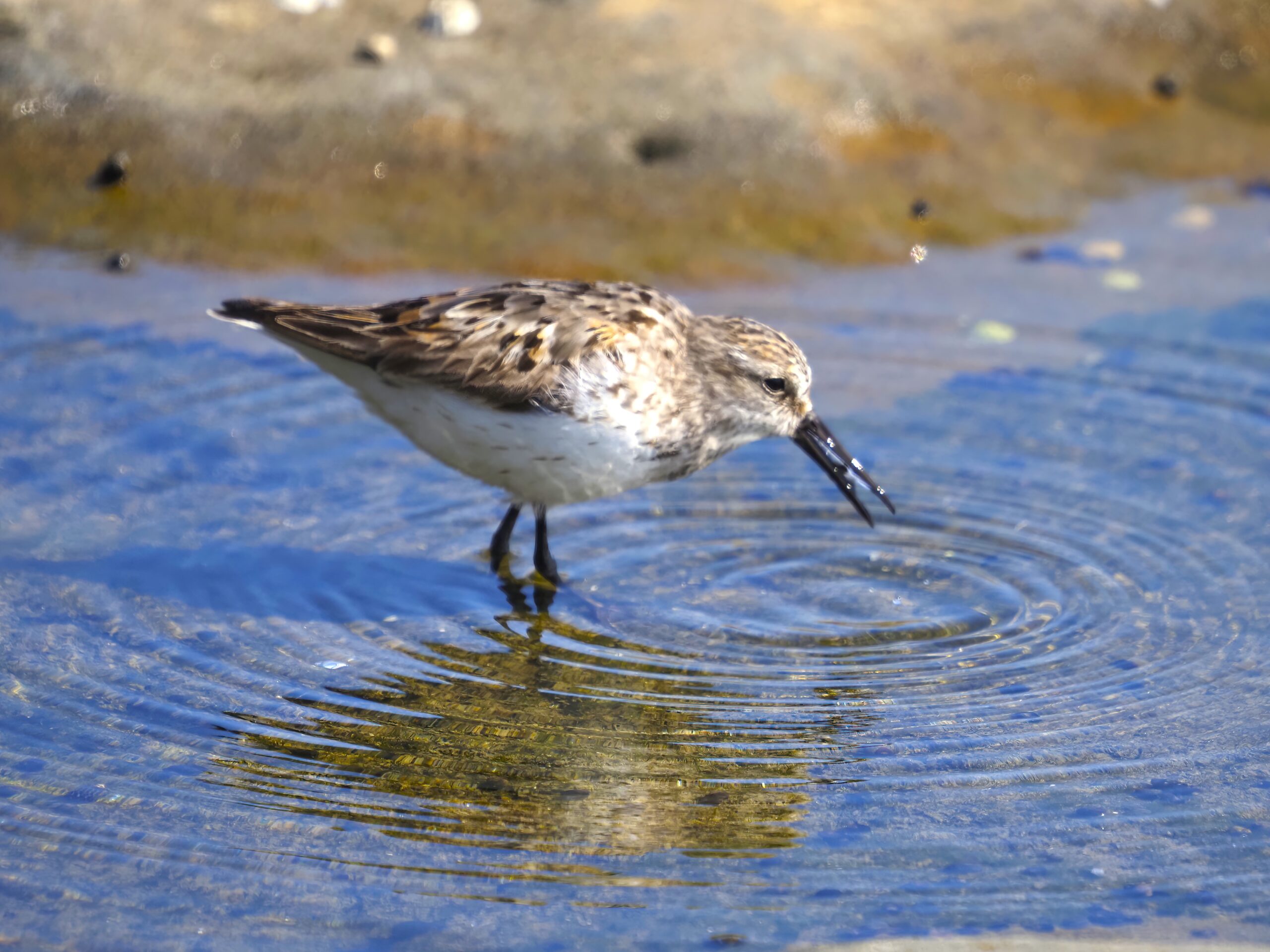
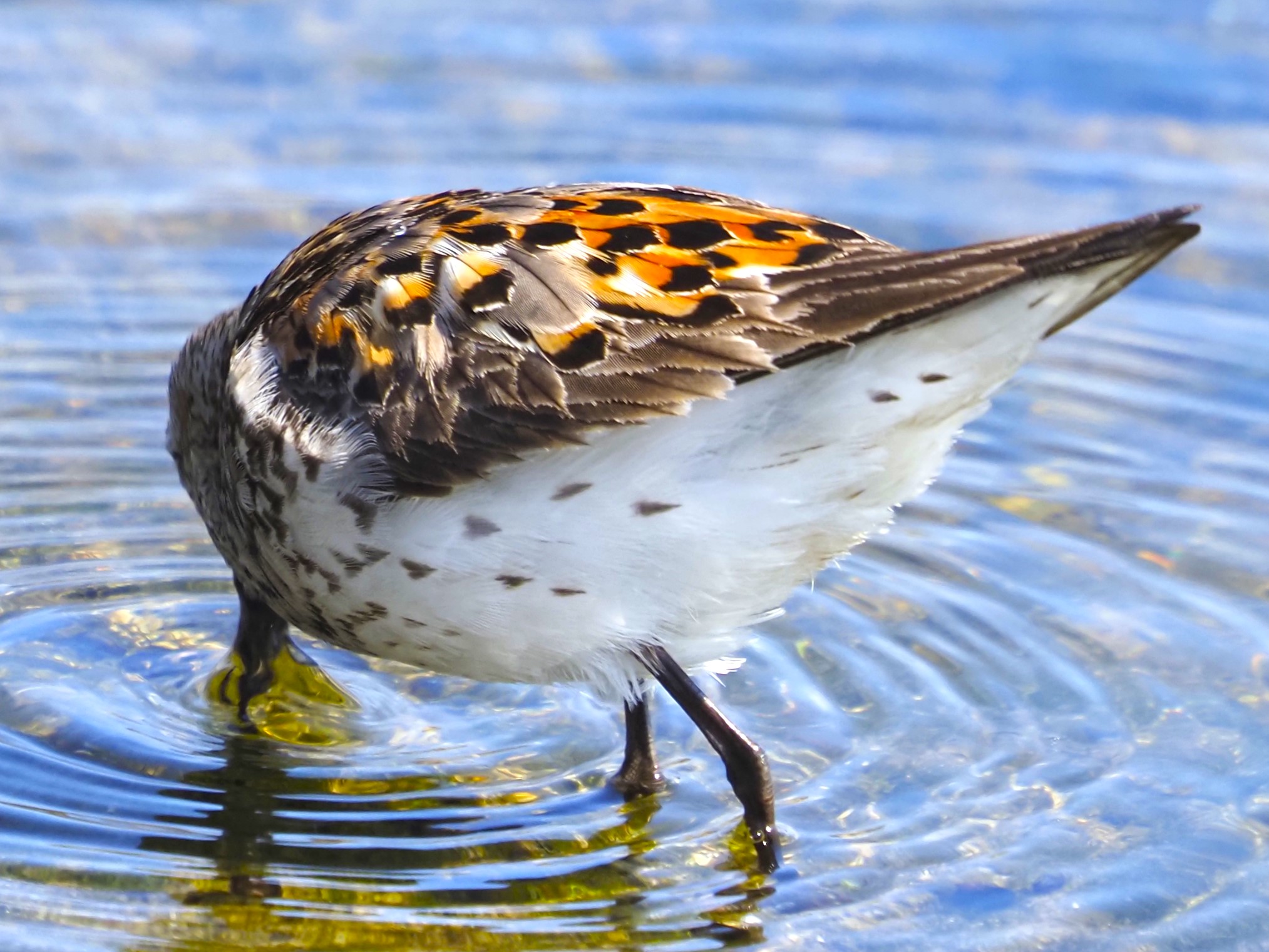
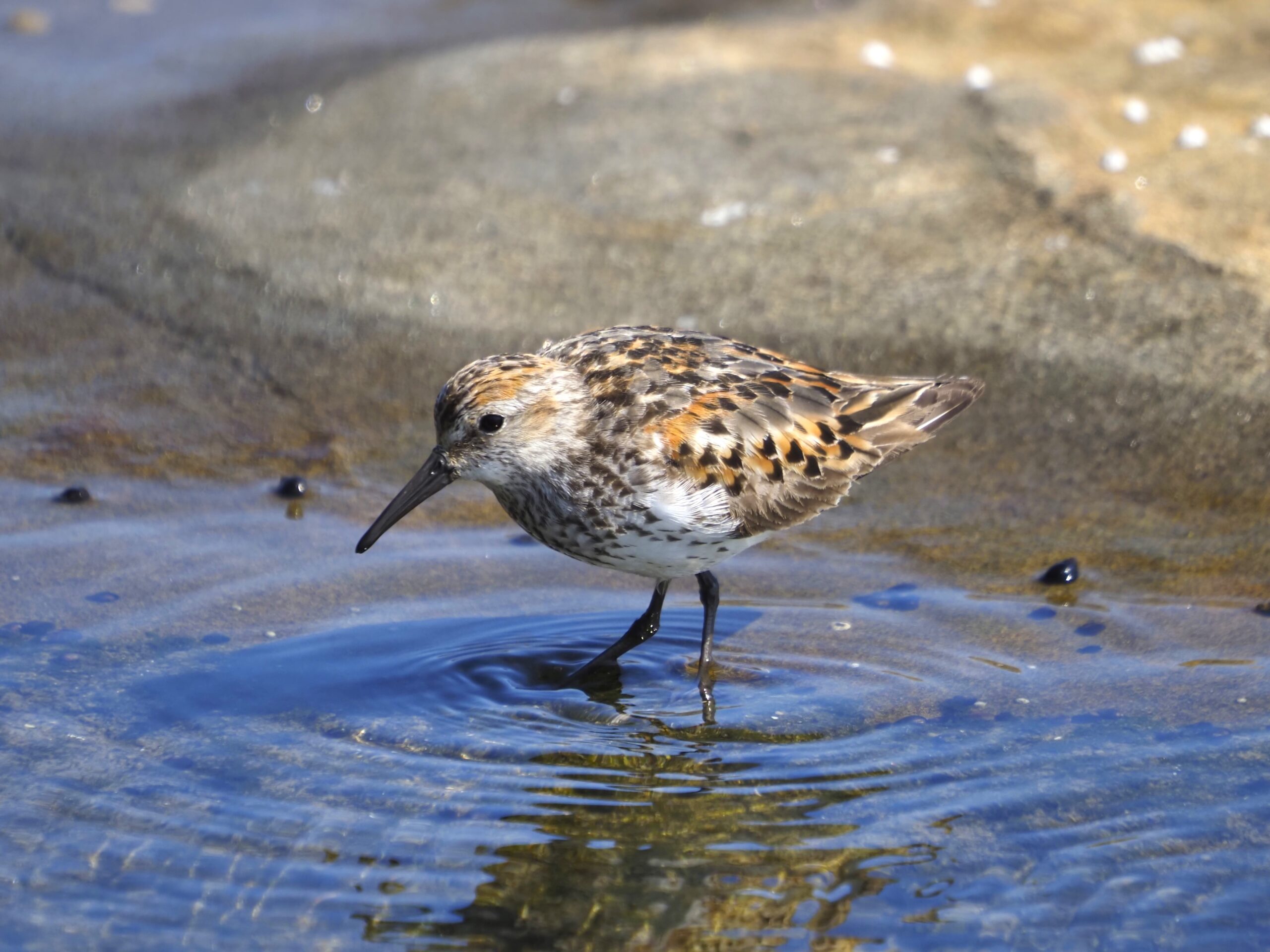
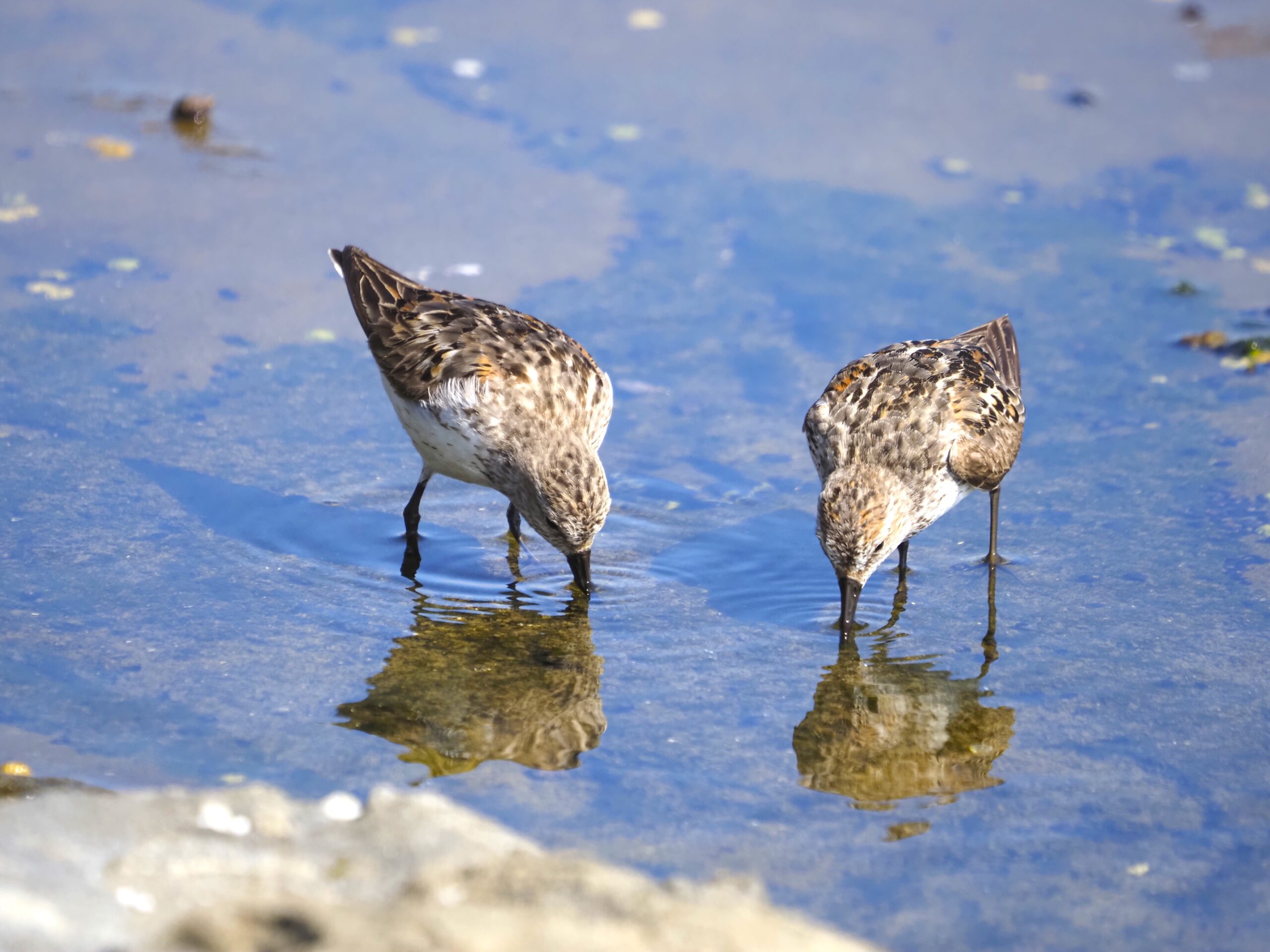
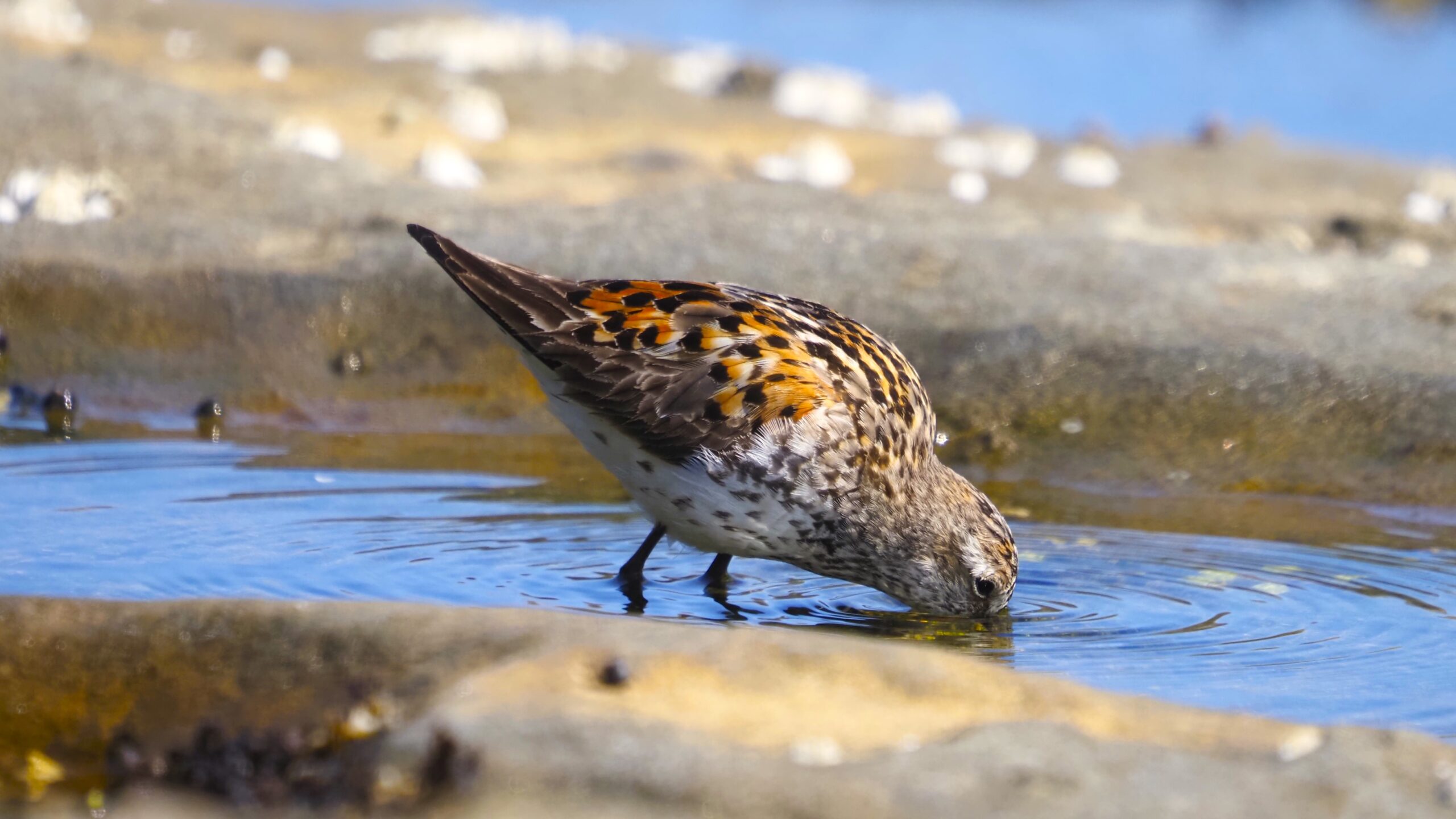
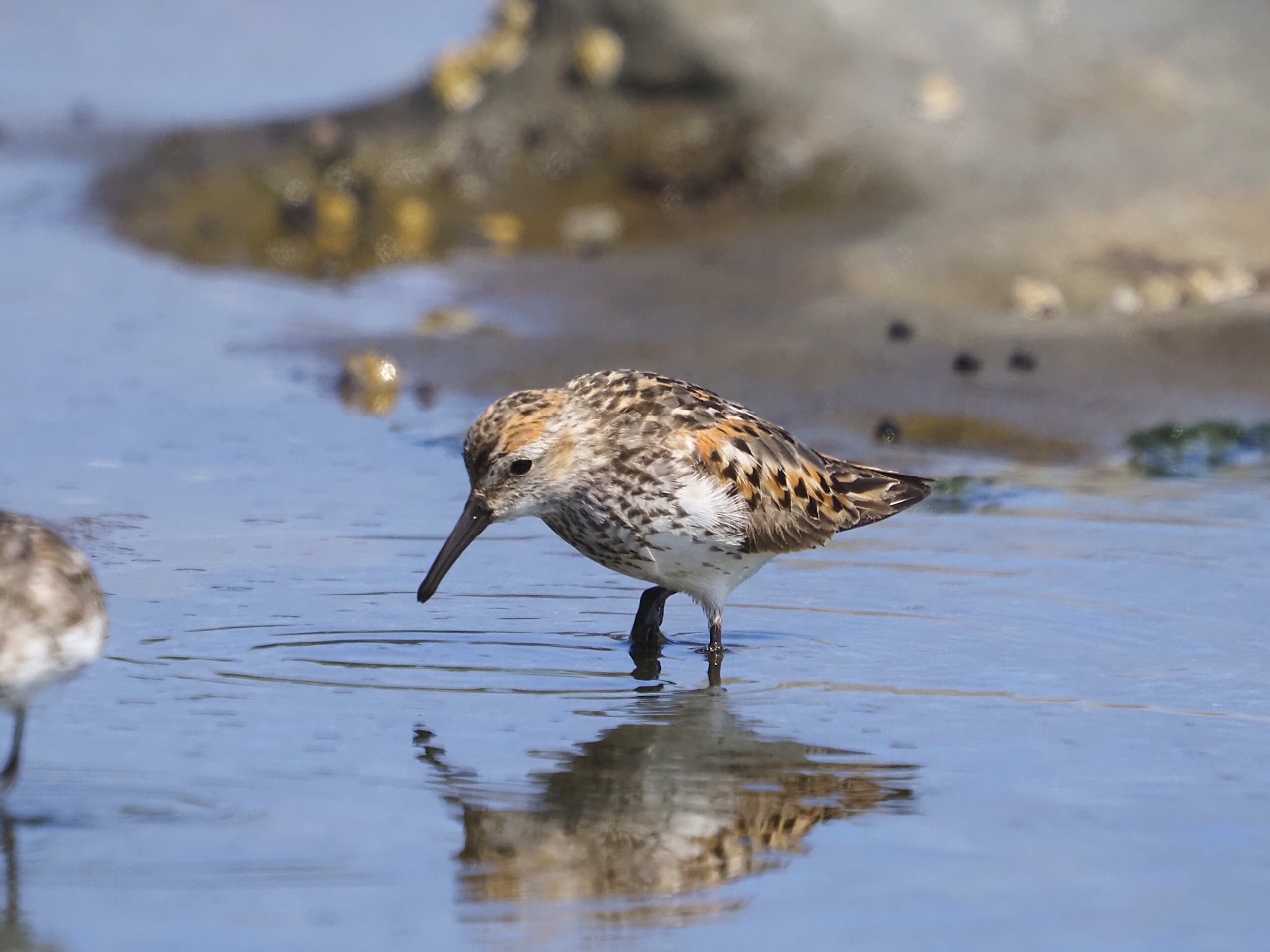
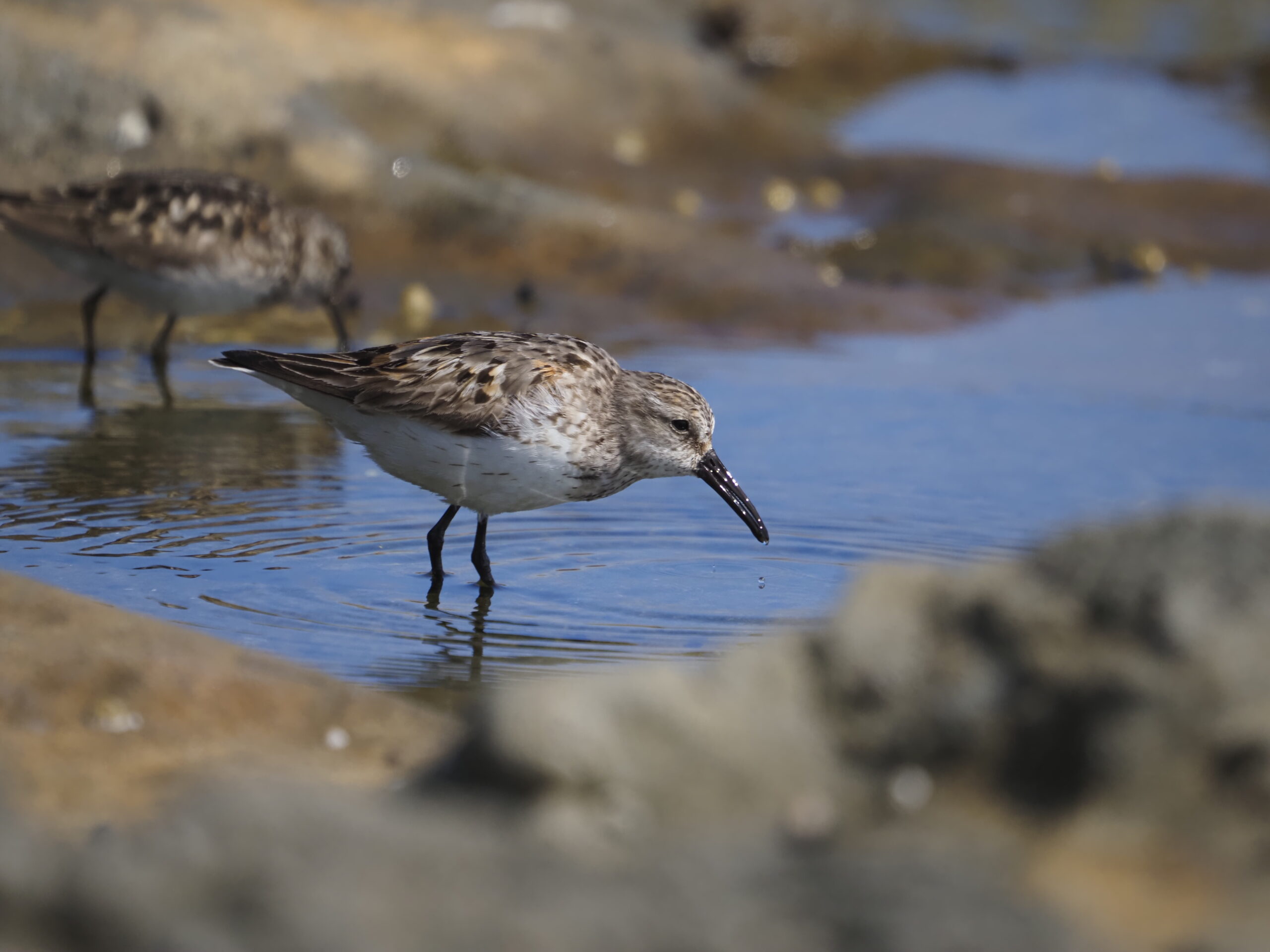
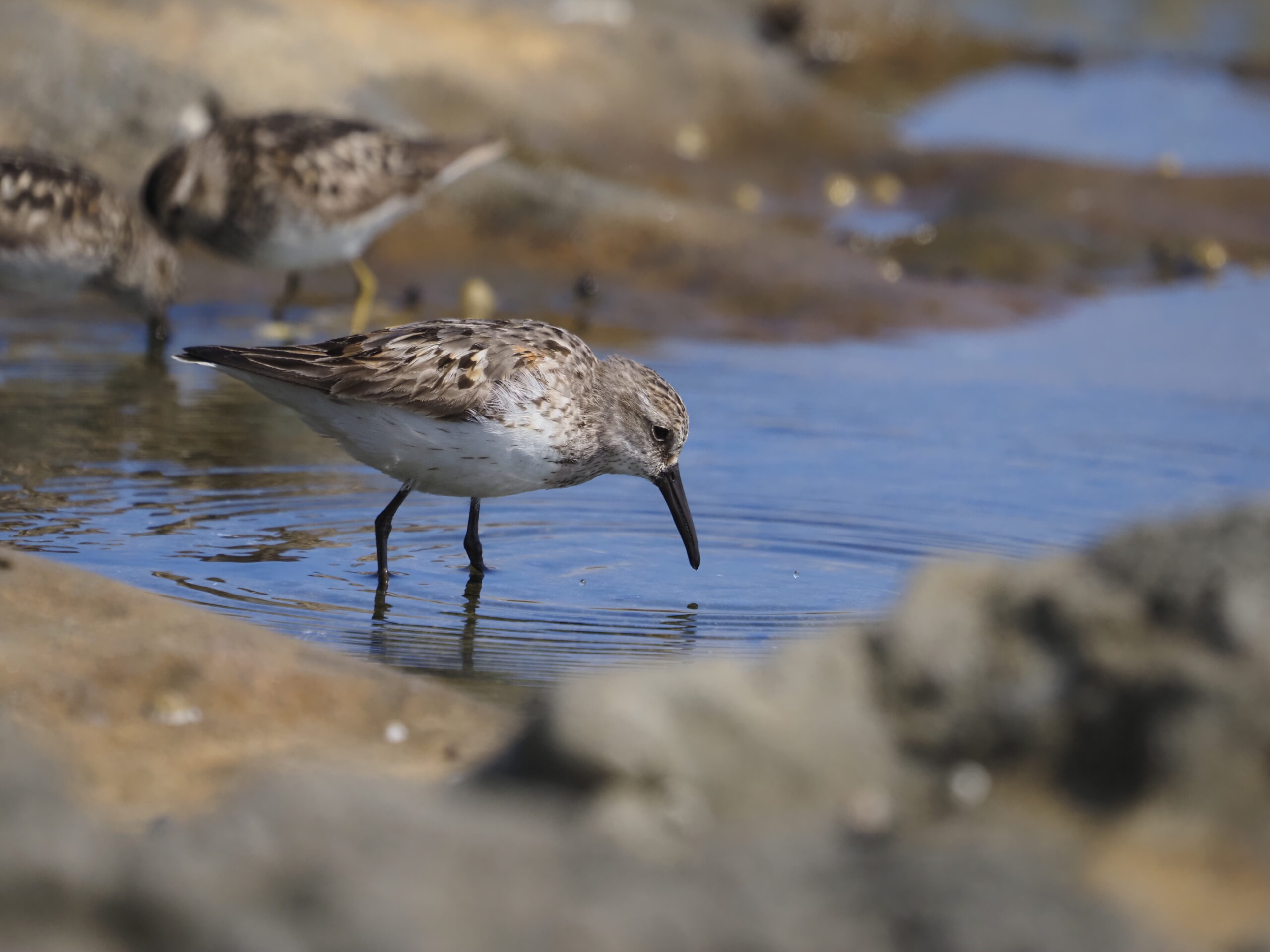
The following photographs show the Western Sandpiper in July in Washington (state). At this point the colorful aspects of alternate plumage are still apparent — much more colorful in this plumage than Semipalmated Sandpiper — however, the lighter colors of April have mostly worn away and new gray feathers of basic plumage are beginning to show in the scapulars, mantle and coverts. Note the long drooping bill of Western as well as the lack of an eye-ring, the blocky head, and the overall structure as compared to Least and Semipalmated.
Western Sandpiper (juvenile)
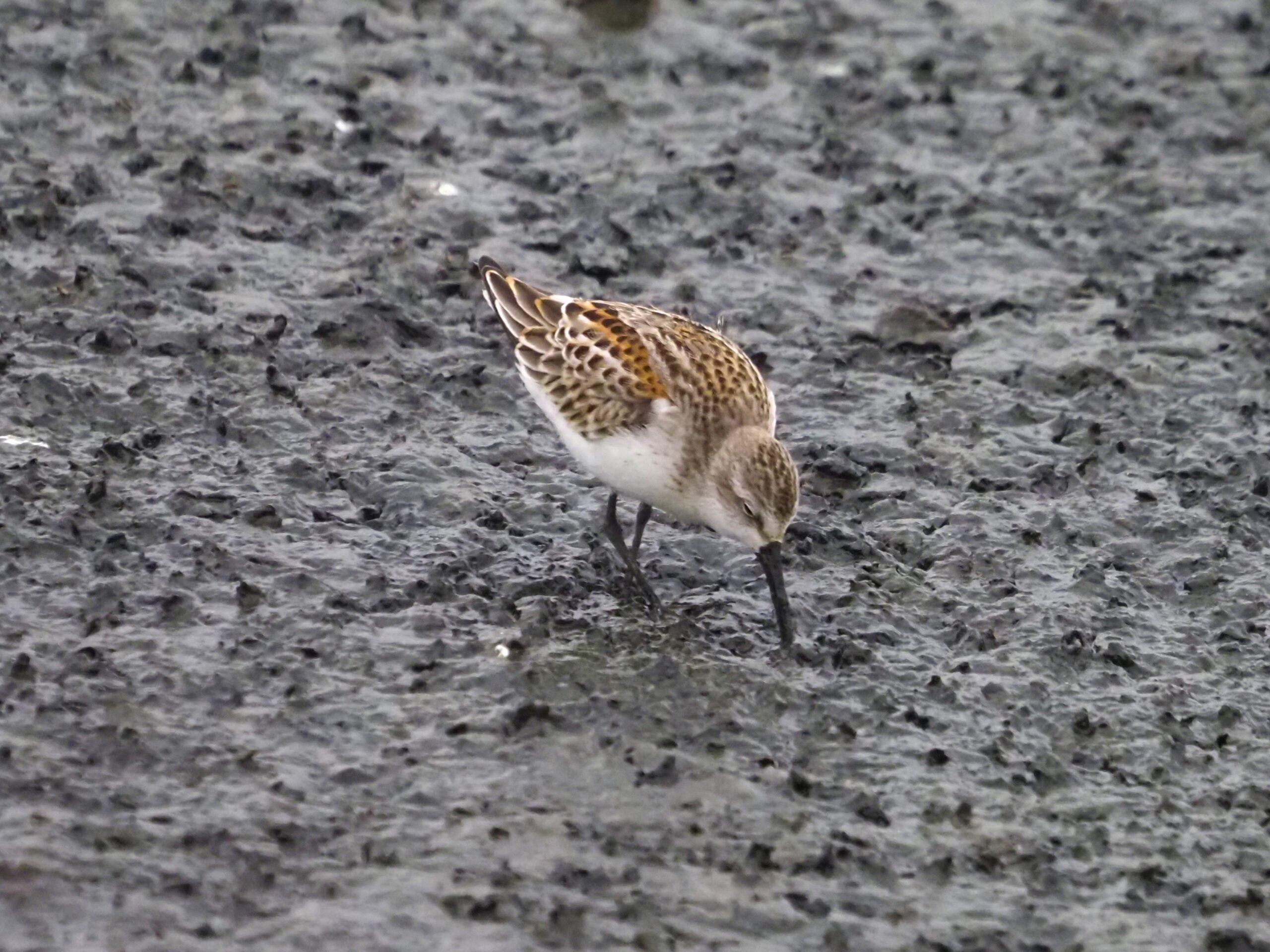
Below are several photos of juvenile Western Sandpiper taken in September. Note the similar characteristics to the juvenile Least: immaculate feathers of the mantle, scapulars and coverts, and an overall “scaley” look. However, the structure is quite different from Least.