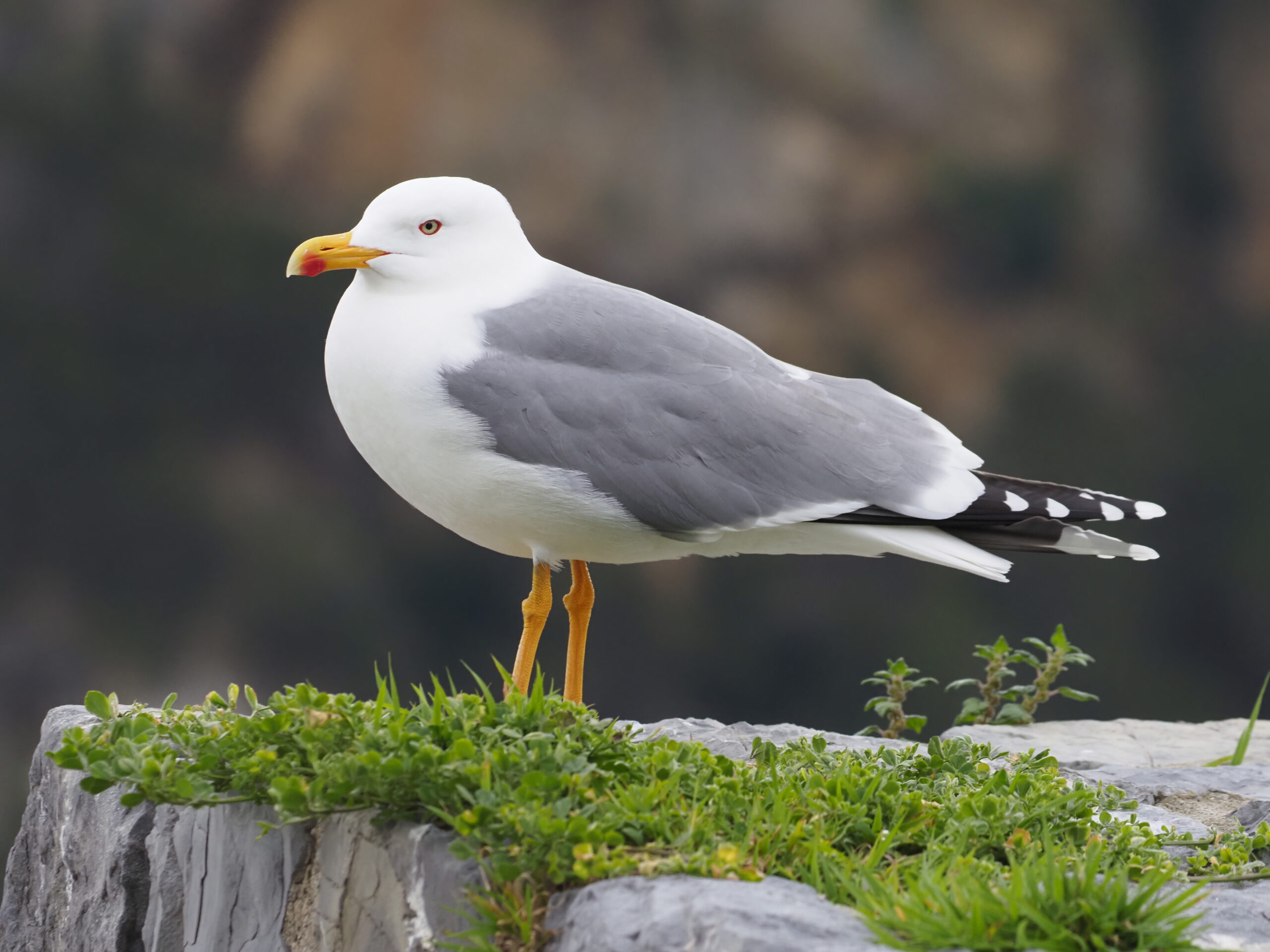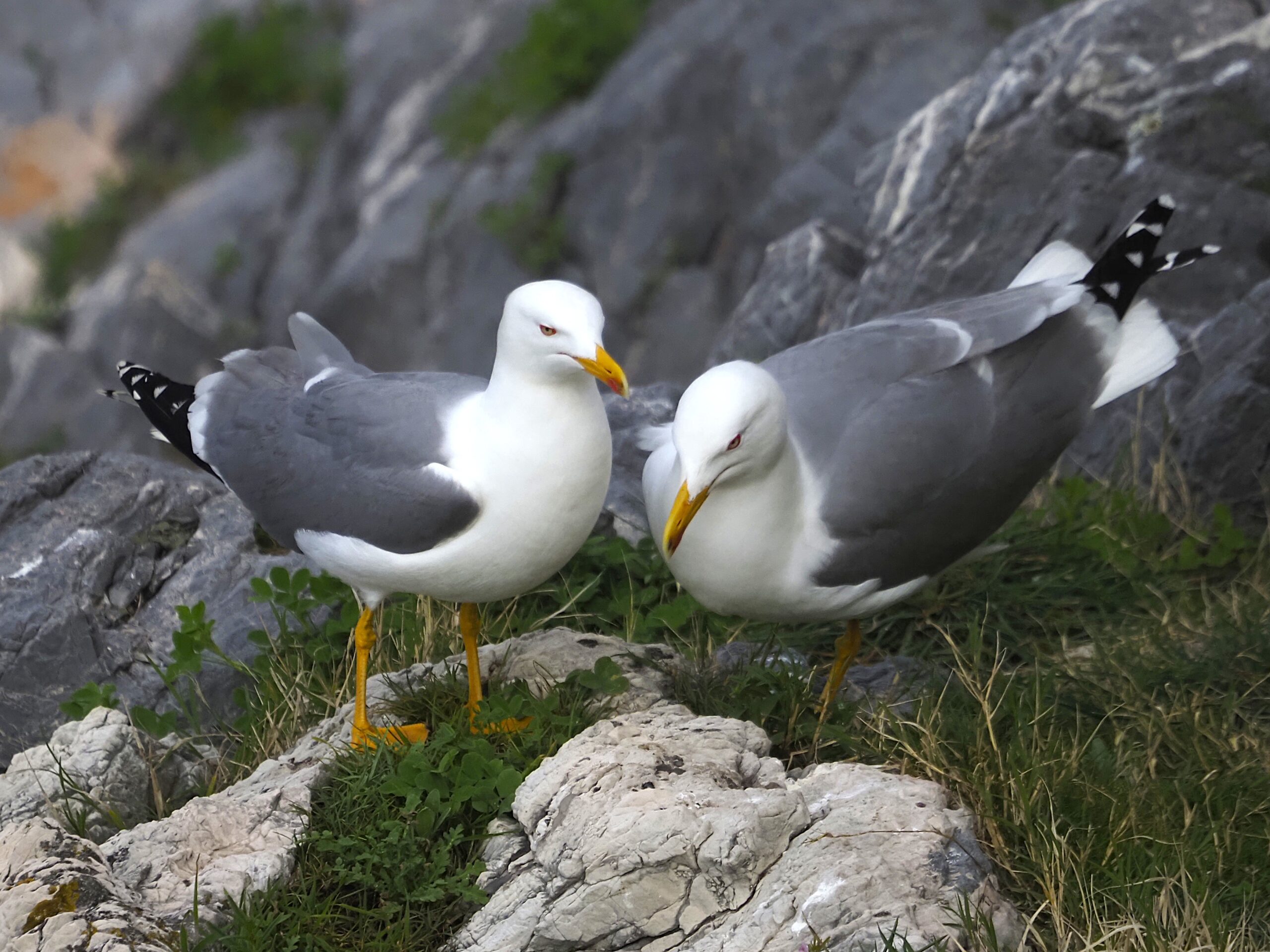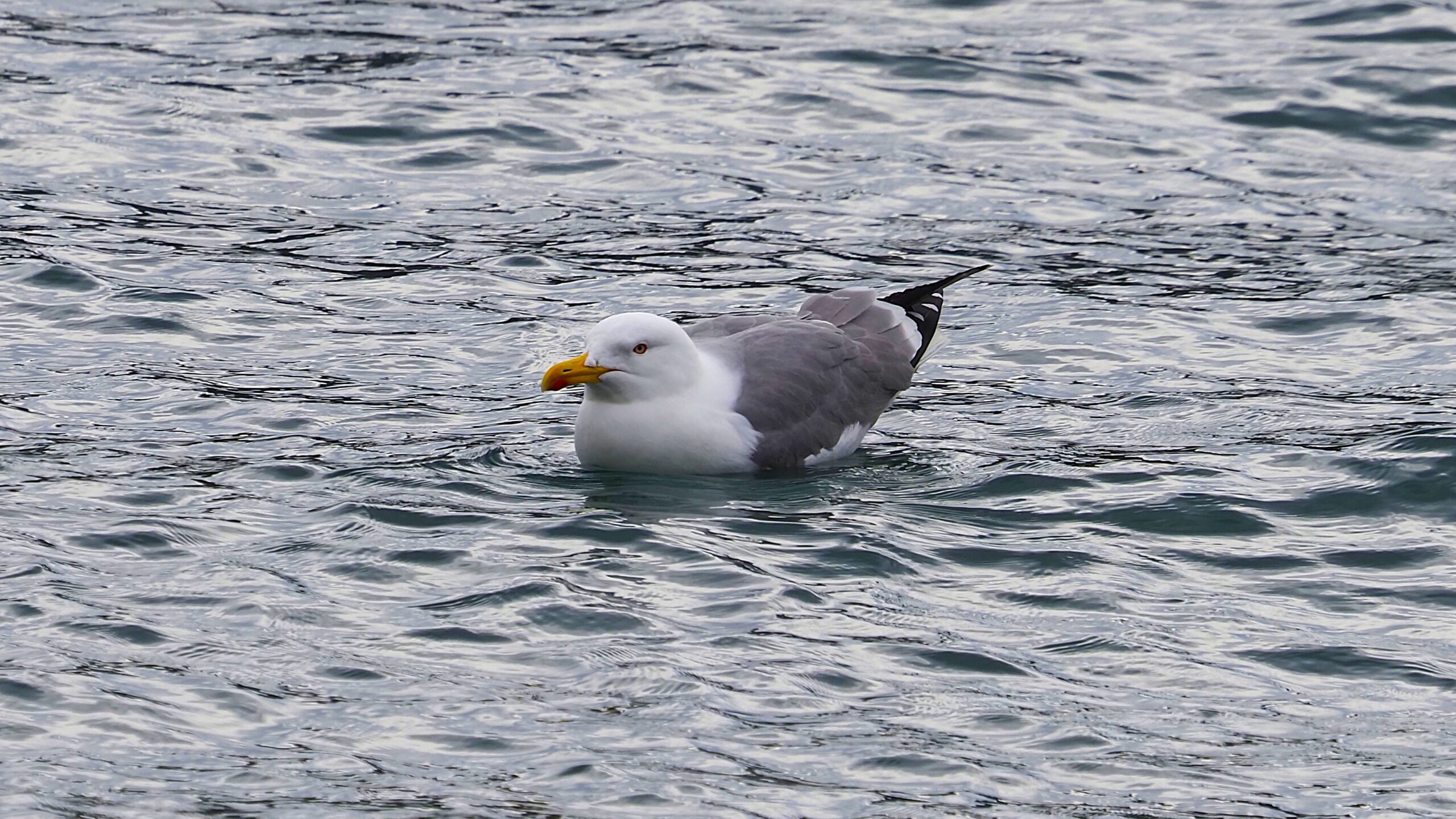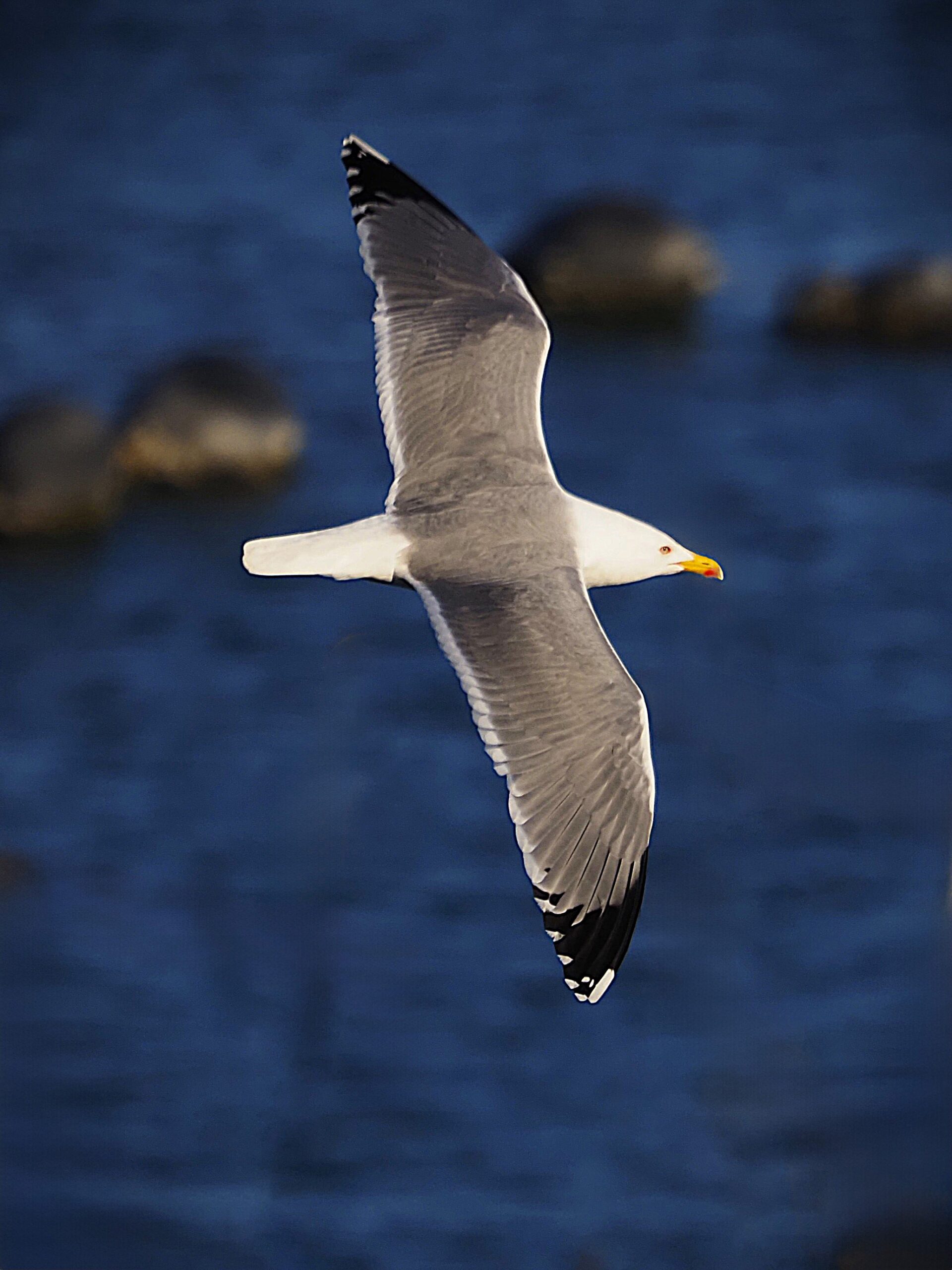
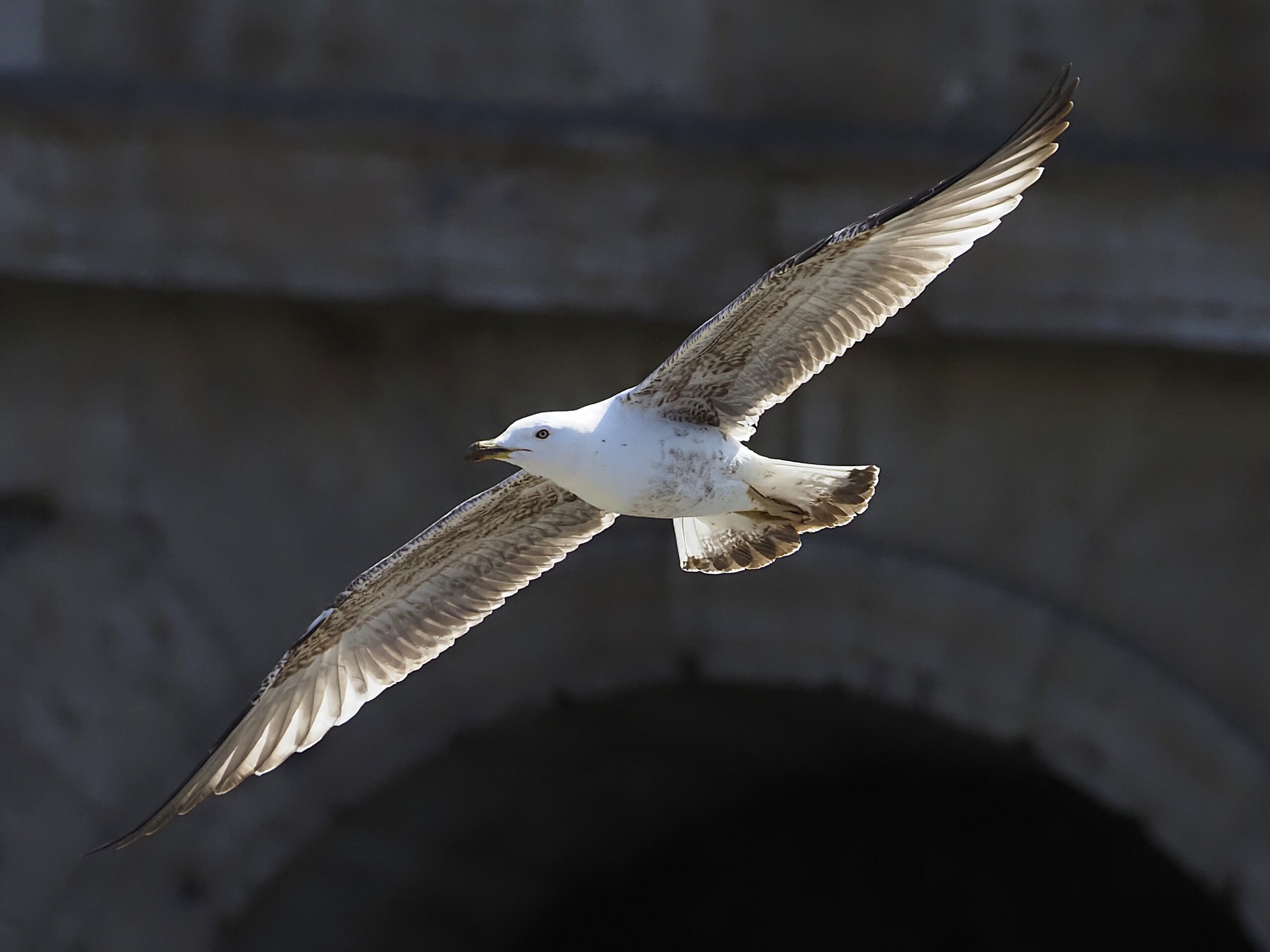
Happily the Yellow-legged Gull is one of the large white-headed gull species which is on the increase. Over the past 50-60 years it has increased its range and likely population based on its ability to utilize additional inland habitats and man-made structures. Additionally, its food sources associated with humans have also increased over that time period, which also likely contributes to its success.
The Yellow-legged was separated from the European Herring Gull and the Caspian Gull as a full species in 1993 or 2007 depending on which authority is considered. It is the most common gull in many parts of the Mediterranean Sea, so it is unfortunate that the name “Mediterranean Gull” was already taken by the time this gull was given full species status.
There are 2 records of Yellow-legged accepted by the Texas Birds Records Committee, both from Corpus Christi in 2004 when there seems to have been 2 birds of this species present. Both were 1st year birds similar to the image above. The Yellow-legged appears to be quite rare even if all of North America is included, with less than about 1 dozen sightings on Ebird.
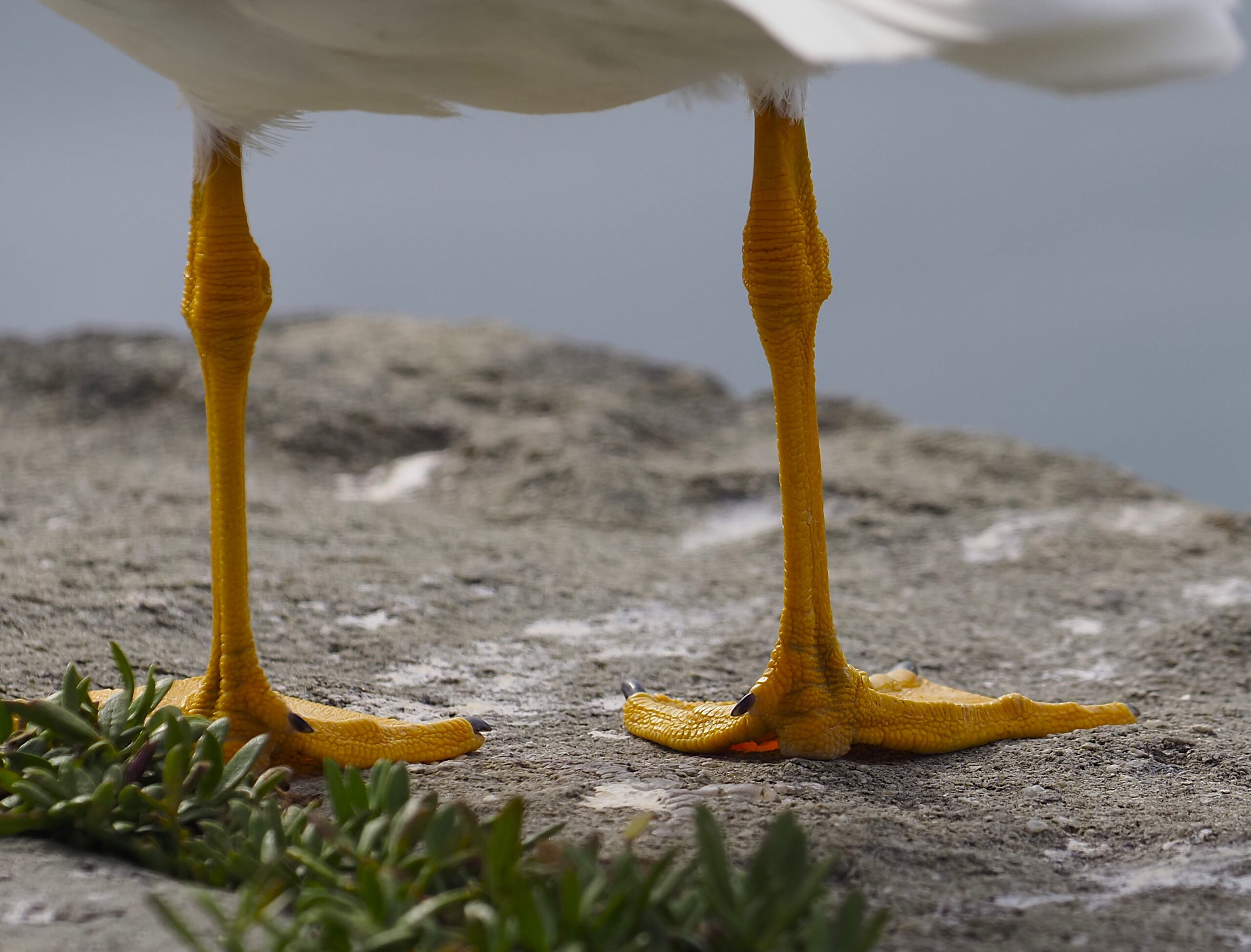
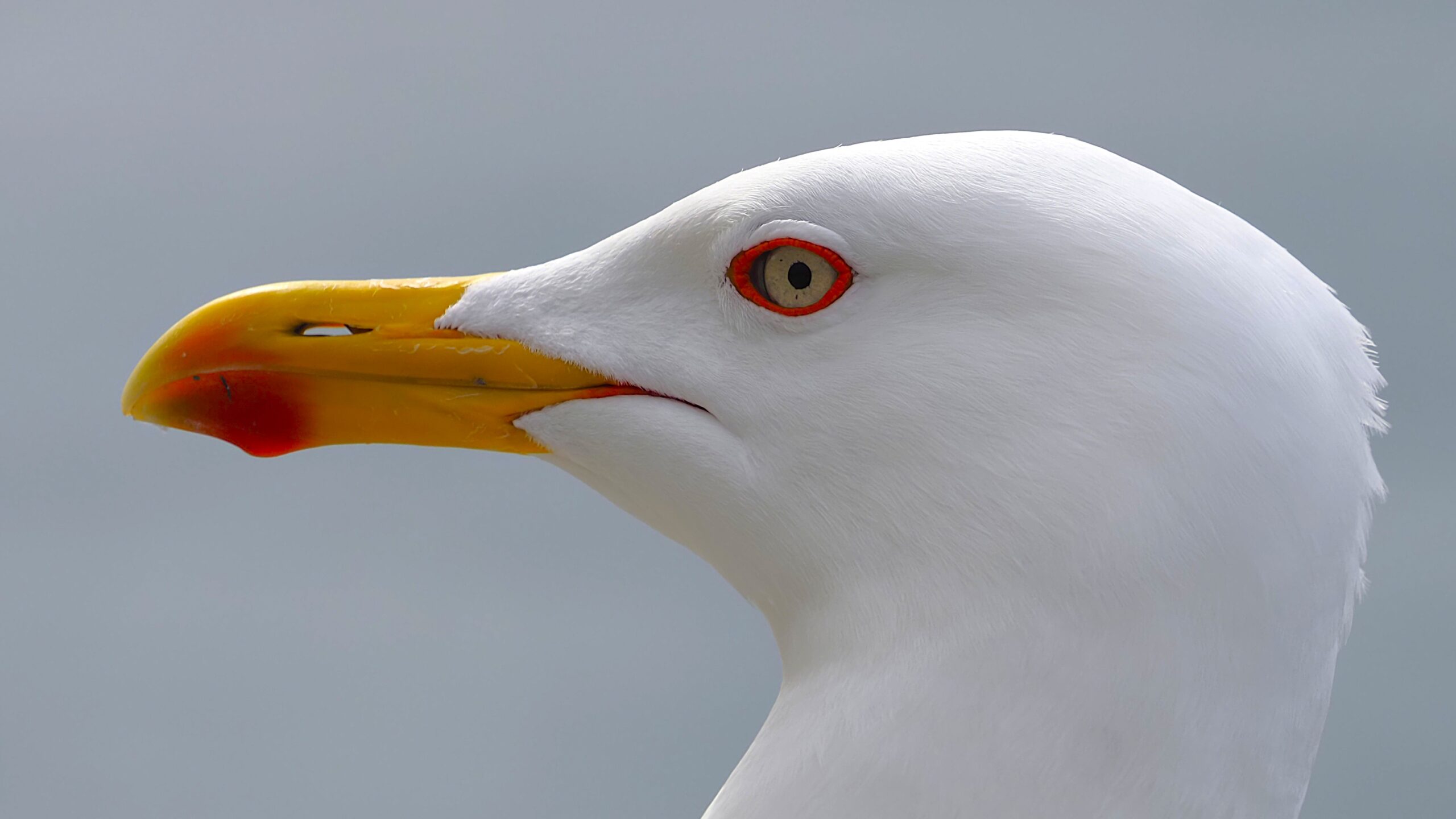
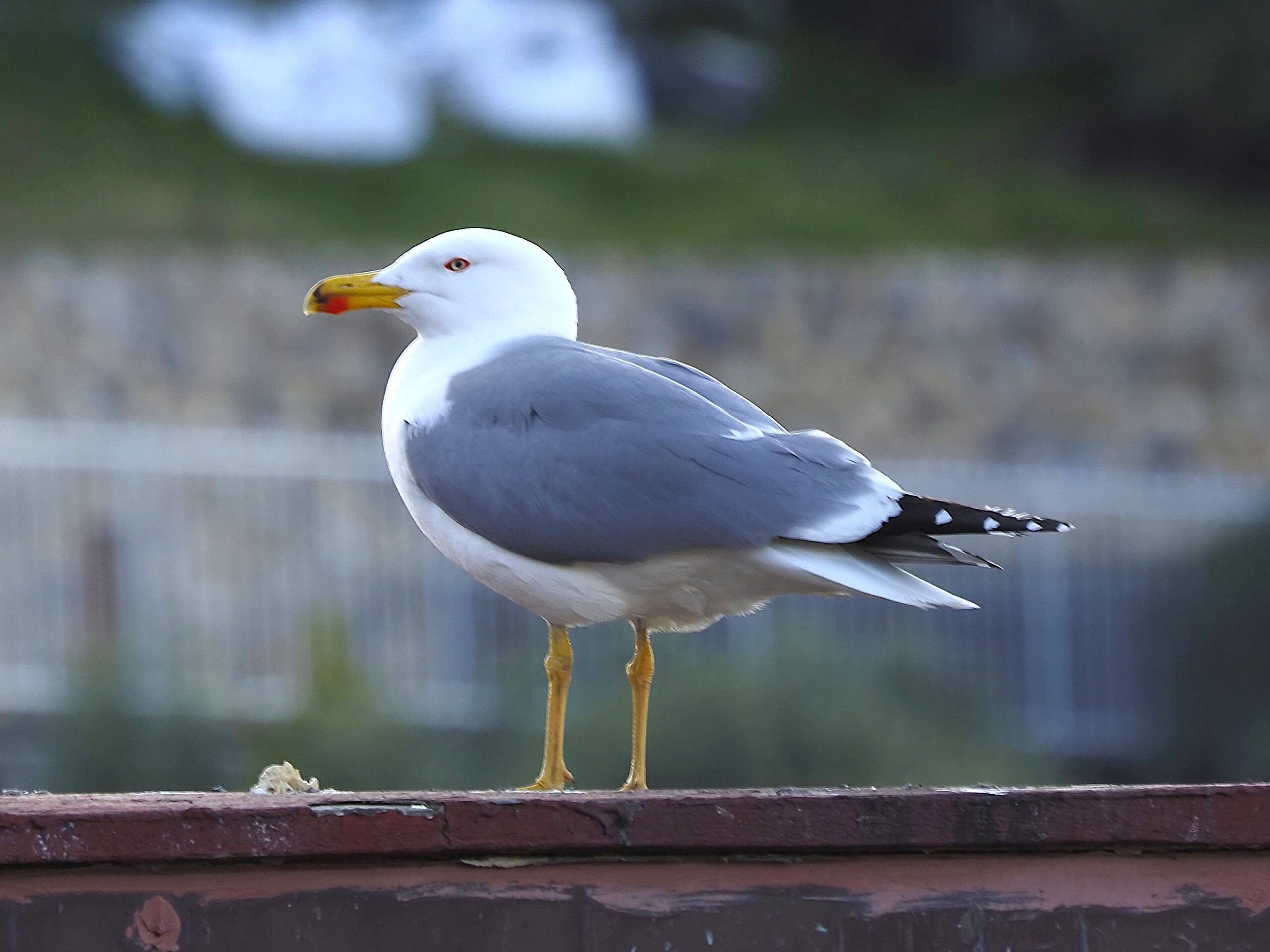
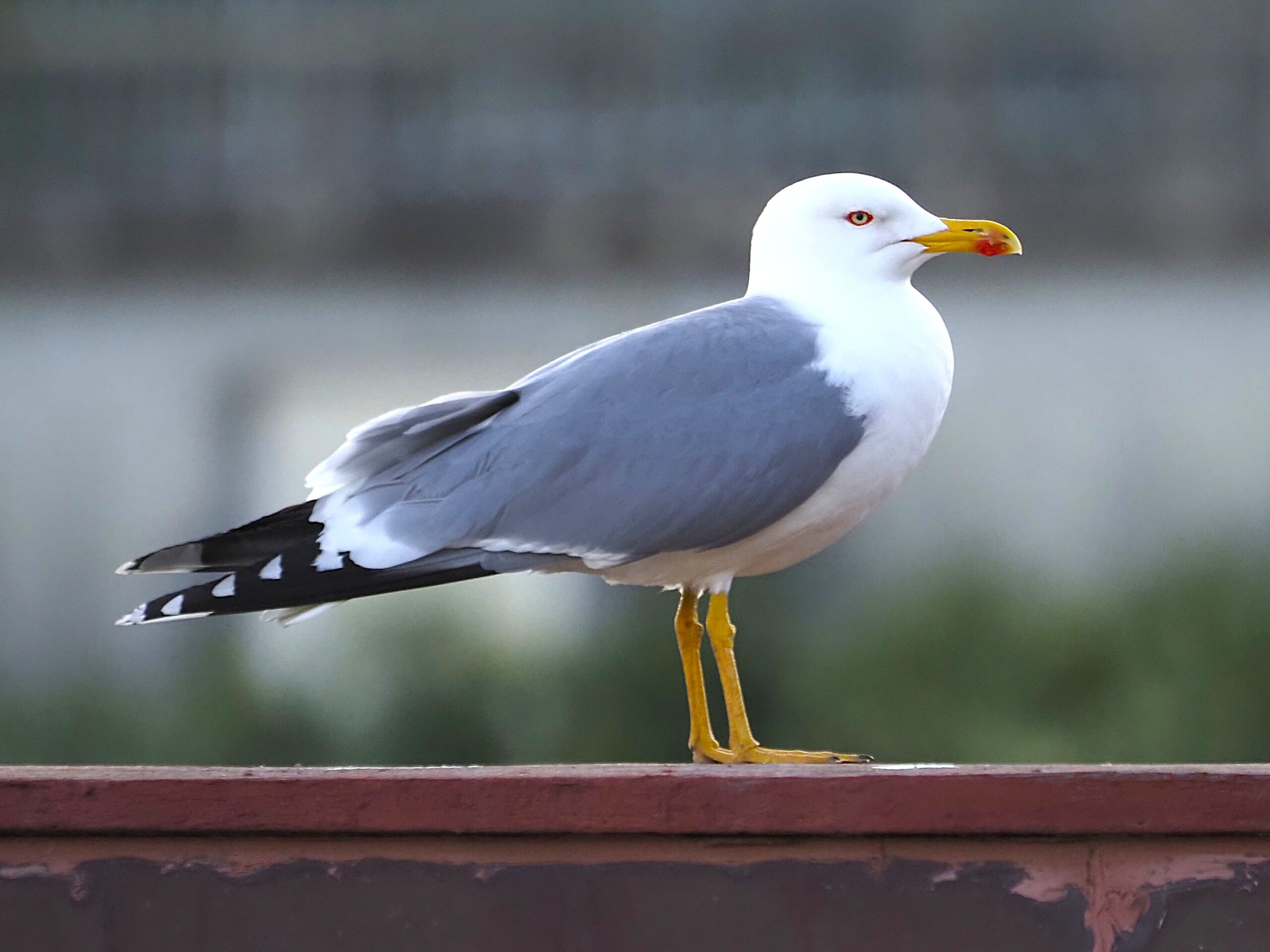
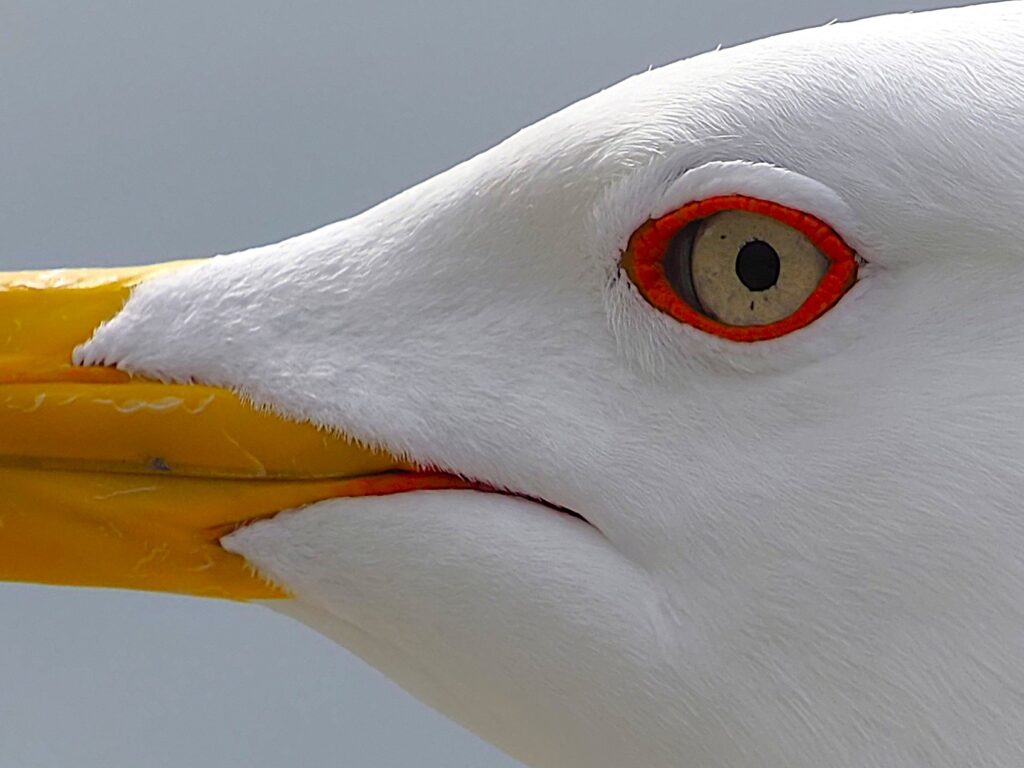
The Yellow-legged looks much like the European Herring except that it has yellow legs and feet and a slightly darker back. The European Herring also has a yellow or orange orbital ring, while that of the Yellow-legged is red, as shown below.
The Yellow-legged was a common sight in northern Italy and Rome when I visited in March of 2026.