Acadian Flycatcher
The Acadian Flycatcher breeds roughly in the Eastern half of North America, south from about the latitude of Boston into East Texas. It is one of the larger Empids and has a prominent bill. It is usually one of the greener of the Empids, but this is not considered a reliable ID point.
Structural Characteristics
Body Size & Shape
The Acadian is a relatively large, long-winged Empid with long primary projection & heavy bill.
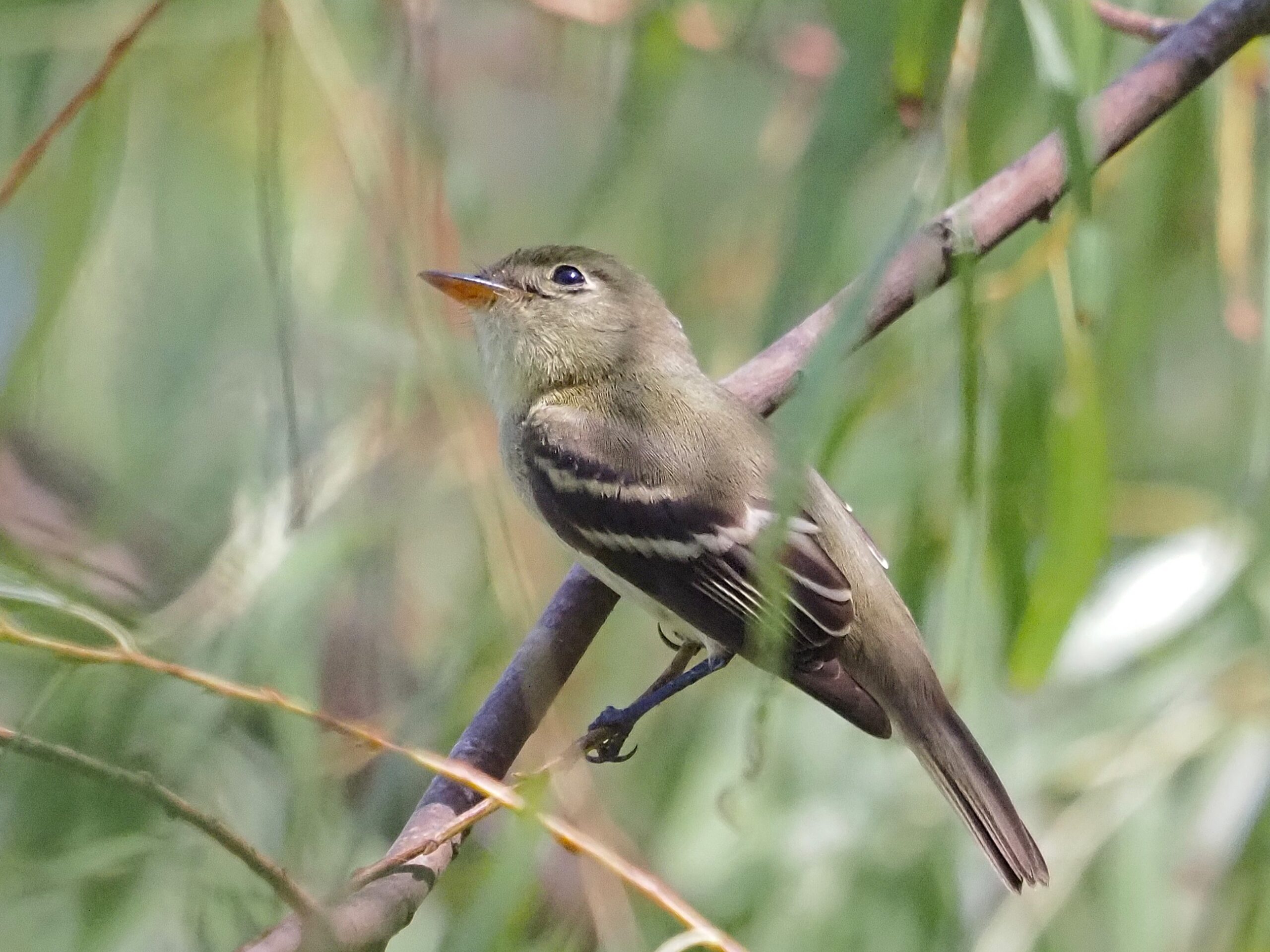
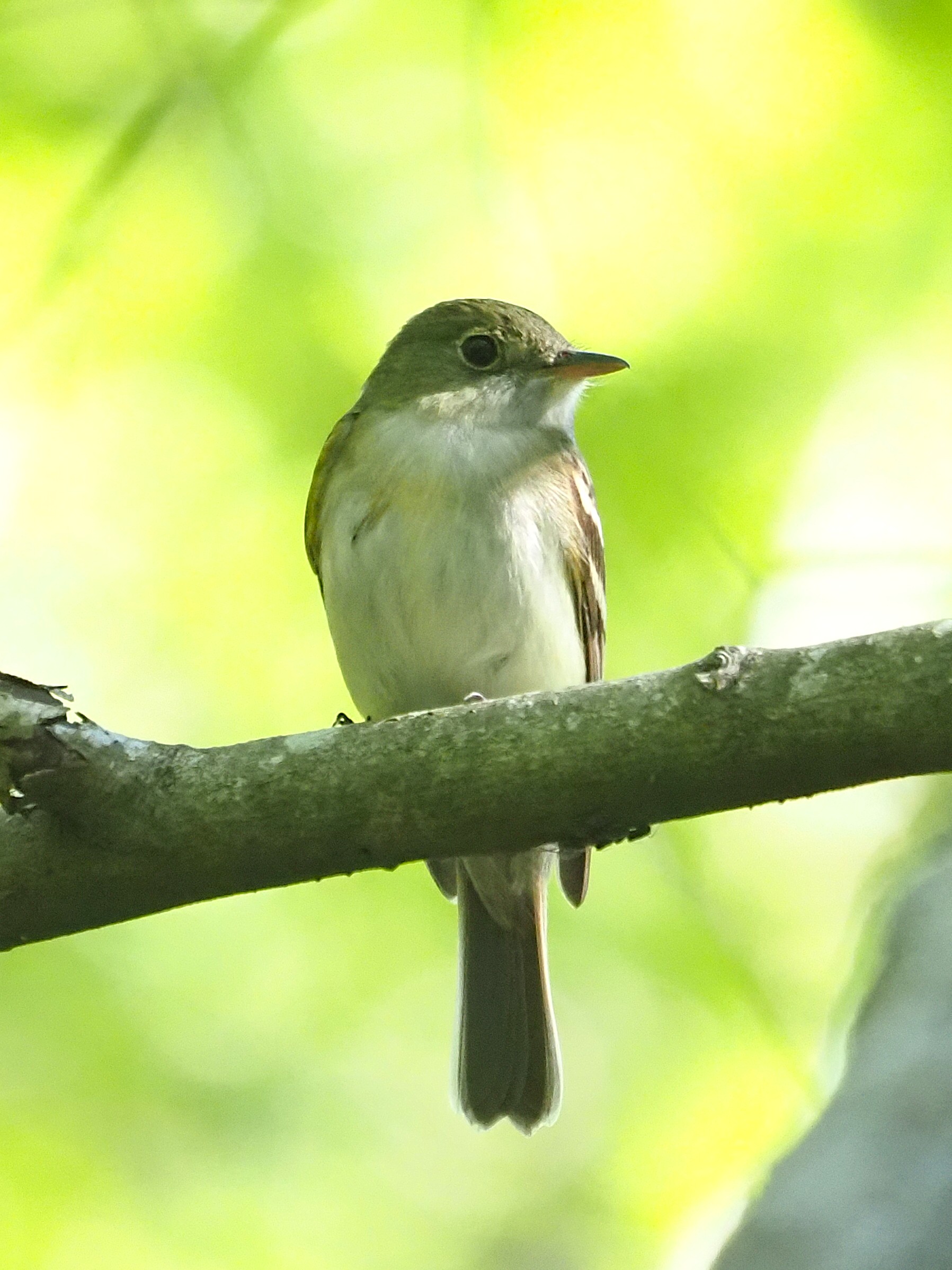
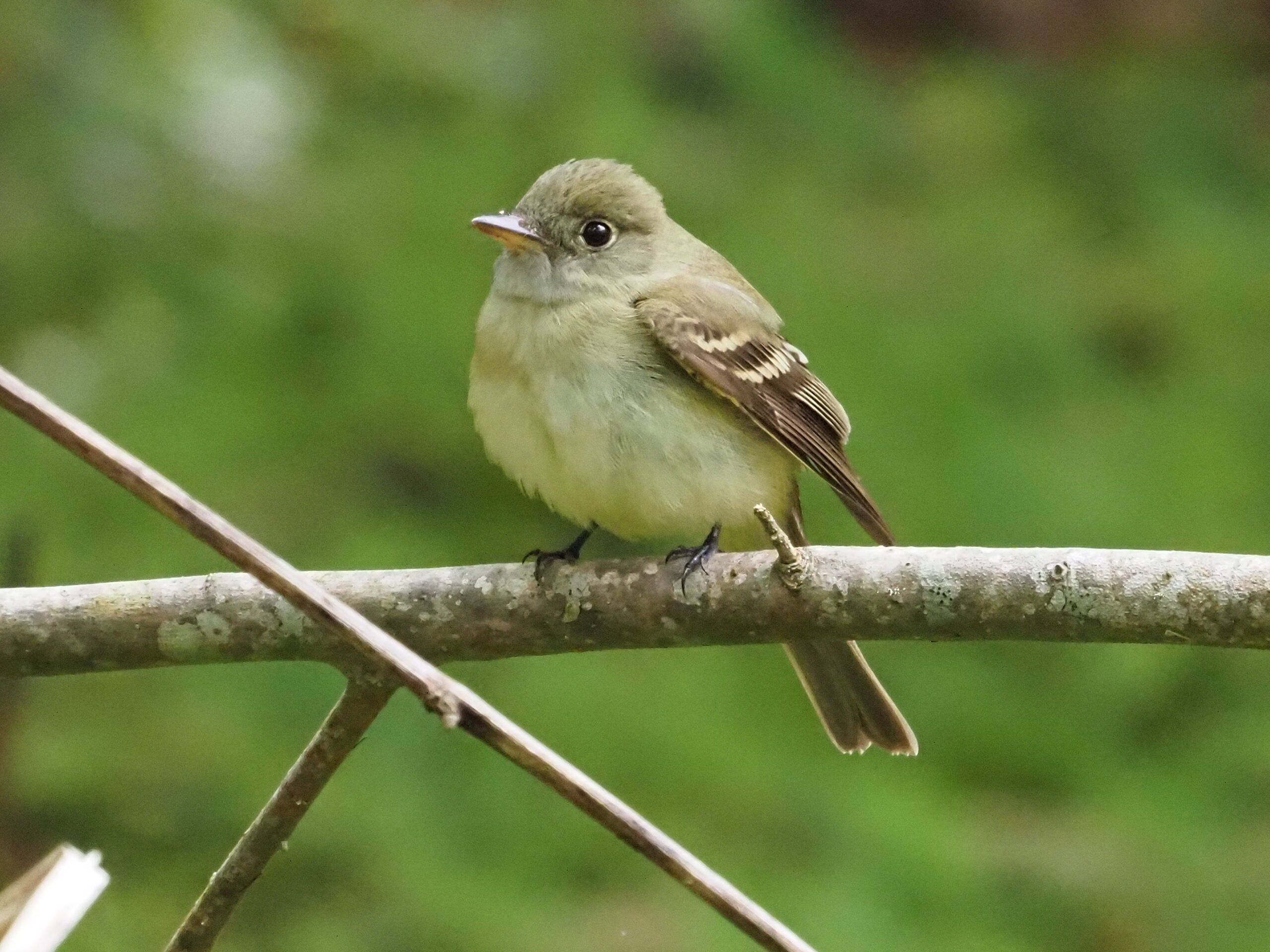
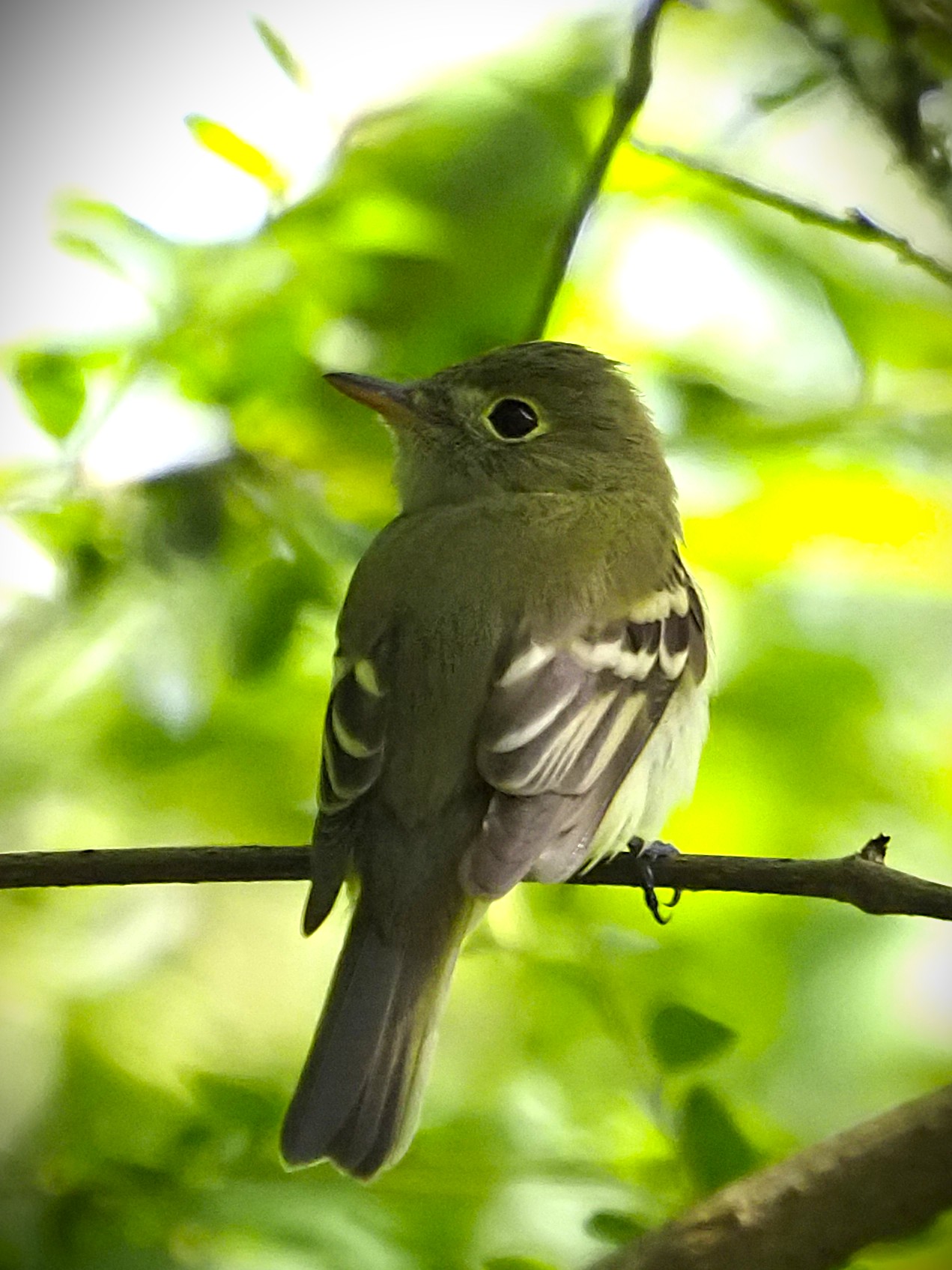
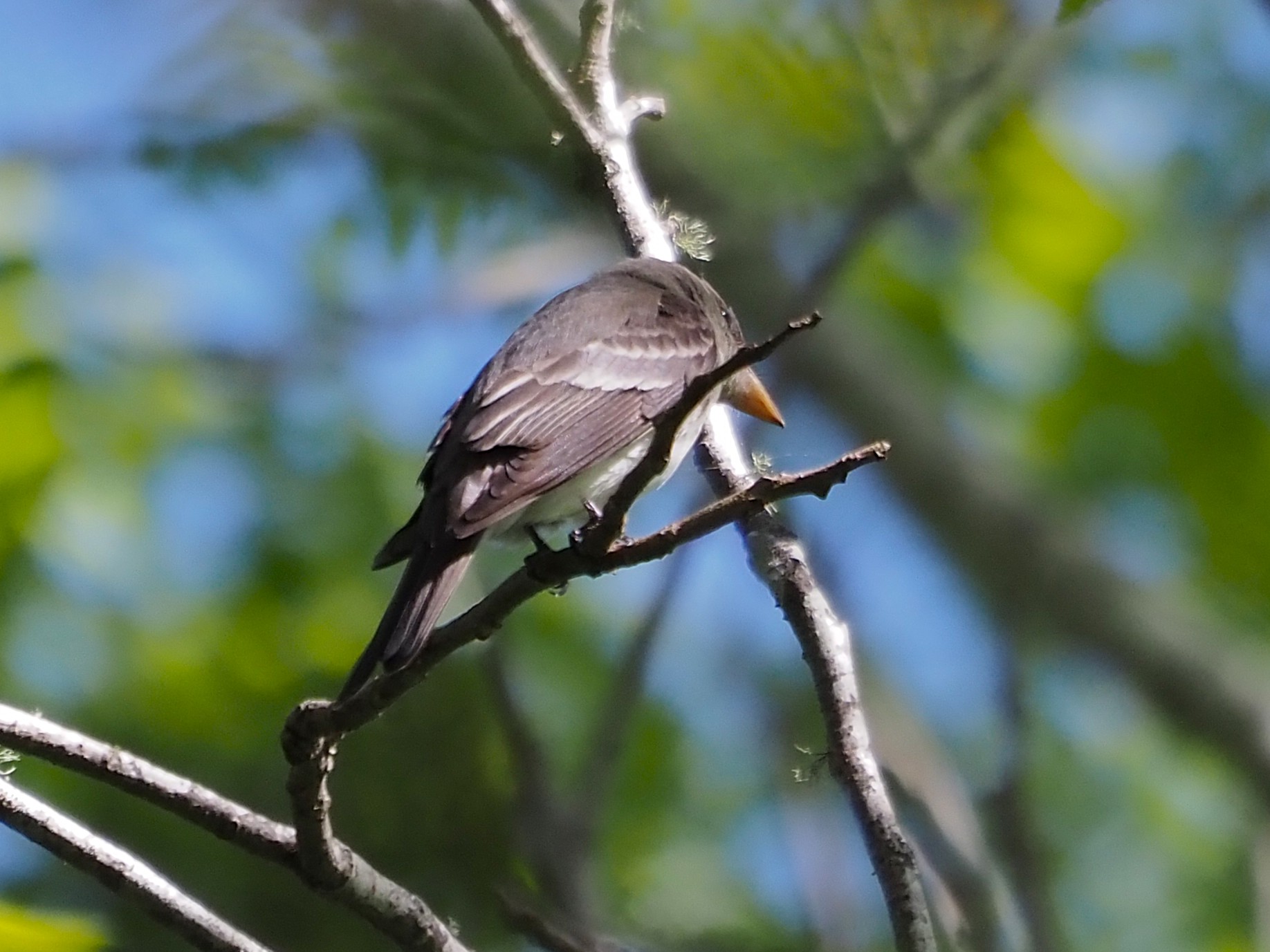
Bill
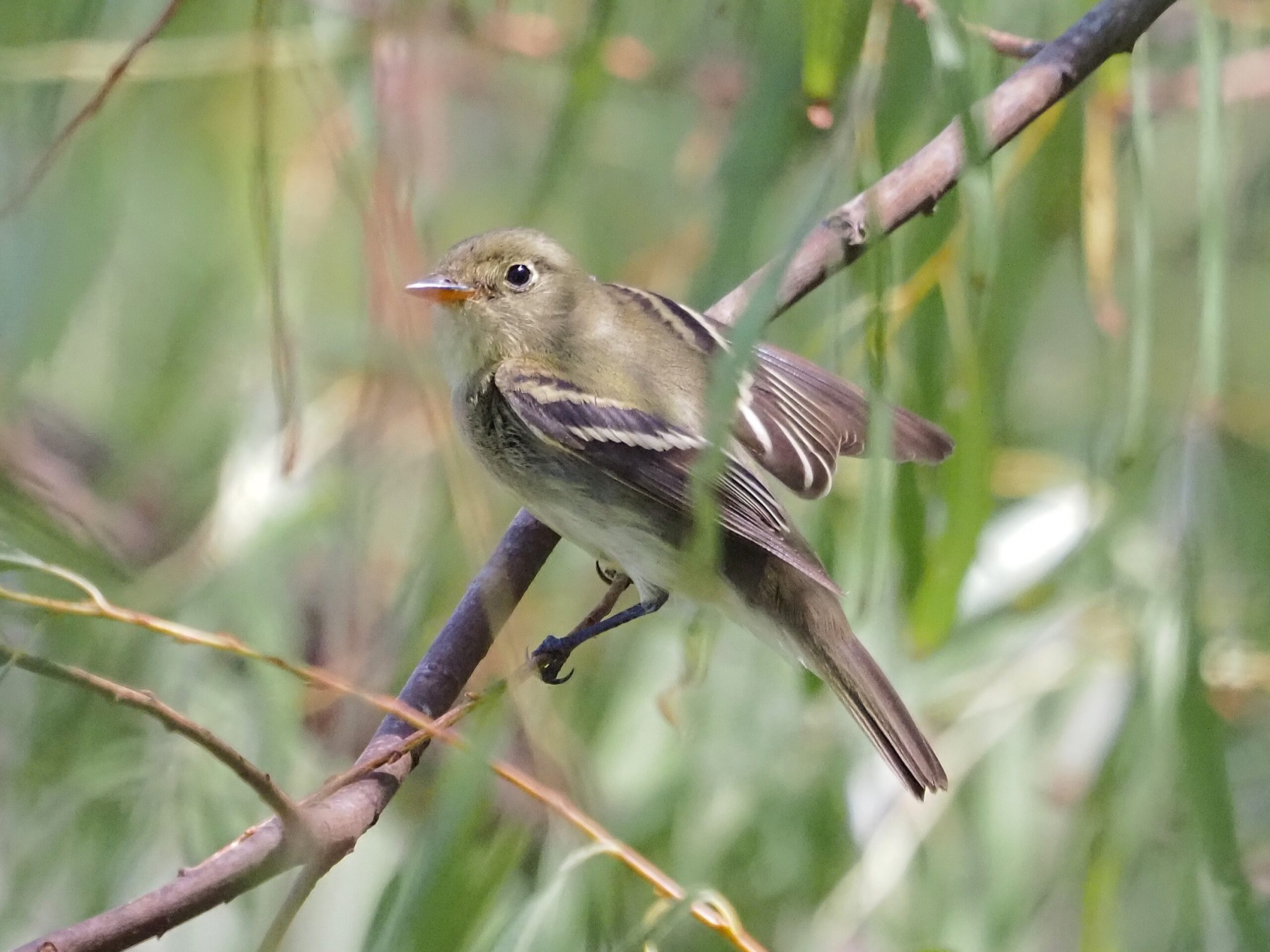
The bill is long, deep, & broad, with a mostly pale yellowish lower mandible. It is the longest & broadest (especially at the base) of any Empid. The bill’s outer edges are slightly convex. Like many Eastern Empids, the lower mandible is almost always entirely yellowish. The prominent bill of the Acadian is obvious in the following photos.
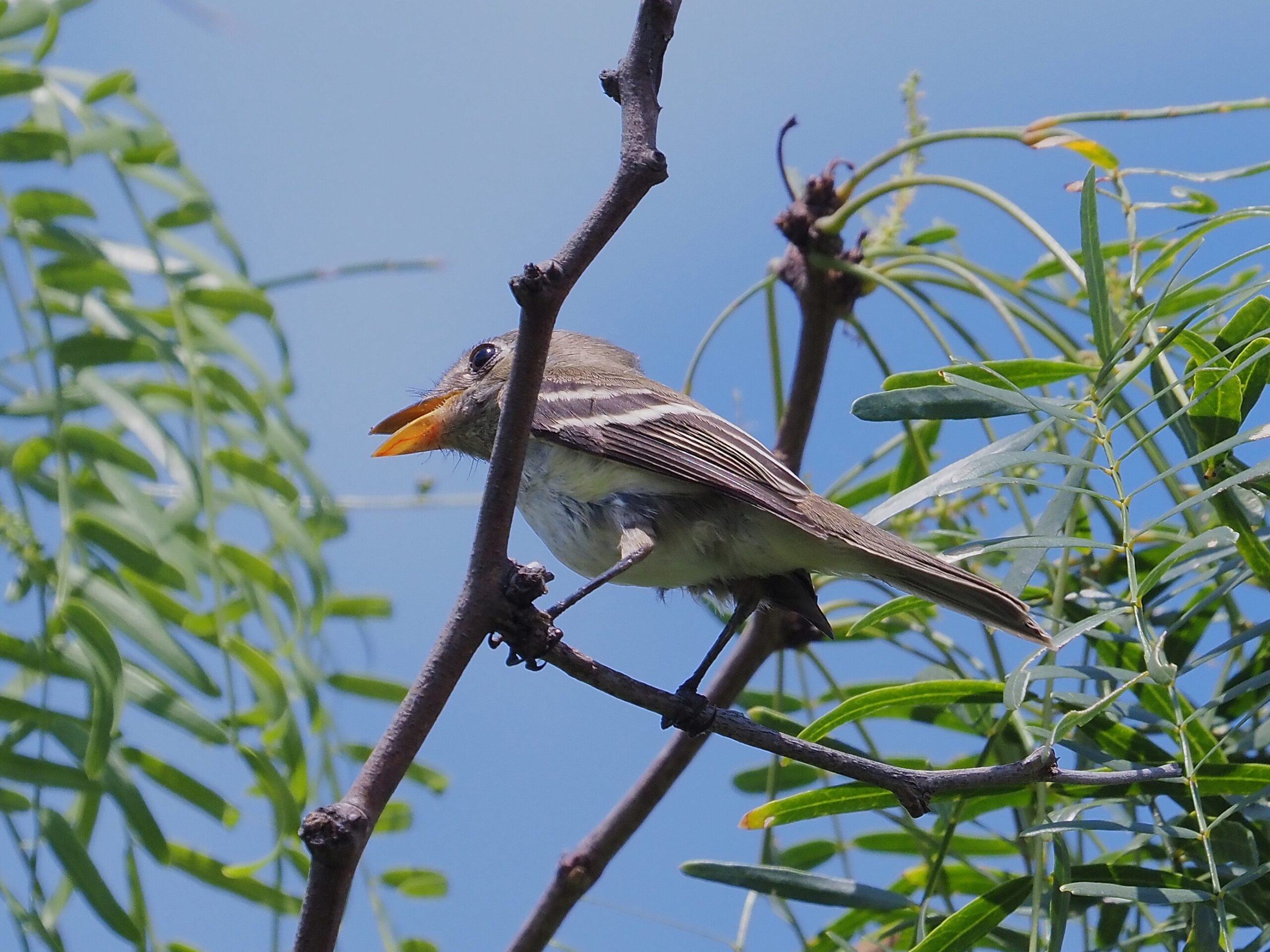
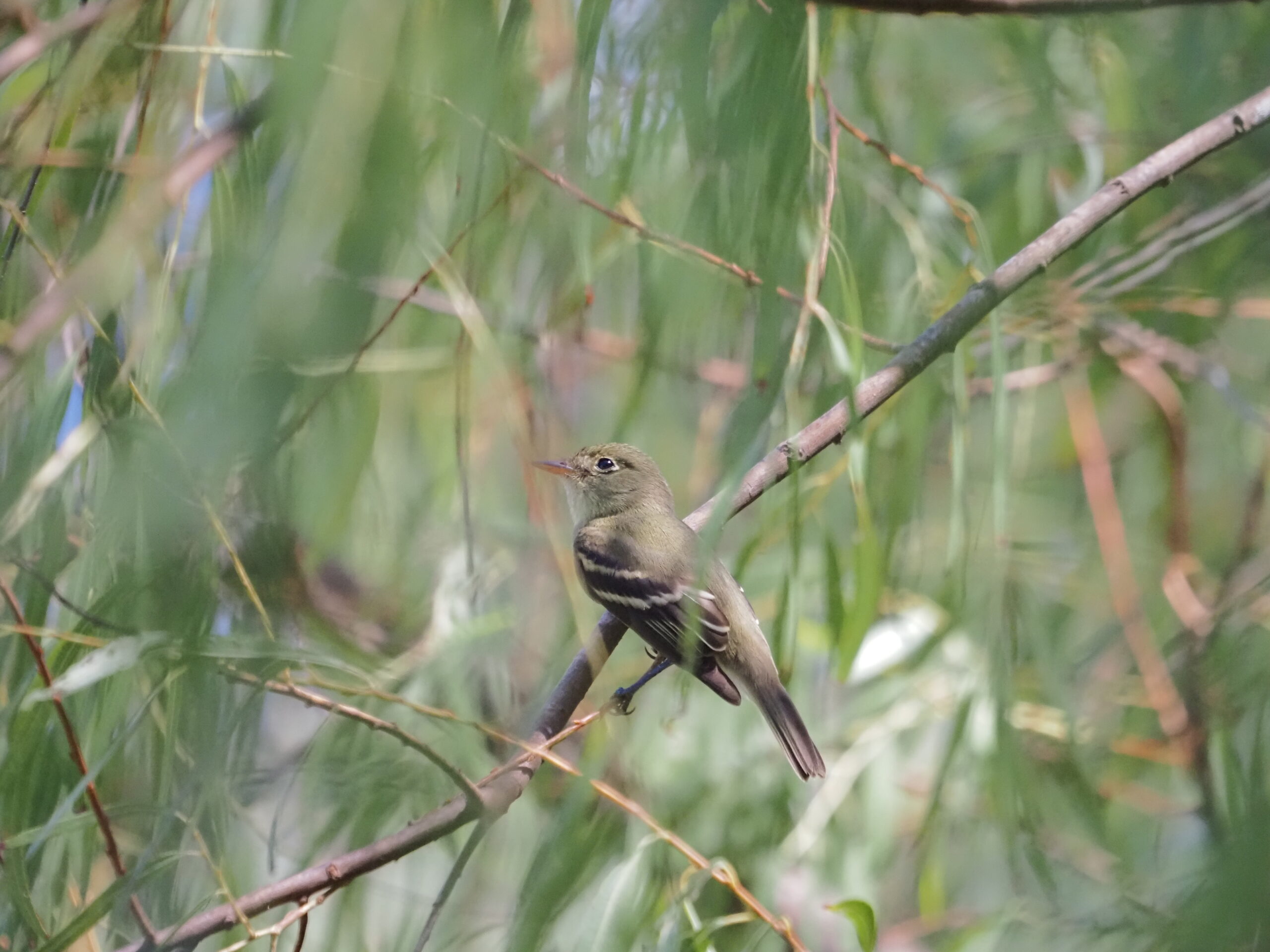
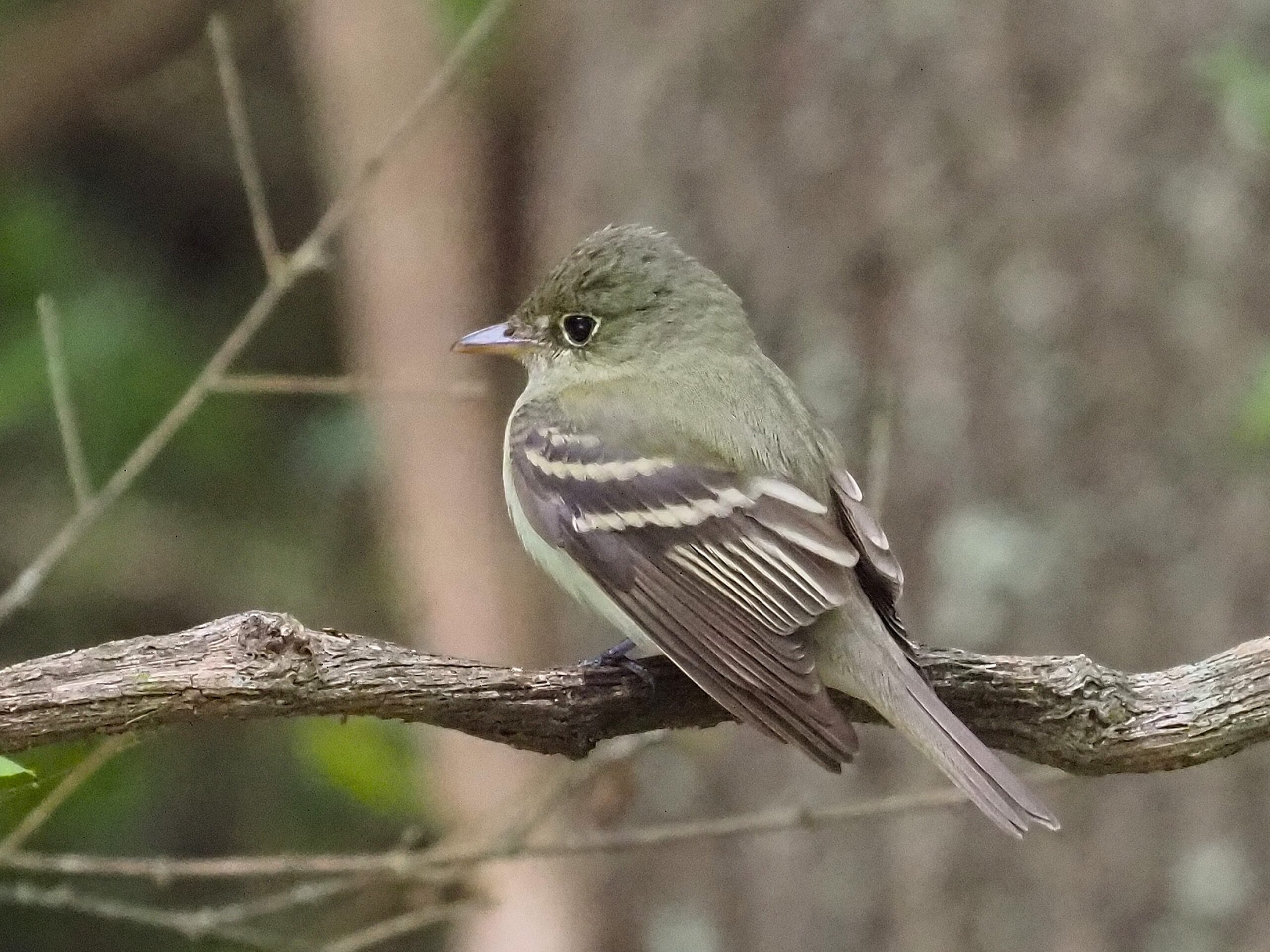
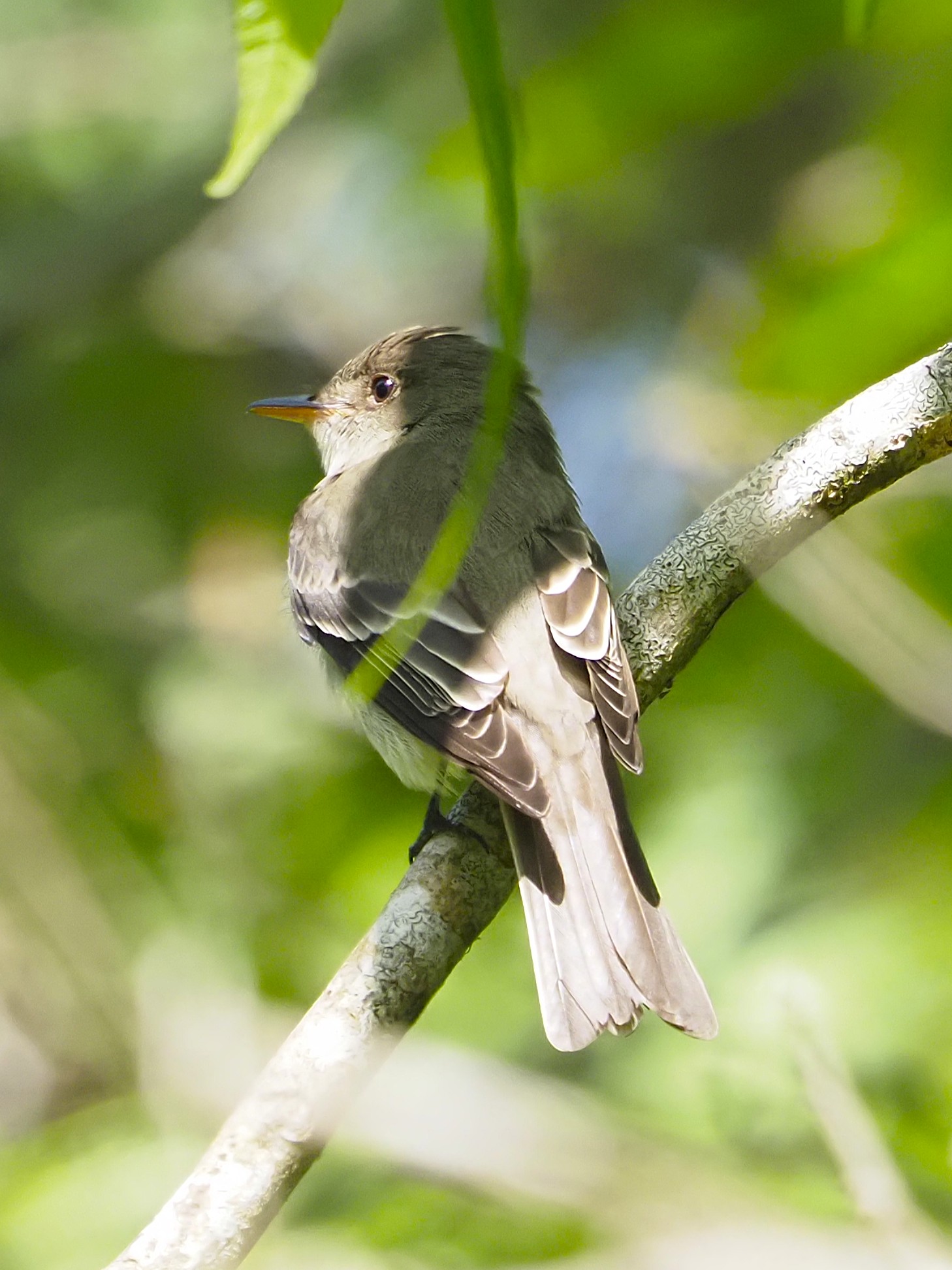
Wings & Primary Projection
The long primary projection of the Acadian is shown below. The sometimes sword-like shape of the primary tips can also sometimes be seen (although not so much in the photos below).
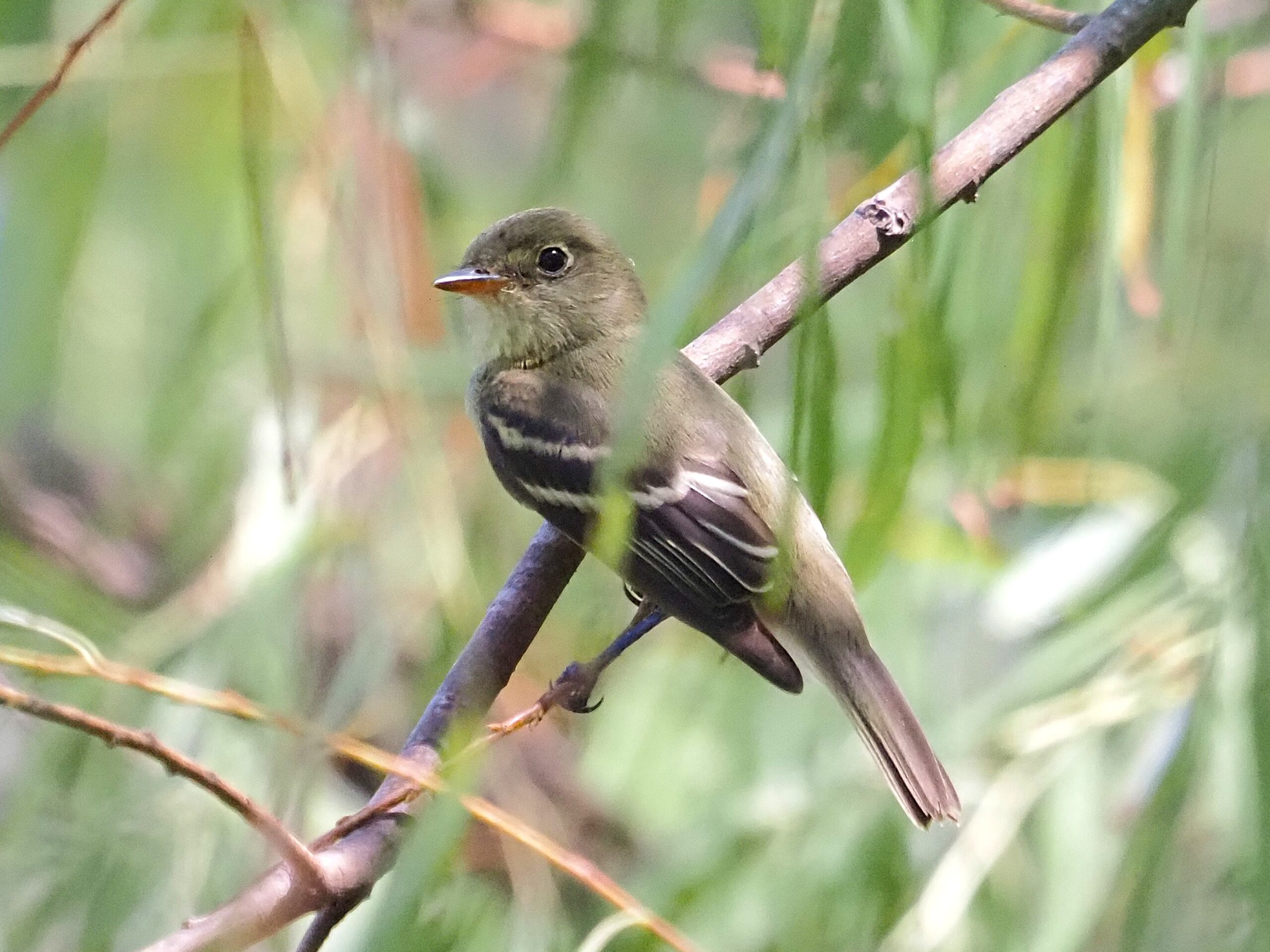
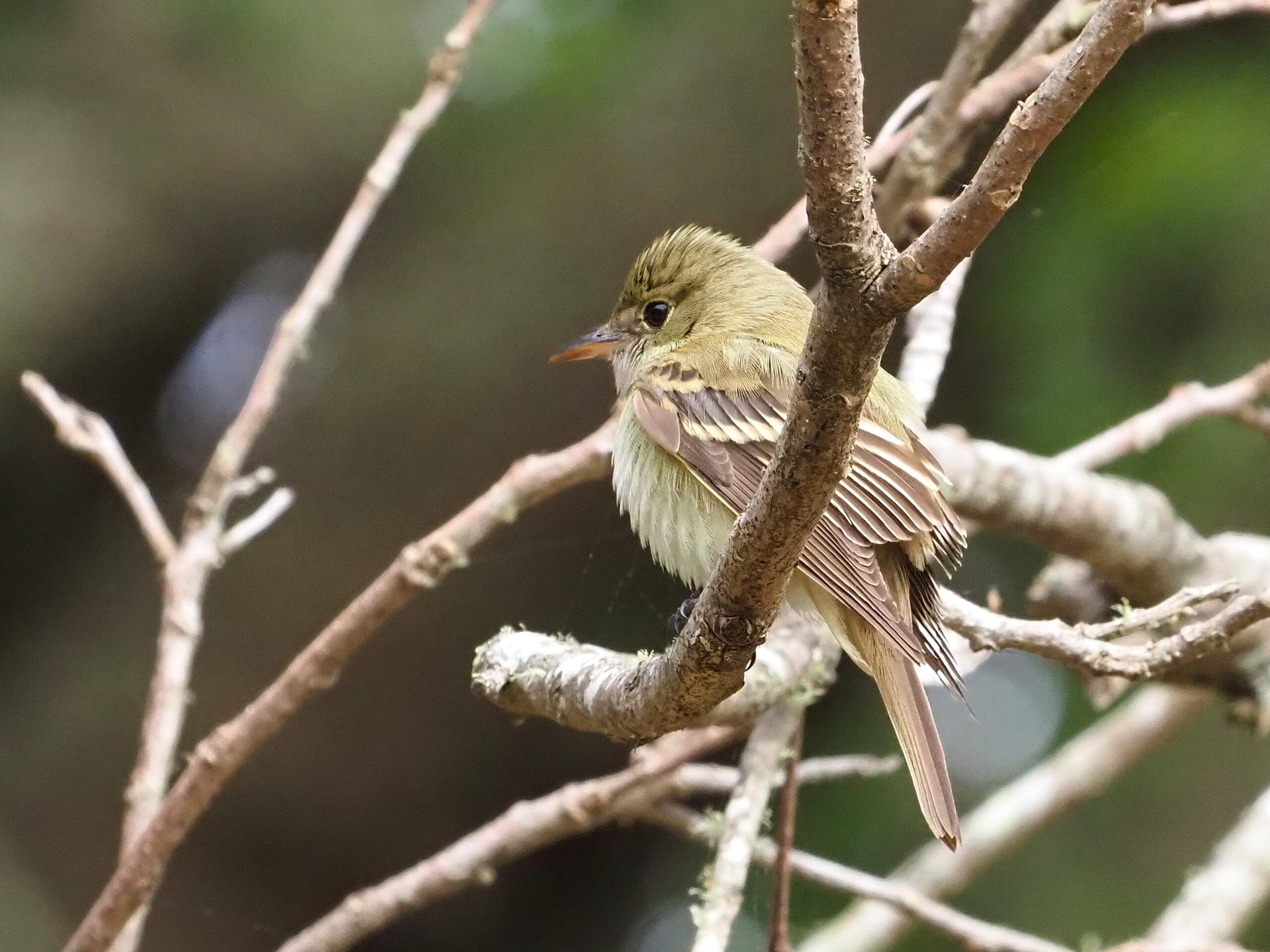
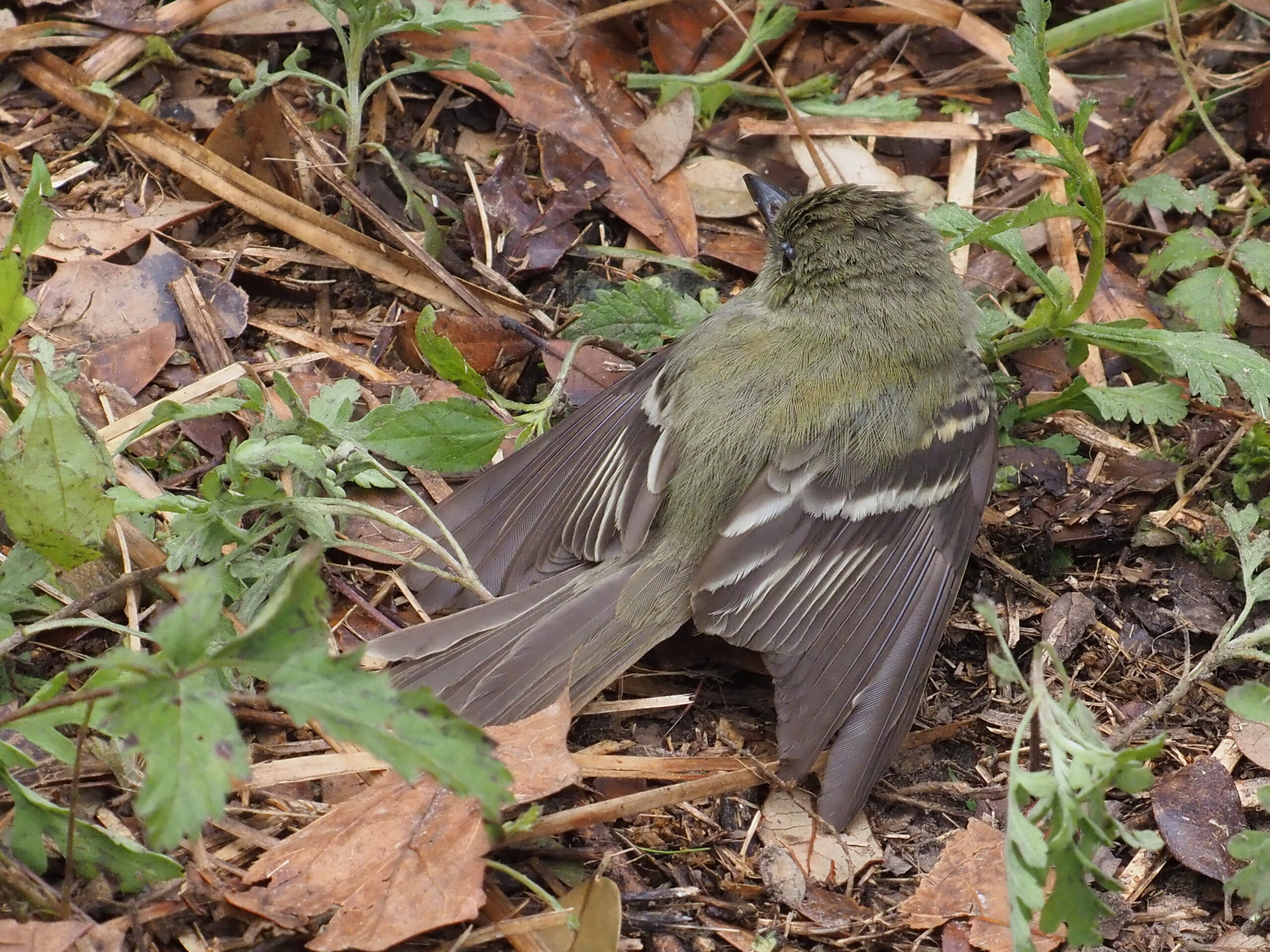
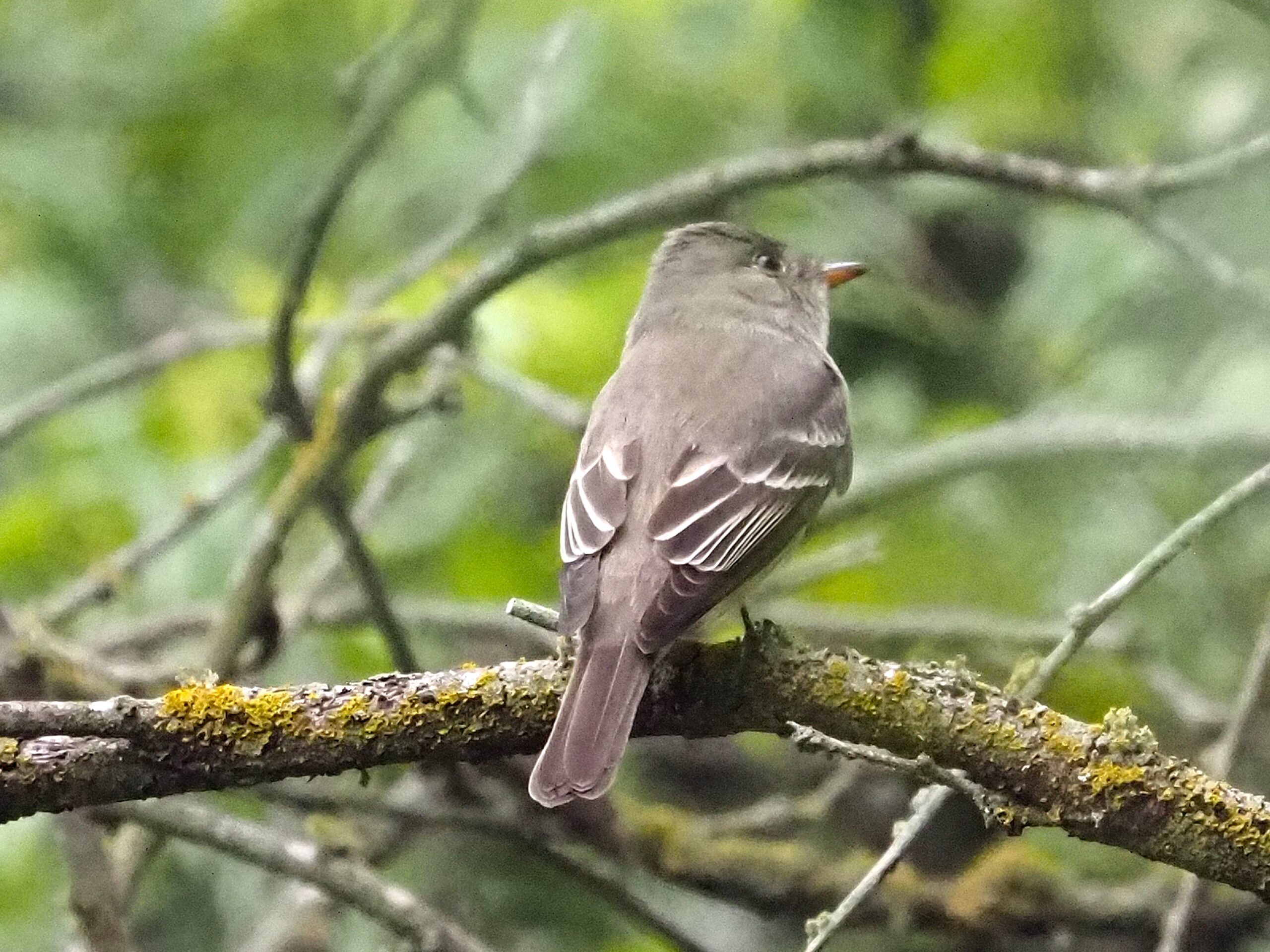
Tail Proportions & Shape
The medium length, broad-based & nearly parallel sided tail may appear short due to the long primary projection.
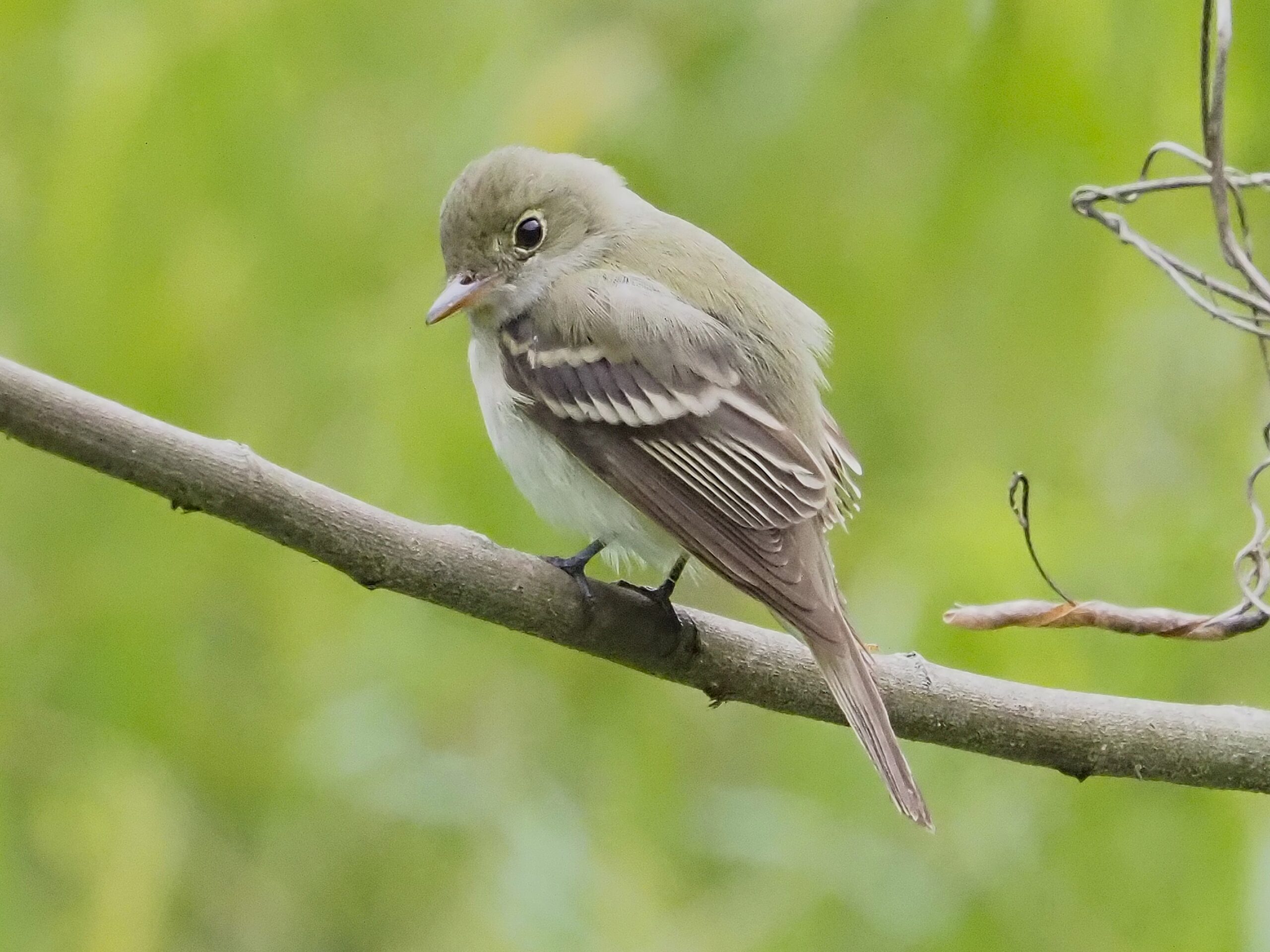
Head Shape & Proportion to Body & Crown of Head
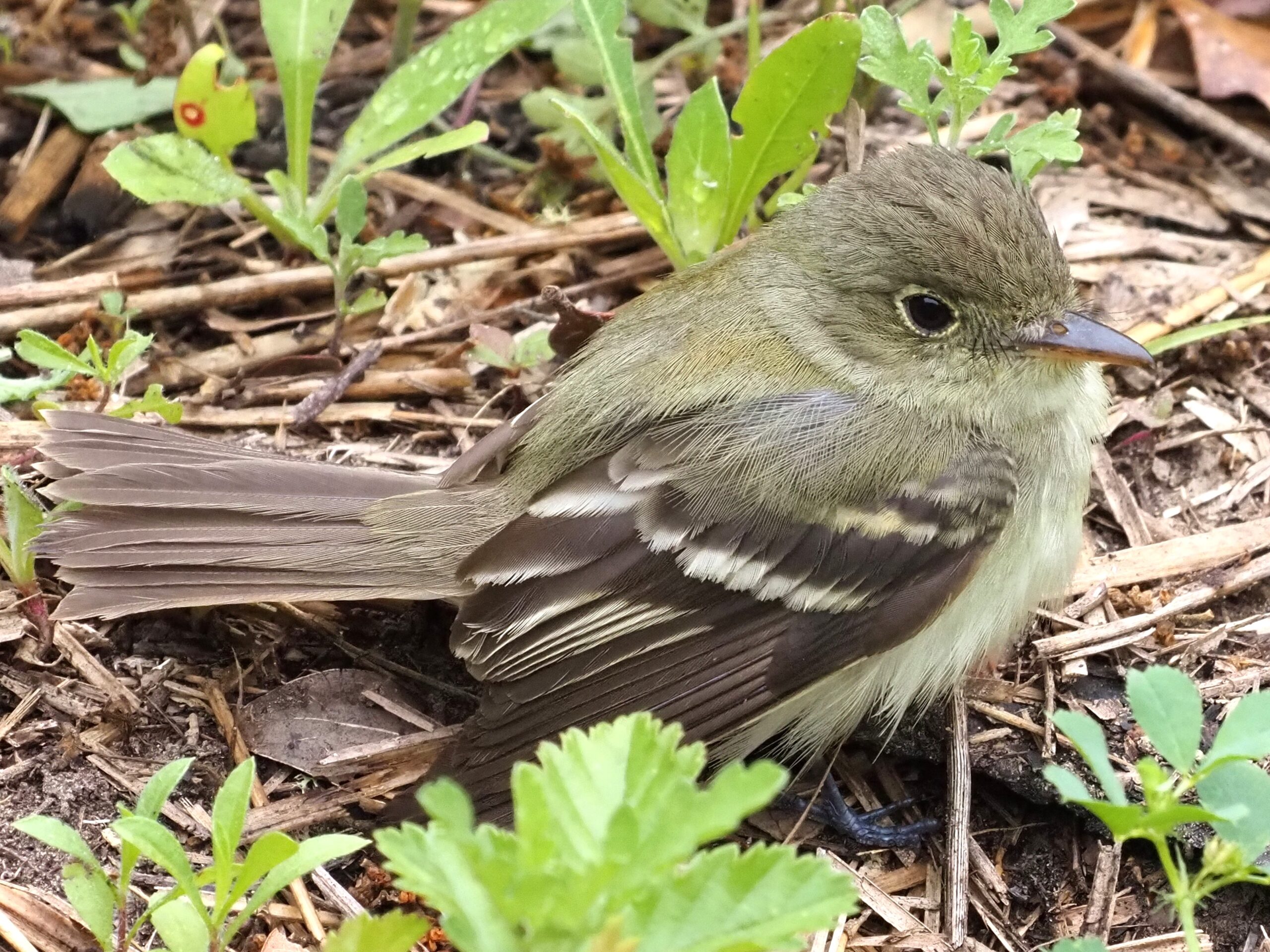
The Acadian has a large head to go with its large body and the face often has a slightly pulled-out look – like someone has pulled the face out by the bill. The crown of the Acadian can appear moderately crested when the feathers of the crown are lifted (as in the first 3 photos below), but at other times it looks quite round-crowned because those feathers are relaxed (as in the 2nd 3 photos).
Plumage Characteristics
Eye-ring
The eye-ring on Acadian is faint to narrow, but usually noticeable and complete. It may be thin and pale and/or white or yellowish. The eye often appears large and prominent, sometimes even bulging giving the bird a “bug-eyed” appearance.
Throat Color & Contrast
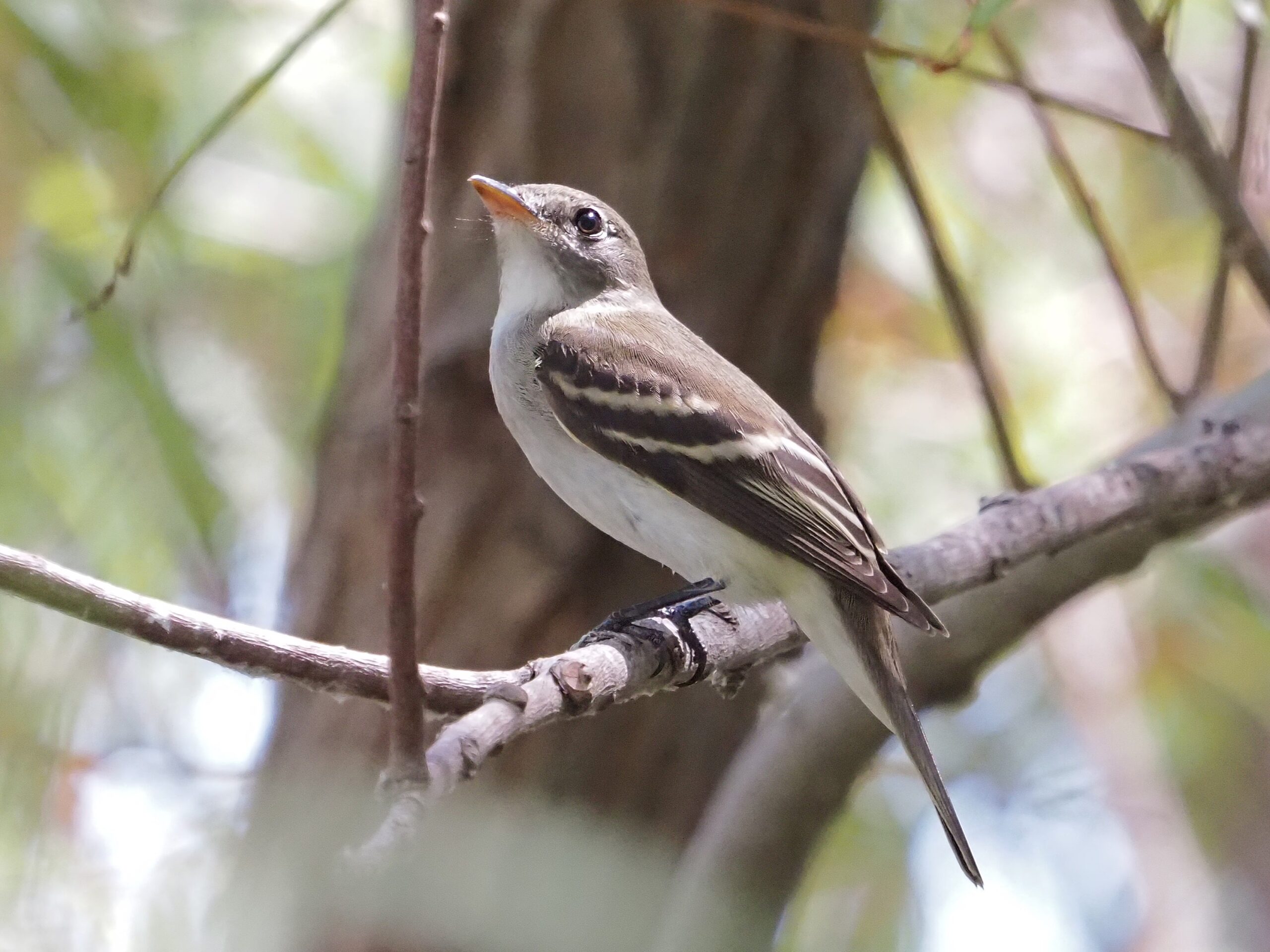
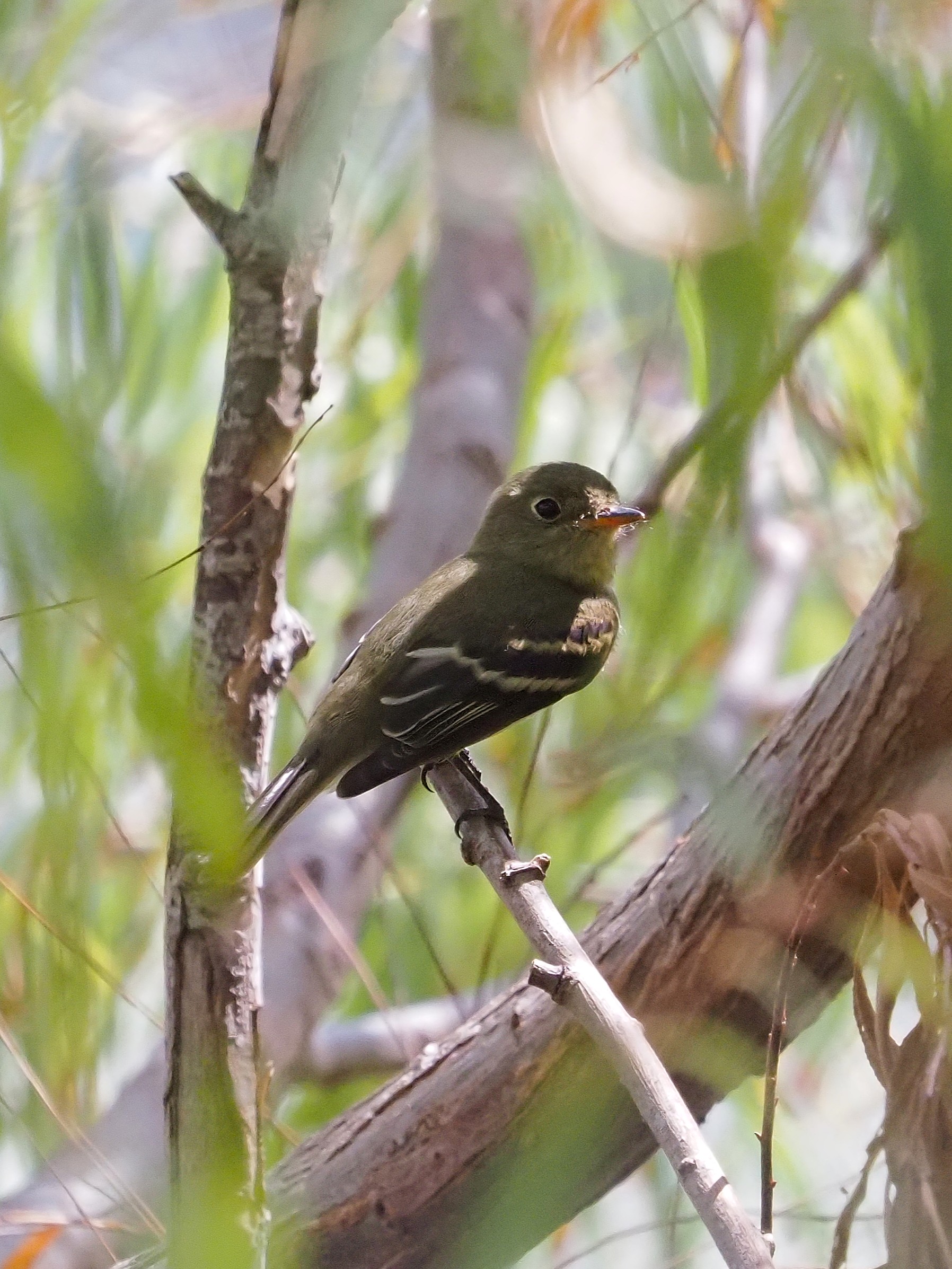
The throat of the Acadian is usually white or gray-ish and the malar is pale green. The throat transitions from whitish or gray-ish, through the pale, but greener malar, to the slightly darker cheek. In the Acadian there is a gradual transition in color from throat to cheek, with no clear dividing line. This is an important point when differentiating the Acadian from the Yellow-bellied.
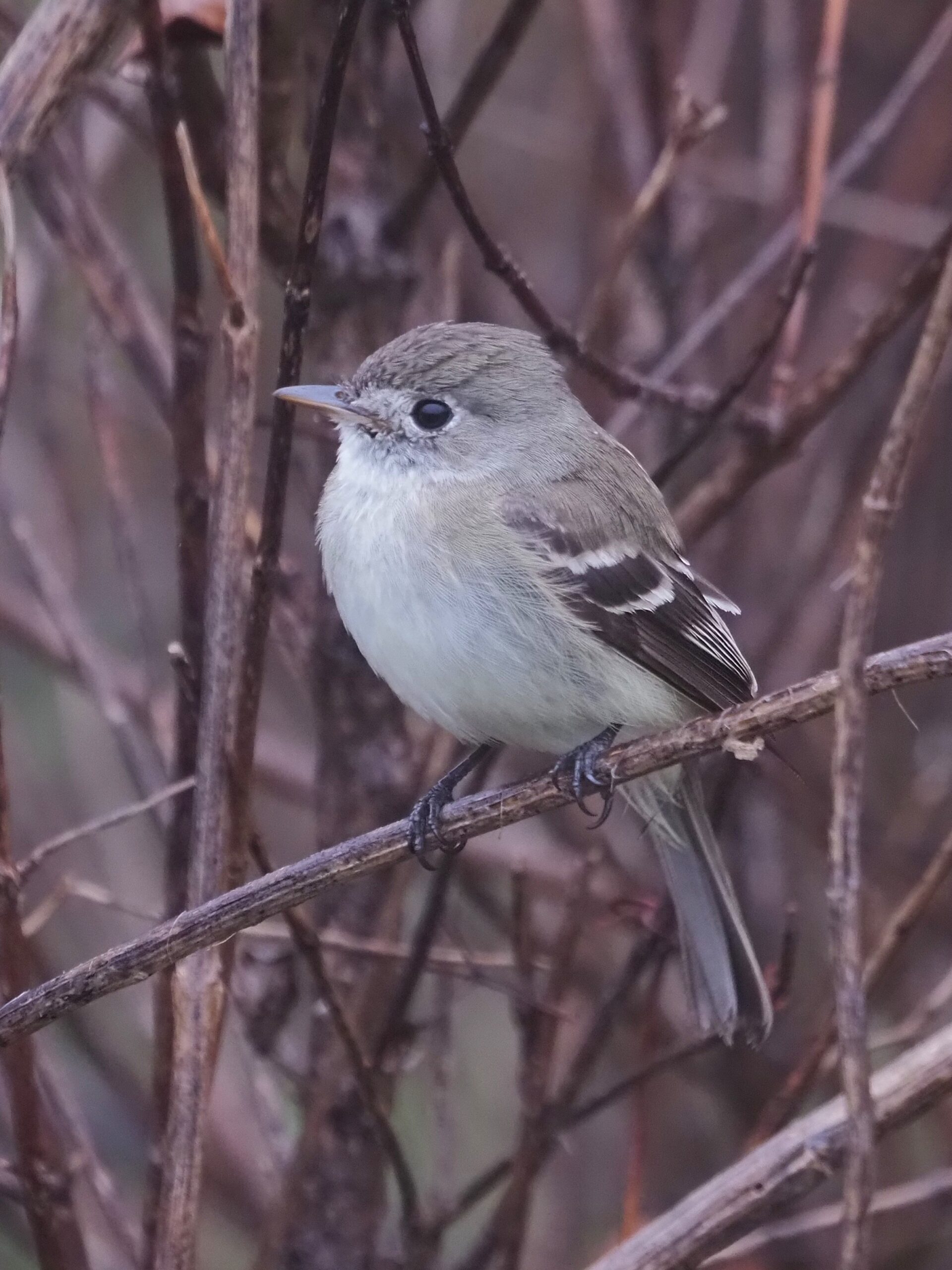
The throat color and transition to the cheek color of the 4 Eastern Empids can be seen in the next group of photos. The contrast between the white throat & the darker cheek of the Trails is obvious and the transition usually seems abrupt. Because both the throat, malar, & cheek of the Yellow-bellied are greenish/yellowish (and sometimes fairly dark) there is very little contrast or transition between these 3 areas (throat, malar & cheek). The throat color of the Least is whitish or off-white (not bright white). The labeled photos below show the throats of the Acadian, Trails, Yellow-bellied and Least from left to right (when the gallery is clicked on).
Additional Key Points of ID
The Acadian generally molts on its breeding grounds during late summer. So its plumage may appear quite fresh during fall migration. The Acadian is a long-winged, long-primaried Empid that usually has a longer bill than any other Empid.
To Flycatchers Overview & Feather Groups